
EcoWatch
Pruitt Grants Oklahoma Leniency to Dispose of Toxic Coal Ash Without Federal Oversight
Olivia Rosane June 19, 2018
The collapsed coal ash impoundment and closed power plant at Dan River Steam Station (Duke Energy), Eden, North Carolina. The impoundment failure caused the 2014 Dan River coal ash spill. The U.S. EPA.
On Monday, Oklahoma became the first state to be granted a permit from the Environmental Protection Agency (EPA) to dispose of its own coal ash, The Associated Press reported.
The move displaces the federal government as the body responsible for coal ash disposal in EPA head Scott Pruitt’s home state. Coal ash is the residue left over from burning coal for power that often contaminates groundwater. It is a change that industry has lobbied for and environmental groups have opposed.
States have demonstrated that “they don’t care about the health and safety of communities near coal ash dumps,” Earthjustice attorney Lisa Evans told The Associated Press.
About 100 million tons of coal ash is produced by U.S. plants every year, often left in disposal ponds that leak into groundwater, contaminating it with pollutants like arsenic and radium. Tests ordered by the EPA this spring of groundwater around plants in various states found elevated pollution levels, according to The Associated Press.
Despite this, “industry has asked for leniency, less stringency. That’s the direction they’re going,” Evans said.
According to documents obtained under the Freedom of Information Act, switching coal ash oversight to states was part of an “action plan” proposed by coal industry executive Robert Murray this spring to Pruitt and other officials in the Trump administration.
Pruitt defended the decision, saying in a statement that the move empowered “those who are best positioned to oversee coal ash management—the officials who have intimate knowledge of the facilities and the environment in their state.”
Pruitt also moved to weaken Obama-era coal ash disposal regulations in March, but the rule change allowing states to control coal ash disposal was actually passed by Congress and signed by former President Barack Obama in 2016, according to NPR. The law said that state rules had to be “as protective as” federal guidelines.
“I am pleased that Oklahoma is the first state in the nation to receive approval of its Coal Combustion Residuals permit program. We actually incorporated the federal rule into our state permitting rules program over a year ago,” Oklahoma Department of Environmental Quality (DEQ) Executive Director Scott Thompson said in an EPA press release about the decision.
But at a hearing in February, Oklahoma environmental groups said the DEQ was not prepared to adequately regulate coal ash.
“The DEQ rules are weaker than the EPA rules,” Oklahoma Grand Riverkeeper and activist Earl Hatley told NPR in February. “This is just a boon for industry to do what they want.”
Waterkeeper Alliance senior attorney Kelly Foster further expressed concerns that the DEQ plan did not provide enough information on how companies would be made to comply with regulations and how the DEQ would take on new responsibilities with existing resources.
Georgia and Texas are following Oklahoma in taking steps to control coal ash disposal, The Associated Press reported.
RELATED ARTICLES AROUND THE WEB
Trump Administration Seeks to Gut Water Pollution Safeguards
Pruitt has made environmental injustice the norm at EPA: 5 shocking
Pruitt huddled with coal exec who raised over $1M for Trump
EPA Environmental Justice Adviser Slams Pruitt’s Plan to Weaken

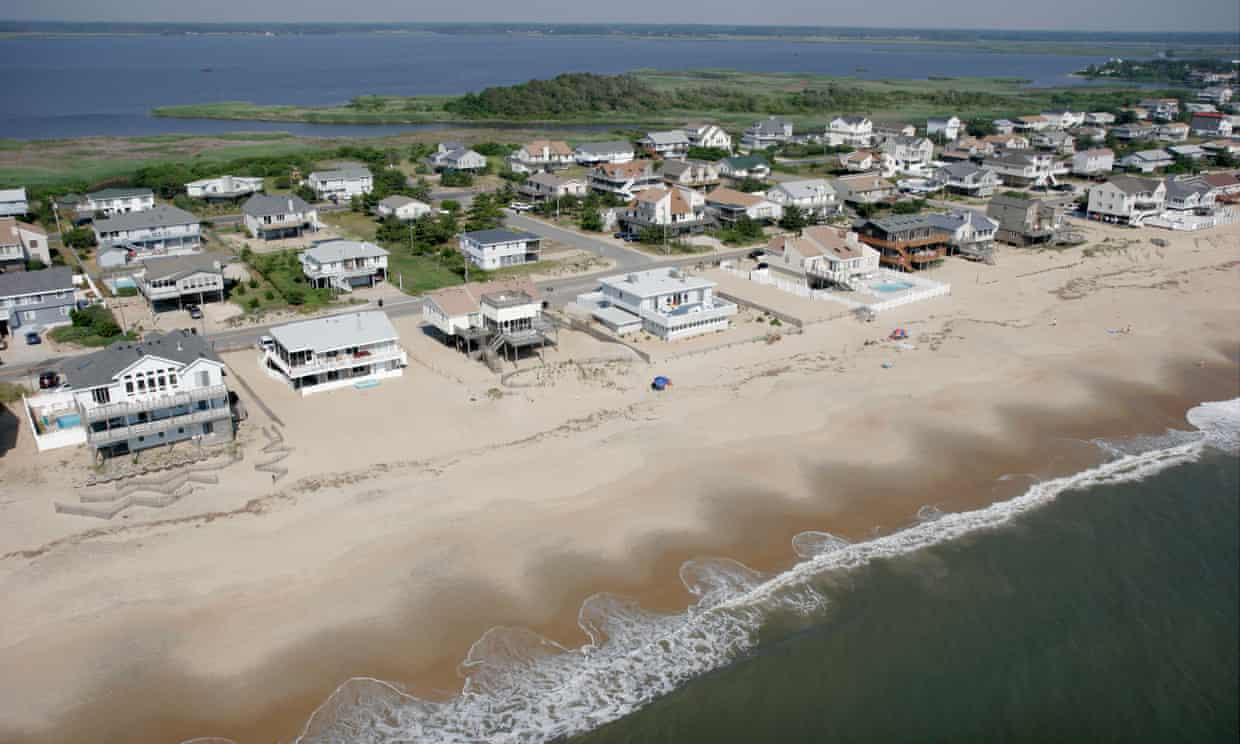 Oceanfront homes in Virginia Beach, Virginia. Houses on the US coastline could risk being flooded every two weeks. Photograph: Alamy
 Miami mayor: ‘People on the waterfront won’t be able to stay unless they are very wealthy.’ Photograph: Hoberman Collection/UIG via Getty Images
 Environmental activists fear massive investments in petrochemical and energy facilities could turn part of Appalachia into a new “cancer alley” like the one in Louisiana along the Mississippi river. Credit: Julie Dermansky/Corbis via Getty Images


 Monsanto says Roundup is safe and can’t be linked to individual cancer cases.
 Johnson, a former school groundskeeper, regularly used Roundup and claims it gave him cancer.
 Johnson had lesions on most of his body, a doctor said.
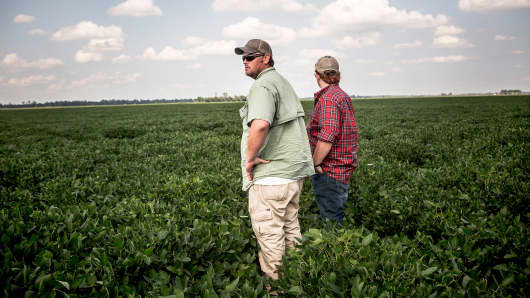 Getty Images. Soybean farmers in Mississippi County, Arkansas.
 Former Agriculture Secretary Dan Glickman. Bill Clark | Roll Call | Getty Images
 Ethanol Plant in Rosholt, South Dakota. Credit: Myloupe/UIG via Getty Images
