It’s not even December and the US has already footed an unprecedented number of $1 billion bills for disasters nationwide
Laurelle Stelle – November 7, 2023
In the first 10 months of 2023, the U.S. has weathered droughts, floods, hurricanes, and wildfires — at least 24 of which were severe enough to cause over $1 billion apiece in damages. That’s a new record, Bloomberg reported, based on data through Oct. 10, with more than two months to go.
What’s happening?
According to Bloomberg, referencing a report from the National Centers for Environmental Information, the first nine months of 2023 saw $67.1 billion of disasters causing 373 deaths.
For years, billion-dollar disasters have been growing more common nationwide. The average between 2017 and 2021 was a devastating one every 18 days, compared to what Bloomberg says was the historical average since 1980 of 8.5 per year, or one every 43 days.
But in 2023, that pace is already at roughly one every 15 days — almost three times as fast as the historical average — assuming no other billion-dollar disasters are tallied through the end of December.
That’s also leaving out several disasters that have already happened, but whose costs haven’t been fully assessed yet. As Bloomberg points out, Hurricane Hillary, recent hail storms in Texas, and the flooding in New York each have the potential to top that $1 billion mark.
Why are there so many disasters happening?
The driving cause behind these disastrous events is the Earth’s rising temperature. As the average temperature of the planet rises due to heat-trapping air pollution, the weather gets less stable and more prone to extremes.
Dry areas often get drier and more prone to heat waves, fires, and droughts. Wet areas often get wetter, with increased flooding and storms. The strain on our infrastructure leads to dangerous complications like power outages, making the problem worse.
People across America are seeing the results. Even people not in the direct path of the destruction are feeling the pinch, as insurers raise their rates to offset the increase in claims. Some companies are completely pulling out of disaster-prone states like Florida and California.
What’s being done about these major disasters?
After every one of these incidents, state and federal agencies respond with disaster relief funds and services to help ease the burden. For example, in September, President Joe Biden authorized disaster relief for victims of Hurricane Idalia and those with contaminated drinking water due to saltwater intrusion in Louisiana.
Long-term, the best solution is to reduce air pollution to lower the temperature of the Earth. That means switching from gas to electric wherever possible; minimizing waste and the use of disposable plastic; and supporting policies and products that minimize pollution.
Burned Out: Documents Reveal The Gas Industry’s Use Of Tobacco Tactics Over Gas Stove Emissions
A new investigation illuminates the gas industry’s 50-year PR campaign weaponizing science to promote doubt over the health effects of gas stoves and obstruct regulation.
By Brendan Melle – November 7, 2023
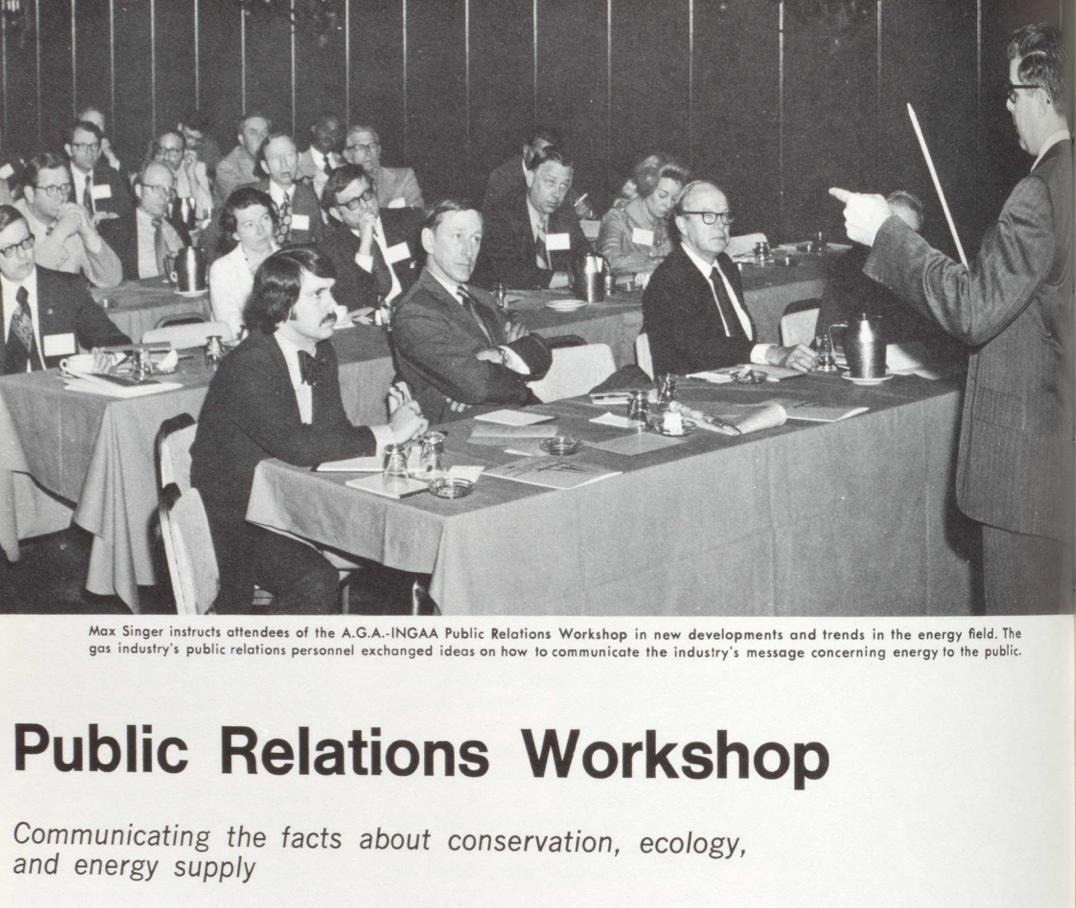
An article in American Gas Association Monthly’s June 1973 issue details a PR workshop held earlier that year. Credit: DocumentCloud
In the 1970s, Dr. Bernard Goldstein, a young professor at the New York University School of Medicine, researched the health impacts of nitrogen dioxide (NO2) produced by gas stoves. In a series of studies, Goldstein and his colleagues identified a higher incidence of respiratory problems among schoolchildren from homes with gas stoves. Fifty years on, Goldstein, now emeritus professor of Environmental and Occupational Health at the University of Pittsburgh, recently told NPR “it’s way past time that we were doing something about gas stoves.”
Explanation for this 50-year delay can be found in the hundreds of pages of documents referenced in a new report by the Climate Investigations Center (CIC), covered by NPR. The report illustrates the gas industry’s multi-decade PR campaign dating back to the 1970s to manufacture controversy over the health effects of gas stove emissions and avoid regulation. This PR campaign relied on tactics used by Big Tobacco to promote doubt and uncertainty over the link between cigarettes and cancer.
The documents uncovered by CIC reveal that the gas industry funded its own scientific studies using the same laboratories, consultants, and statisticians as Big Tobacco; and that it was advised by the same public relations firm that masterminded the tobacco strategy — Hill & Knowlton — specifically by the Hill & Knowlton executives responsible for the tobacco account.
Led by its trade group the American Gas Association (AGA), and advised by Hill & Knowlton, the gas industry sponsored its own studies into the health effects of gas stove emissions, then amplified findings to promote doubt — without consistently disclosing its financial ties. While a growing body of independent science identified a higher prevalence of respiratory problems in gas-stove homes, the AGA-funded studies found “no association” between gas stove emissions and respiratory illness. The industry used these studies to influence public opinion, undermine public health efforts, and block regulation.
This shaped federal regulation of both indoor and outdoor air pollution. Gas industry studies influenced decisions taken by the Environmental Protection Agency (EPA) in the 1980s and 1990s not to revise outdoor NO2 standards. Likewise, in 1986 when the Consumer Product Safety Commission sought guidance about the development of potential measures limiting gas stove NO2 emissions, AGA-sponsored studies featured prominently in deliberations, leading to the conclusion that “the evidence was somewhat inconsistent” and further research was needed.
This gas industry influence campaign continues to the present day. In December 2022, when a peer-reviewed study estimated that “nearly 13 percent of childhood asthma cases in the United States can be linked to having a gas stove in the home,” AGA paid the consulting firm Gradient Corporation to criticize the data. Gradient has a long history of defending industry clients against public health research.
Responding to detailed questions from CIC, AGA’s President and CEO Karen Harbert acknowledged that the gas industry has “collaborated” with “experts” to “inform and educate regulators” about the safety of gas stoves. “Our focus is on the facts and independent analysis,” said Harbert. The documents, however, suggest otherwise.
We sat down with Rebecca John, the researcher and author of CIC’s report, to talk through the key documents that informed the investigation; all of the documents referred to in the report are publicly available on DocumentCloud. The following conversation has been edited for length and clarity.
Brendan DeMelle
Before we get into the documents, take us behind the scenes into your research. Was there a moment in which you realized that the gas industry had been handed, and was using, Big Tobacco’s playbook?
Rebecca John
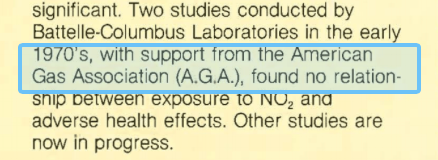
That’s a great question and, actually, there were two moments. The first, when I found an article from a gas industry publication stating that AGA had sponsored its own studies at Battelle Laboratories in the early 1970s. I had seen these studies heavily referenced in EPA and academic literature without any mention of AGA’s funding. So that was a serious “wow” moment — the influence of this behind-the-scenes funding was immediately clear. I then found another AGA document referencing the specific titles of the studies it had funded and the names of the researchers. It was clear to me that these studies, combined with the way that the gas industry seemed to be using its self-sponsored research to challenge independent science and reassure the public, resembled the tobacco strategy.
Excerpts from industry documents showing AGA sponsorship of studies. See bothdocuments in DocumentCloud.
This made me wonder whether Hill & Knowlton, the architects of that strategy, might have been involved. So I started looking in old gas-industry magazines for potential leads. One of these, from 1972, included a listing for a “Public Relations Workshop Report” and there it was in black-and-white: a Hill & Knowlton executive center stage at AGA’s 1972 PR Workshop, recommending key facets of the firm’s tobacco playbook to the gas industry. And not just any Hill & Knowlton executive but Richard Darrow, its then president, who had previously been responsible for the tobacco account! That felt like history leaping off the page.
DEMELLE
That’s incredible. So walk us through the timeline — when did independent scientists begin to become concerned about the health impacts of gas stoves? Was the gas industry already thinking about the issue?
JOHN
Concerns about the health impacts of gas stoves go back to the early 1900s but things began to crystallize in the 1960s with advances in laboratory-based understanding of NO2 as a respiratory irritant, alongside anecdotal evidence of patients suffering from gas-stove-related conditions. In 1970, EPA researchers found a link between outdoor NO2 and respiratory problems in schoolchildren, which led to the launch of the agency’s first study into the health effects of indoor gas stove emissions. These EPA researchers found peak NO2 levels from gas stoves of 1,000 parts per billion (ppb) — around 20 times higher than the legal outdoor standard. They also found that homes with gas stoves reported more respiratory problems than those with electric stoves. A few months later, the New York Times reported on the study, bringing national attention to the issue, and an op-ed in the Yale Law Journal described indoor air pollution, as a “menace” that required “comprehensive federal legislation.”
American Gas Association Monthly in 1982 provided insight into growing industry concern about gas stoves. See the entire document in DocumentCloud.
Documents show that by 1970 the gas industry — which had been trying to position gas as a “clean burning” alternative to coal-fired electricity generation — was aware it had a potential problem with NO2 emissions. In response to these EPA studies, it began to examine gas stove emissions.
DEMELLE
So the industry knew public concern about the health impacts of gas stoves could be an existential threat. And the documents you found show that it turned to the PR firm Hill & Knowlton, which had worked with Big Tobacco and is credited with creating the “tobacco strategy.” What is that strategy and why is it relevant in this case?
JOHN
By 1972, when the gas industry turned to Hill & Knowlton for help, the PR firm was already expert in making this kind of threat go away. Thanks to successful litigation against cigarette companies, we actually know a lot about the tobacco strategy — the tactics that Hill & Knowlton used to sow doubt over the health harms of smoking and protect cigarette sales. The documents obtained through litigation now form part of the invaluable Industry Documents Library at the University of California San Francisco, and show exactly how Big Tobacco spent millions of dollars on research to defend and protect the industry. These documents, along with other findings, also demonstrate howmultiple industries have employed this strategy to deny the health and environmental hazards of asbestos, lead, plastics, toxic chemicals, CFCs, and carbon dioxide emissions from burning fossil fuels. Our new report shows that gas stove emissions should also be added to that list.
DEMELLE
You found that not only did the gas industry work with Hill & Knowlton, it specifically turned to the same executives who had advised Big Tobacco. What did Hill & Knowlton tell the gas industry to do?
JOHN
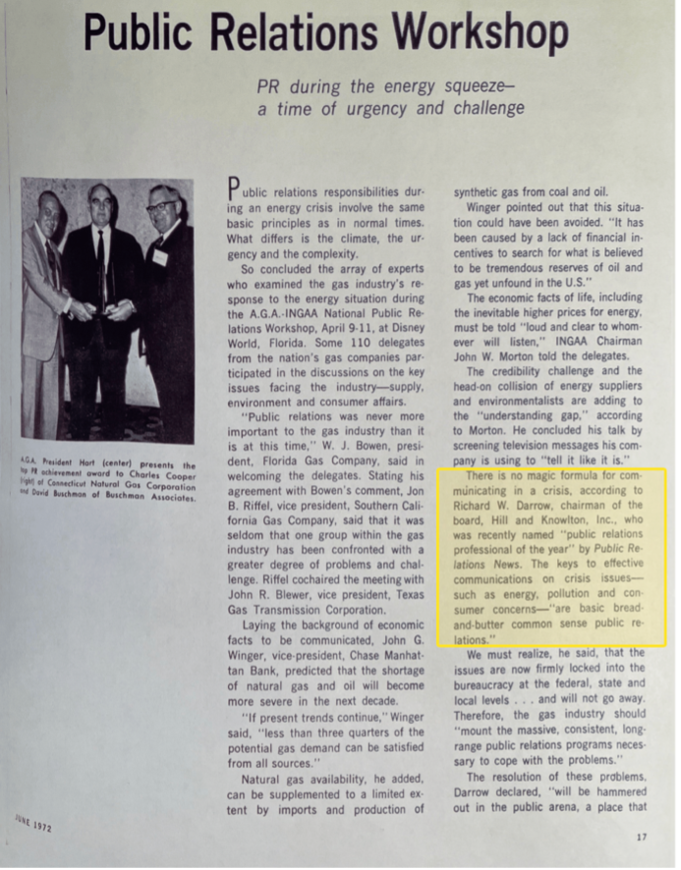
So in 1972, Richard Darrow, one of the architects of Hill & Knowlton’s tobacco strategy, told the gas industry that it should mount “massive consistent, long-range public relations programs” to cope with its pollution problems. Once I knew that Darrow had spoken at the PR Workshop, I tracked down a complete version of his speech which showed him advising the industry that “continuing research” should be a part of its daily activities and that it should use this research to “quiet” consumer fears over gas appliances in the home and get ahead of bad news.
If it did this effectively, Darrow promised that the industry would be able to make its “voice heard” and play a role in “shaping the decisions” that would affect the nation’s future and, by extension, the industry’s ability to profit.
American Gas Association Monthly from June 1972 details Richard Darrow’s advice to the gas industry. See the entire statement in DocumentCloud.
The following year, Carl Thompson, another central figure in Hill & Knowlton’s work for tobacco, repeated a similar message to the gas industry: If it didn’t help inform the public, people would get all their information from the industry’s critics.
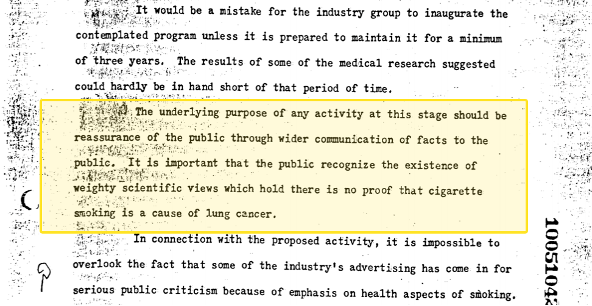
What’s striking is the similarity between this advice Darrow and Thompson gave to the gas industry in the 1970s and one of Hill & Knowlton’s earliest recommendations to its tobacco clients in the 1950s — that they should seek to reassure the public through the communication of “weighty scientific views” that held there was no proof that cigarette smoking caused lung cancer. What we see very clearly in the documents is that when faced with public concerns about gas stove emissions in the early 1970s, the gas industry would fund “weighty scientific views” of its own.
Hill & Knowlton’s 1953 recommendation to Big Tobacco to reassure the public through “weighty scientific views.” See the entire document in DocumentCloud.
DEMELLE
How did the gas industry go about getting those “weighty scientific views”?
JOHN
Well, first of all they didn’t waste any time. Barely two months after Darrow advised the gas industry to adopt a policy of “continuing research,” the AGA started funding its own epidemiological studies at Battelle, a private lab that had previously conducted research for Hill & Knowlton’s clients, including the American Petroleum Institute (API) and Big Tobacco. Interestingly, agreements between Battelle and various tobacco firms show that Battelle had a track record of agreeing to publish information that was “consistent with the Sponsor’s interests and wishes.”
Two researchers from the Ohio State University College of Medicine also joined the Battelle scientists, giving the AGA-funded research an appearance of greater credibility. This is important because one of the key services Hill & Knowlton provided for its tobacco clients was recruiting carefully selected scientists who would provide a veneer of credibility while conducting research likely to generate a controversy over the link between cigarettes and cancer. And records show that at least three members of the research team from Battelle and OhioState may have been selected due to their previous interests and approach.
Hill & Knowlton’s advice to the gas industry in 1956 to sponsor research at “leading universities.” See the entire document in DocumentCloud.
Additionally, documents we found also show that this wasn’t the first time Hill & Knowlton had recommended such a strategy to the gas industry. As early as the mid 1950s, a Hill & Knowlton team, including Richard Darrow, had advised the gas industry to sponsor research at “leading universities or research institutions” which it would be able to use to question the accuracy of facts from “government and outside sources.”
DEMELLE
It’s chilling to see how systematic and long-range these influence campaigns are. What were some key industry-funded studies, and what were their conclusions?
JOHN
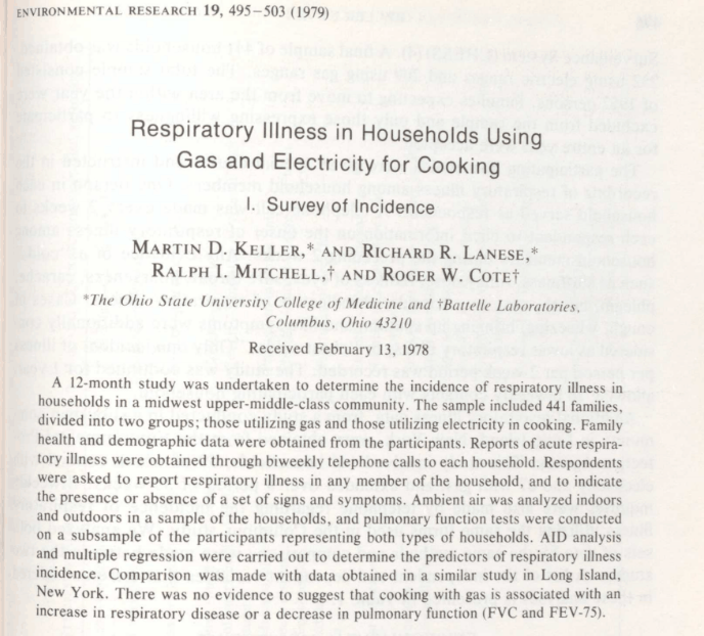
Based on what we know, the gas industry funded two major sets of epidemiological studies — first in the 1970s, and again in the late 1980s and early 1990s. In contrast to a growing body of non-industry-funded research, which increasingly identified an association between gas stove emissions and respiratory problems, the 1970s studies conducted by the Battelle and Ohio State researchers (Mitchell et al., 1974; and Keller et al., 1974) found no evidence for gas-stove-related respiratory problems. Two similar follow up studies (Keller et al., 1979 I & II) were published in the journal Environmental Research without any disclosure of AGA-funding. To this day, AGA-funding is not disclosed in the journal’s onlineversions. Then, in the late 1980s, the gas industry, this time under the direction of the Gas Research Institute (GRI), which had taken over AGA’s research program, funded another major study in partnership with the Health Effects Institute — a research organization co-funded by the EPA and 28 automobile industry companies. This study (Samet et al., 1993) to which GRI contributed upwards of $1 million, or approximately a third of the funding, again found no association between gas stoves and respiratory illness.
One of the AGA-funded studies, published by Environmental Research in 1979 with no declaration of AGA funding by the authors. See the entire document in DocumentCloud.
DEMELLE
What impact did these studies have on policy and regulation? And was the industry taking other steps to impact policy?
JOHN
Yes the industry was absolutely doing other things. As well as funding epidemiological studies, the gas industry was also funding third-party consultants and statisticians to attack research — another tactic that had proven highly effective for Big Tobacco under the direction of Hill & Knowlton. Again, industry funding of these third parties was not always disclosed.
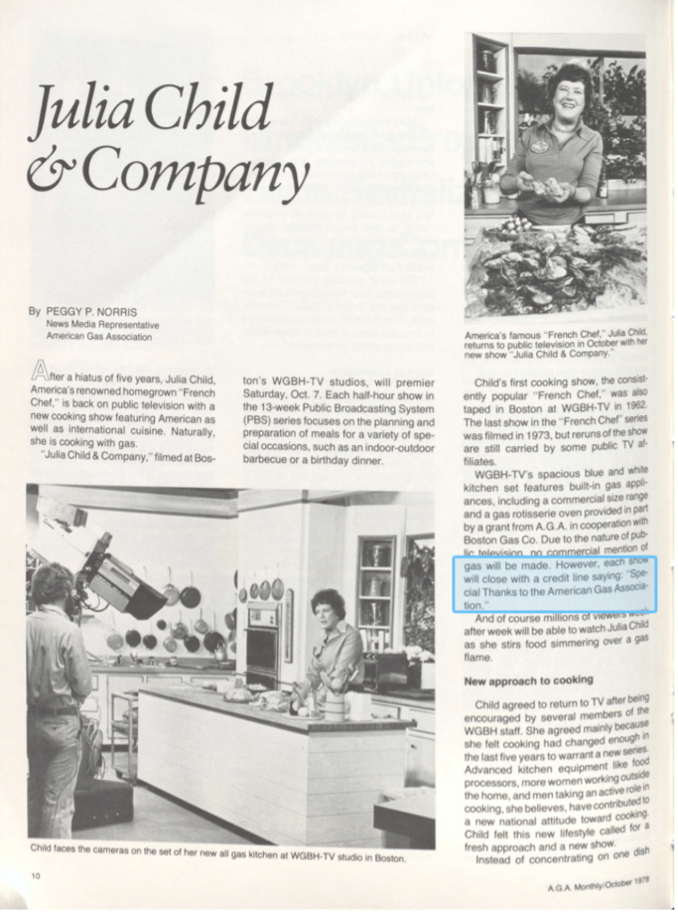
Gas industry representatives then amplified these paid-for findings to promote doubt and maximize uncertainty. On some occasions the industry went one step further, using this apparent uncertainty as a springboard to make much bolder claims. For example, in 1982, a GRI spokesman declared outright that “emissions from unvented gas appliances do not cause any undesirable effects.” During this period, the gas industry was also pursuing marketing and advertising campaigns, product placement deals in movies and TV shows, and celebrity tie-ins — another tobacco favorite — with famous cooks such as Julia Child. I know, is nothing sacred?!
American Gas Association Monthly from 1978 included an article about its partnership with Julia Child. See the entire document in DocumentCloud.
Coming back to your question about the impact these studies had on policy and regulation, we can see quite clearly in the historical record that they disrupted what might otherwise have been an emerging consensus regarding the health effects of gas stove emissions. And, from the late 1970s up to as late as the 1990s, industry-funded studies contributed to decisions by EPA regulators that the evidence was “not conclusive” and more research was needed.
One document from 1978 shows the actual moment an industry representative insists that the EPA include the AGA-funded studies in its assessment of the health harms — which, of course, it did. A later EPA document from 1982 contains a table that provides striking visual evidence of this influence: The agency considered nine gas stove studies, four of which found an association between gas stoves and respiratory problems, while five found no evidence of an association. Four of these five papers that found no association were the undisclosed AGA studies conducted by the Battelle/Ohio State researchers. So you can see just how powerful an influence these AGA-funded studies had in shifting the balance of evidence in the industry’s favor. This influence continued over subsequent decades. The outdoor NO2 standard was only revised in 2010 and regulations for NO2 still stop at the doorway of U.S. homes.
This table from a 1982 EPA paper illustrates the AGA’s influence on policy: The highlighted rows are studies that were funded by the AGA. See the entire document in DocumentCloud.
DEMELLE
How is the gas industry still using these tobacco tactics?
JOHN
So the gas industry continues to use tobacco tactics in a variety of ways. It’s still sponsoring its own research focusing on gas stove emissions, as well as new literature reviews that attack independent health effects research. For example, late last year a major study attributed 1 in 8 cases of childhood asthma in the U.S. to the presence of a gas stove in the home. In response, the AGA funded a literature review conducted by Gradient, a private consulting firm. And, just like the reviews commissioned by the gas industry in the 1980s, Gradient’s review concluded that there was insufficient evidence to prove a causal relationship between gas cooking or indoor NO2 and asthma. Since then, the gas industry has amplified the results of its studies, making spurious complaints against academicresearch to push back against the evidence and hiring influencers to portray gas cooking in a positive light. These are all classic tobacco tactics.
DEMELLE
Despite the industry’s continued efforts to fight regulation and downplay the health harms of gas stoves, are people beginning to be more aware of or concerned about the risks of gas stoves?
JOHN
I think people are becoming more aware. Definitely. For one thing, people do seem to be waking up to the fact that cooking on a gas stove means that you are combusting a fossil fuel in your home and that this is causing pollutants to build up indoors — not only NO2 but also benzene, a known carcinogen, and the powerful greenhouse gas methane.
The science has also grown. In 2010 when the EPA introduced a tighter standard for outdoor NO2, it noted that a substantial amount of new research had contributed to its decision, especially studies that show children and people with asthma are more likely to develop respiratory problems related to NO2 exposure. Since then other studies have confirmed this association, as well as a link between indoor NO2 exposure and morbidity in people with chronic obstructive pulmonary disorder.
On top of this, the health impacts of gas stove emissions may disproportionately affect lower-income households and people of color, many of whom already live in neighborhoods with polluted outdoor air. Pollutant concentrations tend to be higher in smaller living spaces, in kitchens without a working ventilation hood, and in homes where windows are kept shut against outdoor pollution. A 2020 report by the Asthma and Allergy Foundation found that the burden of asthma falls more heavily on Black, Hispanic, and Native American populations, with mortality and emergency room visits higher for these groups. I think it’s also important to note that researchers who have worked in this area for decades, who may have previously concluded that more research was needed, are now saying that steps should be taken to protect those who are susceptible and that we should not wait any longer to begin preventive action against the negative effects of gas stove emissions.
DEMELLE
What’s the one big takeaway you hope that readers glean from these documents and your research?
JOHN
To me, the importance of this work lies in revealing how the fossil fuel industry has maintained — and continues to maintain — the energy status quo, despite the health and climate risks.
Brendan is Executive Director of DeSmog. He is also a freelance writer and researcher specializing in media, politics, climate change and energy. His work has appeared in Vanity Fair, The Huffington Post, Grist, The Washington Times and other outlets.
Nine foods to lower cholesterol – and some may surprise you
Boudicca Fox-Leonard – November 6, 2023
Foods to lower cholesterol
If you always swerve the cheese course out of concern for your cholesterol, then it might be time to change tactics.
The long-standing fear has been that saturated fats in cheese increase the level of LDL (or “bad”) cholesterol in our blood, which is associated with an increased risk of heart attack and stroke. Now some experts believe cheese has been wrongly demonised and that it might actually be beneficial for health. Recent research suggests that the beneficial microbes and nutrients in cheese might inhibit the uptake of its unhealthier elements.
It’s not the only food that’s been re-evaluated after being long associated with raising bad cholesterol. Others include shellfish and eggs.
What is cholesterol?
Cholesterol is the waxy substance found in your blood that is important in the making of certain hormones and healthy cells.
“We can make about two thirds typically of what we need and the last third comes from our diet,” explains dietitian Dr Duane Mellor of the British Dietetic Association.
The difference between HDL (high-density lipoprotein) cholesterol, sometimes called “good” cholesterol, and LDL (low-density lipoprotein) is that the former absorbs cholesterol in the blood and carries it back to the liver. The liver then flushes it from the body. High levels of HDL cholesterol can lower your risk for heart disease and stroke. LDL, on the other hand, takes cholesterol directly to your arteries.
Oily fish has long been praised for its health benefits – getty
Other fats can block your arteries, too
“In simple terms, LDL pushes cholesterol into the body and HDL is a way of getting it out of the body,” says Dr Mellor.
When measuring our risk of developing heart disease, the focus used to be on LDL cholesterol, HDL cholesterol levels and total cholesterol levels. But our blood also contains a type of fat called triglycerides (found in fat cells), which can also contribute to narrowed arteries.
“It’s now understood that as well as LDL, other types of “bad” fats are also important to consider when thinking about someone’s risk of developing cardiovascular disease,” says Bahee Van de Bor, a paediatric dietitian.
Carrying excess weight, eating a lot of fatty and sugary foods or drinking too much alcohol can all lead to high triglyceride levels. This is because triglycerides are made to store extra calories.
Not all saturated fat is bad for your heart
The new research concerning cheese shows that not every saturated fat behaves the same. Dr Mellor says: “It’s possible that because dairy products come from herbivores they have all sorts of odd-chain fatty acids which may actually be good, so we can’t say all saturated fat is bad,”
However, he adds: “What we can say is that too much of it and your calorie intake will be too high and that’s something to be mindful of.
A healthier approach is to think about eating small amounts. “The main things that are going to drive cholesterol up are eating too many calories, gaining weight and putting on fat, because that’s what your body will then make the cholesterol from.”
Reducing your meat intake will also make room for other foods on your plate, many of which have been shown to actually help lower your cholesterol level. As well as cheese, here are eight more to try…
They can be difficult to know how to cook well, but worth the effort from the perspective of both taste and health. Some animal studies suggest including aubergine may help lower low-density lipoprotein (LDL) cholesterol. These effects are likely to be because of the fibre as well as the antioxidant content of aubergine, including nasunin, the major component of the pigment in eggplant. “The soluble fibre in them is good. It stops you recycling your own cholesterol that would normally be reabsorbed in the gut,” says Dr Mellor. Soluble fibre binds cholesterol particles to it in the small intestine, preventing them from entering your bloodstream and travelling to other parts of the body. Instead, cholesterol will exit the body through the faeces.
For the most health impact, avoid frying them: “Doing that means you’re getting a lot of energy that way which isn’t good from the weight side of things.” Instead roast them with a sensible amount of oil.
Last eaten most likely in an Indian restaurant, this pointy green vegetable, also known as lady’s fingers or bhindi, is cultivated worldwide and available increasingly in mainstream supermarkets. Researchers have found that a gel in okra called mucilage can help lower cholesterol by binding to it during digestion. This helps cholesterol leave the body through stools.
Okra’s polyphenols content has also been shown to reduce the risk of heart disease. One four-year study in 1,100 people showed that those who ate a diet rich in polyphenols had lower inflammatory markers associated with heart disease.
A healthy food that doesn’t hurt your wallet. Human studies have found that lentils may improve cholesterol levels in people with diabetes. Rich in fibre that can help stop the reabsorption of cholesterol into the bloodstream they also contain folate, iron and vitamin B1, which support your heart health.
Dr Mellor advises opting for red lentils. “They’re easy to use and you can part-substitute the mince in a dish like bolognese, helping you to reduce meat consumption while maintaining protein and iron intake. As well as the dietary benefits there are the financial ones too, because they are much cheaper.”
If you’re looking for a healthy snack, then it has to be nuts.
It’s not entirely clear why, but it’s thought that the “good” fats in nuts – both monounsaturated and polyunsaturated fats – lower bad cholesterol levels. They contain fibre as well as plant sterols, a substance that can help lower cholesterol. Nuts are also a source of L-arginine, which research suggests may lower blood pressure, improve cholesterol and improve overall blood vessel health.
“A lot of the research is sponsored by the almond growers of California, but it seems to be a class effect,” says Dr Mellor. “The only one that’s not going to be as good is a chestnut because that’s a starchy nut. It’s not a true nut.”
If you go for a hazelnut, walnuts, pecans and almonds, they’re all thought to have a similar effect, as do seeds like chia. “The key thing is not to have salted roast peanuts, because they’re not the healthiest. It’s best to have a fresh nut.”
A type of fibre called beta-glucan present in oats and barley has been found to lower blood cholesterol in studies, says Dr Stacey Lockyer, senior nutrition scientist at the British Nutrition Foundation.
When you eat beta-glucan, it forms a gel that binds to cholesterol-rich bile acids in the intestines. This helps limit the amount of cholesterol that is absorbed from the gut into your blood. Your liver then has to take more cholesterol out of your blood to make more bile, which lowers your blood cholesterol.
“The healthiest way to have them is as a simple porridge with a little bit of fresh or dried fruit,” says Dr Mellor. “The key thing is not to add lots of syrups and chocolate sprinkles and all sorts of things people do. Keep it as simple as possible.”
Tofu, made from condensed soy milk, may have been discovered during the Han dynasty (202 BC – AD 220) and became a popular choice for Buddhist monks who didn’t want to eat meat or fish. Modern researchers have studied soybeans to understand their effect on cholesterol, with scientists noting that soybeans with increased levels of the protein beta-conglycinin compared with the protein glycinin were better able to regulate cholesterol metabolism and inhibit fatty acid oxidation. It is thought that eating soybeans with higher levels of beta-conglycinin may help to maintain healthy liver and cardiovascular function.
“A harder one to sell to people,” says Dr Mellor, as tofu isn’t a traditional food in the UK. “You can scramble it like an egg that works quite well. Or you can toss it into a stir fry with a load of vegetables and serve it with noodles. It does taste better when fried, or you can put it into a curry sauce. The key thing is that you add it into a sauce early so it can take on the flavours of the sauce,” says Dr Mellor.
Of the reason tofu is a cholesterol buster, he says: “It seems to be the phytoestrogens, these plant-like mimicking hormones that tend to alter the way the cholesterol is absorbed.”
It’s a myth that tofu has a feminising effect, he adds: “Otherwise vast swathes of the world that eat plots of tofu, would have different characteristics. But it does tend to have a beneficial effect on cardiovascular risks.”
The omega-3 fats found in oily fish can help lower harmful blood triglycerides. “It seems to be beneficial in helping lower triglycerides and increasing the good cholesterol,” says Dr Mellor. Oily fish includes herring, mackerel, pilchards, sardines, salmon, trout and fresh tuna. “I’d probably go for something simple and not too salty like sardines in tomato sauce which you can have on a piece of toast as a quick and easy meal,” says Dr Mellor. “It’s an alternative to a bacon sandwich and healthier.”
When it comes to having healthy cholesterol levels the vitamins and fibre in vegetables are key. “It’s not quite as simple as antioxidants, but they contain a range of things like Vitamin C and E, which help keep the cholesterol in its healthy state,” says Dr Mellor.
The brassica family has been associated with healthy cholesterol because of its levels of soluble fibre. In particular, studies have shown a diet rich in high glucoraphanin broccoli reduces plasma LDL cholesterol. Other cholesterol-busting vegetables to consider include spinach, Brussels sprouts and collard greens.
“The science isn’t 100 per cent but it is thought that having a range of these different plants will nourish your gut microbiome that has a role in your body handling fats and lipids, not necessarily cholesterol but triglycerides.”
Understanding the severity of the mosquito-borne disease dengue
Maeghan Dolph – November 5, 2023
Understanding the severity of the mosquito-borne disease dengue
Dengue fever is a mosquito-borne viral infection that affects millions of people worldwide, causing a wide range of symptoms.
In some cases, dengue can progress into a potentially life-threatening condition.
Recognizing the distinctions between dengue and severe dengue and knowing how to both prevent and handle these conditions is of paramount importance for public health. Below are essential insights into the fundamental facts of these illnesses.
Dengue fever is caused by the dengue virus, transmitted to humans primarily through the bites of infected Aedes mosquitoes.
Dengue fever typically presents a wide range of symptoms, including severe headaches, high fever, muscle pain, rashes and, occasionally, mild bleeding. In the majority of instances, dengue fever follows a mild and self-limiting course with symptoms typically subsiding within a week.
The seriousness of the dengue virus can vary widely depending on the specific strain of the virus, the individual’s age, overall health and access to medical care.
Dengue fever is generally characterized as a mild to moderate illness. However, severe forms of the disease can be life-threatening.
Severe dengue represents an intensified and potentially life-threatening variant of the disease. It can manifest with severe abdominal pain, vomiting, fast and shallow breathing, along with a weak, accelerated pulse.
In the most critical cases, severe dengue can advance to dengue shock syndrome, marked by a sudden drop in blood pressure that may lead to fatal consequences.
Notably, individuals with a prior dengue infection face an elevated risk of developing severe dengue if they are reinfected with a different dengue virus serotype.
Dengue fever typically progresses through four stages, each characterized by specific symptoms:
1. Febrile phase: This is the initial stage of dengue fever, lasting for about two to seven days. The primary symptom is a sudden fever, often reaching up to 104 F. Other common symptoms include severe headaches, pain behind the eyes, joint and muscle pain, and a rash.
2. Critical phase: After the febrile phase, some individuals enter a critical phase, usually around the time the fever subsides. This phase typically extends for one to two days, during which the likelihood of progressing to severe dengue significantly rises.
3. Plasma leakage phase: During this stage, the blood vessels become more permeable, leading to the leakage of fluid from the bloodstream into surrounding tissues. This can result in symptoms like a sudden drop in blood pressure, fluid accumulation, and shock.
4. Recovery phase: This stage presents increased urination, as the leaked fluids are reabsorbed into the bloodstream.
Patients typically start to feel better, but they may experience fatigue and weakness for an extended period.
It is essential to note that not all individuals with dengue fever progress to severe dengue. Most dengue cases are mild and self-limiting, with symptoms resembling the febrile phase.
However, identifying warning signs and seeking prompt medical attention is crucial to preventing severe dengue and its potentially life-threatening complications.
Preventing dengue and severe dengue relies on controlling the mosquito vectors and taking personal protective measures.
Mosquito control: Eliminate mosquito breeding sites around your home by removing stagnant water in containers, using mosquito nets, and installing screens on windows and doors.
Travel precautions: If traveling to regions where dengue is endemic, take extra precautions to avoid mosquito exposure.
Early diagnosis: Seek medical attention promptly if you suspect you have dengue, as early diagnosis and proper medical care can reduce the risk of severe dengue.
Dengue and severe dengue represent significant global health concerns, particularly prevalent in tropical and subtropical regions. To effectively fight these diseases, it is important to distinguish between their characteristics, identify symptoms, and implement preventive measures.
By remaining well-informed and implementing proactive strategies, both individuals and communities can play a pivotal role in reducing the impact of dengue and severe dengue, contributing to their control and prevention.
Reversing your biological age could help you live longer—and reduce dementia and stroke risk. 8 habits to help flip the switch
Erin Prater – November 6, 2023
Getty Images
People whose biological age is greater than their chronological age are at a “significantly increased” risk of stroke and dementia—even when smoking, drinking, BMI, and other risk factors are removed from the equation.
That’s according to a Swedish study published Sunday in the Journal of Neurology, Neurosurgery, and Psychiatry. Researchers examined the data of more than 325,000 UK residents between the ages of 40 and 70—and neurologically healthy—when the study began. They calculated the biological age of each participant via 18 biomarkers, including:
Nine years later, researchers checked to see if participants had developed dementia, stroke, ALS (Lou Gehrig’s disease), or Parkinson’s disease, and if there were any trends in biological age among those who had.
Having a higher biological than chronological age seemingly led to an elevated risk of dementia, especially vascular; ischemic stroke, from a blood clot in the brain; and ALS, a neurodegenerative condition, they found.
There was a weaker apparent association between elevated biological age and Alzheimer’s disease and other motor neuron diseases, which include progressive spinal muscular atrophy and primary lateral sclerosis.
Among researchers’ other findings:
The more air a person can expel during a forced breath, the lower the apparent risk of dementia and ischaemic stroke.
A higher red blood cell count seems to denote an increased risk of dementia.
Women below the age of 60 with an elevated biological age appear to be at the greatest risk of developing dementia.
There did not appear to be a connection between elevated biological age and the development of Parkinson’s disease.
“If a person’s biological age is five years higher than their actual age, the person has a 40% higher risk of developing vascular dementia or suffering a stroke,” Jonathan Mak—a doctoral student in the Department of Medical Epidemiology and Biostatistics at the Karolinska Institutet in Sweden, and one of two lead authors on the study—said in a news release about it.
While the study was an observational one and can’t prove causation, it shows that it may be possible to reduce the number of age-related diseases one develops, or to delay their onset, by improving biomarkers, the authors assert.
Biological vs. chronological age
Just what is the difference in biological and chronological age? Simply put, chronological age is how long you’ve been alive—the number of candles on your cake—while biological age is how old your cells are.
Biological age is also referred to as the epigenetic age. The epigenome “consists of chemical compounds that modify, or mark, the genome in a way that tells it what to do, where to do it, and when to do it,” according to the U.S. National Institutes of Health.
Those changes—influenced by environmental factors like stress, diet, drugs, and pollution—can be passed down from cell to cell as they divide, and from generation to generation. While chronological age can’t be reversed, biological/epigenetic age can be.
Scientists already knew that advanced chronological age is a risk factor for the development of common neurologic disorders like neuropathy, Alzheimer’s disease, and Parkinson’s disease. But because people of the same chronological age, age at different rates, it’s a “rather imprecise measure” when it comes to the prediction of disease development, Sara Hägg—an associate professor in the Department of Medical Epidemiology and Biostatistics at the Karolinska Institutet, and a lead author on the study—said in the news release.
Prior research had shown an apparent correlation between elevated biological age and increased risk of developing some cancers, depression, anxiety, and death. But little work had been done on the potential impact of biological age on the development of neurologic disorders, the authors wrote, adding that they next plan to study its impact on other diseases.
How to slow—and even reverse—biological aging
The good news: The process of biological aging can be slowed—so much so that one’s biological age can dip below their chronological age.
That’s according to new research released Monday by the American Heart Association. Scientists examined the connection between biological age and the association’s “Life’s Essential 8” checklist, which includes the goals of:
Eating better
Being more active
Quitting tobacco
Getting healthy sleep
Managing weight
Controlling cholesterol
Managing blood sugar
Managing blood pressure
After examining the records of more than 6,500 adult participants, they found that better cardiovascular health—as measured by the above factors—was associated with slower biological aging. Participants with high cardiovascular health had a biological age lower than their chronological age.
For example, the average chronological age of those with high cardiovascular health was 41, but their average biological age was 36, researchers found. Conversely, the average chronological age of those with low cardiovascular health was 53, but their average biological age was 57.
Participants who scored the highest on the aforementioned checklist—and thus were considered to have high cardiovascular health—had a biological age that was, on average, six years younger than their chronological age, researchers said.
“These findings help us understand the link between chronological age and biological age, and how following healthy lifestyle habits can help us live longer,” Dr. Donald M. Lloyd-Jones, chair of the writing group for the checklist and a past volunteer president of the American Heart Association, said in a news release on the study.
“Everyone wants to live longer—yet more importantly, we want to live healthier longer so we can really enjoy and have a good quality of life for as many years as possible.”
A man with Parkinson’s who was unable to walk without falling is enjoying Sunday strolls again thanks to a spine implant
Kim Schewitz – November 6, 2023
A man who has had Parkinson’s for 30 years could hardly walk on his own and had to stay home.
Scientists implanted a device in his spine that stimulates his leg muscles with electrical impulses.
Two years on he can climb stairs, go shopping, and walk almost four miles independently.
A man diagnosed with Parkinson’s disease almost 30 years ago who could barely walk on his own can now climb stairs and go out independently again thanks to a potentially revolutionary device implanted in his spinal cord.
Marc Gautier, 62, from a small town near Bordeaux, France, has lived with Parkinson’s since he was 36, and was forced to stop working as an architect three years ago when his mobility got so bad that he was falling down five to six times a day, meaning he often had to stay at home.
“I practically could not walk anymore without falling frequently, several times a day. In some situations, such as entering a lift, I’d trample on the spot, as though I was frozen there,” Gautier said in a press release.
Two years since the device was surgically implanted, however, he can once again do many things he used to enjoy.
“Every Sunday I go to the lake, and I walk around six kilometers. It’s incredible,” he said.
The implant stimulates sensory fibers connected to muscles
Parkinson’s is a degenerative disease where people don’t have enough dopamine — a neurotransmitter responsible for many bodily functions — in their brain, which can lead to physical symptoms including rigidity and tremors.
Parkinson’s is most common in older people and men, with symptoms typically appearing in those over 50, but it can occur in people under 40, too.
Treatments typically include taking dopamine and deep brain stimulation, where electrodes implanted in the brain produce electrical impulses that affect brain activity. These are usually effective but can stop working as the patient’s condition worsens over time.
Around 90% of people with advanced Parkinson’s experience walking problems, such as gait impairments, balance problems, and freezing-of-gait episodes, which reduce their quality of life, study co-author Jocelyne Bloch, director of the NeuroRestore treatment center that researches implantable neurotechnologies, and senior attending neurosurgeon at University Hospital of Lausanne, Switzerland, said in a press video.
Scientists from Switzerland and France worked to develop the new treatment by designing and implanting a device, known as a neuroprosthesis, into Gautier’s spinal cord.
In healthy people without Parkinson’s, muscles move after being stimulated by sensory fibers. In Gautier’s case, the fibers in his legs were weakened by Parkinson’s, meaning the sensory feedback loop was not strong enough to make them move properly, co-author Grégoire Courtine, professor of neuroscience at the Swiss Federal Institute of Technology in Lausanne, told a press conference. The implant works by stimulating the weakened sensory fibers attached to the leg muscles.
“So if you imagine the stretch reflex, you go to the doctor, there’s a tendon with the hammer, you hit the tendon and then you have a reflex. That’s exactly this pathway that we are mobilizing with the stimulation,” he said. Gautier can turn the stimulation on and off himself, the authors said.
“Instead of focusing on the region of the brain that’s deprived of dopamine, we thought that we could focus on the spinal cord, that ultimately is responsible for the activation of leg muscle in order to walk,” Courtine said.
The team published their findings in Nature Medicine on Monday.
Gautier’s walking improved almost immediately
After the device was implanted, Gautier quickly saw his walking start to improve, according to the study, and following several weeks of rehabilitation, it had nearly returned to normal.
He currently uses his neuroprosthetic for around eight hours a day, only turning it off when sitting down for a long period or sleeping, according to the press release.
The study’s authors are excited about the possibility of turning this proof of concept into a widely available therapy to treat mobility problems in people with Parkinson’s, they told a press conference.
“I really believe that these results open realistic perspectives to develop a treatment that alleviates gait deficits due to Parkinson’s disease and therefore look forward to testing this new therapy in six additional patients,” Bloch said.
The authors said further testing would happen within the next 18 months, but if successful, the treatment would not be commercially available for at least five to ten years.
David Dexter, director of research at Parkinson’s UK, who was not involved in the study, told Insider: “This research is still at a very early stage and requires much more development and testing before it can be made available to people with Parkinson’s, however, this is a significant and exciting step forward and we hope to see this research progress quickly.”
Eduardo Fernández, director of the Institute of Bioengineering at the Miguel Hernandez University of Elche, Spain, who was also not involved in the research, said in a statement that Parkinson’s patients with mobility issues can often respond poorly to standard treatments that focus primarily on the areas of the brain directly affected by the loss of dopamine-producing neurons. He described the new approach as “very innovative” because it involves areas of the nervous system not affected by the disease.
“The future is hopeful, but it is necessary to advance little by little and not to create false expectations that could damage the credibility of this research,” he said.
‘Sandwich generation’ is in a jam and struggling with caregiving costs, survey shows
Dylan Croll – November 4, 2023
Meeting basic living expenses is tough enough when you go it alone. But what about when you have someone else to look after?
According to New York Life’s new Wealth Watch Survey, nearly half of the “sandwich generation” – folks with children and elderly family members to look after – report being unable to meet basic living expenses, like food or medical care, in the last year due to caregiving costs.
Of those surveyed, 90% say they’ve made a “lifestyle change or financial decision” due to the cost of caregiving.
The study,which surveyed 1,003 sandwich generation adults between Aug. 31 and Sept. 10, showshow unprepared they are for the expenses of caregiving. It also reveals how they’re adapting.
“People should care because you can be individually financially healthy, have your bills under control, have adequate emergency savings,” said Suzanne Schmitt, head of financial wellness at New York Life. “But you’re one caregiving event away from having your own finances challenged.”
Is the so-called sandwich generation under financial siege? (Photo: Getty Creative) (BlessedSelections via Getty Images)
The study also reports a demographic shift in those who make up the Sandwich Generation. Millennials, 27-42 years old, are increasingly becoming caregivers. In 2023, the study reported, 66% of self-reported caregivers were millennials while 23% were Gen Xers. Meanwhile, in 2020, merely 39% of caregivers were millennials and 40% were Gen Xers, between the ages of 43 – 58.
Men are also playing a more active role in caregiving, according to the study. For instance, in 2023, 45% of self-reported caregivers were women while 55% were men. That’s in stark contrast to 2020, when 64% of self-reported caregivers were women and 36% were men.
“Males as a result likely of the pandemic are more willing to admit to providing care and are more apt to be pulled into the act of household caregiving for children and also older loved ones,” said Schmitt.
Though more men are becoming caregivers, women still bear a notable financial and emotional load from caregiving. The study found that 72% of men “said they would be able to afford providing the same level of care for their loved ones for at least another year before adjusting their financial plan” while only 54% of women said the same. And the report finds that 50% of women say that caregiving negatively impacts their mental health compared to 39% of men.
Women also continue to spend more hours per week caregiving than men, according to the study.
“Women historically have underreported caregiving, because it’s often just seen by many women as something they simply do,” Schmitt said. “Picking up prescriptions, managing medications, doing grocery shopping, doing cooking.”
Family caregivers are struggling to make ends meet. (Photo: Getty Creative) (Drazen Zigic via Getty Images)
Meanwhile, the sandwich generation as a whole is struggling to make ends meet as they care for children and the elderly. The study finds that 40% say they “made a financial decision they regret due to mental strain from caregiving.” More than 50% say they’ve “made a sacrifice” when it comes to financial security due to caregiving needs. Of those that have made a financial change due to caregiving responsibilities, 34% reported cutting back on expenses, 26% reported contributing less to their emergency savings, and 26% reported taking on more debt.
On the other hand, the sandwich generations’ financial struggles have also made them more far-sighted. For instance, over 3 in 4 agree that “the experience of caring for their aging relative led them to purchase or explore purchasing financial protection products,” according to the survey. New York Life also reports that 34% of study respondents plan to pay for future caregiving costs by paying more out of their own budget, 28% say they plan to do so by working overtime in their jobs, 27% say they will do so by spending the retirement savings of those they will be caring for.
The sandwich generation is also saving money for their children to take care of them. According to the study, 42% say they’ve put aside $43,136.67 on average.
“As a silver lining in all of this we believe that younger people are starting to have those thoughts and internal dialogue and conversations with spouses and partners earlier in life,” Schmitt said. “Where they simply have more time to save more runway to consider products and solutions, and ultimately be proactive in putting a plan in place before they find themselves in this care.”
Florida voters are ‘hoodwinked’ alright. But not by women seeking abortion access | Opinion
Fabiola Santiago – November 2, 2023
The debate over abortion rights in Florida isn’t, as Attorney General Ashley Moody has alleged before the state’s highest court, too hard for voters to understand.
She underestimates us.
The issue boils down to basics: Who gets to make one of the hardest and most personal decisions a woman has to confront in her life? A choice that affects her physical and mental health forever.
Under the leadership of Gov. Ron DeSantis, Republican politicians decided last legislative session that they have the ultimate say — imposing on Florida’s 10.8 million women a near-ban on abortion, without giving any consideration of the opposition.
For years, the Florida GOP has been inching toward total control of this vital healthcare right, first coming after Planned Parenthood with bogus accusations, then banning most abortions after 15 weeks of pregnancy in 2022, with no exceptions for rape or incest.
With a Republican super-majority in the Legislature in place — and emboldened by the U.S. Supreme Court’s overturning Roe vs. Wade’s constitutional protection — the governor and lawmakers went quite far this year.
They passed, and DeSantis signed in a telling private ceremony in his office, a near ban by instituting a six-week limit on access. The restriction means that by the time many women find out they’re pregnant, they no longer can legally get an abortion in the state — and that any doctor performing the procedure could go to prison.
Now, DeSantis and Moody are trying to keep voters from fighting back, Kansas-style, by putting abortion on the ballot — and winning constitutional protection.
Did Republicans really think women and their male allies would sit back and allow politicians to take over bodily rights, family decisions and healthcare choices — without pushing back?
Now, the 15-week ban is under legal challenge in the state Supreme Court — and it’s not the only one.
A petition to put an abortion rights amendment on the November 2024 ballot that would prevent the outright ban the GOP ultimately wants — ensuring constitutional access against political whim — has gathered an impressive 500,000 of the 891,523 voter signatures needed by the Feb. 1 deadline.
The committee behind the petition, Floridians Protecting Freedom, has raised almost $5 million in six months. Both are strong indicators of voter support.
But, Moody claims, the ballot initiative is an effort to “hoodwink” voters and she calls the all-American democratic practice of activism to secure rights, “war.”
Florida voters are being hoodwinked alright. But it’s not by women seeking access to safe, legal abortion.
It’s by a Florida GOP doing the bidding of the wealthy, ultra-conservative Christian lobby buying political power — and doesn’t care if studies show that the women most affected by abortion bans are poor and dark-skinned.
By going straight to the state’s conservative Supreme Court to ask for a repeal of the petition, Moody shows that she’s running scared of voters’ will and complex points of view on abortion. She’s afraid they’ll exercise their say and vote in favor of constitutionally protecting abortion in Florida — as they did in 2018 when 65% voted to restore the voting rights of felons who done their time.
She has put forth no valid legal argument for seeking to quash people’s right to make their voice heard by unilaterally taking the proposed amendment off the ballot — especially before the committee has completed gathering signatures.
It’s not a democratic move on Moody’s part, but Florida’s autocratic Republicans are beyond caring about democracy and its institutions.
It’s their way or the highway, voters need not opine and neither should Democratic lawmakers. The abortion debate proved there’s no room for bipartisanship or working to reach a consensus.
Republicans assume that Florida is a blindingly red state, and people will keep voting for them in support of an increasingly intrusive, extremist agenda. That’s how it’s been in recent elections, but in the case of abortion restrictions, families are experiencing what it’s like to live under someone else’s choice when it’s their daughter, wife or girlfriend’s life on the line.
That’s when the public debate becomes deeply personal — and choice matters.
If Moody — or any other woman, for that matter — doesn’t want an abortion, she doesn’t have to get one. Under restrictions, women and families have no choice.
It is that simple.
No party, no politician should be making the decision for the woman who feels that having one more child may kill her. Or, for the teen swept away by hormones and false promises of eternal love whose future suddenly is a question mark.
With extremist DeSantis vying for the GOP presidential nomination and the privilege of leading the nation, Florida’s abortion rights debate becomes a matter of national importance.
DeSantis, who as Trump did nationally has stacked the courts with conservatives — at least two critical appointees, highly inexperienced — only serves a narrow sliver of the population. In other words, his view of governance is minority rule over the diverse majority.
If Florida’s attorney general prevails with the state Supreme Court and silences voters’ voice on a topic as crucial as abortion, she will have set a dangerous precedent.
Dead bodies litter Mount Everest because it’s so dangerous and expensive to get them down — and 2023 could be the most deadly season yet
Hilary Brueck, Ashley Collman and Maiya Focht – November 2, 2023
Scroll back up to restore default view.
More than 310 people have died climbing Everest since exploration first started in the early 1900s.
It’s dangerous to retrieve the bodies, so many litter the mountain to this day.
Many have blamed overcrowding for deaths in recent years, and 2023 saw a record number of climbers.
Dead bodies are a common sight on top of Mount Everest.
On average, six people die climbing the world’s tallest peak each year. The year 2015 was the mountain’s deadliest in recent history, when an avalanche killed 19.
Including sherpas that accompany climbers, that means about 900 people tried to summit the mountain from the South side during the main 2023 climbing season, which only lasts about eight weeks, each April and May
When people die on Everest, it can be difficult to remove their bodies. Final repatriation costs tens of thousands of dollars (in some cases, around $70,000) and can also come at a fatal price itself: Two Nepalese climbers died trying to recover a body from Everest in 1984.
Lhakpa Sherpa, who is the women’s record-holder for most Everest summits, said she saw seven dead bodies on her way to the top of the mountain in 2018.
“Only near the top,” she told Insider in 2018, remembering one man’s body in particular that “looked alive, because the wind was blowing his hair.”
Her memory is a grim reminder that removing dead bodies from Mount Everest is a pricey and potentially deadly chore.
These days, tourists spend anywhere from $50,000 to well over $130,000 to complete a once-in-a-lifetime Everest summit. It’s difficult to know for sure exactly how many people have died trying to get up and down, and where all those bodies have ended up.
Recent fatality estimates are as high as 322 after an especially deadly 2023 season. A BBC investigation in 2015 concluded “there are certainly more than 200” corpses lying on Everest’s slopes.
Some hikers are blaming the surges in deaths in recent decades, in part, on preventable overcrowding.
As May temperatures warm and winds stall, favorable springtime Everest climbing conditions sometimes only last a few days. These brief climbing windows can create conveyor-belt style lines that snake toward the top of the mountain.
Mountaineers line up as they make their way up a slope on Mount Everest on May 31, 2021.LAKPA SHERPA/AFP via Getty Images
Climbers can be so eager to reach the peak and stake their claim on an Everest summit that they develop what’s called “Summit Fever,” risking their lives just to make it happen.
Other Everest climbers complain about risky human traffic jams in the mountain’s “death zone,” the area of the hike that reaches above 8,000 meters (about 26,250 feet), where air is dangerously thin and most people use oxygen masks.
Even with masks, this zone is not a great place to hang out for too long, and it’s a spot where some deliriously loopy trekkers may start removing desperately-needed clothes, and talking to imaginary companions, despite the freezing conditions.
Getting bodies out of the death zone is a hazardous chore.
“Even picking up a candy wrapper high up on the mountain is a lot of effort, because it’s totally frozen and you have to dig around it,” Ang Tshering Sherpa former president of the Nepal Mountaineering Association, told the BBC in 2015. “A dead body that normally weighs 80kg might weigh 150kg when frozen and dug out with the surrounding ice attached.”
Mountaineer Alan Arnette previously told the Canadian Broadcasting Corporation that he signed some grim “body disposal” forms before he climbed Everest, ordering that his corpse should rest in place on the mountain in case he died during the trek.
“Typically you have your spouse sign this, so think about that conversation,” he added. “You say ‘leave me on the mountain,’ or ‘get me back to Kathmandu and cremate,’ or ‘try to get me back to my home country.'”
For years, Everest climbers often referenced one particular dead body they called “Green Boots” who some spotted lying in a cave roughly 1,130 feet from the peak. It was the body of Tsewang Paljor, a 28 year-old Indian climber who died on the mountain in 1996, during the same storm that inspired Jon Krakauer’s bestseller, “Into Thin Air.”
Pemba Dorjee Sherpa, who has climbed up Everest 20 times, at camp three on the mountain in Nepal, May 20, 2019.Reuters/Phurba Tenjing Sherpa
But in recent years, Everest’s most infamous corpse has been tougher for hikers to spot, leading to widespread speculation that the body was either moved, or covered by rocks, as climber Noel Hanna told the BBC.
Nepalese Sherpas generally consider it inappropriate and disrespectful to their mountain gods to leave dead bodies littering their holy mountain. In 2019, at least four bodies were taken down from the mountain by Nepalese trash collectors.
“There’s sort of this idea that there’s only one mountain that really matters in the kind of Western, popular imagination,” filmmaker and director Jennifer Peedom told Insider when her documentary, “Mountain” was released in 2017.
Peedom had climbed Everest herself four times as of 2018, but said the thrill of summiting Everest is largely relegated to the history books, and for “true mountaineers,” it’s just an exercise in crowd control these days.
“There seems to be a disaster mystique around Everest that seems to only serve to heighten the allure of the place,” she said. “It is extremely overcrowded now and just getting more and more every year.”
This story was originally published in May 2019. It has been updated.
Trump allies sour on the group that pushed his SCOTUS takeover because their lawyers aren’t radical enough: report
Brent D. Griffiths – November 1, 2023
Trump’s allies have soured on a legal group that is behind his biggest legacy.
According to The New York Times, Trump allies are distancing themselves from The Federalist Society.
The conservative legal group helped Trump takeover of the Supreme Court.
Former President Donald Trump’s allies are reportedly souring on the conservative legal group that helped him cement a takeover of the US Supreme Court and reshape lower courts for years to come.
According to The New York Times, Trump allies that have begun the planning for his potential second term have begun to distance themselves from the Federalist Society, one of the key outside groups that vetted and assembled Trump’s list of then-potential Supreme Court nominees in 2016. After his surprise election, Trump’s White House worked virtually hand in glove with the organization and then-Senate Majority Leader Mitch McConnell to confirm over 200 federal judges.
“The Federalist Society doesn’t know what time it is,” Russell T. Vought, a former senior Trump administration official told The Times.
But Trump allies now view Federalist Society lawyers as “squishes,” according to The Times. One of the major points of contention is that the former president does not think the society did enough to help him after the 2020 presidential election. Leonard Leo, who is co-chairman of The Federalist Society, ignored Trump’s calls after the election as the president frantically sought to find lawyers who would back his challenges, according to The Times. Trump is also incensed that the Supreme Court, including his three nominees, did not intervene in his favor to overturn the election.
The current turn illustrates how if Trump is able to return to the White House, he may rely on increasingly fringe figures and legal views to push a second administration into even more provocative actions.
Former Attorney General Bill Barr, who was previously a keynote speaker for the society, has warned that Trump will focus on retribution and chaos if he returns to the White House. Barr and Trump’s relationship cratered after the election when Barr made it clear he would not support Trump’s claims of widespread election fraud that would have flipped the election.
Representatives for Trump and the Federalist Society did not immediately respond to Insider’s request for comment.









 Scroll back up to restore default view.