Vitamin D could prevent Alzheimer’s, new research reveals

Independent

Vitamin D could prevent Alzheimer’s, new research reveals

Mark Waghorn – December 7, 2022

Vitamin D (Copyright 2016 The Associated Press. All rights reserved.)

Vitamin D pills could stave off Alzheimer’s disease, according to new research.

Brains of older people with higher levels of the nutrient function better, say nutritionists.

The main natural source is sunlight but wrinkly skin is less efficient at converting it, meaning older individuals are more likely to be deficient.

Corresponding author Dr Sarah Booth said: “This research reinforces the importance of studying how food and nutrients create resilience to protect the ageing brain against diseases such as Alzheimer’s and other related dementias.”

The number of cases worldwide will triple to more than 150 million by 2050. And with no cure in sight, there is an increasing focus on preventive measures such as lifestyle.

Dr Booth and colleagues examined post mortem samples of brain tissue from 209 participants in the Rush Memory and Ageing Project that began in 1997.

It is the first analysis of its kind, comparing vitamin D levels in adults who suffered from varying rates of cognitive decline.

Lead author Professor Kyla Shea said: “Many studies have implicated dietary or nutritional factors in cognitive performance or function in older adults, including many studies of vitamin D, but all of them are based on either dietary intakes or blood measures of vitamin D.

“We wanted to know if vitamin D is even present in the brain, and if it is, how those concentrations are linked to cognitive decline.”

The team at Tufts University in Massachusetts found more vitamin D in all four regions looked at correlated with better mental skills.

Two areas are associated with changes linked to Alzheimer’s, one with dementias due to to blood flow and the other without any associations with brain or vascular diseases.

Participants’ cognitive function was assessed at the outset and as they aged – with irregularities in their brain tissue identified after death.

No connection was found between vitamin D levels and any of the physiological markers associated with Alzheimer’s disease.

These included rogue amyloid beta proteins that gather in plaques, Lewy body disease or chronic or microscopic strokes.

This means it is still unclear exactly how vitamin D might affect brain function.

Prof Shea said: “Dementia is multifactorial, and lots of the pathological mechanisms underlying it have not been well characterised.

“Vitamin D could be related to outcomes that we didn’t look at yet, but plan to study in the future.”

Vitamin D is also known to vary between racial and ethnic populations, and most of the participants in the original cohort were white

The researchers are planning followup studies using a more diverse group of subjects to look at other brain changes associated with cognitive decline.

They hope their work leads to a better understanding of the role vitamin D may play in staving off dementia.

Experts caution people not to use large doses of vitamin D supplements as a preventive measure.

The recommended dose of vitamin D is 600 IU (international units) for under 70s and 800 for those older.

Excessive amounts can cause harm, and have been linked to the risk of falling.

Prof Shea said: “We now know that vitamin D is present in reasonable amounts in human brains, and it seems to be correlated with less decline in cognitive function.

“But we need to do more research to identify the neuropathology that vitamin D is linked to in the brain before we start designing future interventions.”

The study was published in the journal Alzheimer’s & Dementia.

Harnessing the brain’s immune cells to stave off Alzheimer’s and other neurodegenerative diseases

The Conversation

Harnessing the brain’s immune cells to stave off Alzheimer’s and other neurodegenerative diseases

Kristine Zengeler, University of Virginia – December 7, 2022

Many neurodegenerative diseases, or conditions that result from the loss of function or death of brain cells, remain largely untreatable. Most available treatments target just one of the multiple processes that can lead to neurodegeneration, which may not be effective in completely addressing disease symptoms or progress, if at all.

But what if researchers harnessed the brain’s inherent capabilities to cleanse and heal itself? My colleagues and I in the Lukens Lab at the University of Virginia believe that the brain’s own immune system may hold the key to neurodegenerative disease treatment. In our research, we found a protein that could possibly be leveraged to help the brain’s immune cells, or microglia, stave off Alzheimer’s disease.

Challenges in treating neurodegeneration

No available treatments for neurodegenerative diseases stop ongoing neurodegeneration while also helping affected areas in the body heal and recuperate.

In terms of failed treatments, Alzheimer’s disease is perhaps the most infamous of neurodegenerative diseases. Affecting more than 1 in 9 U.S. adults 65 and older, Alzheimer’s results from brain atrophy with the death of neurons and loss of the connections between them. These casualties contribute to memory and cognitive decline. Billions of dollars have been funneled into researching treatments for Alzheimer’s, but nearly every drug tested to date has failed in clinical trials.

Another common neurodegenerative disease in need of improved treatment options is multiple sclerosis. This autoimmune condition is caused by immune cells attacking the protective cover on neurons, known as myelin. Degrading myelin leads to communication difficulties between neurons and their connections with the rest of the body. Current treatments suppress the immune system and can have potentially debilitating side effects. Many of these treatment options fail to address the toxic effects of the myelin debris that accumulate in the nervous system, which can kill cells.

A new frontier in treating neurodegeneration

Microglia are immune cells masquerading as brain cells. In mice, microglia originate in the yolk sac of an embryo and then infiltrate the brain early in development. The origins and migration of microglia in people are still under study.

Microglia play important roles in healthy brain function. Like other immune cells, microglia respond rapidly to pathogens and damage. They help to clear injuries and mend afflicted tissue, and can also take an active role in fighting pathogens. Microglia can also regulate brain inflammation, a normal part of the immune response that can cause swelling and damage if left unchecked.

Microglia also support the health of other brain cells. For instance, they can release molecules that promote resilience, such as the protein BDNF, which is known to be beneficial for neuron survival and function.

But the keystone feature of microglia are their astounding janitorial skills. Of all brain cell types, microglia possess an exquisite ability to clean up gunk in the brain, including the damaged myelin in multiple sclerosis, pieces of dead cells and amyloid beta, a toxic protein that is a hallmark of Alzheimer’s. They accomplish this by consuming and breaking down debris in their environment, effectively eating up the garbage surrounding them and their neighboring cells.

Given the many essential roles microglia serve to maintain brain function, these cells may possess the capacity to address multiple arms of neurodegeneration-related dysfunction. Moreover, as lifelong residents of the brain, microglia are already educated in the best practices of brain protection. These factors put microglia in the perfect position for researchers to leverage their inherent abilities to protect against neurodegeneration.

New data in both animal models and human patients points to a previously underappreciated role microglia also play in the development of neurodegenerative disease. Many genetic risk factors for diseases like Alzheimer’s and multiple sclerosis are strongly linked to abnormal microglia function. These findings support an accumulating number of animal studies suggesting that disruptions to microglial function may contribute to neurologic disease onset and severity.

This raises the next logical question: How can researchers harness microglia to protect the nervous system against neurodegeneration?

Engaging the magic of microglia

In our lab’s recent study, we keyed in on a crucial protein called SYK that microglia use to manipulate their response to neurodegeneration.

Our collaborators found that microglia dial up the activity of SYK when they encounter debris in their environment, such as amyloid beta in Alzheimer’s or myelin debris in multiple sclerosis. When we inhibited SYK function in microglia, we found that twice as much amyloid beta accumulated in Alzheimer’s mouse models and six times as much myelin debris in multiple sclerosis mouse models.

Blocking SYK function in the microglia of Alzheimer’s mouse models also worsened neuronal health, indicated by increasing levels of toxic neuronal proteins and a surge in the number of dying neurons. This correlated with hastened cognitive decline, as the mice failed to learn a spatial memory test. Similarly, impairing SYK in multiple sclerosis mouse models exacerbated motor dysfunction and hindered myelin repair. These findings indicate that microglia use SYK to protect the brain from neurodegeneration.

But how does SYK protect the nervous system against damage and degeneration? We found that microglia use SYK to migrate toward debris in the brain. It also helps microglia remove and destroy this debris by stimulating other proteins involved in cleanup processes. These jobs support the idea that SYK helps microglia protect the brain by charging them to remove toxic materials.

Finally, we wanted to figure out if we could leverage SYK to create “super microglia” that could help clean up debris before it makes neurodegeneration worse. When we gave mice a drug that boosted SYK function, we found that Alzheimer’s mouse models had lower levels of plaque accumulation in their brains one week after receiving the drug. This finding points to the potential of increasing microglia activity to treat Alzheimer’s disease.

Of the many brain cells (shown in black), giving microglia a boost could help them more effectively clean up debris in the brain. <a href=
Of the many brain cells (shown in black), giving microglia a boost could help them more effectively clean up debris in the brain. Jose Luis Calvo Martin & Jose Enrique Garcia-Mauriño Muzquiz/iStock via Getty Images Plus
The horizon of microglia treatments

Future studies will be necessary to see whether creating a super microglia cleanup crew to treat neurodegenerative diseases is beneficial in people. But our results suggest that microglia already play a key role in preventing neurodegenerative diseases by helping to remove toxic waste in the nervous system and promoting the healing of damaged areas.

It’s possible to have too much of a good thing, though. Excessive inflammation driven by microglia could make neurologic disease worse. We believe that equipping microglia with the proper instructions to carry out their beneficial functions without causing further damage could one day help treat and prevent neurodegenerative disease.

Listen to The Conversation’s podcast series Uncharted Brain: Decoding Dementia to find out more about the latest research unlocking clues to the ongoing mystery of how dementia works in the brain. Find all episodes via The Anthill podcast.

Volodymyr Zelensky and ‘the spirit of Ukraine’ named Time’s 2022 ‘Person of the Year’

Yahoo! News

Volodymyr Zelensky and ‘the spirit of Ukraine’ named Time’s 2022 ‘Person of the Year’

Rebecca Corey, Writer and Reporter – December 7, 2022

Cover of Time magazine with image of Zelensky surrounded by Ukrainian flags and various people reads: Person of the year, Volodymyr Zelensky & the spirit of Ukraine.
Illustration of Ukrainian President Volodymyr Zelensky by Neil Jamieson on the cover of Time magazine.

Ukrainian President Volodymyr Zelensky and “the spirit of Ukraine” have been named Time’s 2022 “Person of the Year,” the magazine announced Wednesday.

The 44-year-old leader became a symbol of Ukrainian resiliency and resistance in the weeks and months after Russia began bombing the former Soviet country, on Feb. 24

“This year’s choice was the most clear-cut in memory. Whether the battle for Ukraine fills one with hope or with fear, the world marched to Volodymyr Zelensky’s beat in 2022,” Time editor-in-chief Edward Felsenthal wrote.

“For proving that courage can be as contagious as fear, for stirring people and nations to come together in defense of freedom, for reminding the world of the fragility of democracy — and of peace, Volodymyr Zelensky and the spirit of Ukraine are Time’s 2022 Person of the Year.”

Volodymyr Zelensky speaks to the U.S. Congress by video.
Zelensky speaks to the U.S. Congress by video to plead for support as his country is besieged by Russian forces in March 2022. (J. Scott Applewhite/AP Photo/Pool)

Contenders for this year’s Person of the Year included several people or entities who have made waves in U.S. politics this year, including outgoing Republican Congresswoman Liz Cheney, the U.S. Supreme Court, which overturned the landmark Roe v. Wade abortion rights decision this summer, and possible 2024 presidential candidate Gov. Ron DeSantis.

Zelensky became a household name in 2022 following a meteoric rise from comedian to president in 2019 to global icon in the wake of Russia’s invasion of Ukraine early this year. With his regularly broadcast messages to everyone from global leaders to regular people — from videos on Twitter to a remote appearance at the Grammys — Zelensky defied Western expectations, holding Ukraine’s capital of Kyiv from Russian forces and inspiring earnest interest in a country that, as Felsenthal says, some people “might not be able to find on a map.”

Time’s cover story by Simon Shuster, who spent nine months reporting on Zelensky and the invasion while being granted “unparalleled access” to the presidential compound, features an exclusive interview with Zelensky on his private train en route to the newly liberated city of Kherson. During the interview, Zelensky described how the only way to defeat Russia is to convince the rest of the free world to pull Ukraine in the other direction toward sovereignty.

“I don’t want to weigh who has more tanks and armies. … We are dealing with a powerful state that is pathologically unwilling to let Ukraine go,” Zelensky said. “They see the democracy and freedom of Ukraine as a question of their own survival.”

Zelensky stands between two hospital beds, on which sit two men, one in a leg cast and the other holding crutches.
Zelensky visits service members at a hospital on the Day of the Ukrainian Armed Forces in Kharkiv on Tuesday. (Ukrainian Presidential Press Service/Handout via Reuters)

Reflecting on his time covering Zelensky, Shuster described how Russia’s invasion and the weight of Zelensky’s new role as a defender of democracy has changed the president.

“In April, less than two months into the invasion, Zelensky told me he had aged and changed ‘from all this wisdom that I never wanted,’” Shuster said. “Now, half a year later, the transformation was starker. Aides who once saw him as a lightweight now praise his toughness. Slights that might once have upset him now elicit no more than a shrug. Some of his allies miss the old Zelensky, the practical joker with the boyish smile. But they realize he needs to be different now, much harder and deaf to distractions, or else his country might not survive.”

Previous Time Persons of the Year include Elon Musk in 2021, Joe Biden and Kamala Harris in 2020 and Donald Trump in 2016. Russian President Vladimir Putin, who is currently leading the country’s military assault against Ukraine, was named Time Person of the Year in 2007.

Time also announced other accolades on Monday, including the Women of Iran as Heroes of the Year, actress Michelle Yeoh as Icon of the Year and country music artist Mickey Guyton as Breakthrough Artist of the Year.

Ukrainian Nobel Peace Prize winner calls for war crimes tribunal for Putin and Russian military leaders

Yahoo! News

Ukrainian Nobel Peace Prize winner calls for war crimes tribunal for Putin and Russian military leaders

Michael Isikoff, Chief Investigative Correspondent – December 7, 2022

WASHINGTON — A Ukrainian human rights activist set to receive the Nobel Peace Prize in Oslo next week says in a new interview that world leaders must create a special international tribunal to place Russian President Vladimir Putin and large numbers of his military on trial for war crimes.

“We cannot wait. We must establish an international tribunal now,” said Oleksandra Matviichuk, the chief of the Kyiv-based Center for Civil Liberties, which will be honored with the peace prize for its work documenting 27,000 war crimes and other atrocities committed by Russian troops since Putin ordered the invasion of Ukraine in February.

Ukrainian human rights lawyer Oleksandra Matviichuk.
Ukrainian human rights lawyer Oleksandra Matviichuk. (Roselle Chen/Reuters)

Speaking to Yahoo News during a brief trip to Washington, Matviichuk said the current system of trying world leaders through the International Criminal Court in the Hague is simply inadequate to deal with the magnitude of Russian offenses. She called instead for a specially created tribunal akin to the Nuremberg trials for Nazi leaders after World War II.

“I’ve asked myself, ‘For whom did we document all these crimes? Who will provide justice for the hundreds of thousands of victims?’ Because we speak not only about Putin and the rest of senior political leadership and high military command, we speak about all the Russians who committed these crimes by their own hands. … We don’t need revenge. We need justice.”

As for the Russian leader himself, “Yes, it’s a question of how to physically arrest Vladimir Putin,” she said. “But look to history. There are a lot of successful and very convincing examples, when people who see themselves as untouchable suddenly appeared in court and when the whole regime — which thinks that they will [last] for ages — collapsed.”

Russian President Vladimir Putin and damaged power lines in Ukraine. (Photo illustration: Yahoo News; photos: Mikhail Metzel, Sputnik, Kremlin Pool Photo via AP, Metin Aktas/Anadolu Agency via Getty Images)

Matviichuk came to Washington this week to receive a “trailblazer” award — along with several other Ukrainian women, including the country’s first lady, Olena Zelenska — from Hillary Clinton at Georgetown University. At the same time, the war in Ukraine is once again heating up, with Ukrainian drones hitting a Russian airfield 300 miles inside that country’s borders and the Russians responding with a new series of devastating cruise missile strikes.

What follows is an edited transcript of the interview with Matviichuk.

Michael Isikoff: You live in Kyiv. You’ve posted some dramatic photos on your Twitter handle, showing young children hovering by candlelight at night, trying to do schoolwork. Give us a sense of what it’s like to be living in Kyiv right now under these Russian missile attacks.

Oleksandra Matviichuk: It’s rather cold. I have no heat. Ukrainians now are not able to plan even for several hours because you never know when the light will disappear, and the internet connection as well. When you have no light, you can’t plan when you go to shop, or when you go to the postal office, or when you will meet with your partners to discuss some work, because you have no idea when the air alarm will start.

The Russians are attacking the electric grid to cut off power for citizens. How worried are you about just getting through what could be a harsh winter?

It will be a difficult winter. But I’m thinking how the civilized world will have to respond to this. Because now we’re reaching a point at which the Russians publicly discussed on Russian TV how to better liquidate the whole civilian infrastructure in Ukraine and freeze millions of Ukrainians during the winter. I will remind you that each hit on a civilian object is a war crime. And now Russia discussed publicly how they will do these war crimes better. So they really think they can do whatever they want. And this is dangerous, not only for Ukrainians. Such behavior, it’s dangerous for the whole world.

What message do you have for the West right now?

For decades, Russia systematically violated their own human rights obligations. But the civilized world continued to do business as usual with Russia. They closed their eyes while Russia liquidated their own civil society. They closed their eyes while Russia, for decades, committed war crimes in Chechnya, in Moldova, in Georgia, in Mali, in Syria, in other countries of the world. And all this hell, which we now face in Ukraine, is a result of total impunity, which Russia enjoyed for decades.

I assume this is the message you are going to convey when you accept the Nobel Prize next week?

I will mention the importance of human rights for peace in the world for sure. But there is also the second part, because there is an illusion to think that Putin will stop if he obtains something. Putin will stop only when he will be stopped. And this means that we have to oppose and to resist Putin jointly. Because if we will not be able to stop Putin in Ukraine, he will go further.

One message you have is that Ukraine needs more weapons from the West. And you have said that consistently: “We really need weapons. We need fighter planes. We need air defense systems in order to protect Ukrainian skies.” Do you have a specific checklist of the weapons that you want the United States and other NATO countries to provide to Ukraine that they are not providing right now?

I’m not a military expert, and this is not my field of expertise. But I know that Ukraine still is not getting the weapons which we need. I have one example that I mentioned during the award ceremony at Georgetown University. I have a friend in Andriana Susak. She’s a courageous woman. She had stopped her commercial career in 2014 and joined Ukrainian armed forces when the war started. When the large-scale invasion started, she left her 6-year-old son and continued to fight for his peaceful future. And she was among those Ukrainian defenders who liberated people, who took part in the battle for her son. She informed me about Russian atrocities and the needs of the Ukrainian army in order to stop them. She asked for armored vehicles, because she witnessed a lot of accidents when the Ukrainian military used civilian cars, because they have no armored vehicles. And they were exploded on mines.

Several days ago her car was exploded. And now doctors are fighting for the life of my friend Andriana Susak. So this is not a theoretical discussion. It’s a real discussion. We need military support in order to save the lives of Ukrainians, of defenders.

You are going to receive the Nobel Peace Prize next week. Some might say it’s a bit odd for a Nobel Peace Prize winner to be talking about trying to obtain more weapons of war. That does seem a contradiction on its face.

I can understand this. It’s a really weird situation. And I’m angry that I’m in a situation where I have no legal instrument to stop Russian atrocities. Like when the whole U.N. system can do nothing with it. It’s not OK that a human rights lawyer says that only weapons can save the life of people in the occupied territories. It’s a very dangerous world to live in. But for the current moment, it’s true. We need not only to investigate crimes and to bring perpetrators to justice. We need to prevent new crimes to emerge.

Is there no hope for diplomacy?

Putin sees civilized dialogue as a sign of weakness. This is a very important point. But the problem is that this war is supported by the majority of Russians, because Putin governs Russia not only with repression and censorship, but with a special social contract between the Kremlin elite and Russian people. And this social contract is based on so-called Russian glory. And unfortunately, a majority of Russian people see their glory in restoring the Russian Empire. This means that Russian people will tolerate war criminals in power. But they will not tolerate loser criminals.

Russian troops’ poor performance and low morale may worsen during a winter of more discontent

The Conversation

Russian troops’ poor performance and low morale may worsen during a winter of more discontent

Liam Collins, Founding Director, Modern War Institute, United States Military Academy West Point – December 7, 2022

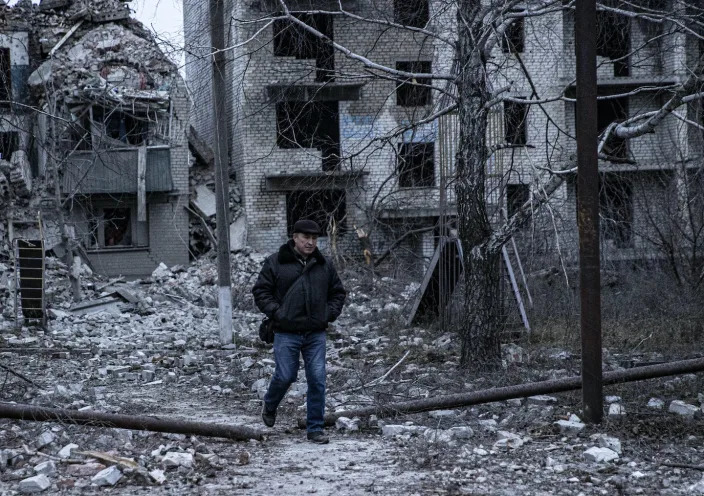
A man walks amid buildings damaged by Russian missiles in Ukraine on Nov. 28, 2022. <a href=
A man walks amid buildings damaged by Russian missiles in Ukraine on Nov. 28, 2022. Metin Aktas/Anadolu Agency via Getty Images

With Russian troops digging trenches to prepare for an expected winter standoff, it would be easy to conclude that fighting will slow in Ukraine until after the ground thaws in the spring.

But evidence from the Ukrainian battlefields point to a different trajectory.

As a career U.S. special forces officer who conducted field research on the 2008 and 2014 wars in Georgia and Ukraine, it is my view that this war has demonstrated that only one side, the Ukrainians, can execute effective combat maneuvers. I believe that the Ukrainians will attempt to launch a large-scale counteroffensive in late winter when the ground is still frozen.

Winter’s impact on war

Historically, the pace of fighting does slow in the winter.

Weapons and other equipment can freeze up in extreme cold, and it’s much more difficult to shoot a weapon while wearing thick gloves.

Shorter days are a factor. Despite technological advances, most of the fighting during this war has occurred during the day.

But this winter may be different for the Ukrainian military.

First, Ukrainian winters are not nearly as cold and snowy as many believe.

Donetsk, for example, has an average temperature of nearly 25 degrees Fahrenheit (-4 degrees Celsius) in January and February.

Its snowiest month, January, averages only 4.9 inches of snow, or .12 meters. Both January and February average just as many rainy days as snowy days – roughly two days of each.

A brief history of Russian attack

Since the invasion began in February 2022, Russia made most of its gains in the first month of the war when it seized Kherson, surrounded Mariupol, and was on the doorsteps of Kyiv and Kharkiv.

But Russia soon gave up on Kyiv and withdrew all its forces from the north.

Failing to achieve quick victory, Russia instead settled on making incremental gains in the east and south. Over the next five months, Russia captured Mariupol, but little else of tactical or strategic value.

During this time, Ukraine built up its combat power with new weaponry from the West and planned a large counteroffensive, which it initiated on Aug. 28, 2022.

In the first week of the counteroffensive, Ukraine liberated more territory than Russia had captured in the previous five months.

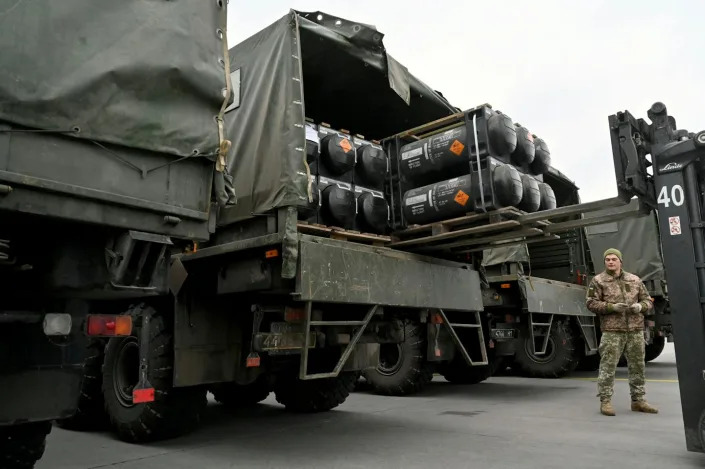
A Ukrainian serviceman loads a truck with American Javelin anti-tank missiles on Feb. 11, 2022. <a href=
A Ukrainian serviceman loads a truck with American Javelin anti-tank missiles on Feb. 11, 2022. Sergei Supinsky/AFP via Getty Images)

The success of the counteroffensive showed that Ukraine’s military was superior to Russia’s in every category with the exception of size. It had better doctrine, leaders, strategy, culture and will – and it had just proved that it could effectively fight battles with a combination of artillery, tanks, soldiers and air attacks.

By Sept. 12, 2022, Ukraine had liberated much of Kharkiv Oblast as Russian troops routinely fled from their positions.

After liberating the entirety of Kharkiv Oblast in early October 2022, Ukraine turned its attention to Kherson in the south. This was a different fight, and in some ways Ukraine’s military followed Chinese military strategist Sun Tzu’s axiom of “winning without fighting.”

The Ukrainians were able to conquer much of the territory without using many troops on the ground.

Instead, Ukraine used long-range rockets supplied by the U.S. and NATO allies to bombard Russian bases and supply lines that were previously unreachable. These attacks left Russian forces west of the Dnipro River in an untenable position.

Realizing this, Russia shockingly announced on Nov. 9, 2022, that it was withdrawing from Kherson. Two days later, Russia had completed its withdrawal from the west bank of the river.

What to expect from Russia

Over the course of the war, Russia has demonstrated little ability to conduct effective combat operations. This is not something that Russia can change overnight or over the course of the winter.

Russia’s best forces have been decimated throughout the conflict, and it is now increasingly relying on untrained conscripts.

Likewise, Russia is exhausting much of its weaponry as international sanctions against them are limiting Russia’s wartime production. Aside from Iran, few nations are providing military aid to Russia.

Russia’s military is now less trained, has lower morale, and has significantly fewer weapons and less ammunition than it had at the beginning of the current war.

As a result, Russia lacks the ability to conduct large-scale attacks, and it is left with little option but to continue what it has been doing: conducting missile strikes against targets that are either defenseless or offer little strategic value.

Limiting Russia’s options further, these strikes have been less effective as the war has progressed.

Early in the war, most of Russia’s missiles made it through Ukraine’s limited air defenses. With the help of western air defense systems, Ukraine was shooting down 50% of Russian missiles in October and is now intercepting over 80% of them.

Winter should not affect these types of combat operations.

But snow will have an impact on Russia’s already stressed and underperforming logistical system, and the cold will further lower – if that is possible – the already low morale of Russia’s poorly outfitted and undertrained soldiers.

What to expect from Ukraine

As the smaller military, Ukraine cannot afford to take heavy losses.

Thus far, it has used a strategy of defending territory when it could, retreating when it should to preserve combat power, and attacking when the opportunities have presented themselves.

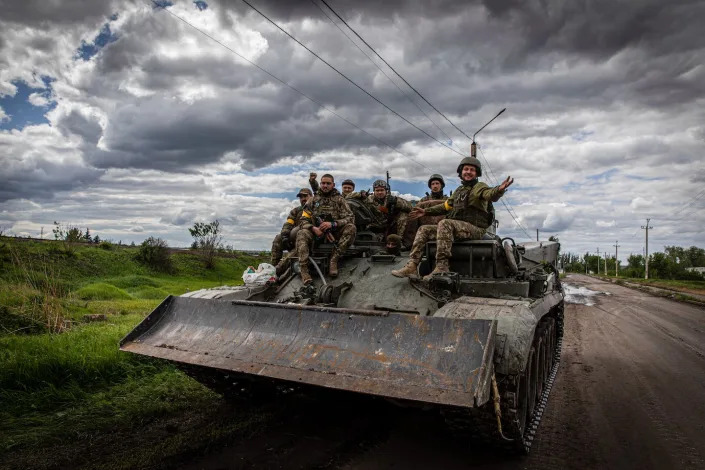
Ukrainian soldiers sitting on an armored vehicle near the the Russian front line in Donetsk in May 2022. <a href=
Ukrainian soldiers sitting on an armored vehicle near the the Russian front line in Donetsk in May 2022. Alex Chan Tsz Yuk/SOPA Images/LightRocket via Getty Images

Ukraine effectively employed this strategy to defend Kyiv in the first month of the war and during the September 2022 counteroffensive to reclaim the Kharkiv and Kherson oblasts.

An important question must be asked. Why did it take six months for Ukraine to launch its counteroffensive?

One reason is that Ukraine had to wait several months for promised Western aid to arrive at its bases. In my view, a significant factor is the lengthy amount of time it takes to plan large counteroffensives and to position supplies, equipment and forces.

The fact that Ukraine conducted the counterattacks in succession suggests that Ukraine lacks the combat power to conduct two large-scale counterattacks at the same time.

Ukraine is going to need time to regroup, refit and plan for its next large-scale operation.

Thus, it seems reasonable that Ukraine will have to wait at least 30 to 45 days – maybe more – before it is ready to execute its next counteroffensive, which would be in the heart of winter.

While conducting an attack in winter may be difficult, off-road movement in the spring could become impossible, as the Russians discovered during their initial invasion in muddy and wet terrain.

It seems reasonable to conclude that Ukraine may wish to initiate its next counteroffensive while the ground is still frozen – and Russian troop morale is at its lowest point since the invasion.

Congrats to Raphael Warnock. But Herschel Walker should never have even gotten close

The Kansas City Star

Congrats to Raphael Warnock. But Herschel Walker should never have even gotten close

The Kansas City Star Editorial Board – December 7, 2022

John Bazemore/The Associated Press

If you listened closely, you could hear millions of Americans sighing with relief Tuesday night, as the results from Georgia’s runoff Senate election came in.

It was close, but not too close. At night’s end, Sen. Raphael Warnock, a Democrat, bested opponent Herschel Walker, the Republican, by a margin of almost 3%.

Warnock adds to the Democrats’ majority in the Senate, 51 seats to 49. That will help the party in some ways, although faced with a Republican House majority and the filibuster, real legislative progress over the next two years will be difficult.

No. America’s deep breath wasn’t based on blue versus red politics, but on a firm understanding that Walker should never have been anywhere near a U.S. Senate seat. He may have been the worst major party Senate candidate in modern history.

The former football star repeatedly demonstrated a lack of understanding of the basics of American constitutional government, committing gaffe after gaffe that revealed his utter lack of preparation for public office.

He ducked interviews. On GOP-friendly Fox News, he needed assistance from Sen. Lindsey Graham and others. His personal challenges, involving alleged abuse of spouses and girlfriends and children, became common knowledge.

Not even the most Walker-friendly Georgians could have believed that a U.S. Senate seat was the highest and best use of Walker’s abilities. Yet he still earned more than 1.7 million votes, an astonishing number. How did that happen?

Part of the answer may be Walker’s celebrity — college football is a pretty big part of many Georgians’ lives. The more disturbing answer is the hundreds of thousands of Georgians who apparently cared more about the R next to Walker’s name than his character, experience or preparation for the job.

He may be a disaster, those voters seemed to be saying, but he’s our disaster.

The nation’s founders would be aghast. They believed character was immensely more important than party, which they resisted and feared. They believed in a government of wise men (and, of course, it was only men at the time).

That idea has been turned on its head. Donald Trump is the worst example of partisanship overwhelming character and personal integrity, but Walker — endorsed by Trump — was in the running for the same trophy.

Of course, Walker lost. And Trump, for all his bluster, has never won a popular vote. We can take some comfort in that.

Perhaps Tuesday’s results offer a reassuring sign that a majority of voters, albeit a slim majority, still believe that quality trumps party — whether it’s in Kansas, where Democratic Gov. Laura Kelly won a second term in a state dominated by Republicans, or in Deep South Georgia, where many Republicans crossed party lines to vote for Warnock, the Democrat.

Certainly, Republicans around the country should engage in rethinking its approach to these races, and others. That’s true in purely political terms: Republicans are losing voters in suburban places (see, for example, Johnson County, Kansas) precisely because residents have grown tired of Trumpesque bluster, or Walker-like incompetence.

It’s also true morally. Republicans had to have known of Walker’s problems, yet they nominated him anyway. It was deeply cynical, and dangerous. This nation has serious problems, and Walker was never a serious candidate.

Congratulations to Sen. Warnock, whose election night promise to serve all Georgians was eloquent and welcome. The nation could use more people like him, and if Republicans push more people like Herschel Walker, the nation will get them.

Which Billionaire Owns The Most Land In The U.S.? Hint, It’s Not Bill Gates

Benzinga

Which Billionaire Owns The Most Land In The U.S.? Hint, It’s Not Bill Gates

AJ Fabino – December 7, 2022

Earlier this year, in May, claims were made that Microsoft Corp co-founder Bill Gates owned the majority of America’s farmland.

While that is false, with the billionaire amassing nearly 270,000 acres of farmland across the country, compared to 900 million total farm acres, a different billionaire privately owns 2.2 million acres, making him the largest landowner in the U.S.

John Malone, the former CEO of Tele-Communications Inc., which AT&T Inc. purchased for more than $50 billion in 1999, has a variety of ranching and real estate businesses, primarily in Maine, New Mexico, Colorado, and Wyoming.

Worth $9.6 billion, Malone, a media veteran, said he purchased the land because “they are not making it anymore.” He also owns three hotels in Dublin, Ireland, and a fourth in Limerick.

The current Liberty Media Corp chairman made the decision to put his billions of dollars in wealth into land after spending a summer working on a family farm in Pennsylvania.

Read also: Homebuilders Are Throwing Money At Buyers At A Furious Pace Just To Close A Sale, Data Finds

Bell Ranch in New Mexico, a 290,100-acre plain dotted with mesas, rimrock canyons, meadows, and a distinctive bell-shaped mountain, was one of his first significant acquisitions. In addition, Florida’s Bridlewood Farms is a noteworthy asset.

He now holds the title of the largest landlord in the US, surpassing Ted Turner, with a total of 2.2 million acres of crops, ranch property, and woodland.

Malone noted in a CNBC interview that preservation was his primary motivation for purchasing land, and he intends to purchase more. He said that his properties serve as a reliable source of income and a solid hedge against inflation.

Speaking of a hedge against inflation, did you know that you can invest as little as $100 into rental properties to earn passive income and build long-term wealth? Here’s how you can get involved right now.

“The conservation of lands is important,” the billionaire said. “That was a virus that I got from Ted Turner.”

He continued, “the forestry part of it in the Northeast is a pretty good business, with very low return on capital, but very stable and leverageable,” Malone said. “And we think it will provide good inflation protection in the long run. That’s basically the motivation there. It just seemed like a good thing to do.”

Nearly half of COVID patients worldwide still have symptoms after 4 months

Fortune

Nearly half of COVID patients worldwide still have symptoms after 4 months, according to a giant new study

Erin Prater – December 7, 2022

Hyoung Chang—The Denver Post/Getty Images

Almost half of COVID survivors globally—both children and adults—have lingering symptoms four months later, according to a landmark new study.

Researchers at the University of Leicester in England performed an analysis of nearly 200 studies of prior COVID patients, involving nearly 750,000 people in all. The patients—some of whom were hospitalized and some of whom weren’t—lived across the globe.

More than 45% of study participants had at least one lingering symptom four months out from their initial infection. A quarter of the patients reported fatigue, and a similar number said they felt pain or discomfort. Meanwhile, sleep issues, breathlessness, and problems participating in normal daily activities were reported in just under a quarter of patients, according to the study.

Often, no clinical abnormalities could be found to explain such symptoms. But some signs were reported in many patients who had been hospitalized with COVID, including changes in lung structure and function. An abnormal CT scan and/or X-rays were found in nearly half of previously hospitalized patients, in addition to a decreased capacity to diffuse carbon monoxide in nearly a third of patients.

“Changes in pulmonary function are similar to those observed following other viral infections including SARS and MERS,” the authors wrote.

When nonhospitalized COVID survivors were singled out, more than a third of them had lingering symptoms at four months, the study found.

“The reasons as to why so many patients are experiencing long COVID remains unknown,” the authors wrote, adding that possible causes include organ damage, inflammation, altered immune systems, and psychological effects.

While some studies have found a higher rate of long COVID in females, the study out of Leicester didn’t find that any particular age group or gender experienced higher rates of the disabling condition. Researchers weren’t able to reliably assess any potential association with race, as only a quarter of studies examined provided participants’ race or ethnicity.

Nearly 20% of American adults who’ve had COVID—an estimated 50 million—report having long COVID symptoms, according to data collected by the U.S. Census Bureau this summer.

Long COVID is roughly defined as symptoms that persist or appear long after the initial infection is gone, but a consensus definition has not yet been broadly accepted. Many experts contend that long COVID is best defined as a chronic-fatigue-syndrome–like condition that develops after COVID illness, similar to other post-viral syndromes that can occur after infection with herpes, Lyme disease, and even Ebola. Other post-COVID complications, like organ damage and post–intensive-care syndrome, should not be defined as long COVID, they say.

US sees worst flu outbreak in 10 years: Which states are being hit hardest by ‘tripledemic’?

Today
US sees worst flu outbreak in 10 years: Which states are being hit hardest by ‘tripledemic’?

Linda Carroll – December 6, 2022

Fears of a “tripledemic” in the U.S. seem to be coming to true, as flu hospitalizations hit their highest level in a decade, COVID cases rise following Thanksgiving gatherings, and respiratory syncytial virus (RSV) continues to sicken children across the country.

“This year’s flu season is off to a rough start,” Dr. Sandra Fryhofer, board chair of the American Medical Association, said at a Dec. 5 press briefing hosted by the Centers for Disease Control and Prevention. “Flu is here. It started early, and with COVID and RSV also circulating, it’s a perfect storm for a terrible holiday season.”

While cases of RSV, which have been straining children’s hospitals since the early fall, may have peaked in some parts of the country, flu activity is surging ahead of schedule, CDC director Dr. Rochelle Walensky said at the briefing. And the number of new COVID-19 cases per day has increased 16% over the past two weeks, according to NBC News’ tally.

Inpatient hospital beds in the U.S. are currently about 78% full, per data from the Department of Health and Human Services. Ten states are reporting their pediatric hospital beds are 90% full or higher, according to an NBC News analysis.

The continued shortage of health workers is also making this winter a difficult one for illnesses. Even prior to the pandemic, there were already too few health workers to go around, but it’s gotten worse in the years since. In fact, TODAY.com previously reported that some hospitals have beds available but no staff to care for those patients.

What is a tripledemic?

The tripledemic of 2022 refers to the possibility that COVID-19, seasonal influenza and RSV will all surge at the same time. COVID-19 and the flu are certainly on the upswing, but RSV may be slowing down, per CDC data. That said, all three viruses are still continuing to cause widespread illness.

In early October, cases of respiratory viruses, including RSV, were already causing many children’s hospitals to reach capacity, with one facility in Connecticut reporting its worst RSV surge in 25 years, TODAY.com previously reported. Data from the Centers for Disease Control and Prevention show that RSV hospitalization rates are much higher this year than in the past, but are starting to decline.

Related: Where are kids most likely to get RSV?

The number of positive RSV tests in the U.S. fell from over 19,000 the week ending Nov. 12 to 7,500 the week ending Nov. 26, per CDC data. At the Dec. 5 briefing, Walensky said RSV cases have peaked in the South and Southeast and plateaued in the Mid-Atlantic, New England and Midwest. It’s not clear if the trend will hold, however.

“RSV is usually seen in January and February,” Dr. Roberto Posada, a professor of pediatrics at Mount Sinai Kravis Children’s Hospital in New York City, tells TODAY.com. “We hadn’t seen that much in the way of RSV and even influenza over the past two years, and that may be because of masking and people not getting together.” Because of that, people have less immunity at a time when they are gathering more and masking less, Posada explains.

Influenza is also on the rise, with the U.S. seeing the highest number of hospitalizations for this time of year in a decade, NBC News reported. Roughly 78,000 people have been hospitalized with flu and 4,500 have died since early October, NBC News reported. The number of flu hospitalizations in the U.S. doubled from the second-to-last week in November to the last. Since Oct. 1, the flu has caused 8.7 million illnesses; for context, 9 million illnesses were reported for the entire 2021-2022 flu season.

And third, putting the “triple” in “tripledemic,” is the steady increase in COVID-19 cases since the Thanksgiving holiday. In addition to the increase in daily new cases recorded by the NBC News tally, daily COVID-related hospital admissions increased 18% from the week ending Nov. 22 to the week ending Nov. 29, per CDC data. Experts previously told TODAY.com that it’s likely cases will continue to increase as people gather for Christmas and New Year’s and spend more time indoors as temperatures drop.

“If you add an omicron surge to the current RSV surge, there’s no place … to put another 50 kids that need to be admitted to the hospital,” Dr. Jason Newland, professor of pediatric infectious diseases at Washington University School of Medicine in St. Louis, tells TODAY.com.

Even though flu and RSV may be a bit early, it’s typical in winter to see a surge of these viruses, Dr. Michael Angarone, associate professor of infectious diseases at Northwestern Medicine in Chicago, tells TODAY.com. But this year is likely to be different: “What we are worried about is having the typical cold and flu seasons combined with SARS-CoV-2,” he says.

The real fear around a tripledemic is the possibility that the three viruses will peak at the same time and inundate hospitals, filling every bed and stretching staff thin, Posada adds.

What parts of the U.S. are highest risk for a tripledemic in 2022?

RSV, COVID-19 and flu are more likely to have a severe impact on parts of the country that are colder, Dr. David Buchholz, a pediatrician and founding medical director of primary care at Columbia University in New York City, tells TODAY.com.

When the air is frigid, people are more likely to huddle indoors and keep their windows closed, which makes transmission of the viruses more likely, Buchholz says. “Where it’s warmer, people are more likely to spend time outdoors and open their windows,” he adds.

Another factor pumping up the spread of these three bugs in cold climates is the viruses’ affinity for cool, dry air, Dr. Timothy Brewer, professor of medicine and epidemiology at University of California, Los Angeles, tells TODAY.com. In fact, this phenomenon may explain the burst of flu activity in Texas and the Southeast in early November, which experienced a cold snap right before, he says.

As of the week ending in Nov. 26, all but five states are experiencing “high” or “very high” flu activity, the CDC reported. Based on the CDC’s flu activity ranking by level, New Hampshire is the only state at level 1 (also called “minimal”), and 11 states are at the highest level recorded so far, 13. These are:

  • California
  • Colorado
  • Kentucky
  • Nebraska
  • New Mexico
  • Ohio
  • South Carolina
  • Tennessee
  • Texas
  • Virginia
  • Washington

Brewer also says the parts of the U.S. with the lowest vaccination rates against COVID-19 and flu “will most likely get into trouble with these viruses,” he said. (There’s no vaccine against RSV.)

Many of the Mountain and Southern states have low vaccination rates against COVID-19, per CDC data; in 15 states, including Idaho, Alabama, South Carolina, Wyoming, Tennessee and Mississippi, less than 60% of the eligible population completed the primary series, which is approved for everyone 6 months and older.

Only about 13% of the population has received the updated booster shot targeting the omicron variant, approved for people 5 and up. All COVID-19 variants circulating right now come from omicron. The CDC announced Nov. 22 that the updated booster is more effective at preventing symptomatic COVID infections in the real world than earlier doses. White House COVID-19 response coordinator Dr. Ashish Jha called it “the best protection for this winter.”

Flu shot distribution is also lagging across the country. As of the week ending Nov. 26, the immunization rate is lower than at the same point in the previous two seasons. These states had the lowest flu vaccination rates during last year’s season, according to data from the Kaiser Family Foundation:

  • Mississippi
  • Wyoming
  • Nevada
  • Idaho
  • Florida
How to protect yourself during a tripledemic

The best way for people to protect themselves amid the possibility of a tripledemic is to get the latest COVID-19 booster and a flu shot, Angarone says. So far, it looks like the flu vaccine this year is a good match to the strains of influenza virus currently circulating, Brewer adds. There’s no vaccine for RSV, but one could be on the horizon.

Even though most people will not experience severe symptoms with RSV and the flu, “we have to be aware of others when we are sick,” Angarone says. “Even though it’s not COVID-19, you probably should not go to work and get your colleagues sick. You should make sure you are washing your hands.”

Some experts have also continued to recommend masking and opening windows at indoor, crowded events, as well as taking a rapid COVID test before holiday gatherings.

For parents of young or immunocompromised children, it’s also important to know the signs of a severe RSV infection and when to seek medical care, TODAY previously reported. These are:

  • Having trouble breathing, such as the skin around the ribs sucking in or the nostrils flaring when the child tries to breathe.
  • Grunting in babies, or difficulty speaking in older kids.
  • Diminished number of wet diapers and other signs of dehydration.
  • Increased or persistent lethargy, such as a child being difficult to wake.
  • Any sign of blue around the lips.
  • Irritability, such as crying that won’t stop.

The good news is RSV and influenza aren’t new, so we know how to prevent and treat them, and there are vaccines available to protect against two of the three viruses that contributing to the tripledemic.

Forget diets: This is how to lose weight and keep it off for good

Today

Forget diets: This is how to lose weight and keep it off for good

Kristin Kirkpatrick – December 6, 2022

Losing weight is notoriously difficult. And as hard as it is to get the scale to tick down, it’s even harder to keep the weight off. Unfortunately, recent studies show that most of us will put weight back on in two years. By five years, almost all of it may come back. Further, many people end up gaining more weight than they lost.

But keeping your focus on the end goal — better health and longevity — may increase your odds more than any extreme diet and fitness regime. In fact, the path to maintaining a healthy weight starts long before you get close to your goal weight. Here are some evidence-based ways to approach weight loss and maintenance in a healthy way.

Don’t fixate on the number on the scale

When I see patients for the first time, we discuss their health goals. The truth is that most people are aiming for a particular number. “I want to lose this many pounds,” or “I want to reach this number on the scale.” But fixating on a goal weight may work against a lot of us. Studies show that focusing on the numbers that speak to overall health may be more impactful in sustained behavior change. So, throw out the scale and focus on your lipid panel, your blood-sugar numbers, or perhaps even your inflammation markers.

Paying attention to health, rather than weight can shift the reason why you want to drop pounds in the first place. Other quality of life parameters — like better sleep, less chronic pain or increased energy —can all be major motivation for changing your habits. Finally, if you must rely on a scale, choose an option that assess body fat and muscle mass.

Learn from weight maintenance warriors 

Multiple studies have tried to demystify why one person succeeds at weight loss while another doesn’t. Two studies in the journal Obesity surveyed almost 6,000 individuals who had participated in a structured weight-loss program. The surveyed participants lost on average 50 pounds and kept their weight off for three years or more.

Based these studies, as well as previous data, people who were successful at losing weight and keeping it off did these things:

  • Made healthy food choices most of the time — and found that these choices effortless and “unconscious.”
  • Self-monitored and journaled about their food intake.
  • Consumed lower calorie, yet higher nutrient dense foods.
  • Engaged higher levels of physical activity.
  • Made continued goal setting a priority.
  • Celebrated their past achievements and embraced their current health.

Another crucial component of weight loss success was mindset — especially in the face of challenges and adversity. While both health and appearance were significant motivating factors, greater confidence and being more mentally and physically fit topped the list for being able to maintain healthy habits.

Move more

Exercise, as it turns out, is not the secret weapon to successful weight loss. When it comes to weight loss, your diet has been found to play a much more significant role in terms of pounds lost. However, when it comes to keeping those pounds from coming back, you need to move more.

A recent study from the University of Colorado found that when individuals engaged in physical activity, they maintained more steps per day (about 12,000) and maintained a higher energy expenditure. Another study published in the Archives of Internal Medicine found that in order to maintain weight loss, women needed to exercise at least 55 minutes, five days per week. This recommendation surpasses the current guidelines for exercise, which calls for only 150 minutes of moderate physical activity throughout the week and two days of muscle-building training.

Adding protein to each meal — like enjoying an egg white omelet for breakfast — has been shown to help maintain weight loss. (Sergio Amiti / Getty Images)
Fall in love with protein

2020 study in the Journal of Nutrition found that high-protein diets were associated with greater success in maintaining weight loss. The study showed that having more protein often counteracted the process of adaptive thermogenesis — a state where the body adapts to a new weight by altering energy expenditure. An easy way to up your protein intake is to add some kind of protein to every meal and snack. For example, consuming eggs whites at breakfast, hummus for a snack and wild salmon for dinner.

Assess your social circle

If you’ve ever had a friend tell you that “one bite of something won’t kill you,” you know that your loved ones can have a major influence on your health habits. A study from The University of North Carolina found that individuals that lose weight may face a “lean stigma” where friends and family consciously or unconsciously sabotage or undermine efforts of the successful weight loss.

Researchers found that effective communication techniques were one way to mitigate comments and discouraging attitudes from friends and family. For example, telling loved ones ahead of time your motivation to lose weight or communicating weight-loss efforts as a way to obtain better health — and not better appearance — is a good way to let your loved ones know why your health goals are important to you.

Accept the fact that there’s no magic weight loss fix

“Unfortunately, there’s no magic bullet to lose weight quickly and sustainably,” Samantha Cassetty, a registered dietitian and author of “Sugar Shock,” told TODAY.com. “Some people like the idea of a jump-start plan, which may involve fewer calories or carbs as you’re starting out. If that helps you feel motivated and get in the right mindset to form lasting habits, go for it. But for permanent weight loss, be realistic about what you can sustain,” Cassetty explained.

Also, Cassetty added, it’s important to keep in mind that when you fast weight loss, you might overlook behaviors that need to be addressed — such as nighttime snacking or eating when you’re bored. Cassetty said that a jump-start plan probably doesn’t include your favorite foods, but it’s much more realistic to learn how to live with indulgences than to try to avoid them forever. “Overly restricting less healthy foods can be stressful, which can stall weight loss efforts,” said Cassetty.

Embrace your body — and adapt to it when it changes

Studies indicate that frequent attempts to lose and then regain weight (often referred to as yo-yo dieting) can have an adverse impact on health and lead to an increased risk of further weight gain. A 2016 study showed that repeated dieting could cause the brain to think it’s going through periods of famine. In response, the body continues to work toward fat storage to prepare for the next round. The body adapts and becomes efficient at the current lower weight, and if you don’t adapt with it, you will most likely gain the weight back.

Imagine putting on a 20-pound vest and taking a walk around the block. The walk would be challenging, and you may have to work harder during the activity. Exertion is higher, and with it so are the calories you are burning as well. Now imagine taking the vest off. The body does not have to work that hard anymore to get you around the block. If you’ve lost 50 pounds, and changed nothing in your physical activity or eating habits, you are more likely to gain that weight back. Your metabolism works with the new weight, so constant adaptation is essential.

Let go of the idea that you can target belly fat

There’s a lot of trending advice about how to lose belly fat, but the truth is that it’s difficult to target weight loss. “If you lose weight, you will lose fat in your midsection, but it’s impossible to target belly fat,”Cassetty told TODAY. However, belly fat tends to respond well to modifications in your diet and activity, Cassetty explained. “And there’s evidence that when your waist shrinks, cholesterol and blood sugar levels improve,” she said.

If you experience, belly-specific health issues, you may need to address those. “If your belly seems bigger after you eat and you experience painful bloating, it could be a sign of a food sensitivity or gut health problem,” Cassettty said. “If this is the case, consult with your healthcare provider to determine the cause and treatment plan.”

Take a break from dieting

If your idea of weight loss and weight maintenance is a “diet,” then studies show you are likely bound for failure. A 2017 randomized controlled trial found that individuals that took breaks from dieting were more likely to lose weight and keep it off. The cornerstone of dieting is often restriction. The more restricted, the less we lose. So, take a break from diets and embrace lifestyle changes instead.

Weight loss — especially when the reduction occurs in the midsection — can have a significant impact on health and longevity, though. When you focus on longevity, happiness and increased energy, your reasons for losing the weight in the first place will be clear and your ability to maintain better health will be easier.