Beavers are moving into the warming Arctic. It could be a threat like ‘wildfire.’

USA Today

Beavers are moving into the warming Arctic. It could be a threat like ‘wildfire.’

Sharon Levy – December 10, 2022

It began decades ago, with a few hardy pioneers slogging north across the tundra. It’s said that one individual walked so far to get there that it rubbed the skin off the underside of its long, flat tail. Today, its kind have homes and colonies scattered throughout the tundra in Alaska and Canada — and their numbers are increasing. Beavers have found their way to the far north.

It’s not yet clear what these new residents mean for the Arctic ecosystem, but concerns are growing, and locals and scientists are paying close attention.

Researchers have observed that the dams beavers build accelerate changes already in play due to a warming climate. Indigenous people are worried the dams could pose a threat to the migrations of fish species they depend on.

“Beavers really alter ecosystems,” says Thomas Jung, senior wildlife biologist for Canada’s Yukon government. In fact, their ability to transform landscapes may be second only to that of humans: Before they were nearly extirpated by fur trappers, millions of beavers shaped the flow of North American waters. In temperate regions, beaver dams affect everything from the height of the water table to the kinds of shrubs and trees that grow.
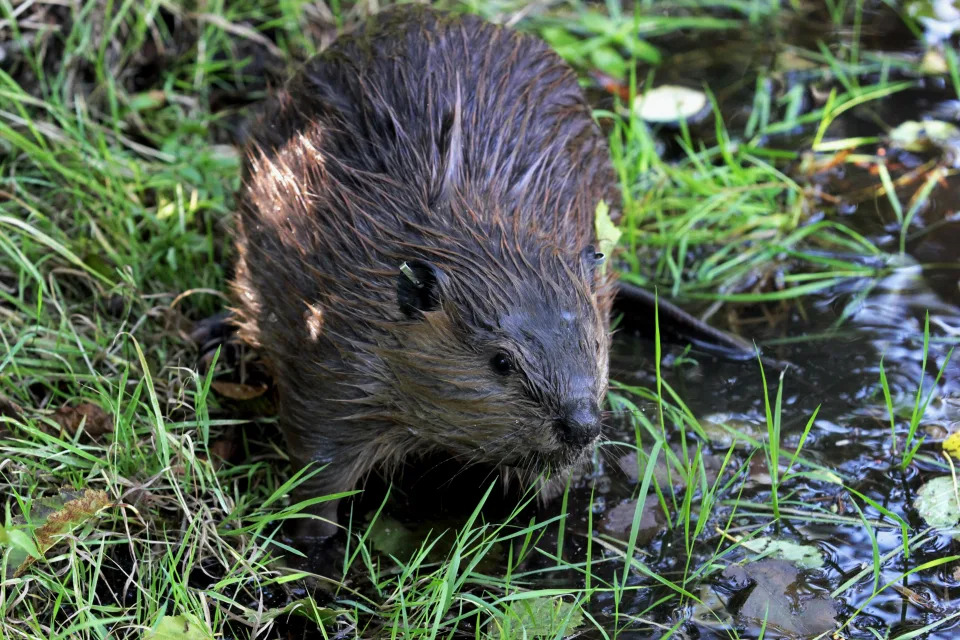
In this Sept. 12, 2014, photo, a tagged young beaver explores water hole near Ellensburg, Wash., after he and his family were relocated by a team from the Mid-Columbia Fisheries Enhancement Group.

Until a few decades ago, the northern edge of the beaver’s range was defined by boreal forest because beavers rely on woody plants for food and material to build their dams and lodges. But rapid warming in the Arctic has made the tundra more hospitable to the large rodents: Earlier snowmelt, thawing permafrost and a longer growing season have triggered a boom in shrubby plants like alder and willow that beavers need.

Aerial photography from the 1950s showed no beaver ponds at all in Arctic Alaska. But in a recent study, Ken Tape, an ecologist at the University of Alaska Fairbanks, scanned satellite images of nearly every stream, river and lake in the Alaskan tundra and found 11,377 beaver ponds.

Further expansion may be inevitable.

How does climate change affect you? Subscribe to the weekly Climate Point newsletter

Beaver hotspots

All these new dams could do far more than alter the flow of streams. “We know that beaver dams create warm areas,” Tape explains, “because the water in the ponds they create is deeper and doesn’t freeze all the way to the bottom in the winter.” The warm pond water melts the surrounding permafrost; the thawed ground, in turn, releases long-stored carbon in the form of the greenhouse gases carbon dioxide and methane — contributing to further atmospheric warming.

While changes to the Arctic brought on by warming will happen with or without beavers, the fragility of the far-north ecosystems leaves them especially vulnerable to the kinds of disturbances beavers may cause. In fact, the tundra may be the environment most threatened by climate change on the planet, according to paleobotanist Jennifer McElwain of Trinity College Dublin, author of an article about plant reactions to ancient warming episodes in the Annual Review of Plant Biology.

READ MORELatest climate change news from USA TODAY

McElwain and her colleagues examine fossil leaves and use the number and size of pores, or stomata, on the leaves to infer the level of carbon dioxide in the atmosphere those plants breathed. “When there’s very high carbon dioxide atmospheres, you see plants with bigger and fewer stomata,” she explains. At times when atmospheric CO2 was higher than around 500 ppm, forests grew in the high Arctic.

“During greenhouse intervals in the Earth’s deep past, we have forested ecosystems all the way up to 85, 86 degrees north and south latitude,” McElwain says. There were no places on Earth where the climate was too cold for trees to grow during these times. And where there are trees, the animals that depend on them — such as beavers — can thrive. In fact, there is evidence that a forested Arctic is where the beaver’s dam-building skills first evolved, millions of years ago (see sidebar).

In the past, as now, the polar regions warmed faster than the rest of the planet because heat is carried poleward by the global circulation patterns of the oceans and atmosphere. And since human combustion of fossil fuels has now pushed atmospheric COlevels to 415 ppm and climbing, the spread of shrubs and trees onto today’s warming tundra appears unavoidable — as does the spread of animals that need those plants to survive.

Tape has tracked both beavers and other creatures that have moved north onto the tundra in the wake of climate change, including moose that feast on tall, dense growths of shrubs that didn’t exist there 70 years ago. But the impact of beavers on the landscape is unique.

“It’s best to think of beavers as a disturbance,” Tape says. “Their closest analogue is not moose. It’s wildfire.”

CLIMATE POINT: Feds make big commitments to tribal communities and the Salton Sea

Meet the new neighbors

Scientists like Tape are only just beginning to study what that disturbance means for other Arctic animals, including fish and the people who depend on them.

Inupiat people near Kotzebue in northwest Alaska first noticed beavers living in local streams in the 1980s and 1990s. Inuvialuit hunters on the north slope of the Yukon saw their first beaver dams in 2008 and 2009. Because beavers can have such a dramatic impact on the landscapes they inhabit, seeing these animals in the fragile tundra ecosystem sparked concern.

“The Inuvialuit and Inuit people that I’ve heard from do have some big questions about what changes will happen because of beaver arriving in the Arctic,” says the Yukon biologist Jung.

Those concerns have grown as the beaver numbers increased. Tape and his colleagues’ work tracking the expansion of the beaver population has shown that the tundra around Kotzebue hosted only two beaver dams in 2002, but had 98 dams by 2019. In the adjacent Baldwin Peninsula, he has seen the number of dams grow from 94 to 409 between 2010 and 2019.

READ: Native villages fleeing climate change effects get millions in aid from Biden administration

But how the beavers will affect specific areas and species in the Arctic is an open question.

In the beaver’s traditional range, which before the arrival of fur trappers stretched from south of the Arctic tundra to northern Mexico and from the Pacific to the Atlantic, the dams they build provide a haven from predators as well as habitat for an array of creatures, including insects, frogs and songbirds. Scientists have come to view their landscape engineering as beneficial, and even critical in some vulnerable ecosystems. In many places south of the tundra, conservationists have moved to protect and reintroduce beavers to restore stream and wetland habitats.

But in the Arctic, beavers are sometimes seen as unwelcome intruders that could disrupt life on the tundra. Beaver dams are already making hunting and fishing more difficult for some people in the Arctic, forcing them to portage their canoes around the dams, for example. But scientists are only beginning to investigate whether larger concerns about impacts on the health of both humans and fish are warranted. Studies are underway to see, for example, if beaver dams increase the risk of the parasite Giardia in tundra streams — a charge that has been leveled against beavers, which can carry  Giardia but are a less likely source of infection than humans, pets and livestock.

Some Indigenous people who live by fishing and hunting are worried that beaver dams may block the migration of fish like the Dolly Varden, an Arctic salmonid that lives in the ocean for part of its life cycle but spawns and overwinters in tundra streams. The fish may be able to cope, says Michael Carey, a research fish biologist with the US Geological Survey.

In northwestern Alaska where Carey studies Dolly Varden and Arctic grayling, almost all the beaver dams he’s seen are on small side channels. “We don’t see them cutting off the system for fish to migrate up and down,” he says.

It’s possible that beaver dams could actually benefit fish in some parts of the Arctic. On Alaska’s Seward Peninsula, researchers have found evidence that beaver dams create good rearing habitat for juvenile coho salmon. In northwest Alaska, Tape and his colleagues have found that the unfrozen water in beaver ponds creates potential refugia for Arctic fish.

As beavers settle in and their numbers increase, things may change. To understand the ongoing impacts of beavers’ range expansion, Tape has helped establish the Arctic Beaver Observation Network, and is participating in a roundtable discussion about beaver activities with native residents, land managers and research scientists in Yellowknife, Canada.

People in the Arctic are used to living with wildlife, but peacefully coexisting with beavers may require clever strategies that accommodate both species.

In 2010, for example, beavers settled in at Serpentine Hot Springs, an ancient cultural site in the Bering Land Bridge Natural Preserve in Alaska. Beaver dams have caused flooding of the bunkhouse there. The isolated spot can only be reached by plane or snowmobile, and a new beaver dam built in 2021 threatened to flood the runway, making it unusable. The National Park Service responded by installing a beaver flow device — a pipe built through the dam to moderate the water level in the beaver pond. This allows the animals to live there while protecting the runway — a win for beavers and people alike.

The beaver dam’s Arctic origins

Paleobiologist Natalia Rybczynski will never forget her first visit to the Beaver Pond fossil site on Ellesmere Island, in the Canadian High Arctic. “You’re standing there in barren tundra, but you look on the ground, and it’s got these pieces of trees with cut marks,” she says. “There’s this whole different forest ecosystem” — one in which tree-gnawing beavers thrived.

Beavers first reached the North American Arctic from Eurasia by crossing the Bering Land Bridge perhaps 7 million years ago, when global temperatures and levels of atmospheric CO2 were higher, enabling forests to grow at high latitudes.

Rybczynski, now with the Canadian Museum of Nature, believes high-latitude forests are where the beaver’s dam-building skills evolved, driven by the need to adapt to cold, dark winters. Caching willow branches in water for winter food may have come first; heaped branches would have acted as weak dams. Over time, the beavers developed complex dam-building behaviors and a whole survival strategy centered on dams.

The Beaver Pond site also holds bones of Dipoides, an extinct beaver species that lived around 3.9 million years ago. It was about two-thirds as large as a modern beaver and had less powerful jaws. But the patterns of cut sticks and sediments found with the bones show strong similarities to those left behind at a 9,400-year-old fossil dam built by members of the modern genus of beaver,  Castor, in northeast England. This suggests that  Dipoides were also builders, and if the assemblage on Ellesmere Island was a dam,  it would be the oldest one yet found.

This article originally appeared in Knowable Magazine, an independent journalistic endeavor from Annual Reviews. Sign up for the newsletter.

Kansas residents hold their nose as crews mop up massive U.S. oil spill

Reuters

Kansas residents hold their nose as crews mop up massive U.S. oil spill

Erwin Seba and Nia Williams – December 10, 2022

Investigators, cleanup crews begin scouring oil pipeline spill in Kansas

WASHINGTON, Kan. (Reuters) -Residents near the site of the worst U.S. oil pipeline leak in a decade took the commotion and smell in stride as cleanup crews labored in near-freezing temperatures, and investigators searched for clues to what caused the spill.

A heavy odor of oil hung in the air as tractor trailers ferried generators, lighting and ground mats to a muddy site on the outskirts of this farming community, where a breach in the Keystone pipeline discovered on Wednesday spewed 14,000 barrels of oil.

Pipeline operator TC Energy said on Friday it was evaluating plans to restart the line, which carries 622,000 barrels per day of Canadian oil to U.S. refineries and export hubs.

“We could smell it first thing in the morning; it was bad,” said Washington resident Dana Cecrle, 56. He shrugged off the disruption: “Stuff breaks. Pipelines break, oil trains derail.”

TC Energy did not provide details of the breach or say when a restart on the broken segment could begin. Officials are scheduled on Monday to receive a briefing on the pipeline breach and cleanup, said Washington County’s emergency preparedness coordinator, Randy Hubbard, on Saturday.

OIL FLOWS TO CREEK

Environmental specialists from as far away as Mississippi were helping with the cleanup and federal investigators combed the site to determine what caused the 36-inch (91-cm) pipeline to break.

Washington County, a rural area of about 5,500 people, is about 200 miles (322 km) northwest of Kansas City.

The spill has not threatened the water supply or forced residents to evacuate. Emergency workers installed booms to contain oil that flowed into a creek and that sprayed onto a hillside near a livestock pasture, said Hubbard.

TC Energy aims to restart on Saturday a pipeline segment that sends oil to Illinois, and another portion that brings oil to the major trading hub of Cushing, Oklahoma, on Dec. 20, Bloomberg News reported, citing sources. Reuters has not verified those details.

It was the third spill of several thousand barrels of crude on the 2,687-mile (4,324-km) pipeline since it opened in 2010. A previous Keystone spill had caused the pipeline to remain shut for about two weeks.

“Hell, that’s life,” said 70-year-old Carol Hollingsworth of nearby Hollenberg, Kansas, about the latest spill. “We got to have the oil.”

TC Energy had around 100 workers leading the cleanup and containment efforts, and the U.S. Environmental Protection Agency was providing oversight and monitoring, said Kellen Ashford, an EPA spokesperson.

U.S. regulator Pipeline and Hazardous Materials Administration (PHMSA) said the company shut the pipeline seven minutes after receiving a leak detection alarm.

CRUDE BOTTLENECK

A lengthy shutdown of the pipeline could lead to Canadian crude getting bottlenecked in Alberta, and drive prices at the Hardisty storage hub lower, although price reaction on Friday was muted.

Western Canada Select (WCS), the benchmark Canadian heavy grade, for December delivery last traded at a discount of $27.70 per barrel to the U.S. crude futures benchmark, according to a Calgary-based broker. On Thursday, December WCS traded as low as $33.50 under U.S. crude, before settling at around a $28.45 discount.

“The real impact could come if Keystone faces any (flow) pressure restrictions from PHMSA, even after the pipeline is allowed to resume operations,” said Ryan Saxton, head of oil data at consultants Wood Mackenzie.

(Reporting by Erwin Seba in Washington, Kansas, and Nia Williams in Calgary, Alberta;Additional reporting by Arathy Somasekhar in Houston, Rod Nickel in Winnipeg and Stephanie Kelly in New YorkEditing by Gary McWilliams, Stephen Coates and Matthew Lewis)

Tornadoes, blizzard conditions, floods all possible from upcoming massive storm in central US

AccuWeather

Tornadoes, blizzard conditions, floods all possible from upcoming massive storm in central US

Alex Sosnowski – December 9, 2022

An enormous cross-country storm is likely to be at its worst over the central United States early next week when a potential tornado outbreak may occur at the same time a blizzard rages about 1,000 miles farther to the north, AccuWeather meteorologists warn.

The same storm will also raise the risk of flooding in the Tennessee Valley, causing temperatures to plunge and winds to howl in the Southwest. It could even spread some snow and ice into the Northeast later in the week.

“You name it, this storm will bring it in terms of wild weather next week,” AccuWeather Chief On-Air Meteorologist Bernie Rayno said.

Much of the extreme weather will occur during the three-day period from Monday to Wednesday in the middle of the nation.

The storm will be in a strengthening phase as it pushes onshore and moves inland over the Pacific Coast states this weekend. Many low-elevation areas from western Washington to Southern California will be drenched by heavy rain as feet of snow pile up in the mountains.

The storm system will spread broad areas of heavy snow and gusty winds over the Intermountain West later this weekend and into early next week before it expands across the northern Plains.

Several inches will pile up in the major metro area of Salt Lake City, as well as Flagstaff, Arizona, from the storm. Blowing and drifting snow on top of the heavy accumulation will lead to difficult travel even outside of the major mountain passes in the region.

The full fury of the storm’s wintry side will be on display from later Monday to Wednesday across the Great Plains. Temperatures will drop, and snow will expand from parts of Colorado to the Dakotas and northern Minnesota.

For example, in Rapid City, South Dakota, temperatures will plummet from the mid-50s on Sunday to the teens on Monday night and remain there through Tuesday and Wednesday as winds gusts of between 30 and 60 mph howl and snow spreads through the area.

While the worst of the snowstorm may occur to the north and west of Denver, blizzard conditions will unfold over tens of thousands of square miles from parts of Colorado, Wyoming and Montana to near the Canada border in North Dakota and Minnesota.

The extensive blowing of the dry, powdery snow is likely to create massive drifts that can block roads and strand motorists along vast portions of interstates 25, 29, 70, 80, 90 and 94, forecasters say.

About 500 to 1,000 miles farther to the south, a significant risk to lives and property will unfold as thunderstorms erupt, become severe and likely unleash multiple tornadoes.

“It does not matter what time of time of the year it is for severe weather,” Rayno said. “If the ingredients are there, then severe weather can occur any time of the year.”

Last year, on Dec. 10-11, 2021, a swarm of tornadoes struck part of the Mississippi Valley, killing dozens of people and injuring numerous others.

As stiff breezes rapidly transport Gulf of Mexico moisture northward next week, stronger and shifting winds higher up in the atmosphere will cause thunderstorms to rotate. Rotating thunderstorms can carry a high risk of spawning tornadoes.

Surging humidity levels, combined with an incredible amount of jet stream energy, will lead to a major severe weather outbreak, according to Rayno.

As if the risk of multiple strong tornadoes was not serious enough, a number of the violent storms are likely to occur after dark on both Monday and Tuesday nights. This means that millions of people in the path of the storm should closely monitor severe weather alerts as visual confirmation of tornadoes on the ground may not be possible in every case.

Following a few scattered thunderstorms this weekend from central Texas to Tennessee, severe thunderstorms will ramp up on Monday afternoon from north-central Texas to western and central Oklahoma. All types of severe weather are possible in this zone that will focus on an area just west of the major metro areas of Oklahoma City and Dallas. Potent storms could wander into these locations prior to daybreak on Tuesday, forecasters warn.

During Tuesday and Tuesday night, the severe weather and tornado threat will expand and cover an area farther to the east, reaching areas from northeastern Texas and eastern Oklahoma to the Mississippi River.

Multiple strong tornadoes are possible in this zone, along with large hail, high winds and torrential downpours. Even where tornadoes occur during the daylight hours, they may be difficult to see in advance due to hilly, wooded terrain and poor visibility due to rain in some cases.

The severe thunderstorm and tornado threat will occur mostly during the nighttime hours on Tuesday and may be focused near and east of the Mississippi River in areas as far along as western Kentucky middle Tennessee, all of Mississippi and western and central Alabama.

It is possible the severe weather threat continues on Wednesday along a portion of the interstate 10 and 20 corridors farther to the east in the South.

Since much of the south-central region has been receiving rain on a more regular basis in recent weeks, not only have drought conditions improved, but the soil has gotten progressively wetter. The saturated ground means that where downpours persist for a longer period of time, the risk of urban and small stream flooding will be significantly higher when compared to recent weeks. The massive storm next week could bring a fresh 1-2 inches of rain in 12-24 hours with locally higher amounts.

Substantial rises are likely on some of the secondary rivers, but river flooding is not expected along the Ohio and lower Mississippi due to very low levels. On a positive note, the additional rain forthcoming from the storm will provide yet another boost in river levels. Minor surges in water levels have allowed some increase in barge operations along the lower portion of the Mississippi in recent days.

The storm may deliver some significant impacts to the East later next week as well.

The initial surge of moisture may occur before the atmosphere has a chance to warm up in portions of the Appalachians, New England and the eastern Great Lakes region late Wednesday night to Thursday. This could lead to a zone of accumulating snow or dangerous ice in some locations. Rain will push toward the southeastern U.S. coast by the end of the week.

However, there is also the possibility of a spin-off storm developing at the end of the week. If all the pieces fall into place, the storm could strengthen quickly, producing wind, heavy rain and even heavy snow for some areas of the Northeast as well.

Want next-level safety, ad-free? Unlock advanced, hyperlocal severe weather alerts when you subscribe to Premium+ on the AccuWeather app. AccuWeather Alerts are prompted by our expert meteorologists who monitor and analyze dangerous weather risks 24/7 to keep you and your family safer.

Thanks in part to climate change, vegetable prices have soared in the U.S.

Yahoo! News

Thanks in part to climate change, vegetable prices have soared in the U.S.

David Knowles, Senior Editor – December 9, 2022

A cluster of red Roma tomatoes, shriveled and rotten, hang on the vine, with a farmer looking on from above.
Tomatoes for processing damaged by heat and drought hang on vines in a field belonging to farmer Aaron Barcellos in Los Banos, Calif., in September. (Nathan Frandino/Reuters)

Vegetable prices in the United States were up nearly 40% in November over the previous month, according to new figures from the Labor Department, and climate change is one of the reasons why.

In California, an ongoing drought that studies have shown has been been exacerbated by climate change, has led to $3 billion worth of agriculture losses in a state that grows much of the nation’s food. The megadrought, which covers much of the American West, has forced cuts in the amount of water that states like California and Arizona receive from the Colorado River.

That has left tomatoes to wither on the vine, and lettuce to shrivel.- ADVERTISEMENT -https://s.yimg.com/rq/darla/4-10-1/html/r-sf-flx.html

“There’s just not enough water to grow everything that we normally grow,” Don Cameron, president of the State Board of Food and Agriculture, told the Times of San Diego.

Thanks to a significantly diminished snowpack in 2022, following the driest January and February in recorded history in the state, California’s Central Valley has also struggled to produce its usual output of fruits and vegetables.

Making matters even worse, and more expensive for consumers, lettuce production in the Salinas Valley has fallen further, thanks to an outbreak of the impatiens necrotic spot virus, which spreads from plant to plant and can decimate entire greenhouses.

“In October, most of the nation’s lettuce comes from the Salinas Valley, and they are having very low production because the virus affected their crop,” Bruce Babcock, an agricultural economist at the University of California Riverside, told NBC Bay Area. “A case of romaine is $75 now, and last January, it was $25, so that’s almost a tripling of prices at the wholesale level.”

An unripe orange, surrounded by several rotten brown oranges.
Oranges lie on the ground in a grove in Arcadia, Fla., in October after Hurricane Ian. (Joe Raedle/Getty Images)

The long-term climate change trend in California, however, is causing the state’s government to take action. In August, California Gov. Gavin Newsom announced an $8 billion plan aimed at increasing the state’s water supply and “adapting to a hotter, drier future.”

“We are experiencing extreme, sustained drought conditions in California and across the American West caused by hotter, drier weather,” a policy outline released by the governor’s office stated. “Our warming climate means that a greater share of the rain and snow fall we receive will be absorbed by dry soils, consumed by thirsty plants, and evaporated into the air. This leaves less water to meet our needs.”

The negative farming impacts in California from climate change are much the same story in Arizona, which provides more than 9% of the country’s leafy greens during the winter months, Bloomberg reported. The combination of the drought and Colorado River water cuts have severely affected the growing season, and more cuts are coming in the new year. In August, the federal government announced that water deliveries to Arizona would be reduced by another 20%, starting in January of next year.

“Prolonged drought is one of the most profound issues facing the U.S. today,” Tommy Beaudreau, assistant secretary of the interior, said in announcing the cuts.

In Florida, the top supplier of fruits and vegetables in the U.S. during autumn and winter, Hurricane Ian caused up to $1.9 billion in damages to the state’s agricultural industry, hitting orange and tomato crops particularly hard.

Studies have shown that Ian was wetter and more intense as a consequence of climate change.

Weird weather hit cattle ranchers and citrus growers in 2022. Why it likely will get worse.

USA Today

Weird weather hit cattle ranchers and citrus growers in 2022. Why it likely will get worse.

Elizabeth Weise, USA TODAY – December 8, 2022

This has been a year of extreme weather,  including ruinous floodshorrific hurricanesunrelenting heatdrought and massive rainfall events. Farmers, always at the mercy of the weather, have taken a hit.

In 2022, so far there have been over a dozen climate disaster events with losses exceeding $1 billion, according to the National Oceanic and Atmospheric Administration.

While harvests in the U.S. overall have been good, some crops were devastated.

In Texas, the cotton harvest was hit hard by drought. Hurricane Ian blew oranges off the trees in Florida. Rice farmers in California have left fields empty for lack of water, and cattle ranchers are sending more cows to slaughter because drought-stunted pastures can’t support normal calving activity.

Climate change can’t be directly blamed for every bad harvest or extreme weather event this year, but the effects of climate change – including drought and rainier hurricanes – hurt harvests across the nation in 2022.  Climate models make clear more is coming.

It’s a pattern scientists have been warning about for decades, that higher global temperatures will bring on “weather weirding.”

Every year the farmers who feed our nation get smarter and more resilient, but it’s increasingly stressful to adapt to the extreme variability they face, said Erica Kistner-Thomas, with the U.S. Department of Agriculture’s National Institute of Food and Agriculture.

“One year they’ll have the best year ever and then the next year they’ll be hit with a major flooding event or drought,” she said.

Here are some crops for which 2022 was a hard year:

Rice in California

The “megadrought” in the West, the worst in 1,200 years, has had an enormous impact on farming in California. Seven percent of the state’s cropland went unplanted due to lack of water for irrigation.

Rice, which relies on surface water, was hardest hit. Over half the state’s rice acres went unplanted, according to the USDA.

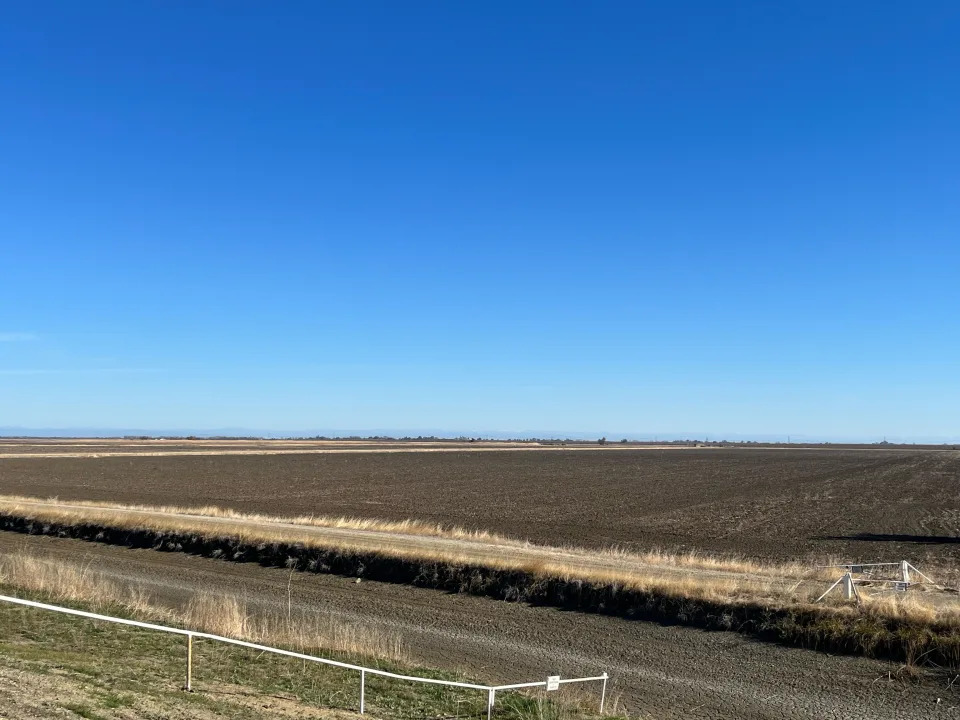
A fallow rice field near Dunnigan, California in 2022. Sean Doherty of Sean Doherty Farms was only able to plant four of his 20 rice fields in 2022 due to drought conditions.

“Rice is a major crop in California. We lead the nation in medium and short grain acres,” said Gary Keough with the National Agricultural Statistics Service.

“A significant number of acres were not planted just because of a lack of water,” he said.

In Colusa County north of San Francisco, fifth-generation rice farmer Sean Doherty was able to plant only four of his usual 20 rice fields.

“I’ve never experienced a year like this,” he said. “There’s just no comparison to other years whatsoever.”

READ: What is climate change?

There was so little water that his fields, which normally would have held thousands of pounds of premium sushi rice, are instead bare dirt. “Just to keep my guys busy we re-leveled some fields to improve water efficiency,” he said. But no amount of efficiency helps when there’s simply no water to be had.

“You can’t conserve your way out of an empty bucket,” Doherty said.

At least for now Doherty is doing all right because he has crop insurance. But that won’t help the businesses in his county that depend on farmers to survive. “My crop dusters don’t have insurance; my parts store and fertilizer dealers, they’ve got no business,” he said.

Citrus in Florida

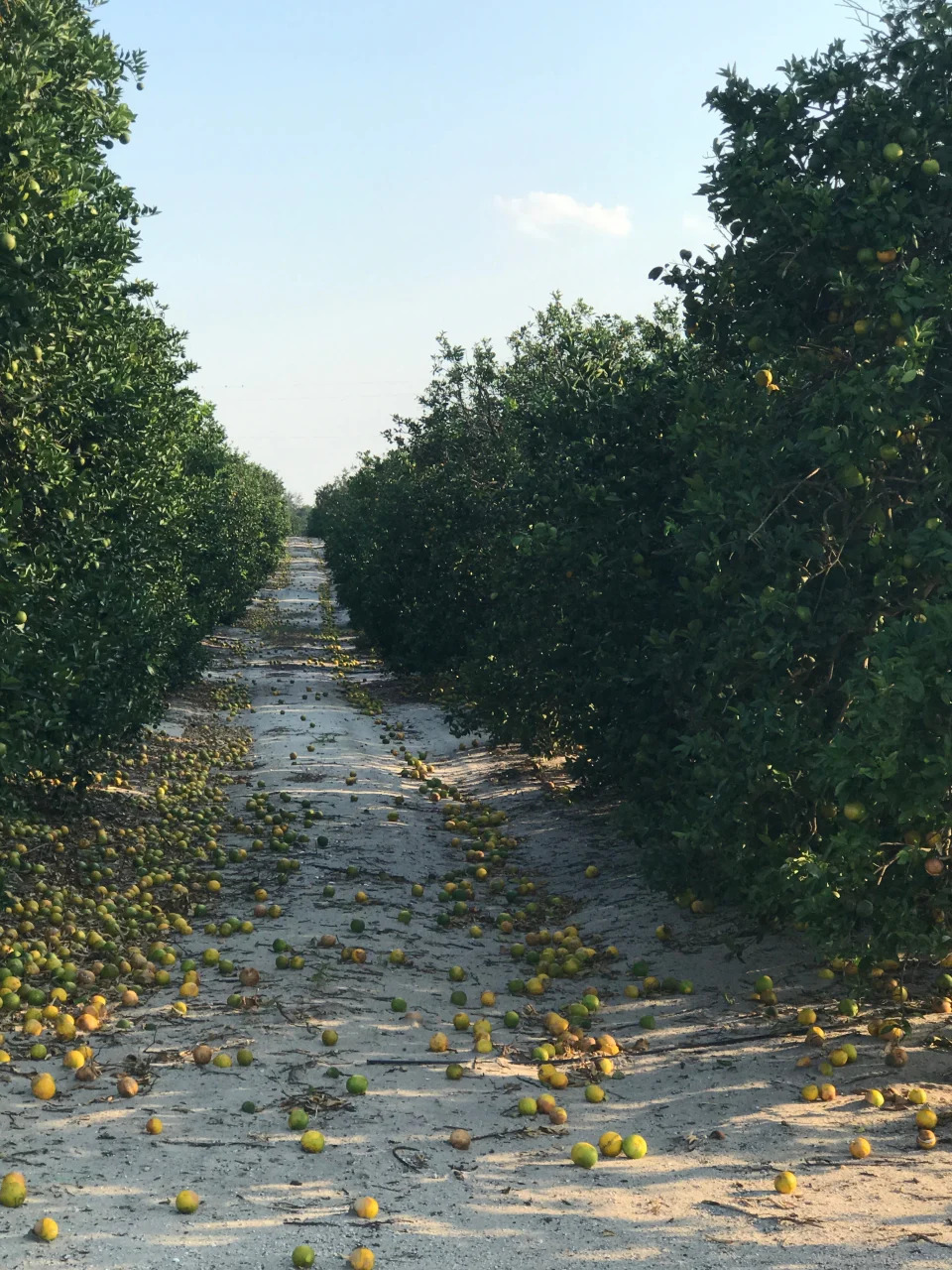
Hurricane Ian hit John Matz’s orange and grapefruit groves hard. He lost over 50% of his crop from it being blown off the trees.

“It’s pretty disgusting to look at the amount of fruit that was on the ground,” the grower in Wauchula, Florida, said.

Oranges in a Florida grove that were blown off trees after Hurricane Ian in October 2022. The state's citrus crop was significantly damaged by the hurricane and subsequent flooding.
Oranges in a Florida grove that were blown off trees after Hurricane Ian in October 2022. The state’s citrus crop was significantly damaged by the hurricane and subsequent flooding.

The winds were only the beginning. Standing water damaged root systems. Even now, when the waters have receded and the fallen fruit has been counted for insurance purposes, more bad news is coming, said Roy Petteway, president of the Peace River Valley Citrus Growers Association.

“Trees are very sensitive; they’re not like squash or cucumber,” he said. “You might not see the full extent of the damage for eight months to a year.”

He’s not convinced that human-caused global warming is behind the weather shifts he’s seeing, but there is definitely change in the land his family has held for generations in Zolfo Springs, Florida.

“I’m 36, and I’ve gotten through three once-in-a-lifetime storms.” he said.

How is climate change affecting the US?: The government is preparing a nearly 1,700 page answer.

HURRICANES: Is climate change fueling massive hurricanes in the Atlantic? Here’s what science says.

But after six generations in Florida, he’s not about to give up. “We don’t know how to fail. There’s a reason there’s an orange on our license plates.”

Florida mostly grows citrus for juice, so there shouldn’t be a big impact on consumer fruit prices, said Ray Royce, with the Highlands County Citrus Growers. But every time there’s a storm that damages the crops, it’s one more blow to U.S.-produced fruit.

“Replacement juice will be brought in from Brazil and Mexico,” he said. “At some point for processors it’s cheaper to ship it in. All the juice you drink now is a blended product of domestic and offshore juice.”

Cattle in Texas

Look for beef prices to rise in 2023 and 2024 – in part because drought in Texas is forcing ranchers to send more cows to slaughter.

“There isn’t enough grass to eat, and it’s become too expensive to buy feed. We’ve had a large amount of culling this year because of drought,” said David Anderson, a livestock specialist at Texas A&M University.

“We’re sending young female heifer cows to feed lots because we don’t have the grass to keep them,” he said. Cows that would normally have a calf in the next few years are instead going to slaughter.

Beef slaughter is up 13% nationwide and in the Texas region, it’s up 30%.

“In the short term, that means beef will be cheaper. This year we’re going to produce a record amount of beef, over 28 million pounds,” said Anderson.

But long term it will mean higher prices.

Those calves that might have been born in the spring of 2023 would be ready for slaughter in about 20 months. So in the fall of 2025, there will be fewercattle to slaughter and higher prices.

“There’s going to be a shortage of beef, and prices are probably going to go up,” said the USDA’s Kistner-Thomas. “This could also have a compounding effect on other meat prices as people switch from beef to chicken.”

Today, Texas has about 14% of the nation’s beef cow herd but as the climate changes, ranchers will face growing challenges.

“These events are getting more frequent,” said Anderson. The state’s experiencing more frequent severe droughts. And when the rains do come, they come differently than before, in intense bursts rather than over a longer period of time.

“You may get the same total rainfall, but you’re going to get it all in one afternoon,” he said. “The plants are adapted for one pattern, and we’re not going to have that pattern anymore.”

More: How a summer of extreme weather reveals a stunning shift in the way rain falls in America.

Almonds in California

This year’s marzipan for Christmas won’t be affected, but next year’s might be, given the one-two punch California’s almond groves took this year.

First, an unseasonable freeze in the last week of February killed some of the fruit just as it was forming. Then the ongoing Western megadrought forced farmers to choose between which trees could get enough water to actually produce.

A California almond orchard in bloom. In 2022, erratic weather and drought cut 11% out of the nation's almond harvest. An unseasonable cold snap in February kills some early fruit just after bloom while ongoing drought meant many growers didn't have enough water for their trees.
A California almond orchard in bloom. In 2022, erratic weather and drought cut 11% out of the nation’s almond harvest. An unseasonable cold snap in February kills some early fruit just after bloom while ongoing drought meant many growers didn’t have enough water for their trees.

Some farmers are getting out of the business entirely or watering trees just enough to keep them healthy but not enough for good harvests — hoping for more water in the future, said Richard Waycott, CEO of the California Almond Board.

“Generally speaking, you grit your teeth and bear it.”

The United States produces 82% of the world’s almonds, almost all in California. In 2022, the harvest was down 11% from the year before. This year’s production is expected to drop as much as 2.6 billion pounds.

Cotton in Texas

Texas is the largest cotton producer in the United States, but this year’s drought has cut the harvest by at least a third, said John Robinson, a professor and specialist in cotton marketing at Texas A&M University in College Station, Texas.

“This year they’re projecting less than 4 million bales; in an average year it’s 6 million,” he said. “Cotton was planted, then it just didn’t even come up. There was a whole lot of land that was simply plowed up because the seeds never germinated.”

That’s called the “abandonment rate,” the percentage of unharvested acres compared to total planted acres. This year’s abandonment rate for cotton in Texas is 68%, “which is a record,” said Robinson.

What does climate change mean for the future of US farming? Preparation is key.

Things would have been much worse if it weren’t for advances in plant breeding, said Paul Mitchell, a professor of agriculture and applied economics at the University of Wisconsin, Madison.

“Crops are more resilient to dry weather than they were 20 years ago,” he said.

As the kind of severe weather events that can devastate crops become more frequent, better breeds won’t necessarily be able to save farmers, said Ariel Ortiz-Bobea, an economist at Cornell University who studies how agriculture is coping with environmental change.

“U.S. agricultural productivity is rising, but it’s not becoming more resilient to extremes,” he said. “When bad years start to line up, are we doing things to prepare for the unusual as it becomes more usual?”

Elizabeth Weise covers climate and environmental issues for USA TODAY. She can be reached at eweise@usatoday.com.

Which Billionaire Owns The Most Land In The U.S.? Hint, It’s Not Bill Gates

Benzinga

Which Billionaire Owns The Most Land In The U.S.? Hint, It’s Not Bill Gates

AJ Fabino – December 7, 2022

Earlier this year, in May, claims were made that Microsoft Corp co-founder Bill Gates owned the majority of America’s farmland.

While that is false, with the billionaire amassing nearly 270,000 acres of farmland across the country, compared to 900 million total farm acres, a different billionaire privately owns 2.2 million acres, making him the largest landowner in the U.S.

John Malone, the former CEO of Tele-Communications Inc., which AT&T Inc. purchased for more than $50 billion in 1999, has a variety of ranching and real estate businesses, primarily in Maine, New Mexico, Colorado, and Wyoming.

Worth $9.6 billion, Malone, a media veteran, said he purchased the land because “they are not making it anymore.” He also owns three hotels in Dublin, Ireland, and a fourth in Limerick.

The current Liberty Media Corp chairman made the decision to put his billions of dollars in wealth into land after spending a summer working on a family farm in Pennsylvania.

Read also: Homebuilders Are Throwing Money At Buyers At A Furious Pace Just To Close A Sale, Data Finds

Bell Ranch in New Mexico, a 290,100-acre plain dotted with mesas, rimrock canyons, meadows, and a distinctive bell-shaped mountain, was one of his first significant acquisitions. In addition, Florida’s Bridlewood Farms is a noteworthy asset.

He now holds the title of the largest landlord in the US, surpassing Ted Turner, with a total of 2.2 million acres of crops, ranch property, and woodland.

Malone noted in a CNBC interview that preservation was his primary motivation for purchasing land, and he intends to purchase more. He said that his properties serve as a reliable source of income and a solid hedge against inflation.

Speaking of a hedge against inflation, did you know that you can invest as little as $100 into rental properties to earn passive income and build long-term wealth? Here’s how you can get involved right now.

“The conservation of lands is important,” the billionaire said. “That was a virus that I got from Ted Turner.”

He continued, “the forestry part of it in the Northeast is a pretty good business, with very low return on capital, but very stable and leverageable,” Malone said. “And we think it will provide good inflation protection in the long run. That’s basically the motivation there. It just seemed like a good thing to do.”

Europe embarks on solar power ‘revolution’ to solve its energy crisis — and fight climate change

Yahoo! News

Europe embarks on solar power ‘revolution’ to solve its energy crisis — and fight climate change

Melissa Rossi, Contributor – November 30, 2022

The Núñez de Balboa photovoltaic plant in Badajoz, Spain, is one of the largest in Europe.
The Núñez de Balboa photovoltaic plant in Badajoz, Spain, is one of the largest in Europe. With an installed capacity of 500 megawatts, this facility can supply clean energy to 250,000 homes. (Iberdrola)

Spurred by Russia’s war in Ukraine and its own pledge to cut greenhouse gas emissions in half by 2030, the European Union is aggressively ramping up its use of solar power, installing panels on everything from city rooftops to farmland.

In 2021, solar accounted for just 6% of electricity in the 27-country EU bloc, according to Ember, a climate and energy think tank. However, since Russia cut gas supplies in response to European sanctions over its war in Ukraine, solar has become the fastest-growing source of renewable energy on the continent this year. According to SolarPower Europe, a nonprofit association, new solar projects are “set to overshoot even our highest deployment projections for 2022.”

“The EU generated a record 12% of its electricity from solar this summer, helping to avoid a potential €29 billion in fossil gas imports,” Hannah Broadbent, head of communications for Ember, told Yahoo News. And solar’s remarkable growth shows no signs of stopping in the EU, where SolarPower Europe estimates at least 40 gigawatts of capacity will be installed this year, enough to potentially power upwards of 30 million homes.

By comparison, solar contributed less than 3% of U.S. electricity supplies in 2021, although new incentives are prompting more American utilities to follow in European footsteps.

“There’s a massive solar boom in Europe,” said Matthew Berwind, agrivoltaics project manager at Germany’s Fraunhofer Institute for Solar Energy Systems, the largest applied research institute for solar energy in Europe. “It’s huge.”

Wind turbines spin behind a vast array of solar energy panels.
Wind turbines at a solar energy park near Prenzlau, Germany. (Sean Gallup/Getty Images)

From Portugal to Poland, the Netherlands to Greece, mammoth photovoltaic plants are spreading across fields and gliding across lakes, each facility providing enough electricity for hundreds of thousands of homes. Buildings are being constructed with solar-powered water heaters, photovoltaic windows and photovoltaic roof tiles. Solar panels are appearing atop government buildings, grocery stores and schools, and even farms are embracing novel sun-powered technologies to shield crops from hail and scorching sun while producing energy.

Mario Sánchez-Herrero, founder of the nonprofit solar cooperative Ecooo Energía Ciudadana, who is based in Madrid, told Yahoo News that small-scale generation is also making a big difference. “We’re seeing a real revolution of solar in Spain,” he said, adding that small-scale energy production from panels installed at homes or from nearby buildings is generating “the extraordinary amount of two gigawatts per year.” And the numbers, he said, are shooting up.

Russia and China have everything to do with the explosion of solar. Russia’s invasion of Ukraine provided impetus to cut dependence on Russian gas for electricity, while China’s manufacturing of photovoltaic panels has dramatically brought down the price. “The cost of solar-powered electricity dropped 90% in a decade, making it one of the cheapest sources of electricity today,” Dries Acke, policy director at SolarPower Europe, told Yahoo News.

In fact, a new study conducted by the Oslo-based energy research firm Rystad Energy concluded that, since prices have fallen so low, it would be 10 times cheaper to build new solar capacity in Europe than to continue operating gas-fired power plants.

An old woman in a scarf carrying shopping bags looks disconsolately down a rutted dirt road lined with a dilapidated apartment building. A pickup drives away in the distance.
A woman walks through the village of Arkhanhelske on Nov. 3 in the Kherson region, which was formerly occupied by Russian forces. (Bulent Kilic/AFP via Getty Images)

But Europe’s dependence on China for solar equipment is a potential vulnerability. “China controls a lot of the minerals needed for solar installations and a lot of the manufacturing, which shifted to China over the last 10 years,” said Thorfinn Stainforth, a policy analyst at the Institute for European Environmental Policy. “The price has gone down — it’s very cheap now to get Chinese solar panels. But it’s also not without some risks, as we’ve seen in terms of global supply chain disruption this year following COVID, and in terms of overreliance on individual countries for energy supplies.”

What’s more, solar has its limitations. “Solar on its own cannot be the solution,” Stainforth said, adding that it needs to be coupled with other renewable energies, like wind or hydropower, as part of an integrated electricity system. “When it’s very dark, when it’s winter and when it’s night, solar is much less usable,” he noted. Even though solar installations are skyrocketing, some EU countries, including Italy, are lagging behind in building enough renewable generation to meet the EU’s goal of slashing greenhouse gases 55% by 2030, according to Ember.

Meanwhile, not everybody is a fan of “solar farms,” with millions of panels spread over thousands of acres, such as the new Francisco Pizarro solar plant in western Spain, which is currently Europe’s biggest. Ecooo’s Sánchez-Herrero, for one, thinks massive installations defeat the purpose of solar — which can be used by individual homes and communities to give them some energy independence from utilities. At the rate small-scale production is growing in Spain, he believes that his country can meet its renewable energy goals without another large solar plant.

An array of photovoltaic power panels at Abaste's El Bonillo Solar Plant stretches into the distance.
Photovoltaic power panels at Abaste’s El Bonillo Solar Plant in El Bonillo, Spain, in 2015. (Pablo Blazquez Dominguez/Getty Images)

“The big installations are owned by big companies, and they use investment funds,” often from foreign countries, he said. “People come in from other countries to make money in Spain, and we don’t want this. We want to see energy communities that want cheaper energy and clean energy, and want to be the owners of the way they obtain the energy.”

Some, including former U.K. Prime Minister Liz Truss, are concerned about solar installations on land that could be farmed. This fall the government of the United Kingdom even briefly flirted with an effective ban on solar farms, based on concerns about arable lands and food security. However, the environment secretary who put the idea forward was fired after Truss’s fall from grace, and the initial signs from the new government suggest it will be more favorably disposed toward solar.

However, others are pleased about new megaplants, like the Pizarro solar field, which is capable of providing 590 megawatts of electricity to power 334,000 homes.

New plants are aiming to address biodiversity issues, said Acke of SolarPower Europe. He points to the planned Rezolv Energy solar plant in Romania — the first utility-scale solar project in Europe over one gigawatt. “What’s crucial, and what we see more and more, are the biodiversity and dual-land use benefits that this kind of project can support,” he said, adding that the Rezolv plant is planned to return poor-quality agricultural land to pasture, hosting sheep grazing and even beekeeping.

Traian Voineagu, on a ladder in front of a window under the eaves of a house, gets ready to install a solar panel.
A technician installs a solar panel in a home in Glod, Romania, that is not connected to the electrical grid. (Andreea Campeanu/Getty Images)

But the biggest buzz in Europe concerns solar’s newest applications in agriculture — namely agri-solar. In pilot projects, solar panels cover crops such as berries and grapes, generating electricity to help meet a farm’s energy needs. They also shield crops from the scorching sun, hailstorms and torrential rains, and ultimately help farmers generate two sources of income from one tract of land.

“Instead of looking at a single parcel of land as having only a single usage, agri-solar combines the agricultural usage with power production,” said Berwind of the Fraunhofer Institute, noting that this can nearly double the land use efficiency.

“In the face of global climate change, as we start to see more extreme weather events that impact agricultural yield — droughts, storms, hail — the photovoltaic side gives these farmers a more diverse income source,” he noted. “So if their agricultural product falls through one year because a tornado blew through or hail damaged their crops, then they still have a safe financial baseline from one year to the next.”

Currently being tried out in Spanish, French and German vineyards as well as Dutch fruit farms, agri-solar projects provided an installed capacity of two gigawatts of electricity, Berwind estimates, a figure he expects will double in the next year because projects are getting bigger. “Standard photovoltaic developers are taking it seriously and starting to install multiple megawatts of systems,” he said.

Slanting photovoltaic panels slope toward a row of vines.
The photovoltaic panels recently installed in a vineyard in Toledo, Spain, in a pilot agrivoltaic project can can shield grapes from scorching summer sun, helping to reduce evaporation and optimize use of rainwater. (Iberdrola)

Despite all the enthusiasm about solar’s big surge in the EU, outstanding challenges remain, among them Europe’s ability to bring more solar manufacturing back to the continent. Another is a shortage of workers able to install panels on roofs. Ecooo has had so many requests to add them to homes in Madrid that it has to turn away new customers. “We are telling everyone, ‘If you have kids who are unemployed, have them take a three-month course so they can make solar installations,’” said Sánchez-Herrero.

“In Spain, or Greece, in these countries where there’s a lot of sun and a lot of youth unemployment, that could be a really good match,” Stainforth added.

U.S. warns California cities to prepare for fourth year of drought

Reuters

U.S. warns California cities to prepare for fourth year of drought

Sharon Bernstein – November 28, 2022

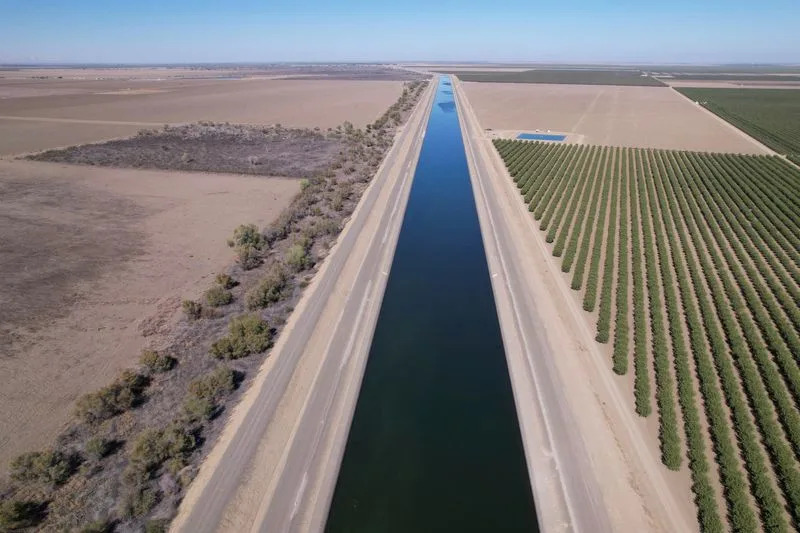
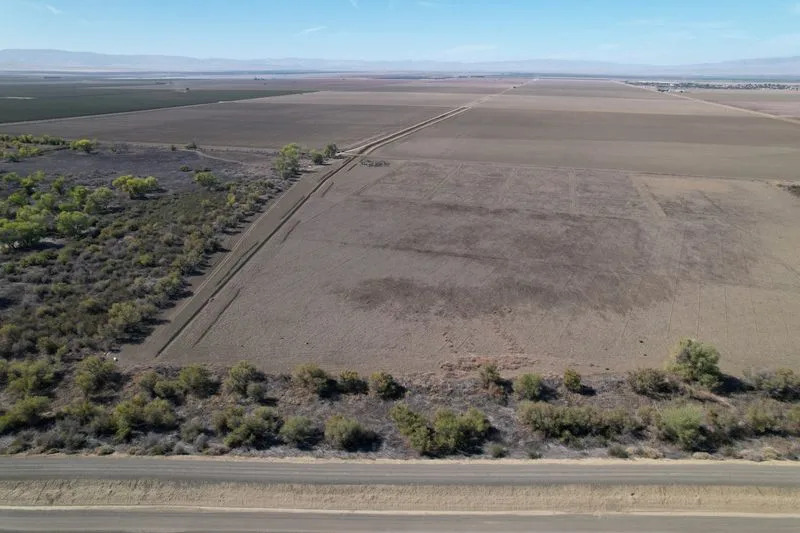
FILE PHOTO: California farmers aim to recharge aquifers by diverting floodwaters to fallowed land
California farmers aim to recharge aquifers by diverting floodwaters to fallowed land
FILE PHOTO: California farmers aim to recharge aquifers by diverting floodwaters to fallowed land

SACRAMENTO, Calif. (Reuters) – Federal water managers on Monday urged numerous California cities and industrial users to prepare for a fourth dry year, warning of possible “conservation actions” as drought conditions continue despite early rains.

The U.S. Bureau of Reclamation said water storage is near historic lows in the reservoirs it operates in the state, which serve the Central Valley breadbasket as well as the cities of Sacramento and San Francisco.

Shasta Reservoir, the state’s largest and the capstone of the federal Central Valley Project, is currently at 31% capacity, the agency said.

While the rainy season, which generally begins in October and continues through March or April, may yet bring more precipitation, it would be prudent for cities and industrial users to prepare for the possibility that less water will be available than the agency had contracted to provide them.

“If drought conditions extend into 2023, Reclamation will find it increasingly difficult, if not impossible, to meet all the competing needs of the Central Valley Project without beginning the implementation of additional and more severe water conservation actions,” the agency said.

Initial water supply allocations for its customers would be announced in February, the agency said.

(Reporting by Sharon Bernstein; Editing by David Gregorio)

What Happened to autumn? Scientists point to climate change

Yahoo! News

What happened to autumn? Scientists point to climate change

Ben Adler, Senior Editor – November 28, 2022

A man with a shovel digs out during a snowfall of more than 6 feet.
Tom Dee of Hamburg, N.Y., digs out on Nov. 18. More than 6 feet of snow was dumped on Buffalo and surrounding suburbs that weekend. (John Normile/Getty Images)

Regarded by millions of Americans as their favorite season, autumn for many regions of the United States has traditionally been marked by the gradual transition from hot summer weather to frigid winter temperatures. But in recent years, fall seems to have all but disappeared — especially in the Northeast — and experts say climate change is partly to blame.

Throughout October of this year, a time normally associated with crisp weather and changing leaves, many parts of the Northeast saw temperatures upwards of 70 degrees Fahrenheit. And then, seemingly overnight, the weather turned much colder.

In Spokane, Wash., the warmest October on record was quickly followed in early November by the season’s first freeze and snowfall. By the end of the third week in November, snow had fallen all over upstate New York, and Buffalo, N.Y., received a record-breaking 6 feet of snow.

Pedestrians attempt to dig out cars after a snowstorm.
Pedestrians in Buffalo attempt to dig out cars on Nov. 20 after a snowstorm slammed the area. (John Normile/Getty Images)

“We’re seeing this weather whiplash here in the fall, where it can be so warm, it can have record warm temperatures, and then very quickly we can transition into a very cold period,” Judah Cohen, director of seasonal forecasting at Atmospheric and Environmental Research, told Yahoo News.

Experts such as Cohen say climate change is a factor. Weather is fluky, and it’s impossible to ascribe most individual events to climate change, but climate change is creating the conditions, starting with a longer, hotter summer, that make fall-less years more likely.

Last year, the Associated Press reported that the fall foliage season was delayed by warmer weather from Maine to Oregon, and in some places it was ruined altogether by an unusually hot, dry summer that caused leaves to die prematurely.

“Summers are growing longer,” Cohen said. “September, a lot of times, acts more like August than what you traditionally consider a fall month. Summer is definitely encroaching on the fall season.”

“It’s staying warm later, for sure,” Matthew Barlow, a professor of climate science at the University of Massachusetts Lowell, told Yahoo News. “We’ve actually looked in the Northeast for fall weather patterns, and you can see that you get summer patterns later into fall.”

A student walks past fall foliage.
A student walks past fall foliage at the University of Virginia on Nov. 7. (Ryan M. Kelly/AFP via Getty Images)

One might expect, then, that typical fall weather would just be shifted until later in the year, as it would take longer for temperatures to drop to those historically associated with winter. But there’s another wrinkle attributed to climate change that explains why winter temperatures suddenly crash onto the country, plunging millions into winterlike conditions: warmer Arctic temperatures in places like Alaska that send polar vortices southward.

“I would summarize the whipsawing from weather extremes this fall as the summation of two competing factors: ambient warming due to increasing greenhouse gases and an increase in polar vortex stretching,” Cohen said.

This is the same reason that we are seeing more extreme winter weather, such as a massive snowstorm that hit the South last January. Recent research finds the polar vortex is more frequently getting stretched out, which also brings cold air south. The reason is uncertain but appears to be related to the dramatic loss of Arctic sea ice, according to a study led by Cohen that appeared in Science magazine last year.

But while extreme winter weather gets all the attention, the same phenomenon can happen in the fall, making a week in November feel more like January.

“Climate change — but specifically the changes in the Arctic — lead to more disruptions of the polar vortex, where the polar vortex kind of stretches, or elongates, like a rubber band,” Cohen said. “And we’re definitely seeing an increase in those types of events in October through December.”

Icebergs float in the Baffin Bay near Pituffik, Greenland, on July 20, 2022, as pictured by a drone during a NASA mission along with University of Texas scientists to measure melting Arctic sea ice.
Icebergs in Baffin Bay near Pituffik, Greenland, in July, as pictured by a drone during a NASA mission to measure melting Arctic sea ice. (Kerem Yucel/AFP via Getty Images)

“I think it’s applicable to what happened this fall, because we’ve had these unusual polar-vortex-stretching events,” Cohen added. “So in October, there was this early cold weather snap and early snow. And I know places in the Southeast were having the earliest freezes ever.”

For example, Baton Rouge, La., saw its earliest freeze in history in mid-October.

“The cold snap that we’re seeing in November and extreme lake effects that we’re seeing here in western New York, that’s also associated with the stretched polar vortex event,” Cohen said, referring to the Buffalo snowstorm.

In a complementary phenomenon, the jet stream, a band of warm air flowing west to east, is also being destabilized by climate change. The jet stream is powered by the temperature differential between the Arctic and other regions, and the Arctic is warming four times faster than the rest of the Earth. As the difference in temperature decreases, a weakened jet stream is more frequently diverted southward, pulling a band of colder air above further south.

Scientists caution that the research on whether winter weather now strikes more frequently in fall, and why, isn’t as robust as the research showing that global warming is causing hot weather to last longer into the year.

A vehicle pulls over along I-190 during a snowstorm hitting the Buffalo, N.Y., area in November.
A vehicle pulls over along I-190 during the snowstorm that hit the Buffalo area in November. (Carlos Osorio/Reuters)

“It’s certainly gotten cold here in a way that’s felt sudden, but I’m not really aware of anybody who has run those numbers to get at that variability piece of it,” Barlow said. “There isn’t a consensus on that, I think, yet, on whether there’s an increased breakdown or stretching of the polar vortex, or whether the jet stream is getting wavier, at least in the North Atlantic. There definitely is some evidence of that, but I don’t think there’s a consensus.”

The good news for people who want to take advantage of autumn’s outdoor rituals is that because polar-vortex-stretching events are temporary, the warm weather can sometimes bounce back. In Rhode Island, for example, the first freeze of the year in late October was followed by temperatures climbing back up to the 60s, just in time for trick-or-treating on Halloween.

Brain-eating amoeba infections keep spreading to new areas across the US

Insider

Brain-eating amoeba infections keep spreading to new areas across the US

Andrea Michelson – November 23, 2022

deadly amoeba
A map from the Centers for Disease Control and Prevention shows brain-eating amoeba infections from 1962-2019.Centers for Disease Control and Prevention
  • At least three people died of brain-eating amoeba infections in the US this year.
  • The amoeba was found in lakes and rivers in Iowa, Nebraska, and Arizona.
  • As temperatures trend warmer, infections have been reported further north than in previous years.

In 2022, deadly brain-eating amoeba infections were recorded in states that had not seen the water-borne pathogen before.

The amoeba Naegleria fowleri thrives in warm freshwater — mostly lakes and rivers, but it’s also been found in public splash pads. If inhaled up the nose, the microscopic creature can cause a devastating brain infection known as primary amebic meningoencephalitis (PAM).

In past years, this has meant that health officials in southern states spend their summers on the lookout for reports of mysterious brain infections. However, the amoeba’s geographic footprint has expanded as temperatures warm across the US.

About three PAM infections are reported each year in the US, and they’re usually fatal.

By Insider’s count, there have been at least four infections in 2022. The Centers for Disease Control and Prevention have kept a record of PAM cases since 1962, but the agency has not released data for 2022 yet.

One reported case came from Florida, where a teenage boy continues to recover from an infection he contracted in July. The other three individuals who got sick lived further north, and they all died shortly after coming down with symptoms.

States like Florida, which has the most reported PAM infections after Texas, are better prepared to treat any brain infection in a swimmer like a PAM case. As global temperatures continue to rise, a larger swath of health officials will need to prepare for summer infections.

The first exposure in Iowa

A Missouri resident died of PAM in July after going swimming in an Iowa lake.

Testing at the Lake of Three Fires later revealed the presence of N. fowleri in the southwestern Iowa waters.

Iowa officials had not previously detected the amoeba in the state, but it’s possible that it was present in past years. The amoeba only causes harm to humans if it enters the nose, gaining access to the brain.

It was the first recorded case of the season, and the first of two PAM deaths in the Midwest in 2022.

Nebraska’s first recorded case

Nebraska confirmed its first death due to N. fowleri in August, after a child died of a rapidly progressing brain infection. The state had never reported a PAM infection before.

The child fell ill after swimming in the Elkhorn River, located a few miles west of Omaha. Officials later confirmed the amoeba was present in the child.

The river runs along a similar latitude to the Lake of Three Fires, as well as a Northern California lake where officials believe a 7-year-old contracted the amoeba last year.

Infections have been occurring in the northern half of the US with increasing frequency as temperatures rise and water levels drop, Douglas County health officials said at a news conference.

“Our regions are becoming warmer,” county health director Lindsey Huse said. “As things warm up, the water warms up and water levels drop because of drought, you see that this organism is a lot happier and more typically grows in those situations.”

A late infection in Arizona

The brain-eating amoeba is not new to Arizona, according to the CDC. The state has reported eight infections with PAM since 1962, and a Nevada resident died this year after a potential exposure in Arizona waters.

A Clark County, Nevada, resident under the age of 18 died after swimming in the Arizona side of Lake Mead, a reservoir that is split between the two states.

According to the Southern Nevada Health District, the boy went swimming in early October and developed symptoms about a week later. Most infections have been reported in June and July of previous years, so it’s possible the amoeba’s timeline is expanding along with its geographic territory.