Want to eat more fish? These are the healthiest picks

Want to eat more fish? These are the healthiest picks

Bonnie Taub-Dix                     February 23, 2021


Fishing for better health? Look no further than the seafood counter at your local supermarket.

For years, we’ve been hearing about the benefits of eating seafood, particularly when it comes to the connection between omega-3 fatty acids and heart health. More recently, studies have shown that eating seafood may support brain health, too, including reducing incidences of depression and boosting one’s mood. In addition to being a rich source of these vital fatty acids, seafood also provides selenium, iron, B vitamins and a host of other valuable nutrients.

In terms of protein, many types of seafood have a relatively high protein-to-calorie ratio, packing in around 7 grams protein per ounce, which is similar to chicken.

Display of fresh fish for sale at local market in Grand Central Station (Getty Images)


Today, during the pandemic, Americans are eating more seafood than in previous decades, but a recent survey showed that only one in ten consumers meets the goal of enjoying seafood twice a week, as recommended by The Office of Disease Prevention and Health Promotion’s Dietary Guidelines. Although many people are aware of the health benefits of different types of seafood, not everyone knows which is best for their diet — or how to select the right piece of fish at the grocery store.

Other barriers related to seafood consumption include some beliefs that seafood has a higher price tag than other forms of protein (which, to be fair, is sometimes true) and confusion over the best way to cook different types of fish.

Related: Whether you’re observing Lent or just need dinner inspiration, give these simple and tasty seafood recipes a go.

If you want to incorporate more seafood into your diet — whether it’s fresh from the seafood counter, canned or frozen — there’s a wide range of types and price points that can fit every palate, budget and lifestyle.

Here are some of my family’s favorite seafood choices, along with some easy recipes to satisfy a variety of tastebuds.

Salmon

Salmon is a flavorful, fatty fish that’s rich in heart-healthy omega-3 fatty acids. Salmon is also a good source of vitamin D, which is important for healthy bones. The daily recommended value of vitamin D is 400 IU for adults and children ages 4 and older. A 3-ounce serving of salmon contains 570 IU of vitamin D. It’s not easy to find naturally-occurring vitamin D in a lot of foods (but you can also find it in fortified dairy and non-dairy milks) so salmon is a great choice for most people to enjoy.

Valerie Bertinelli’s Herb-Roasted Salmon with Avocado Salsa by Valerie Bertinelli

Canned salmon with bones is also an excellent source of calcium and it helps enhance the absorption of vitamin D. Fish bones, you say?! Yes, it’s actually perfectly fine for both kids and adults to eat the soft bones in canned fish. If you’re concerned, you may further crush up the bones for kids or create salmon cakes.

Fish can be canned in water or oil; which one you choose may depend on whether you’re watching your caloric or fat intake. When it comes to canned salmon, the U.S. Food and Drug Administration’s Canned Pacific Salmon Standard of Identity actually prohibits the addition of water. Canned salmon is actually cooked in the can, so any liquid in the final product comes from the natural juices of the flesh when the salmon is cooked.

Whether you’re looking to jazz up your salmon for summer barbecues or you’re just popping it in the oven, this fatty fish is a versatile choice that holds up well to a variety of marinades, sauces and preparations.

Tuna

Tuna helps your heart in a variety of ways. Besides containing omega-3 fatty acids, tuna is also rich in niacin (vitamin B3), which helps lower cholesterol levels. Sushi lovers will be happy to know that fresh yellowfin tuna contains almost 16 milligrams of niacin per 3-ounce serving. Just go easy on the rice and mayo-based spicy sauces. The same amount of canned tuna boasts an impressive 11 milligrams of niacin.

While fresh yellowfin tuna steaks can often retail for over $20 a pound, canned tuna is an inexpensive way to stock up on lean protein all year long. Canned light tuna packed in water (drained) provides around 73 calories and 0.8 grams of fat for a 3-ounce serving, while the same amount of tuna canned in oil (drained) will give you 168 calories and 7 grams of fat. Looking to make a classic tuna salad? For a healthier alternative to mayo, try mixing water-packed tuna with mashed avocado, another heart-healthy food that adds a creamy compliment to any fish.

Cod

Cod is a mild-flavored fish with white flesh, similar to haddock and pollock. It’s a meatier type of seafood, so it can hold up well to many different types of preparations without falling apart, and it’s one of the leanest sources of protein weighing in around 15 grams for a 3-ounce serving with only 0.5 grams of fat. Cod is also an excellent source of vitamin B12, with one serving containing a little more than 30% of the recommended daily value.

Cod is like a blank canvas that pairs well with any sauce, whether you prefer a citrus-style marinade or a creamy sauce on top of a crispy fried fish sandwich.

Valerie Bertinelli’s Roasted Cod with Cashew-Coconut Topping by Valerie Bertinelli

Sardines

If you don’t ditch the bones in sardines, your bones will thank you because you’ll be getting about 40% of your recommended daily value of calcium per serving. Since most of us don’t get enough calcium, sardines are an excellent choice for many types of diets, especially those that can’t handle dairy. Sardines are also an excellent source of vitamin B12, selenium and phosphorous.

When it comes to sardines, one 3-ounce can packed in oil clocks in at around 130 calories with about 8 grams of total fat, while water-packed sardines provide 90 calories with 3 grams of fat. Sardines are delicious right out of the can, served on top of a salad or mashed on top of a crusty piece of whole grain bread with a thick slice of tomato.

Related: Pop open a tin and you’ll unleash endless pastabilities.

Shrimp

Whether they’re medium-sized or jumbo, shrimp brings in big benefits. You’ll pick up around 20 grams of protein from just 3 ounces of shrimp and this portion size goes a long way in recipes. Besides protein, a serving of shrimp provides all of your daily selenium needs, which helps support thyroid function, heart health, boost immunity and fight inflammation. Shrimp also provides vitamin B12, choline, copper, iodine and phosphorous.

Butter Lettuce-Wrapped Shrimp Tacos by Kelly LeVeque

One of the most versatile seafood proteins, shrimp can be showcased in almost any dish from around the world. Craving Italian? Serve up shrimp with some spaghetti topped with a garlic-infused tomato sauce. If you love Mexican food, shrimp make a phenomenal taco filling.

Scallops

Scallops are a great source of magnesium and potassium, which are both important for heart and brain health. They also promote blood vessel relaxation, help control blood pressure and enable better blood circulation. A 3-ounce portion of scallops is only 75 calories, has around 15 grams of protein and less than a gram of fat.

Like many types of seafood, scallops don’t take very long to cook and can easily be prepared in a few minutes on the stovetop. Bring out the naturally sweet, buttery taste of seared scallops with a touch of salt, pepper and avocado oil in a hot skillet. Serve over wild rice or pair them with a colorful salad. For a more decadent take, try Al Roker’s bacon-wrapped scallops.

Oysters

Get shucking if you’re looking to boost your iron intake. With their briny, ocean-forward flavor, oysters aren’t necessarily for everyone but oyster devotees enjoy eating this delicious shellfish fried, baked and raw right out of the shell. Oysters are very rich in iron, providing about 60% of your daily needs in just one serving. You’ll also find vitamin C, vitamin E and plenty of zinc in oysters. Unlike salmon and tuna, oysters aren’t always in season so check with your fishmonger about the catch of the day.

Siri’s Oysters on the Half-Shell by Siri Daly

As far as prep goes, you won’t need to do much cooking when it comes to eating oysters. Most people take delight in slurping them down raw (but if you’ve never shucked one before, it’s probably best to take a class or leave it to the pros), along with the addition of an array of tangy sauces like mignonette or cocktail … or just a hefty squeeze of bright lemon juice.

Clams

Just 3 ounces of clams provide a whopping 84 micrograms of vitamin B12 — more than 1,400% of your recommended daily value of the vitamin. You’ll also find copper, manganese, phosphorus, potassium, selenium and zinc in clams. Clams also provide iron and vitamin C — which all work in tandem as vitamin C helps enhance the absorption of iron.

Crispy baked clams oreganata style, topped with seasoned bread crumbs, garlic, oregano, parsley and olive oil, are always a timeless family favorite and can be served year round.

Bonnie Taub-Dix, RDN, is the founder of BetterThanDieting.com and author of “Read It Before You Eat It – Taking You from Label to Table.” 

Wisconsin Wolf Hunt Ends Early as Hunters Exceed Quota

EcoWatch – Wolves

Olivia Rosane                      February 24, 2021


Wisconsin Wolf Hunt Ends Early as Hunters Exceed Quota
A gray wolf is seen howling outside in winter. Wolfgang Kaehler / Contributor / Getty Images


Wisconsin will end its controversial wolf hunt early after hunters and trappers killed almost 70 percent of the state’s quota in the hunt’s first 48 hours.

By the end of Tuesday, the second day of the hunt, 82 wolves had been killed, The Associated Press reported. As of Wednesday morning, 135 had been killed, exceeding the quota, according to the Wisconsin Department of Natural Resources (DNR).

“Wisconsin’s actions offer a tragic glimpse of a future without federal wolf protections,” the Wolf Conservation Center tweeted in response.

President Donald Trump’s delisting of gray wolves under the Endangered Species Act triggered the hunt. The DNR originally set a quota of 200 wolves to be killed between Feb. 22 and Feb. 28. Of the 200, 81 were allocated to the Ojibwe Tribes in accordance with treaty rights, the Wisconsin State Journal reported. Hunters killed about half of the remaining 119 by Tuesday morning and 69 percent by Tuesday afternoon, The Associated Press reported. By Wednesday morning, hunters exceeded the quota by 16 wolves.

Hunters also exceeded the quota set for three of the state’s hunting zones, according to DNR. They killed 33 of an 18-wolf quota in zone 2, located in the northeast; 24 of a 20-wolf quota in zone 3 located in the center; and 30 of a 17-wolf quota in southern zone 6. The hunt ended Wednesday at 10 a.m. CT in the most depleted zones and will end at 3 p.m. CT for the remaining half.

The hunt is the state’s first since 2014, according to the Wisconsin State Journal. After wolves were returned to state management under Trump in January 2021, Wisconsin intended to plan a hunt for November 2021, arguing that it needed the time to study the population and consult with Native American tribes and the general public. However, pro-hunting group Hunter Nation sued the state to start the hunt earlier in the year, with a judge ruling in their favor. This past Friday, an appeals court dismissed the Wisconsin DNR’s appeal, Wisconsin Public Radio reported.

“The reckless slaughter of 135 wolves in just three days is appalling,” said Collette Adkins, carnivore conservation director at the Center for Biological Diversity. “Sound science was ignored here in favor of catering to trophy hunters who were all too eager to kill wolves even at the height of breeding season. It will take years for Wisconsin’s wolf population to recover from the damage done this week. And without federal protections, this bloody spectacle could easily play out in other states.”

The hunt killed about 12 percent of Wisconsin’s wolves, which last numbered between 1,034 and 1,057 according to 2020 DNR data.

Other conservation groups also raised concerns about the rushed hunt. At the same time, Indigenous communities criticized the lack of consultation. The state is required by law to consult with tribes on resources management.

“This hunt is not well-thought-out, well-planned, totally inadequate consultation with the tribes,” Peter David, Great Lakes Indian Fish and Wildlife Commission wildlife biologist, told Wisconsin Public Radio. “And maybe the biggest concern of all is that this season is not so much a hunting season as it is a killing season. No justification, really, was given for what was the legitimate purpose other than killing wolves.”

North-central Minnesota lakes are getting murkier faster

Star Tribune

North-central Minnesota lakes are getting murkier faster

Jennifer Bjorhus, Star Tribune                        February 20, 2021


Leif Olmanson has spent most of his career tracking Minnesota’s lakes from space, poring over decades of satellite images and crunching data on water clarity.

Now the University of Minnesota researcher is puzzling over a new question: What is driving the declining water clarity in Minnesota’s northern lakes, some of the jewels of the state?

“My big concern is that the areas that are more pristine are where things are changing quickly,” Olmanson said. “Why would these lakes be changing in northern Minnesota where there’s not a lot of land use changes going on?”

Olmanson quickly mapped the state’s late summer temperatures — the dog days when algae blooms — and saw they have risen fastest in Minnesota’s north-central regions where lakes have been warming the most. This is the home of deep, cold lakes. Bit by bit, the change in a few degrees could alter the state’s prized cabin country and angler havens.

“That’s some of the best walleye fishing in the country,” said retired DNR fisheries research biologist Peter Jacobson. “It’s a part of the state we’re very concerned about.”

Other scientists at the U, the Minnesota Pollution Control Agency and the Department of Natural Resources (DNR) are monitoring the trend, too.

Casey Schoenebeck, a research scientist who runs the DNR’s sentinel lakes program, said Olmanson’s heat map is supported by what his team has found in the water. Lake water temperatures are rising statewide, but particularly in the state’s transition zone from the plains to forest and in the northern forest area.

“It’s all changing,” Schoenebeck said, “but the changes are happening the fastest in those two central eco-regions.”

Warmer water encourages the algae growth, including the toxin-producing cyanobacteria commonly called blue-green algae. It can clog fish gills, and when it dies and sinks to the bottom of a lake it consumes oxygen, starving fish and other aquatic life.

The murkiness can actually amplify the warming temperatures, said Gretchen Hansen, another U scientist studying the decline in water clarity. Murky surfaces absorb more of the sun’s radiation, warming surface waters even faster.

The most ominous sign of the impact is the plunge in cisco populations across the Midwest as lakes warm. Also called tullibee, the small silvery fish are a main source of food for prized game fish such as walleye. They thrive in bands of deep cold water, and are highly sensitive to temperature changes. The DNR has been working to try find “refuge” lakes for them.

There are multiple factors that can make Minnesota lakes murkier, that Olmanson, Hansen and others are trying to untangle, such as changes in precipitation and, perhaps more important, in land use.

Minnesota is losing forests to farmland as row crops spread north, for example, as timber is harvested and as communities grow with new homes, businesses and roads. Then there are cabin owners tinkering with shorelines.

Plus, more intense rainstorms wash more nutrients, sediments and solids, such as leaves, into lakes with tannins that turn water brown.

As Peterson, the retired DNR biologist, sees it, the solution to protecting water quality in the state’s deep clear lakes is to protect the intact forests around them. If 75% of a lake’s watershed is forested, you can protect it, he said.

“It’s critical that it does not get converted to agriculture or homes, and shopping centers and roads,” Jacobson said.

That’s what the Northern Waters Land Trust has been working on. Based in Walker, Minn., the nonprofit conserves private land on strategic tullibee refuge lakes in Cass, Crow Wing, Hubbard and Aitkin counties. It uses grants from the state’s sales-tax funded Outdoor Heritage Fund to arrange conservation easements for landowners and has protected nearly 2,500 acres that way since 2014. The trust also buys land outright.

Olmanson said the approach makes perfect sense: “It’s cheaper to protect the lake before it gets impacted than to try to restore it.”

To explore the effects of land-use changes on water clarity, Olmanson is analyzing new satellite-derived data that show changes in land cover. His goal is to build an automated data set to show which factors are most important in driving declining water clarity in different lakes.

“Different things are happening in different parts of the state,” he said. In the near term, he’s racing to finish a major update of the U’s interactive LakeBrowser tool in time for this year’s fishing opener May 15. It’s popular with anglers and real estate agents.

The tool, which Olmanson helped create, displays information about the clarity of all Minnesota lakes down to 10 acres in size. It shows a lake’s current and historic clarity measures and comparisons to other lakes in the watershed, for example, how much algae it has and the nature of the land around it, such as forest or fields. It complements the DNR’s LakeFinder tool.

The map Olmanson generated of late-summer temperature changes in Minnesota’s center north reflect a broader pattern, climatologists say.

Northern Minnesota is warming faster than southern Minnesota, with north-central and northeast Minnesota warming a little more than west-central Minnesota, said Kenneth Blumenfeld, senior climatologist in the state Climatology Office.

If you zoomed out from Olmanson’s map, Blumenfeld said, it would show that high readings in north-central Minnesota are part of a larger continuous belt extending north into Canada. In general, the farther north you go around the world, the faster warming is occurring. There are variations on our continent, he said, where the interior is warming faster than near the coasts.

“Northern Minnesota has some of the fastest warming rates in the contiguous U.S., including during the late summer,” he said. “The variations we see to the east and west are based on topography, elevation, land cover, proximity to water, and other factors climate scientists do not fully understand.”

Minneapolis gardener transformed gritty city lot into productive urban farm

Star Tribune

Minneapolis gardener transformed gritty city lot into productive urban farm

Kim Palmer, Star Tribune                   February 19, 2021


Andy Lapham has a knack for salvaging castoff things and transforming them into something useful.

“I do like junk,” said Lapham. It’s what he used to build his shed, his chicken coop and his one-of-a-kind trellis/gazebo, which is topped with a canopy of old bicycle wheels.

But Lapham’s biggest reclamation project is a formerly vacant, junk-strewn lot in Minneapolis’ urban core that he and others have nurtured into a lush, productive garden that grows apples, plums, berries of all kinds, sunflowers to nourish birds and bees and other pollinator plants.

Lapham doesn’t own the garden; its out-of-state owner has given him permission to grow there.

“They let me garden for free,” said Lapham, 35, whose laid-back demeanor belies his drive to produce. In return, he takes care of maintenance, snow shoveling and trimming branches that dangle into the street.

This compact oasis of urban agriculture at a busy corner in the Central neighborhood is Lapham’s passion. It’s a community garden and a demonstration site, where he leads tours and shares what he’s learned about permaculture — producing food sustainably within a system inspired by natural ecosystems.

Lapham and his gardens were one of six chosen in the Star Tribune’s annual Beautiful Gardens contest, selected by a panel of judges from more than 380 nominations from readers. In this year of pandemic and racial justice reckoning, the contest was changed a bit. Readers were invited to nominate gardens that are beautiful in spirit and contribute to the greater good.

Lapham’s passion for growing food has evolved, although the seed was planted in his bloodline. “All my grandparents were born on farms,” he noted. Growing up in Golden Valley, his family tended a vegetable plot. “We always had a garden, but it wasn’t really intense.”

His own interest intensified after a 2013 trip to Hawaii, where he visited an eco village in the jungle.

“It was so cool!” he enthused. “There was all this food growing, 30 to 40 people, a communal kitchen. I wished we had places like that.”

Back in Minneapolis, Lapham asked his landlord if he could install a garden at the home he was renting in Seward. The landlord balked. “He said, ‘If you move, the next tenant won’t want to take care of it, and it will turn into a weed patch.’ ” Lapham did it anyway. “I built a raised bed, got books and started learning different things.”

Later he took a class on permaculture, and learned more things, including water collection methods, sustainability techniques and low-tech building using recycled materials.

“Before that, it was just gardening,” said Lapham, who makes his living working on landscape jobs.

Finding the lot Lapham took over the vacant lot in 2015. At the time he was working for a food share program, Sisters Camelot, and helping tend its garden on a city-owned lot. When the program lost the use of the lot, Lapham called around and found the empty lot in Central. He tracked down its owner in Pennsylvania. “They loved the garden idea,” he said.

So Lapham cleaned up the junk and abandoned mattresses, and recruited friends and volunteers to help him clear buckthorn and brush.

“The soil was pretty poor,” he said, so he brought in better soil and compost and started brewing compost tea.

Then he began planting — apple, plum, apricot and pear trees, berries of all kinds, cherries, grapes and currants. Once the plants started producing, neighbors started to help themselves to the fruit. “People come and pick ’em, especially kids,” he said.

Tending the garden led Lapham to buy the house next door, a century-old fixer-upper. He was working in the garden with a friend when he noticed the tenants loading up a moving van.

Later the landlord stopped by. “He said, ‘I can’t believe what you guys have done [with] this lot. One of you should buy this [the house].’ ” Lapham told him he couldn’t afford a house. It sat vacant for two months.

By that time, Lapham’s lease was ending, and his roommates were moving so he asked the landlord if he could rent the house. After renting for two years, Lapham had saved up enough to buy the house on a contract for deed.

“Now I get to learn how to fix an old house, too,” he said. And owning the house next to his garden gave him more land for planting and for keeping chickens — four hens and a rooster.

Lapham also helps tend a third food-producing garden a block away. It’s owned by the Baha’i Center of Minneapolis, which asked Lapham to give its youth farm a permaculture makeover. He dug a swale [a trench for irrigation] and redesigned the garden, adding new crops.

“Neighbors come and pick them,” he said. “Corn disappears fast. We know it’s everybody’s favorite.” Pattypan squash and watermelon also have been popular. “But nobody touched the kale.”

Lapham’s latest hobby is plant propagation. “I’m learning how so I can give plants to neighbors, other community gardens and spread them around the neighborhood,” he said. Last March, he posted a plant giveaway on Facebook, and about 20 to 30 people showed up to get his plants.

Troubled timesAfter George Floyd was killed by police just two blocks from Lapham’s home, the neighborhood erupted in unrest and increased crime.

“It’s been real scary,” Lapham said last summer. “I woke up to gunshots.”

More recently, a neighbor was clubbed in the head with a gun and had his wallet stolen, and there’s been a spate of carjackings. “I’m lucky enough to own terrible cars nobody wants,” Lapham said, including two old Volkswagens and a work van.

He’s also had tools, equipment and plants stolen from the garden. He built a shed out of salvaged materials for storing his tools, but “I can’t put everything inside,” he said.

Sometimes the challenges of urban living make him dream of owning a small farm in the country. “I think about it a lot, with the crime in the neighborhood,” he said. “Hopefully it’ll turn around.”

But there are examples of caring and altruism in his neighborhood, too. The bench Lapham built at the corner bus stop on the edge of his garden has become a place where people drop off food for the taking to help neighbors in need. What doesn’t get taken by people, Lapham feeds to crows and other birds.

While most Minnesota gardeners take a break during the winter months, Lapham stays busy with garden-related chores.

“I’ve been trying to fix a lot of the tools,” he said earlier this month. “I took apart and rebuilt the tiller, the blower and the chain saw. I spend a lot less time out there in the winter but there are still things to do all the time.”

He’s been doing some pruning. “A lot of trees you can only prune in winter,” he said. “It’s safer for the plant, and helps it produce better. It wakes up in the spring and doesn’t even realize it is missing a limb.”

Soon he’ll start collecting cuttings to propagate. And he recently filled out an application to get seeds through the Horticulture Society’s Minnesota Green Program, with the aim of starting seeds in March and April.

“I’m excited to see what we’re going to do — more garden plans and more tours,” he said of the growing season ahead.

What motivates him to invest so much time and energy into urban farming?

Lapham paused to ponder that question. “I don’t watch TV, drink or go out or do anything,” he said with a smile. “I want to learn all these things and be an inspiration for others to try — build a better world instead of wasting time.”

Russian magnate breaks wealth record despite pollution fine

Russian magnate breaks wealth record despite pollution fine

Vladimir Potanin is said by Forbes to be worth over $30 billion

Russia’s richest man Vladimir Potanin has set a new wealth record despite his mining giant Norilsk Nickel being slapped this month with a $2 billion fine over an Arctic fuel spill.

Potanin’s fortune has crossed the $30 billion threshold, Forbes reported, in a new record for a Russian business owner.

Shares in the company, also known as Nornickel, have risen by some 40 percent over the past year as a result of a sharp increase in prices of non-ferrous metals such as nickel and palladium.

The Russian company is the world’s largest producer of palladium and one of the largest of nickel.

Nickel in particular is used in electric vehicles, which are facing growing demand worldwide.

Potanin holds a near 35 percent stake in Nornickel.

Its value has grown despite a court order on February 5 for the company to pay a 146.2 billion ruble ($1.99 billion) fine over a fuel spill last May.

More than 20,000 tonnes of diesel leaked into lakes and rivers in the Russian Arctic after a fuel reservoir collapsed at a power plant owned by the company.

It has been working to improve its environmental image in the wake of the disaster.

In recent months Nornickel announced the closure of two smelters in the towns of Monchegorsk and Nikel in the northwestern region of Murmansk.

Both locations are considered to be among the most polluted in the world, in particular due to sulphur dioxide emissions.

And on Tuesday, when publishing its financial results, the company set itself a target of reducing sulphur dioxide emissions in Murmansk by 85 percent by the end of 2021.

The results showed that Nornickel had earned a net profit of $3.6 billion in 2020, down 39 percent year-on-year. The company also announced a gross operating profit of $7.6 billion, down three percent.

The Russian producer explained the profit decline by the $2 billion it has set aside to pay its pollution fine, but also by the costs generated by the coronavirus pandemic.

It claimed to have “learnt an important lesson” from the Arctic catastrophe and “completely revised its approach to environmental risk management”, noting in particular that it wants to gradually replace diesel fuel with cleaner natural gas in its activities.

Florida can run on 100 percent clean, renewable energy

We are at a tipping point when it comes to how we power our lives. Nationwide, and in Florida, we are still producing, consuming and wasting energy in ways that create lasting damage to our environment and our health. In 2021, we have the opportunity and know-how to tap into clean and renewable energy from sources such as the sun and wind, but doing so will require the nation and state to transform the way they produce and consume energy.

Given the inaction on clean energy at the federal level and the deep-rooted influence of fossil-fuel companies within our politics today, that transformation sometimes feels out of reach.

But it isn’t. Floridians have the power to demand better of their elected officials, and we have the state-based policy solutions to bring the Sunshine State into a clean-energy future.

That is why I filed House Bill 283, legislation to transition Florida to 100 percent renewable energy by 2040 and carbon neutrality by 2050. Filed in the state Senate by Sen. Lori Berman, D-Boynton Beach, this legislation also bans fracking in Florida and establishes a workforce board to ensure that the state’s drive toward a clean-energy economy produces new high-paying jobs — a much-needed initiative following COVID-19’s damaging impact on the state’s unemployment rate.

Renewable energy resources are vast. Tapping into just a fraction of them could give us all the energy we need for every aspect of our lives. The United States has the technical potential to meet its current electricity needs more than 100 times over with solar energy alone, or more than 10 times over with wind energy. With that inexhaustible potential, falling renewable energy prices and installations booming, we can envision a future powered entirely by clean energy.

We have the power to reshape our energy future. Since the 1990s, states across the country have been setting minimum standards for renewable energy that utility companies must meet. Today, 30 states have these renewable portfolio standards (RPS) in place, and 25 of those have substantially increased their standards since they were first implemented.

States have consistently bumped up their renewable-energy targets, in part because of growing public demand for action, and because renewables have consistently risen to the occasion. Across the country, states, including Massachusetts, Colorado and California, have been meeting their targets ahead of schedule, increasing them, hitting them again and then repeating that cycle. We’ve learned one key lesson from this: Goal-setting works.

In just the past five years, seven states have stepped up to set the ultimate goal — reaching 100 percent clean or renewable electricity. Hawaii first started the trend with a landmark commitment in 2015, and California followed suit in 2018. Last year, New Mexico, Washington, Maine and New York all jumped on board, and Virginia became the latest to join those ranks in April. Momentum is building in many more states, and Florida absolutely should be next to set its sights on transitioning to 100 percent renewables.

With rising sea levels and increased storm activity directly affecting the Sunshine State, Florida has a chance to set an example and be a leader in clean energy. On top of risks from Mother Nature, the continued use of fossil fuels could lead to more harmful effects to our ecosystems like we saw in the Gulf in 2010 after the Deepwater Horizon oil spill.

We need to stop digging for energy from the ground and instead garner the energy that is all around us. Passing HB 283 and adopting clean, renewable energy to power every aspect of our lives — from keeping the lights on to heating our homes and fueling our cars — will mean a safer, healthier Florida right now and for generations to come.

Rep. Anna Vishkaee Eskamani, a Democrat, represents Florida’s 47th district in Orange County in the state House.

What Will Happen To Our Planet After All the Polar Ice Melts

BSEV

What Will Happen To Our Planet After All the Polar Ice Melts

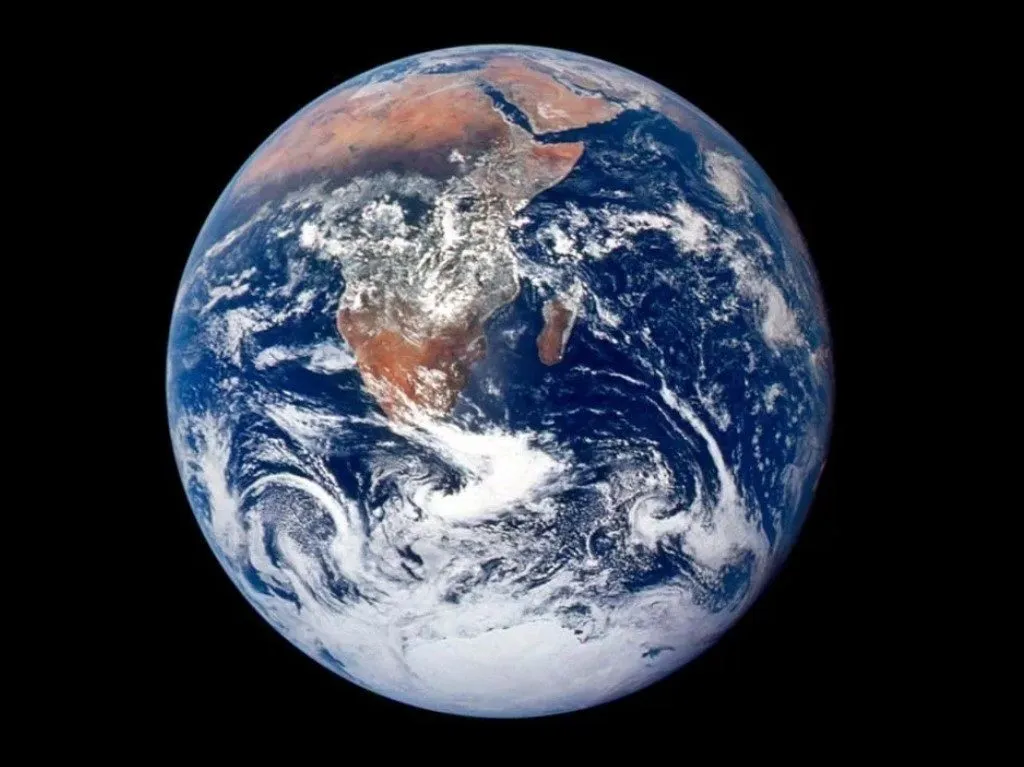
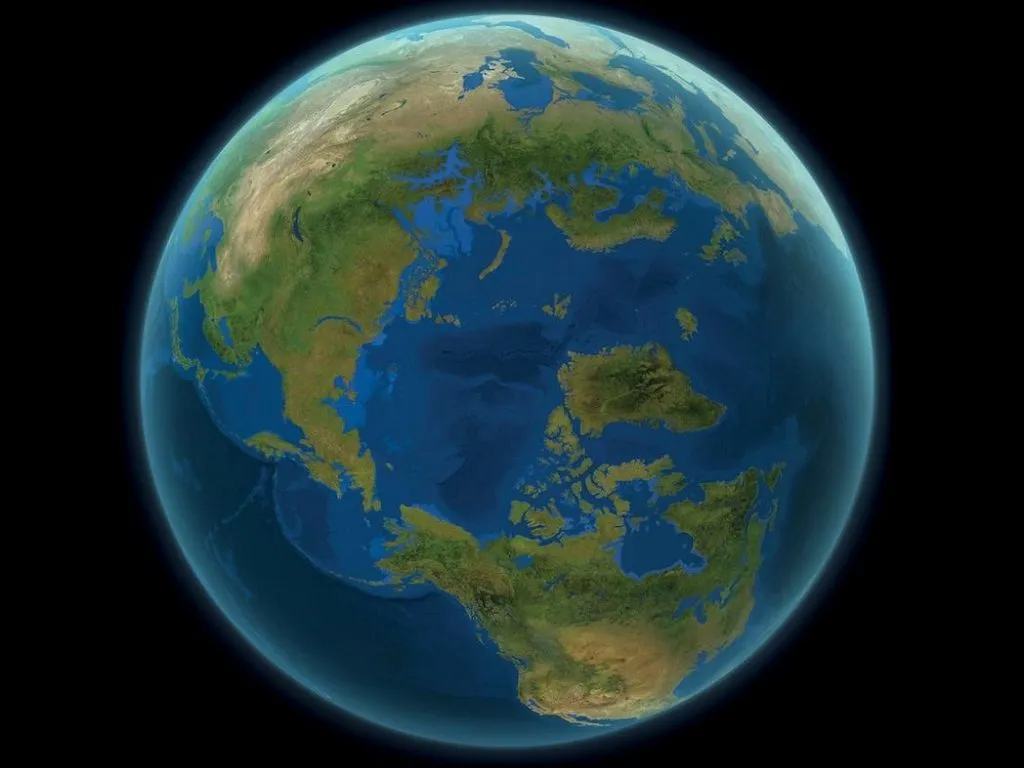
Around 50 million years ago, Earth had no glaciers. Today, it is partially covered with ice, but what will happen if the polar ice caps melt? How will our world look like and what will it happen to the environment, to humans and the animals whose lives depend on ice?

Scientists already know how the melting of glaciers will change the world because the event is already taking place. While the entire ice melting should take a few thousands of years, let’s take a look into the future and see how these changes will impact the entire planet. You’ll notice some of these events are already taking place!

20. A Longer Day
ranker.com

According to Steven Dutch (University of Wisconsin-Green Bay), when the polar ice caps melt, the day will be a little longer. How longer? Well… only around 2/3 of a second.

The melting of ice caps will redistribute the water on Earth and create a moment of inertia, so the rotation of Earth will be slightly slower.

19. Massive Earthquakes
phys.org

It seems that all the ice melting on Earth will bring a slew of Biblical catastrophes. That includes massive earthquakes, explains Anthony Fordham, editor of Popular Science Australia. He likens Earth with a Ping-Pong ball that has a dent in it…

Here’s his fun and doomsday explanation.

18. Antarctica’s Volcanoes Will Also Erupt
usa-today.com

The dent in Earth is the pressure that the sheet of ice lays on top of Antarctica. When the ice is remove, Earth’s crust will pop out and cause intense earthquakes all over the world.

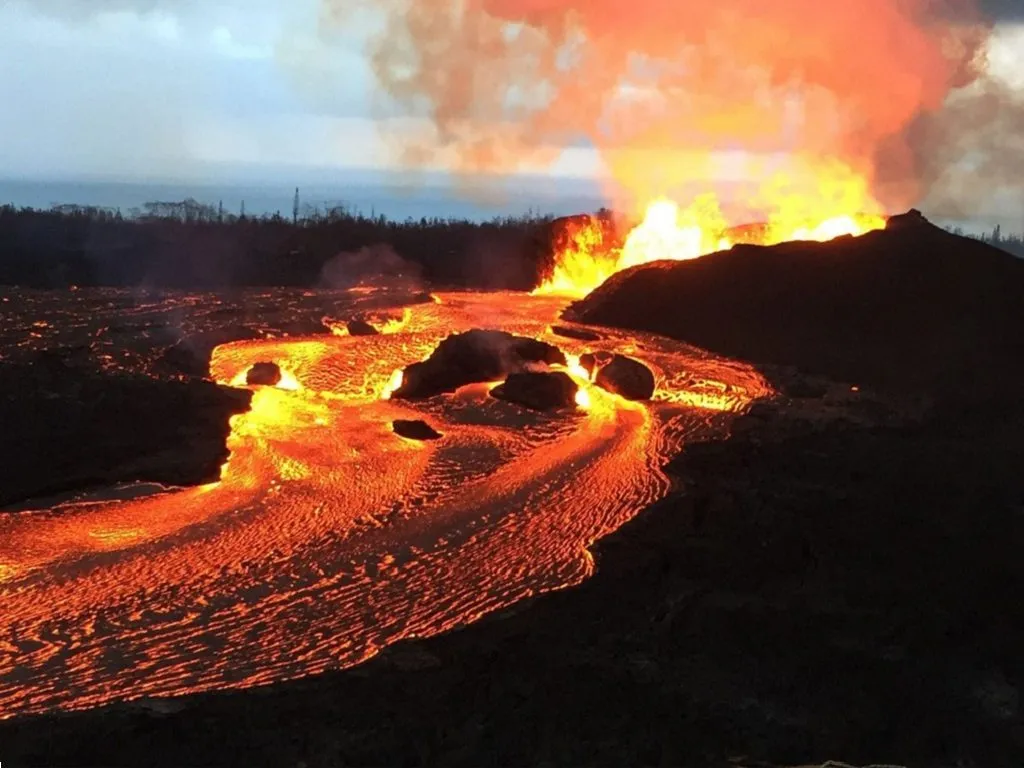
Not to mention that the seismic activities will also make all the active volcanoes in Antarctica erupt.

17. Civil War?
independent.co.uk

In an interview with the National Geographic in 2013, Dr. Hal Wanless from the University of Miami stated that the rising water could lead to war:

“We’re going to see civil unrest, war. You just wonder how—or if—civilization will function.”

16. Huge Cities Underwater
ranker.com

The melting of polar ice caps will lead to evacuation of large cities like Miami or London who will be underwater. This lead to a huge refugee problem. By the next century, millions of people will need to find someplace else to live since the sea levels keep on rising.

15. Viruses Waiting to Be Released
imgur.com

Biologist Elena Giorgi knows that the permafrost hides many pathogens from antique times. With the thawing and melting of polar ice caps, many viruses and bacteria will be released. Giorgi explains that researchers have already discovered a “giant” prehistoric virus they named “pithovirus.”

14. Polar Bears Will Go Extinct
nationalgeographic.com

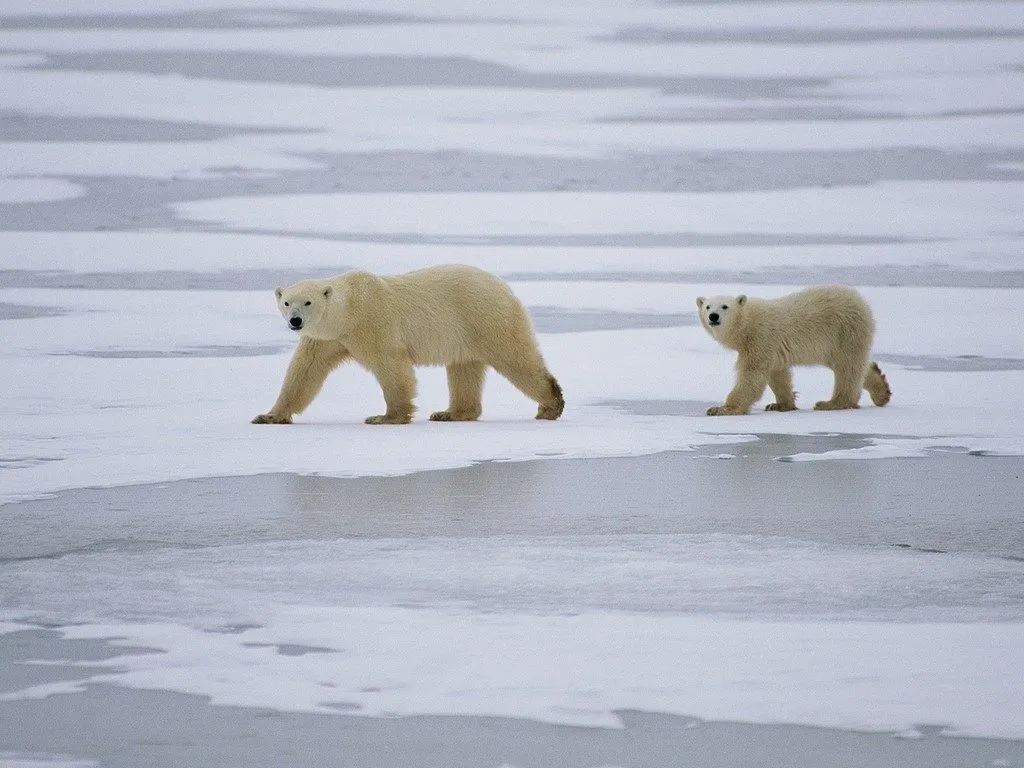
Considering polar bears live on the Arctic ice and their lives depend on that habitat, they will soon be extinct. According to Alun Anderson, the Arctic will be open ocean by 2050 and the “killer whale living in open water will be the symbol of the Arctic, replacing a bear on ice.”

Walruses will also go extinct, since the mothers give birth on ice…

13. We’ll Have A Hot Earth
nasa.gov

Losing the ice caps will end with a hotter planet because of the albedo effect. Sunlight is reflected by ice into the atmosphere and the open water that will be at the North Pole instead of ice would absorb the sun radiation and make our planet warmer!

12. Expect Extremely Weird Weather
imgur.com

Weather will get wacky with. Winds will slow, so we’ll see some strange persistent weather, like very long periods of rain, snow storms or in the summer longer periods of heat and droughts.

11. New ‘Trans-Arctic’ Shipping Routes Will Form
taas.com

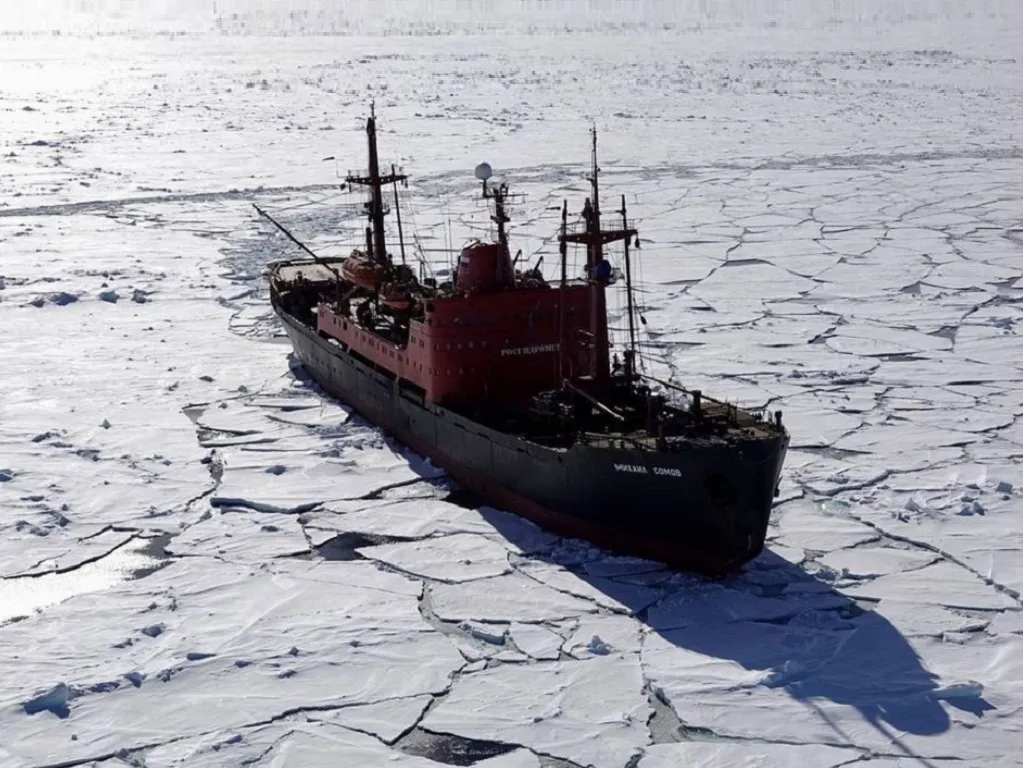
According to researchers from the Ohio State University, by 2050, “common open-water ships” will be able to cross the Arctic in the summer and bigger “ice-strengthened ships” will get “robust new routes.”

Global trade will increase, but so will vessel safety standards, environmental protections, among others, explained researchers.

10. Alaska’s Infrastructure Crumbles
discovermagazine.com

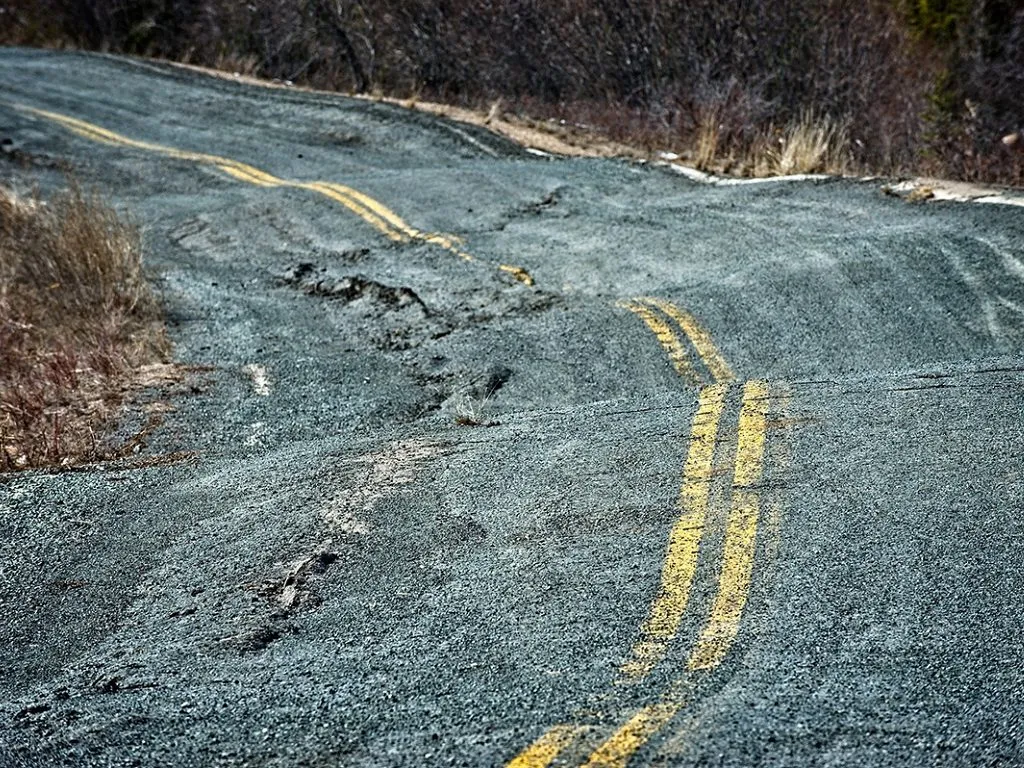
Cathleen Kelly (Center for American Progress) already reported that the permafrost is “sinking unevenly, causing highways, pipelines, railroads, runways, and other infrastructure to buckle.” With all the ice caps and glaciers melting, the infrastructure will crumble, and fixing it is very expensive!

9. Exploiting Oil In the Arctic
forbes.com

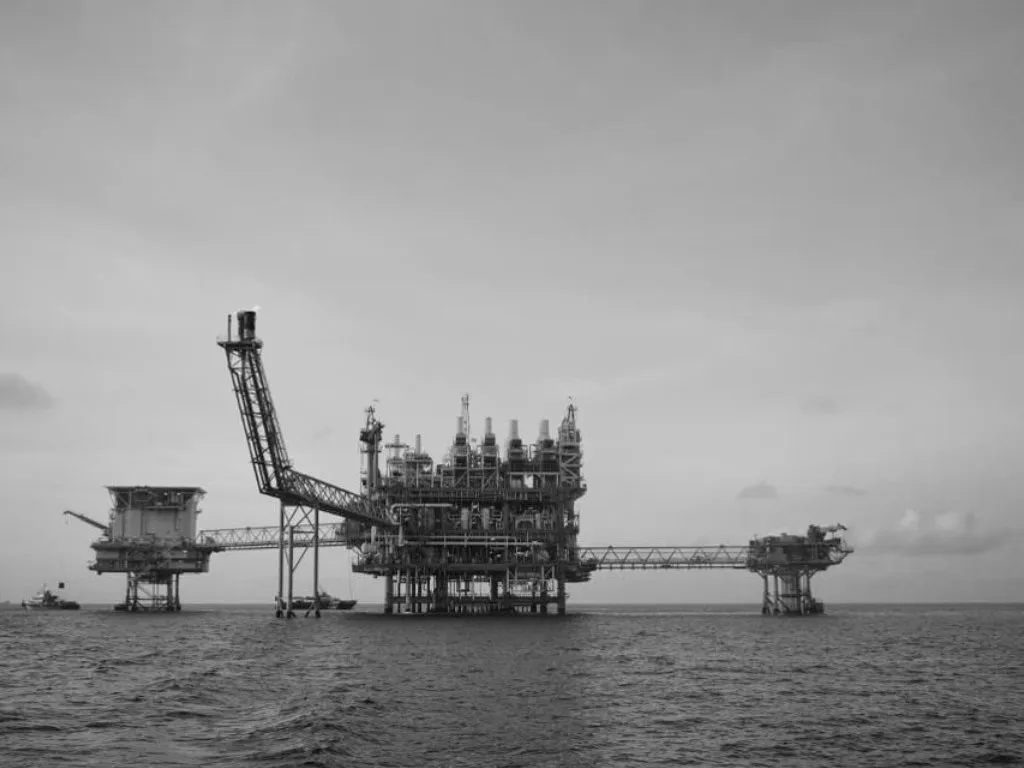
In 2015, Shell tried to exploit oil in the Arctic, but they finally gave up. They said they chose to stop it because of the “significant regulatory restrictions” from the government, but the main reason was the ice, severe winters and drifting ice. With all the ice gone, imagine how easier it would be for these companies to exploit oil…

8. Inuits Will Also Suffer
arcticjournal.ca

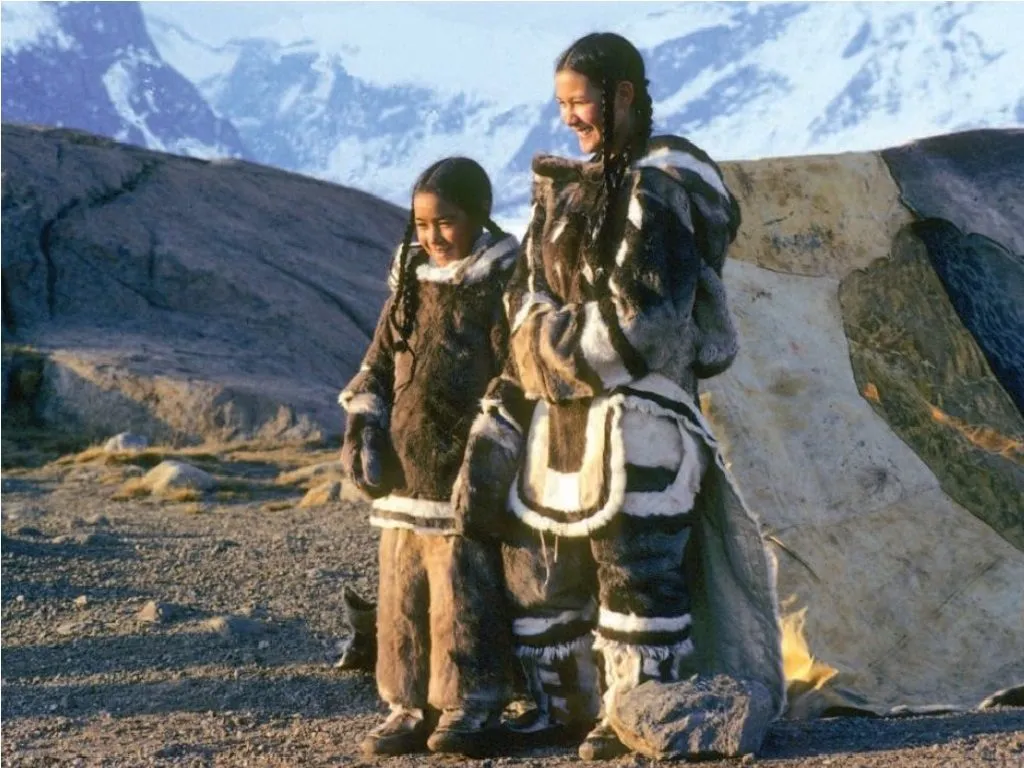
The Inuit people will have to adapt and change their way of life. According to the Canadian Inuit spokesman, Jose A. Kusugak, the people already are feeling the changes, and they will have to “completely reinvent what it means to be Inuit.” Researcher Dr. Lori Lambert added that they will also have to move and their traditions will be lost, since their “cultural identity depends on [the Arctic landscape].”

7. “We Are Nothing”
greenland.nordicvisitor.com

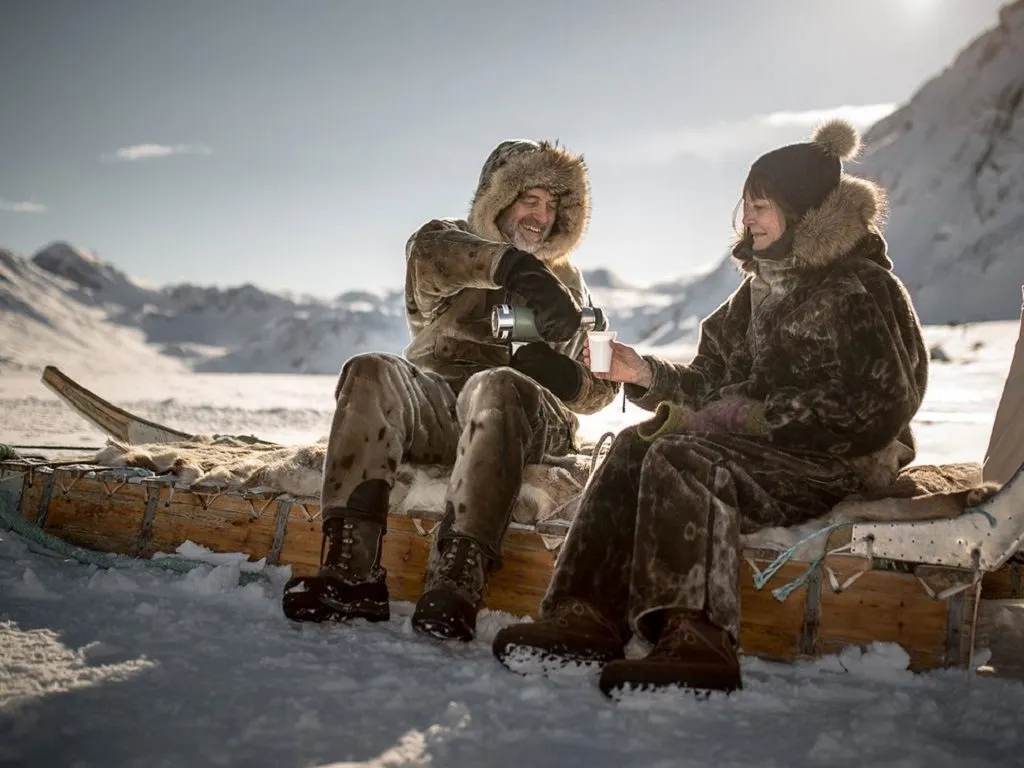
Kusugak said that no matter how Inuit’s lives will be in the future, “it will not be an uninterrupted continuation of the traditional ways.” In Qaataak, Greenland, the Inuit stated that “without the ice, we are nothing.”

6. Earth’s Continents Without Ice
nationalgeographic.com

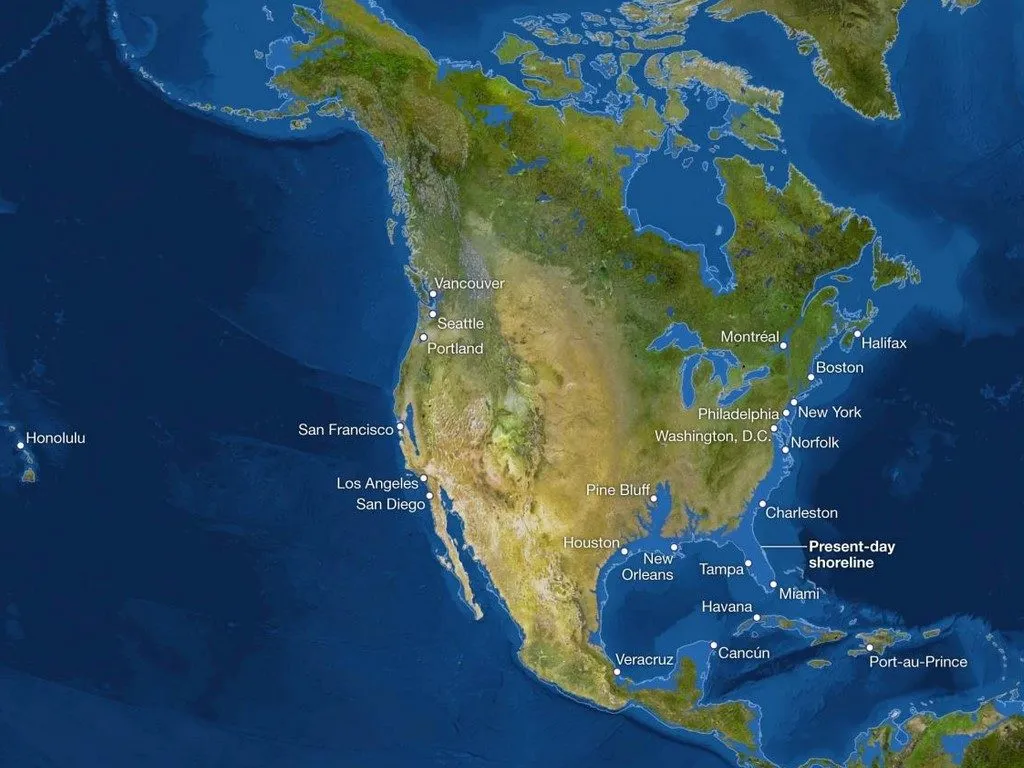
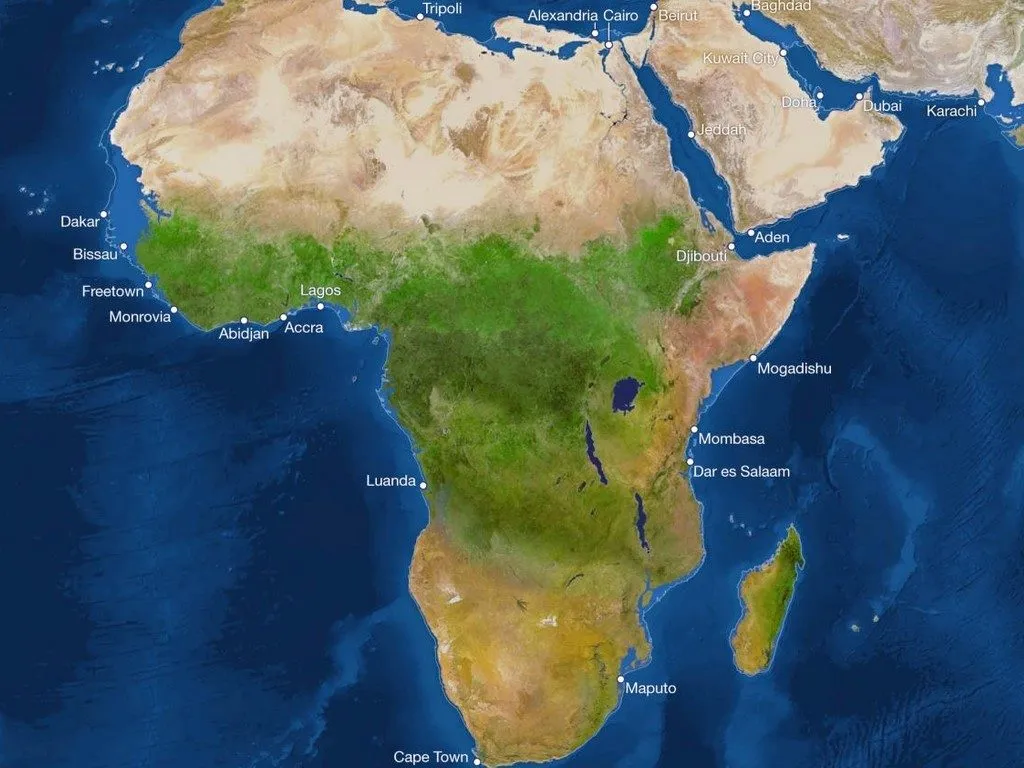
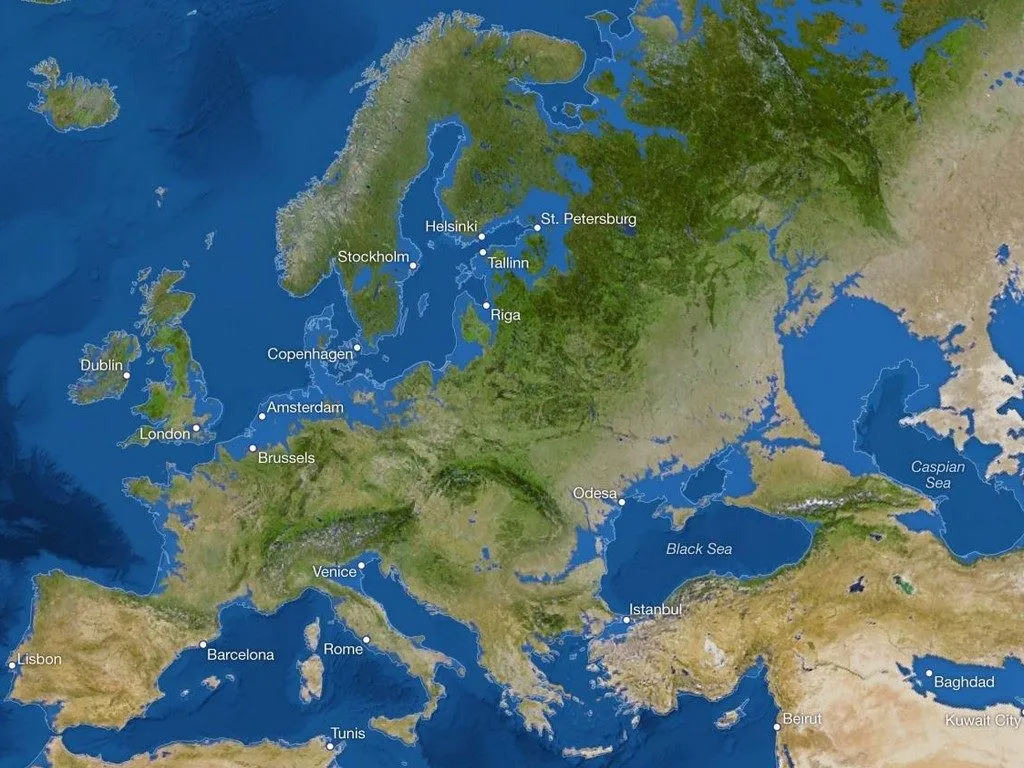
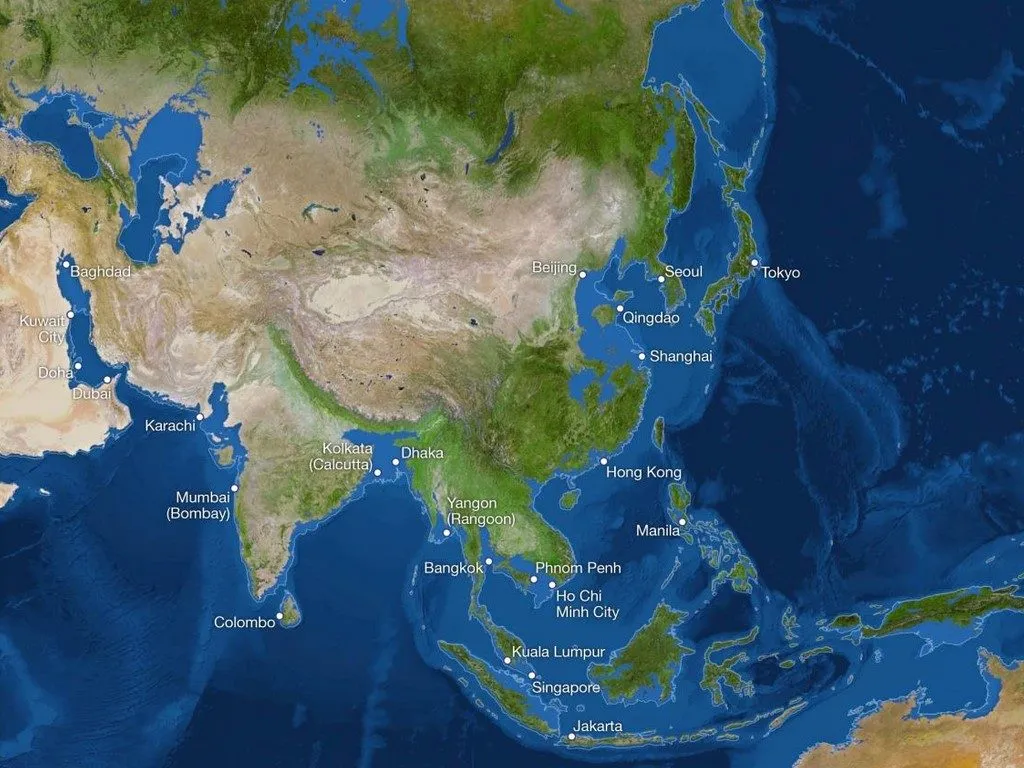
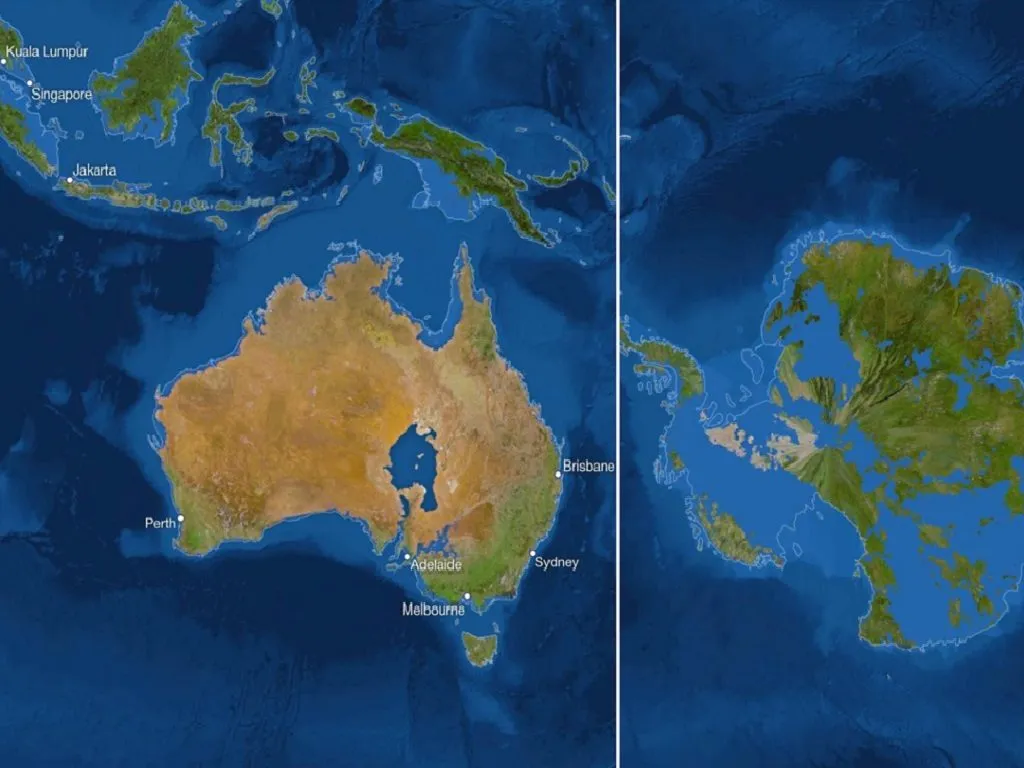
Wondering how the maps will look if the Earth will be left with no ice? Here’s how the coastlines across some continents will look, when all the ice on land will get drained in the sea. It would raise the sea level by 216 feet and create new shorelines, new inland seas, while it will also drown many cities across the globe…

5. North America – No More Florida
nationalgeographic.com

Imagine there’s no Florida and Gulf Coast. Look at California, where San Francisco’s hills will become islands and the Central Valley will be just a giant bay.

4. Africa – Uninhabitable Regions, Now More Alexandria and Cairo
nationalgeographic.com

While Africa will keep most of its land, the extreme weather will make a huge region uninhabitable. Africa will lose Alexandria and Cairo, which will be swallowed by the Mediterranean.

3. Europe – No More London and Venice
nationalgeographic.com

Among many other lost shorelines, London and Venice will be swallowed by the sea. Netherlands will be gone, and so will most of Denmark. The Mediterranean will expand and raise the levels of the Black and Caspian Seas.

2. Asia – China and India Will Lose Massive Lands
nationalgeographic.com

Right now, that shoreline that is swallowed by the seas in China is inhabited by 600 million people. In the coastal India, 160 million people will have to find new homes and Cambodia’s Cardamom Mountains will become an island.

1. Australia Gets a New Inland Sea
nationalgeographic.com

Australia will get a new sea, but most of the narrow coast will be lost. Unfortunately, most of the population lives on the coastal strip.

As you can see, some of the extreme changes from ice melting on Earth are already happening and there’s nothing we can do to stop it. Let’s say the good news is the complete melting of the ice caps will happen thousands of years in the future.

The global race to produce hydrogen offshore

The global race to produce hydrogen offshore

Chris Baraniuk, Tech Business reporter     February 12, 2021
Wind turbines stand at the Riffgat offshore wind farm, Germany
Excess energy from windfarms could be stored as hydrogen


Last year was a record breaker for the UK’s wind power industry.

Wind generation reached its highest ever level, at 17.2GW on 18 December, while wind power achieved its biggest share of UK energy production, at 60% on 26 August.

Yet occasionally the huge offshore wind farms pump out far more electricity than the country needs – such as during the first Covid-19 lockdown last spring when demand for electricity sagged.

But what if you could use that excess power for something else?

“What we’re aiming to do is generate hydrogen directly from offshore wind,” says Stephen Matthews, Hydrogen Lead at sustainability consultancy ERM.

His firm’s project, Dolphyn, aims to fit floating wind turbines with desalination equipment to remove salt from seawater, and electrolyzers to split the resulting freshwater into oxygen and the sought-after hydrogen.

Plan of offshore hydrogen plant


The idea of using excess wind energy to make hydrogen has sparked great interest, not least because governments are looking to move towards greener energy systems within the next 30 years, under the terms of the Paris climate agreement.

Hydrogen is predicted to be an important component in these systems and may be used in vehicles or in power plants. But for that to happen, production of the gas, which produces zero greenhouse gas emissions when burned, will need to dramatically increase in the coming decades.

Mr. Matthews says his firm’s project is just getting going, with a prototype system using a floating wind turbine of roughly 10 megawatt capacity planned, but not yet built.

It’s possible that the system could be based in Scotland and the aim is to start producing hydrogen around 2024 or 2025.

But there are many other ventures in this area besides Dolphyn.

Wind turbine maker Siemens Gamesa and energy firm Siemens Energy are ploughing 120m euros ($145m; £105m) into the development of an offshore turbine with a built-in electrolyzer.

German energy company Tractebel is exploring the possibility of building a large-scale, offshore hydrogen production plant powered by nearby wind turbines; and UK-headquartered Neptune Energy is seeking to convert an oil platform into a hydrogen production station, which will pump hydrogen ashore to the Netherlands via pipes that are currently transporting natural gas.

Q13a oil platform
There are plans to convert this old North Sea oil platform into a hydrogen production plant


All of the excitement around hybrid wind energy and hydrogen generation systems is partly down to climate commitments but economics are also involved.

Large-scale hydrogen electrolyzers are becoming more available while the costs of installing wind turbines has fallen “dramatically”, says James Carton, assistant professor in sustainable energy at Dublin City University.

He and others think the time is right to kick-start large-scale hydrogen electrolysis at sea, though the idea has been around for many years.

ITM Power electrolyser stacks
Electrolyser stacks break seawater down into hydrogen and oxygen


Oyster is yet another project in this area, and involves a consortium of companies including Danish energy firm Ørsted and British electrolyzer specialists ITM Power, among others.

In the first instance, a wind turbine will power an onshore electrolyzer that will churn out hydrogen. The device will be exposed to sea spray to simulate, to a degree, the harsh environment facing offshore equipment. ITM intends to design a system compact enough to fit into a single wind turbine.

The firm’s chief executive, Graham Cooley, points out that it is much easier to store molecules such as hydrogen than electrons in batteries.

“All the renewable energy companies… they’ve realized they’ve got a new product,” he adds. “Now they can supply renewable molecules to the gas grid and industry.”

The Oyster consortium hopes to have shown off a demonstrator of its system within 18 months.

ITM Power Electrolyser
ITM plan to build a hydrogen-producing unit that can fit into a wind turbine


Among the many potential uses for hydrogen is as a fuel for gas-burning boilers in homes. Converting the domestic gas grid to provide hydrogen, and fitting homes with boilers capable of burning it, would be a huge task.

However, it would mean that excess wind energy could in principle be used to supply this giant system, meaning very little of that energy would go to waste, says Mr. Carton, referring to the gas main pipes scattered around the UK and Ireland: “We have a big tank, it’s just a really long tank in the ground.”

For some, this is all very exciting. But there are hurdles yet to overcome. A spokesman for the wind energy industry body WindEurope says that while renewable hydrogen produced via wind-powered electrolysis is “future-proof”, a decade or so of technological development is required before these systems will have a larger impact.

Jon Gluyas, Ørsted/Ikon chair in geoenergy, carbon capture and storage at Durham University, adds that the real question is whether it is cost-effective to set up such equipment at scale. Proponents, unsurprisingly, argue it is – but with energy systems the proof is only ever in the pudding. Ultimately, Prof Gluyas says a mix of different technologies and approaches will be needed for countries like the UK to be carbon neutral.

For Mr. Carton, the vision remains tantalizing. Schemes that solve the problem of wind’s variability by using excess power to good use could be transformative, he argues: “It’ll change the way we look at renewables.”

Champs-Élysées to Become an Urban Garden

The B1M – Cities

Champs-Élysées to Become an Urban Garden

Tim Gibson                                   February 11, 2021


PARIS Mayor Anne Hidalgo has given the green light for the city’s iconic Champs-Élysées to be transformed into an urban garden.

Traffic congestion has seen the famous boulevard lose its grandeur over recent decades, and many local Parisians have abandoned it in favour of more pedestrian-friendly avenues.

Hidalgo hopes to bring the road back to its people by removing its outer lanes, widening pedestrian areas, planting more trees and greenery, and creating dedicated bicycle lanes.

Plans were first proposed in 2019 by local community leaders who begged the government to restore the road to its former glory.

The mayor then made it a cornerstone of her February 2020 reelection campaign.

Above : The Champs-Élysées will be “returned to the French people” with wider pavements, bicycle lanes and more green spaces. Images courtesy of PCA Architecture.

The massive overhaul is part of a £225M project to regenerate Paris’ streets and make the city greener and more people-friendly.

Throughout Paris, 140,000 on-street car parking bays will be removed and replaced with vegetable allotments, food composting, playgrounds, bicycle lock-ups and more trees.

Local residents have been consulted on what they’d prefer the spaces to be used for.

“We can no longer use 50% of the capital for cars when they represent only 13% of people’s journeys,” deputy mayor David Belliard told The Times.

“We have to plant greenery in the city to adapt to the acceleration of climate change. We want to make the air more breathable and give public space to Parisians who often live in cramped flats.”

While plans for the rejuvenation of Paris pre-date COVID-19, the pandemic has expedited the entire process.

City-wide lockdowns have shifted the perspective of many Parisians – and others around the world.

There is a newfound emphasis on public transport, green spaces, parks and community.

Hidalgo has become a major proponent of the “fifteen minute city”, where all residents will be able to reach necessary amenities such as shops, parks and offices within a fifteen minute walk or bike ride.

This concept is starting to become popularized across the world with many cities using their lockdowns to implement car-free infrastructure.

Copenhagen continued with plans to become completely carbon-neutral by 2025 and have 75 percent of all journeys be done by foot, bicycle or public transport.

Like Paris, the city has started transforming many of its parking bays into areas for plants and trees.

During the April lockdown, London also shifted space on its roads over to bicycles, expanding its network of cycling lanes.

As cities begin to rebuild from the pandemic, Paris offers a glimpse of what a post-COVID city could look like.

Header Image courtesy of PCA Architecture.

Invasive Asian carp is getting a new name and a public makeover to draw more eaters

Invasive Asian carp is getting a new name and a public makeover to draw more eaters

Keith Matheny, Detroit Free Press               February 8, 2021


DETROIT – Care for a plate of slimehead? How about some orange roughy?

It’s the same fish, but one sounds much more palatable than the other. The U.S. National Marine Fisheries Service gave the slimehead a rebranding in the late 1970s in an effort to make the underused fish more marketable.

Now, Illinois officials and their partners want to give the invasive Asian carp threatening the Great Lakes a similar makeover. The goal: To grow the fish’s image as a healthy, delicious, organic, sustainable food source — which will, in turn, get more fishermen removing more tons of the fish from Illinois rivers just outside of Lake Michigan.

Markets such as pet food, bait and fertilizer have expanded the use of invasive Asian carp in recent years. But “it’s been hard to get the human consumption part of this because of the four-letter word: carp,” said Kevin Irons, assistant chief of fisheries for the Illinois Department of Natural Resources.

A full-on media blitz is coming later this year to change that. The proposed new name for the fish is being kept tightly under wraps for a big rollout in June, prior to the Boston Seafood Show in mid-July. But other aspects of the “The Perfect Catch” campaign will point out that the invasive Asian carp species — silver, bighead, grass and black carp — are flaky, tasty, organic, sustainable, low in mercury and rich in protein and omega-3 fatty acids.

“To us in America, we think of carp as a bottom-feeding, muddy-tasting fish, which it is sometimes,” said Dirk Fucik, owner of Dirk’s Fish and Gourmet Shop in Chicago, who has had success with occasional serving of Asian carp to customers and is participating in the rebranding effort.

“But Asian carp is a plankton-feeder. It’s a different type of flesh — much cleaner, sweeter-tasting meat.”

Fucik called the upcoming national marketing campaign “the biggest push that we’ve seen so far with these fish.”

Asian carp were introduced in the southern U.S. in the 1960s and ’70s to control algae blooms in aquaculture facilities, farm ponds and sewage lagoons. Floods and human mismanagement helped the carp escape into the Mississippi River system, where their spread exploded.

Clint Carter (not in the photo) pulls up a fishing net that caught carps on the Illinois River in Chillicothe, Ill., Wednesday, Feb. 3, 2021.


A 2019 study looking at 20 years of fish population data on the upper Mississippi River confirmed bighead, silver, grass and black carp out-compete sport fish, causing population declines for prized species such as yellow perch, bluegill, and black and white crappie.

Should Asian carp make it into the Great Lakes, many scientists believe they would cause a huge disruption to the aquatic food chain and damage, perhaps irreparably, a $7 billion annual Great Lakes fishery.

Plans are in the works for a $778 million Asian carp barrier at the Brandon Road Lock and Dam on the Des Plaines River about 27 miles southwest of Chicago in Joliet, Illinois. The barrier will include electricity, unappealing sounds for fish and gates of bubbles as deterrents.

But old-fashioned fishing of pools of carp in the river systems between the Mississippi and Lake Michigan is also proving effective in holding back the potential Great Lakes invaders.

Shawn Price, a commercial fisherman based in Fulton, Illinois, has fished the rivers for Asian carp on contract with the Illinois DNR since 2010. Then, they caught boatloads of carp, almost all 20 to 50 pounds, he said, with some up to 70 pounds or more. Now, the fish are typically 3 to 12 pounds, or even smaller, he said.

Clint Carter, center, pulls up fishing net that caught carps as Dave Buchanan takes them off the net on the Illinois River in Chillicothe, Ill., Wednesday, Feb. 3, 2021.


“We almost never catch a fish over 30 pounds anymore,” he said. “That mass that was there when we started, when they said they have to do something to save the lake, we have drastically cut it to shreds.”

Back when the program started, bighead carp made up about three-quarters of the catch. Now, they are less than 10%. The difference? Fishermen catch the bighead carp more easily, so they’ve caught them in far greater numbers over the years. “The bigheads don’t jump, the silvers do,” Price said.

It’s silver carp that provide the iconic images of fish jumping out of the water en masse, potentially endangering boaters. Fishermen can have silver carp trapped in six rows of netting “and they will jump over all six of them,” he said.

‘A huge opportunity for this market to expand’

State-contracted fishermen like Price drop their loads off at the dock, with state officials setting up markets for the carp.

“A lot of the fish are used for organic fertilizer, pet treats,” he said. “They sell a fair amount for … lobster bait, crawfish bait.”

Roy Sorce’s family ran a food service distributorship in Illinois for 49 years. Last year, he converted the business to Sorce Freshwater, seeing a future in Asian carp.

“We take the fish from the fishermen and we find markets to sell them,” he said — bait and fertilizer companies, as well as pet food and for human consumption.

Roy Sorce, owner and president of Sorce Enterprise poses for a photo in his office in Peoria, Ill., Wednesday, Feb. 3, 2021.

What started as 30,000 to 40,000 pounds of fish a week is now up to 80,000 pounds, with plenty of room to grow, he said. He hopes to add on-site processing of the fish in coming months.

“There’s a huge opportunity for this market to expand,” Sorce said. “We’ve already made inroads … it all has to do with education and marketing. Because of COVID, everyone is so tied up with other issues and priorities. They don’t want to deal with something new, or try something new, yet.”

In Kentucky, Asian carp have moved from the Mississippi and Ohio rivers into tributaries and in two of the state’s biggest reservoirs, Kentucky and Barkley lakes. Peoria, Illinois-based Colgan Carp Solutions has worked with fishermen there to take Asian carp for use as lobster bait in New England.

“The fishermen liked it — they said it fishes well. It’s an oily fish,” founder Brian Colgan said.

COVID-19’s impacts on tourism and restaurants have hit the lobster market hard as well, so demand dried up over 2020, he said.

“The good news is the fishermen started calling again in September and October,” he said.

In Canada, Montreal-based Wilder Harrier last year introduced an Asian carp-based dog food.

Quebec-based Wilder Harrier pet food company is now distributing a dog food using invasive Asian carp as its primary protein source.

“We want to tackle the unsustainability of our food system at large … the heavy use of animal protein in a growing human population of 10 billion people that we just cannot sustain,” company co-founder and CEO Phillippe Poirer said. “We decided to start with our pets.”

Among the company’s products are pet treats made from protein from crickets and a species of fly. Learning of the Asian carp problem just outside the Great Lakes, it seemed a fit, Poirer said.

“Trying to reduce the environmental impact of our food system includes protein sources from species that are damaging our ecosystem, such as invasive species,” he said. “Asian carp has a lot of small bones and really is not ideal as a fillet fish for human consumption. But once ground up, it’s perfect for cats and dogs. It has a great nutritional profile, and it’s very appetizing for them.”

Ah, them bones. Asian carp have many tiny pin bones throughout their fillets. They’re actually so small as to be edible, but they are a hurdle for an American market, Fucik said.

“American people do not like bones,” he said. “Chinese people will eat a fish right off its bones, but in America, people want a 4-ounce salmon fillet, skinless, boneless, that grows on a tree.”

Some higher-order filleting and meat-grinding, however, can overcome the pin bone issue, Fucik said.

The upcoming Asian carp — or whatever the fish will soon be called — marketing push will seek to connect with grocery stores, restaurants, and institutional places such as universities and food pantries. “Anybody who needs to eat proteins,” Irons said. The message: “If you try it, it’s going to be delicious.”

Product analyst Daniel Webber, center, left, and operation processor Zach McGinnis take carps off a boat and throw them in tote boxes based the species at Sorce Enterprise in Peoria, Ill., Wednesday, Feb. 3, 2021.

And it’s all for a vital environmental cause. Sorce noted that the Brandon Road Lock and Dam Asian carp barrier proposed for Peoria is still about seven years or more away.

“We are a last line of defense,” he said. “If we can harvest these fish out of the Peoria pool, we can minimize the pressure going north.”