Florida teacher investigated by state for showing Disney cartoon movie in class

USA Today

Florida teacher investigated by state for showing Disney cartoon movie in class

Ana Goñi-Lessan, USA TODAY NETWORK – May 14, 2023

TALLAHASSEE, Fla. — A Florida teacher is under investigation by the state Department of Education after what she believes is a targeted attack by a school board member who took issue with a Disney movie shown in her classroom.

At a Hernando County School Board meeting Tuesday, fifth-grade teacher Jenna Barbee alleged school board member Shannon Rodriguez reported her to the Florida Department of Education for showing her students Disney’s 2022 movie “Strange World.” It’s the first Disney movie with an openly gay character.

Barbee, a teacher at Winding Waters K-8, said during public comment the Disney movie tied into her students’ Earth science lesson and did not have sexually inappropriate content.

“The word indoctrination is thrown around a lot right now, but it seems that those who are using it are using it as a defense tactic for their own fear-based beliefs without understanding the true meaning of the word,” Barbee said.

Florida educators are prohibited from teaching about gender and sexual identity due to the Parental Rights in Education Act, signed by Gov. Ron DeSantis last year. Also known as “Don’t Say Gay” by critics, teachers have expressed anxiety and confusion over the vague wording of the law for fear of losing their teaching licenses or criminal penalties if found in non-compliance.

Opponents of the law say the vague wording unfairly targets books and classroom materials with gay and transgender characters and themes.

DeSantis education bills: Florida Gov. DeSantis signs bill targeting teachers’ unions, classroom social media ban

Teacher speaks out in public comments amid investigation

Hernando County’s school district confirmed a fifth-grade teacher is being investigated for showing “Strange World,” and that a parent complained to the principal about the movie not being appropriate for students.

In Barbee’s public comments, she alluded to her seven-year-old expunged record on a fraud charge, acknowledging she has made mistakes but showing a Disney movie is not one of them. Barbee said every student in her class had a signed parent permission slip that said PG movies were allowed.

“I’m a first-year teacher. I’ve had to learn so much this year,” she told the USA TODAY NETWORK-Florida. “I work with teachers who have taught for 20 years, 30 years, tell me every day it never used to be like this.

“Times have changed so much and they are so micromanaged, they’re not allowed to teach anymore. They’re basically a caregiver who has to teach the standards. Teachers stay for the children, but because of the laws and the fear of being let go for saying one wrong thing, they can’t connect to their students.”

At the end of the school board meeting Tuesday, Rodriguez said Barbee broke school policy because she did not get the specific movie approved by school administration and said the teacher is “playing the victim.” Rodriguez’s daughter is also in Barbee’s class.

“It is not a teacher’s job to impose their beliefs upon a child: religious, sexual orientation, gender identity, any of the above,” Rodriguez said. “But allowing movies such as this, assist teachers in opening a door, and please hear me, they assist teachers in opening the door for conversations that have no place in our classrooms.”

Rodriguez, who was elected to the school board last fall, was endorsed by the conservative parents’ rights group Moms for Liberty. In her short tenure, she has argued there is “smut” and “porn” on schools’ library shelves and has asked for books to be removed, according to Suncoast News.

Rodriguez did not immediately respond to Tallahassee Democrat’s, part of the USA TODAY Network, request for comment.

Disney, DeSantis feud: Disney CEO Bob Iger escalates war of words with Ron DeSantis. Who’s winning the Florida feud?

Disney vs. DeSantis feud

“Strange World,” an animated sci-fi movie, was released by Disney in the late fall of 2022. The movie depicts a group of explorers who go on an adventure to find an exotic plant that serves as their society’s source of energy.

The main character, Ethan Clade, is gay and his storyline includes having a crush on another male character named Diazo.

Critics have blasted the movie as indoctrination and FOX News said it was the latest “in a year of woke disasters” for Disney. Disney refrained from showing “Strange World” in the Middle East, China, Indonesia, Turkey, Nigeria, Uganda and other countries because of the LGBTQ storyline.

“In countries where we operate, we seek to share our stories in their original form as we and the artists involved have created them. If we make edits, because of legal or other considerations, they will be as narrow as possible. We will not make an edit where we believe it would impact the storytelling. In that circumstance, we will not distribute the content in that market,” Disney said in its Human Rights Policy, which was updated in 2022.

"Strange World" features the voices of (clockwise from top left) Lucy Liu as Callisto Mal, the leader of Avalonia; Jake Gyllenhaal as farmer and father Searcher Clade; Dennis Quaid as diehard explorer and Searcher’s father, Jaegar Clade; Gabrielle Union as pilot and mother Meridian Clade; and Jaboukie Young-White as the youngest Clade, Meridian and Searcher’s son, Ethan.
“Strange World” features the voices of (clockwise from top left) Lucy Liu as Callisto Mal, the leader of Avalonia; Jake Gyllenhaal as farmer and father Searcher Clade; Dennis Quaid as diehard explorer and Searcher’s father, Jaegar Clade; Gabrielle Union as pilot and mother Meridian Clade; and Jaboukie Young-White as the youngest Clade, Meridian and Searcher’s son, Ethan.More

Disney has been in a legal battle with Gov. Ron DeSantis since company leadership spoke out against DeSantis’ Parental Rights in Education law.

The governor has gone to war against the Magic Kingdom, escalating the back-and-forth until the Florida Legislature authorized what amounted to a hostile takeover of the Disney-allied Reedy Creek Improvement District that was created in 1967 to give the entertainment giant broad, self-governing powers.

“Disney had clearly crossed a line in its support of indoctrinating very young schoolchildren in woke gender identity politics,” DeSantis wrote in his book ahead of his expected announcement of his presidential candidacy.

Disney is suing DeSantis in federal court, charging him with violating the company’s free speech rights and claiming the governor led a “targeted campaign of government retaliation” against the company, a charge DeSantis dismissed as “political.”

DeSantis just like Putin; they’re both passing laws that force folks to flee their state and country. Concerned about exodus from Russia, Putin orders country to be made “attractive”

Ukrayinska Pravda

Concerned about exodus from Russia, Putin orders country to be made “attractive”

Ukrainska Pravda – May 12, 2023

Russian President Vladimir Putin has ordered that his country should be made “attractive financially and socially” to stem the tide of Russian emigration that occurred in 2022 due to “socio-economic conditions”.

Source: Kremlin-aligned news agency RBCInterfax

Details: Putin has signed a decree amending the migration policy concept for 2019-2025.

The concept now includes a clause stating that the authorities should create “attractive financial, social and other mechanisms for retaining human capital and reducing the outflow of the population” in Russia. The reason is that emigration from Russia increased in 2022 “under the influence of altered social and economic conditions”.

A clause has also been added to the concept that refers to the need to “create conditions for the return” from abroad of residents of the occupied territories of Ukraine who have left since the beginning of the full-scale invasion.

Other clauses added to the concept refer to “creating conditions to ensure that only persons who are in its territory legally may participate in civil and other legal relations on the territory of the Russian Federation”, as well as on “combating the formation of ethnic (multiethnic) enclaves”.

Do you really want to ‘make America Florida’? Under DeSantis, it’s a mean place”

The Miami Herald – Opinion

Do you really want to ‘make America Florida’? Under DeSantis, it’s a mean place” | Opinion

The Miami Herald Editorial Board – May 12, 2023

Alicia Devine/Tallahassee Democrat / USA TODAY NETWORK

Florida, under Gov. Ron DeSantis and Republican Legislature, is increasingly hard to recognize. It’s an intolerant and repressive place that bears scant resemblance to the Sunshine State of just a few years ago.

The 2023 legislative session cemented those appalling setbacks. Florida is now a state where government intrusion into the personal lives of Floridians is commonplace. What will it take for citizens to push back on this unprecedented encroachment on their rights? And, more broadly, what if Desantis supporters get what they want, which is to “make America Florida”?

The latest round of laws makes Florida sound more and more dystopian — something voters in the rest of the nation should note if they are considering what a DeSantis presidency could look like. The state has new rules for who can use which bathroom, what pronouns can be used in schools, which books can be taught and when women can get an abortion (almost never.) There are measures to strip union protections from public employees, keep transgender children and their parents from choosing to seek medical treatment, prevent universities from discussing diversity or inclusion and ban talk of gender identity or sexuality in schools all the way through 12th grade.

The governor, meanwhile, is consolidating power — with a personal militia to do his bidding and the ability, granted by the ever-compliant Legislature, to fly undocumented immigrants around the country on taxpayer dollars. Guns will be easier to carry, and the death penalty will be easier to impose, thanks to DeSantis and the Legislature.

Groups targeted

Forbidden speech, attacks on the rights of vulnerable groups, union-busting, a governor-controlled State Guard? Welcome to the mean state of Florida.

This session, lawmakers seemed to take delight in passing bills designed to push already-marginalized groups into the shadows. One bans children from drag shows (where’s parental freedom now?) Another makes it a misdemeanor to use bathrooms in public schools and other government buildings if the bathroom doesn’t correspond with your sex at birth.

That’s the same bill that led Rep. Webster Barnaby, a Republican from Deltona, to erupt into a thundering, Old Testament-style tirade at a House Commerce Committee meeting in April, calling transgender people “demons,” “imps” and “mutants from another planet.” He apologized later, but the fact that he felt free enough to go on that rant speaks volumes about the way Republicans in Tallahassee are thinking. And though the words were abhorrent even to some Republicans, in the end, that didn’t make a dent. The bill passed.

Lawmakers still had plenty more punishment to dole out: Florida also will start prohibiting teachers from asking for students’ preferred gender pronouns in schools, expanding the “Don’t say gay” law, and criminalizing gender-affirming care.

In addition to making it legal to carry a loaded and concealed gun, without training or a permit — that’s HB 543 — lawmakers made sure under SB 450 to lower the bar for the death penalty to eight votes from a 12-member jury, the lowest in the nation. They did that knowing that Florida has the highest number of exonerations in the country, with 30 people since 1973 wrongfully convicted and sent to Death Row, only to be cleared years later.

What happens if we continue to convict the wrong people? Republicans clearly don’t care. They had one main goal this session: to make DeSantis more right-wing than potential White House rival Donald Trump.

Court challenge

They may have succeeded with the six-week abortion ban, which goes into effect if the state’s current 15-week law weathers an ongoing legal challenge in the state Supreme Court. The six-week ban is especially cruel and punitive because many women don’t know they are pregnant within at that point. That could amount to forced pregnancy, a hellish concept if there ever was one — and one that may make even staunch Republicans blanch.

And don’t forget about immigration. Lawmakers sure didn’t. They passed a bill that will give DeSantis $12 million to continue his inhumane migrant relocation effort — the one that drew national attention last year when he treated a group of migrants like pawns, flying them from Texas to Martha’s Vineyard. The government will also prohibit local governments from providing money to organizations that issue identification cards to people illegally in the country and will require hospitals that accept Medicaid to ask about citizenship — no doubt intended to dissuade undocumented immigrants from seeking medical care.

Banning speech, discouraging medical care for immigrants, making transgender people feel unwelcome while making women less free and loosening up gun laws? This dark and angry place isn’t the Florida we know. It’s not the Florida we want.

Voters across the country should take note. As we head into a presidential election, the Florida that is emerging today under DeSantis’ tight control is a bleak cautionary tale.

Florida health care can now be denied based on moral, ethical, religious beliefs.

Pensacola News Journal

Florida health care can now be denied based on moral, ethical, religious beliefs. Explainer:

Brandon Girod, Pensacola News Journal – May 11, 2023

Florida Gov. Ron DeSantis signed Senate Bill 1580, “Protections of Medical Conscience,” into law on Thursday, allowing Florida health care providers and payors to refuse services based on their moral, ethical or religious beliefs.

Senate Bill 1580 was one of more than a dozen bills closely watched by LGBTQ advocates who were concerned health care providers and insurers would use it to deny health care or coverage of health care to transgender people.

The legislation defined “conscience-based objection” as based on “a sincerely held religious, moral, or ethical belief.” At several points over the legislative session that adjourned last week, Republican lawmakers invoked their Christian beliefs to question the existence of transgender people and support bills that restricted their access to transition-related medical care.

DeSantis endoresments Ron DeSantis picks up two big endorsements before Iowa showdown with Trump. Here’s who is backing him.

Opinion: Bill will allow denial of your healthcare based on moral, ethical, or religious beliefs

While the legislation says that health care providers can’t use it to deny care based on a patient’s race, color, religion, sex or national origin, attempts by Democratic lawmakers to extend those protections to gender identity and sexuality failed.

“This bill is a broad license for health care providers and insurance companies to refuse services to people. No one should be denied access to medical care. It gives health care providers and insurance companies an unprecedented ‘religious’ or ‘moral’ right to refuse to provide services. This puts patients in harm’s way, is antithetical to the job of health care providers, and puts the most vulnerable Floridians in danger. Our state should be in the business of increasing access to medical care, not giving providers and companies a sweeping carve out of nondiscrimination laws. Shame on the governor for putting Floridians’ health at risk to score cheap, political points,” said Brandon Wolf, press secretary for Equality Florida.

DeSantis-dominated legislative session: The priorities that sailed, struggled and sank

Opponents worry the measure could lead to medical discrimination, especially against the LGBTQ community.

The ACLU of Florida called the bill “shocking in its breadth, vagueness and government overreach into the private sector and regulated businesses,” in its response following the bill’s passage in the House.

“This bill will disrupt the delivery of health care as we know it. If signed into law, Florida’s over 22 million residents’ access to healthcare will be subject to the whims of someone else’s alleged ethical beliefs,” wrote Kara Gross, legislative director and senior policy counsel of the ACLU of Florida, in an op-ed.

The bill states that the intent is to ensure health care providers and payors, such as insurance companies, can care for patients “in a manner consistent with their moral, ethical, and religious convictions” and “be free from threat of discrimination for providing conscience-based health care.”=

The law will go into effect on July 1.

Here’s what it does:

Health care providers and payors can deny services based on their moral, ethical and religious convictions

The first section of the bill lays out its intent to provide the “right of medical conscience” to health care providers and payors. The bill says it’s meant to ensure those providers and payors can care for patients in a manner that is consistent with their moral, ethical and religious convictions.

According to the ACLU, the bill defines a health care provider as “any healthcare provider or facility licensed under a dozen different statutes, including doctors, nurses, pharmacies, hospitals, mental health providers, medical transport services, clinical lab personnel, nursing homes, and more.”

SB 1580: Read the full bill

It also states that the types of health care services they can deny are broadly defined as “including, but not limited to, medical research, medical procedures, testing, diagnosis, referral, dispensing medications, therapy, recordkeeping, and ‘any other care or service.’ ”

Health care payors include “any employer, as well as any health insurer, health plan, HMO, or ‘any other entity that pays for, or arranges for payment of, any health care service,’“ according to the ACLU.

Blocks healthcare providers and payors from liability for providing ‘conscience-based’ health care

The first section also lays out its intent to ensure that health care providers and payors are free from the threat of discrimination for providing “conscience-based” health care.

Prohibits medical boards, Department of Health from taking disciplinary action or denying licenses to such health care providers

The third section of the bill prohibits medical boards, or the department if there is no board, from taking disciplinary action against a health care practitioner’s license or denying a license to an individual if they have publicly spoken or written about a health care service or policy. This includes, but is not limited to, social media, according to the bill.

Gov. DeSantis is banking on Americans hating immigrants more than high insurance rates

Miami Herald

Gov. DeSantis is banking on Americans hating immigrants more than high insurance rates | Opinion

Fabiola Santiago – May 12, 2023

He’s got your back on the hate, red Floridians.

For starters, millions of your tax dollars have been designated by Gov. Ron DeSantis and the Legislature — no, not to subsidize our skyrocketing home insurance — but to ship planeloads of new immigrants to blue states.

The governor will fish them from the sea, if he has to, for publicity stunts.

His presidential aspirations need shocker headlines — and the oxygen in his $117 billion big government budget only left room for catering to your irrational immigrant-loathing and to fighting Disney World in courts over one opinion contrary to his.

Immigrant-hunting will be as expensive as the well-paid lawyers DeSantis is employing to uphold civil rights violations.

By signing into law a sweeping anti-immigrant bill, DeSantis has built his own wall around the state’s sea and land borders, hoping to outdo Donald Trump’s U.S.-Mexico effort, wimpy and inefficient by comparison.

The Republican governor and his sycophant Legislature figured out that all they had to do was terrorize people with the ruthless contents of SB 1718 — and asylum-seekers wouldn’t confuse the Sunshine State for a sanctuary.

It’s already working so well that immigrant construction workers in South Florida weren’t showing up to work this week for fear that there would be a round-up and they’d be deported, CBS News Miami reported.

READ MORE: Florida can’t run without immigrant labor, so good luck with your crackdown, Gov. DeSantis | Opinion

Red mandates

DeSantis calls his mandates “the strongest anti-illegal immigration law in the country to combat Biden’s border crisis.”

Ironically, he’s promoting the message in an explanatory document set in bold red and black lettering — the colors of Fidel Castro’s 26th of July Movement in Cuba and the Sandinistas’ National Liberation Front in Nicaragua, regimes from which immigrants are fleeing.

The new Florida immigration law, effective July 1, allows random audits of employers suspected of hiring unauthorized immigrant workers — opening the door to ethnic and racial profiling.

All those Hispanic business owners in Miami-Dade and other immigrant-populated communities who voted for DeSantis are being richly rewarded. (There’s a more appropriate verb that starts with an “s,” but I’m not allowed to use it). I don’t feel sorry for these voters. But I do for hard-working undocumented immigrants who aren’t hurting anyone and the families who love them.

The medical field — those providing care and their patients — will also be adversely affected.

If an immigrant without legal status has a medical emergency — a life-threatening illness, is having a baby or had a car accident, makes no difference — the law now requires that hospitals collect data about patients’ immigration status and document the money spent on providing them healthcare.

In addition, no Florida government entity is allowed to issue to immigrants an identification card of any kind, even if they have passports or birth certificates. Can’t get one without proof of legal entry.

People driving without a license is just what we need in Florida. And, nope, relatives can’t drive the undocumented, either, and stay within the law themselves. Drivers can be charged with a third-degree felony for knowingly giving an undocumented migrant a lift to church, school or work.

Do so, and risk being charged as a human smuggler.

In Miami, this means all the Cubans and Venezuelans who love Trump and DeSantis so much — and are housing, hosting, transporting or providing medical care for anyone without the right documentation — now have enforced restrictions to keep in mind.

If they operate as they have until now, on the fly, they become law-breakers.

Then, there’s the tightening of E-Verify, which makes it more difficult than ever for workplaces to hire immigrants.

A federal program for employers to confirm a person’s immigration status, operating since 1996, it became voluntary when President Bill Clinton signed it into law under the Illegal Immigrant Reform and Immigrant Responsibility Act. Later required, the program was expanded and made easier to use under President Barack Obama.

Not good enough for DeSantis, who says his state will strictly enforce E-Verify: Employers with 25 or more workers have to put through the system everyone’s immigration status — or face a $1,000 per day fine if an employee is found to be in the country illegally.

All companies, no matter whether they maintain your lawn, paint the walls or put on a new roof, have to comply. So the able-bodied, quick-learning, eager-to-work rafter who just got off the boat can’t work at your house.

No, Florida is no longer a place where immigrants can rebuild — in peace — lives lost to dictatorship, poverty, and violence, while in the process, contributing desperately needed labor to the United States economy.

Without a care for the state’s history (maybe he is a Midwesterner, as he tries to pass off himself in his political pamphlet-styled memoir) DeSantis — with the help of shameless legislators who are the descendants of exiles and other immigrants — has shut the door.

READ MORE: Lawmakers with no pride in their immigrant heritage help DeSantis crush our communities | Opinion

Why the persecution?

The governor needs your red vote badly to win the Republican presidential primary — and he’s sure that crushing immigrants is the key to voters’ hearts. So much so that he forgot all about the damage those pesky hurricanes and rising seas bring and the ensuing reconstruction.

But no worries about a state dependent on agriculture, tourism and construction, left without immigrant labor.

Write with a smile the big check to the insurance company that, after decades of paying, will tell you when you most need them — as is happening now to the insured in southwest Florida repairing homes destroyed by Hurricane Ian: The fancy door is a decoration and isn’t covered.

Write with a spring in your step the big check to the construction company charging you more because the owner can’t hire cheaper labor.

Your man in Tallahassee has delivered!

Now you can peel your eyes away from the white-world-is-ending Fox News reports from the southern border.

They really are bad for your health. The surge in blood pressure can provoke a stroke — and there won’t be a cheap, undocumented immigrant your family can hire to change your diaper.

This is the new world DeSantis and the Florida GOP have created, one conceived in hatred of The Other who, more often than not, was making our lives better.

Significant El Niño event is almost guaranteed this year, experts warn. And it could be a big one.

Live Science

Significant El Niño event is almost guaranteed this year, experts warn. And it could be a big one.

Harry Baker – May 12, 2023

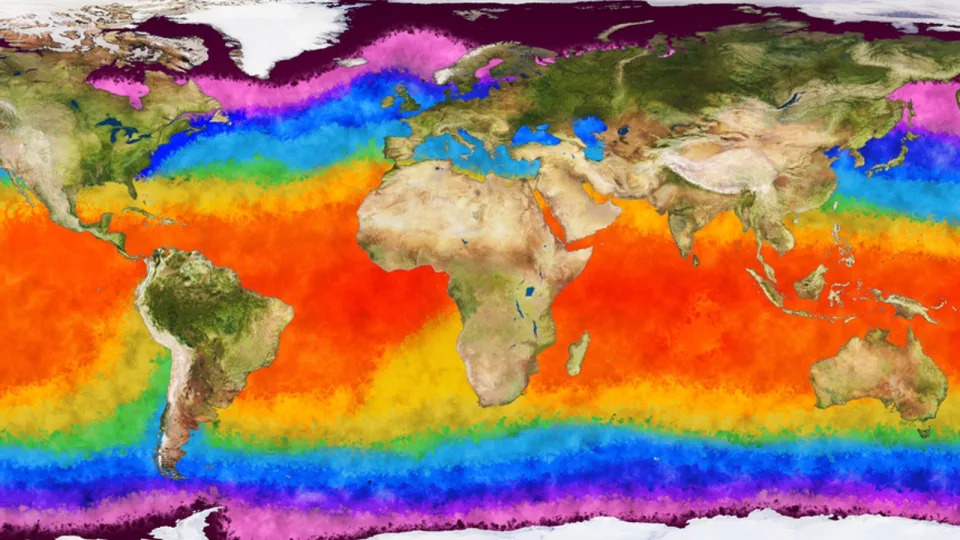
 A rainbow-colored map of the world showing different sea surface temperatures across the globe.
A rainbow-colored map of the world showing different sea surface temperatures across the globe.

The chance of the ocean-warming event known as El Niño hitting this year is now over 90%. It will likely begin in the coming months, and there is a good chance it will persist into 2024 and have a widespread impact, experts have warned.

El Niño, which means “the little boy” in Spanish, is a major climatic event caused by changes to ocean currents in the Pacific Ocean. This heating event is strong enough to trigger major changes in global weather patterns and seriously impact marine ecosystems, especially combined with the effects of human-caused climate change. El Niño, along with its counterpart La Niña, or “the little girl” — a cooling event triggered by changes to the same ocean current system — make up the El Niño-Southern Oscillation (ENSO) cycle.

Experts have suspected that an El Niño event could be on the horizon for some time. And on May 3, the World Meteorological Organization (WMO) predicted there was a 60% chance that it would begin between May and July.

But on May 11, the National Atmospheric and Oceanic Administration (NOAA) released its own forecast, which suggested that it is a near certainty that El Niño will begin during the same period. The agency also said there was a 90% chance that El Niño will persist into 2024.

Related: Is climate change making the weather worse?

“Keep your eyes peeled on the tropics, and don’t blink,” Nathaniel Johnson, a meteorologist at NOAA’s Geophysical Fluid Dynamics Laboratory, wrote in a NOAA blog post. “Conditions are evolving quickly!”

ENSO cycle 101

The ENSO cycle is mainly linked to trade winds in the Pacific Ocean that blow westward along the equator. Normally, this blows warmer surface waters from South America toward Asia, which are in turn replaced by cooler deep ocean waters in a process known as upwelling, according to NOAA.

Cyclone Freddy between Mozambique and Madagascar on March 8. The image was captured by the Visible Infrared Imaging Radiometer Suite (VIIRS) on the NOAA-20 satellite.

During El Niño, the trade winds weaken, which leads to reduced upwelling and in turn warmer surface waters. During La Niña, the trade winds are unusually strong, which has the opposite effect. Both events can trigger extreme weather events, such as the potentially record-breaking Cyclone Freddy that battered parts of Africa in February and March.

The periods between El Niño and La Niña events are known as ENSO neutral.

When was the last El Niño?

In the past, El Niño and La Niña events occurred roughly once every two to seven years, according to NOAA. But their appearance has recently become much more erratic due to the effects of climate change: In the last 50 years, the ocean has absorbed nearly 90% of the energy trapped by global warming, which has drastically increased sea surface temperatures, impacting the ENSO cycle.

The last El Niño event occurred between February and August 2019 and was quite weak. Between July 2020 and March 2023, a rare triple-dip La Niña suppressed rising global temperatures.

El Niño events normally last somewhere between nine months and two years but can be longer.

How strong will El Niño be?

It’s unclear exactly how strong this El Niño will become, but NOAA’s predictions suggest there is an 80% chance of at least a moderate El Niño, where sea surface temperatures will rise by 1.8 degrees Fahrenheit (1 degree Celsius), and a 55% chance of a strong El Niño, where temperatures will rise by 2.7 F (1.5 C).

Experts are also concerned that recent high sea surface temperatures will make the upcoming El Niño worse. In early April, the average global sea surface temperature was the highest in recorded history.

A map of the U.S. showing the effects of el nino. There is a warm front coming in from NW Canada, a dry patch over parts of NW America and a wet patch over the Southern US from California to Florida.

NOAA will provide more information on how El Niño is progressing in early June.

How will El Niño affect North America?

During El Niño, the weaker trade winds mean more warm water is pushed back east toward the west coast of the Americas. The warmer waters push the Pacific jet stream south of its neutral position, which impacts weather patterns in North America, according to NOAA.

RELATED STORIES

Climate ‘points of no return’ may be much closer than we thought

10 signs we got closer to climate disaster in 2022

World must act now to defuse ‘climate time bomb,’ UN scientists warn

For the northern U.S. and Canada, this can lead to warmer weather than usual, while eastern states often receive less rainfall. For the southern U.S. and northern Mexico, the result is often heavy rainfall, which can cause flooding and landslides.

The WMO expects global temperatures to rise to record levels during the next few years as La Niña’s cooling effect ends and El Niño begins, which could severely impact the lives of millions of people.

El Niño Is Coming in Strong, NOAA Says

Gizmodo

El Niño Is Coming in Strong, NOAA Says

Angely Mercado – May 12, 2023

Poisonous algae bloom affected major cities and fishing towns in Chile in 2016. Experts said it was linked to high temperatures stemming from the El Niño.

El Niño almost here, the global shift is likely to stick around until this winter, the National Oceanic and Atmospheric Administration announced this week. After an unusual three-year La Niña, all signs are pointing to changes in weather patterns for 2023.

Last month, NOAA said there was a 62% chance that El Niño would develop between May and July. Things have rapidly progressed, and now there is a 90% chance of El Niño forming and persisting into the end of this year, according to NOAA.

These two “siblings” are global climate shifts that are marked by cooler or warmer ocean temperatures and changes in global air currents, which alter weather and storm patterns. La Niña is associated with lower-than-average ocean temperatures, while El Niño is the opposite. Experts have noticed quickly rising ocean temperatures lately, one of the signs of a formation year.

What can we expect now that The Boy is coming to town? Ocean temperatures are going to rise above average. The Atlantic hurricane season is expected to be milder, because storms are more likely to form there during La Niña years. However, storms are more likely to form in the Pacific. In the U.S., the shift brings more rain to southern states and to the East Coast. It also brings warmer temperatures to northern states.

El Niño years are especially hot. This was certainly true in 2016, one of the hottest years on record, according to the World Meteorological Organization. Scorching temperatures have already pummeled Southeast Asia—just last week, Vietnam recorded its hottest temperature ever. Expect more extreme heat to come this year.

What Is Vitamin D3? And How Is It Different From Plain Ol’ Vitamin D?

Womens World

What Is Vitamin D3? And How Is It Different From Plain Ol’ Vitamin D? These and More Questions Answered Here

May Hwang – May 11, 2023

As a woman, prioritizing your health and well-being is essential to living a long and productive life. One way to do this is to ensure your diet includes sufficient vitamins and minerals. At the top of the nutrient list is one vitamin, in particular: vitamin D3. Known as the sunshine vitamin, vitamin D3 is produced naturally in our skin when exposed to sunlight. But let’s be honest. Our modern lives are lived primarily indoors, which means that most of us don’t get as much sun as we should. This is a problem, as vitamin D3 has been linked to several important health benefits, especially for women. Here’s a summary.

What is vitamin D3?

Simply put, vitamin D3 (also known as cholecalciferol or calcitriol) is a type of fat-soluble vitamin, meaning it’s stored in our fatty tissue and can be used by the body when needed. It helps the body absorb calcium and phosphate. This vitamin plays an important role in bone health, muscle strength, immune system support, and more.

Vitamin D3 is also available through certain foods like fatty fish such as salmon or sardines; however, most of us don’t get enough from our diets alone. Thankfully, our bodies produce vitamin D3 naturally when exposed to sunlight. This occurs when 7-dehydrocholesterol (or zoosterol) in our skin is transformed into cholecalciferol, the active form of vitamin D3.

Is vitamin D3 the same as vitamin D?

Vitamin D3 is a form of vitamin D that our bodies can use more efficiently, meaning it’s more bioavailable to us. The other type of vitamin D, known as vitamin D2 (ergocalciferol), is a plant-based form that is not as impactful in humans.

What are the signs of vitamin D deficiency?

Nearly 1 billion people worldwide are not getting enough vitamin D. Women are particularly prone to vitamin D deficiency due to hormonal changes, diet, and lack of sun exposure. Some common signs of a vitamin D deficiency include:

  • Fatigue
  • Weakness
  • Bone or muscle pain
  • Reduced immune function
  • Impaired wound healing
  • Hair loss
  • Depression
  • Poor concentration

If you’re experiencing any of these symptoms, getting tested for a vitamin D deficiency may be smart. Contact your doctor for advice and a referral to the appropriate testing facility.

Who is susceptible to vitamin D deficiency?

Anyone can be prone to a vitamin D deficiency, but certain groups of people are especially sensitive. These include:

  • People with darker skin: The higher levels of melanin in darker skin tones can make it harder for the body to absorb vitamin D3 from sunlight.
  • The elderly: As we age, our skin’s ability to synthesize vitamin D from sunlight decreases.
  • People who don’t get much sun exposure: This can include people who work indoors or wear sunscreen all the time.
  • Vegans and vegetarians: Animal-based foods are the main dietary source of vitamin D, so vegans and vegetarians need to be particularly mindful of their vitamin D intake.
  • Women: Female hormones can affect the body’s ability to absorb vitamin D.

It’s important to note that pregnant and nursing women are also at risk since they need extra nutrients to support the health of their babies. If you’re expecting, be sure to talk to your doctor about your vitamin D levels.

What are the benefits of vitamin D for women?

Vitamin D is essential for women for a whole lot of reasons. Here are just a few of the health benefits it provides:

Supports Mental Health

Did you know that vitamin D3 has a powerful impact on your mood? Research has shown that healthy levels of this vitamin can alleviate symptoms of depression and anxiety and improve overall mental well-being. This is because vitamin D3 helps trigger the release of feel-good hormones, such as serotonin and dopamine, in the brain.

Bolsters Immunity

Your immune system is your body’s frontline defense against illness, disease, and infection. Luckily, vitamin D3 can help keep your immune system strong, healthy, and ready to fight off anything bad that comes its way. It does this by activating T-cells, which are the cells responsible for attacking and destroying foreign invaders in the body.

Excessively low levels of vitamin D have been associated with autoimmune diseases like rheumatoid arthritis.

Promotes Strong Bones and Teeth

As women, we’re at a higher risk of developing osteoporosis than men, which is why it’s so important to make sure you get enough Vitamin D3. It helps with calcium absorption, which is essential for bone health, Without it, calcium can’t be absorbed, leading to softer bones and an increased risk of fractures. It’s also associated with rickets in children, which can cause muscle weakness, and both older adults and children could experience the loss of bone minerals (osteomalacia).

Boosts Fertility

Vitamin D3 is essential for fertility, as it helps regulate your menstrual cycle and ovulation. Low levels of vitamin D3 have been linked to menstrual irregularity, which can make it harder to conceive. Additionally, vitamin D3 helps reduce inflammation, making it easier for the body to maintain a healthy pregnancy.

Improves Cardiovascular Health

Studies have shown that Vitamin D3 can reduce the risk of developing heart disease. By decreasing inflammation, reducing high blood pressure (hypertension), and improving cholesterol levels, this vitamin could be part of your overall wellness plan. Vitamin D3 also helps your body absorb other essential vitamins and minerals, such as magnesium and zinc, which act as antioxidants and protect your arteries from damage.

Reduces the Risk of Breast Cancer

Breast cancer is a major concern for women worldwide, with nearly 1 in 8 developing it at some point in our lives. Vitamin D3, however, can help reduce risk of developing breast cancer. Researchers believe this vitamin helps suppress the growth of cancer cells in the breast tissue, making it a vital part of breast cancer prevention.

Regulates Hormones

Last but not least, vitamin D3 also plays an important role in hormonal balance. It helps to regulate hormones such as estrogen, progesterone, and testosterone which can all affect the way your body functions.

How much vitamin D is recommended for women?

It’s recommended that women get at least 600 International Units (IU) of vitamin D per day. This amount can be obtained through dietary sources such as eggs, fatty fish, or fortified plant-based milk, but the best way to get your daily dose is from exposure to sunlight. Just 15 minutes of sun daily can provide enough vitamin D to meet your needs. If you’re concerned that you have low levels of vitamin D, you can also talk to your doctor about taking a supplement.

Can too much vitamin D be dangerous?

Yes, it is possible to get too much vitamin D. This is called vitamin D toxicity. Overdosing on vitamin D can cause vomiting, dehydration, and even kidney damage in extreme cases. It’s also important to note that some medications can interact with vitamin D, so be sure to talk to your doctor before starting any vitamin D3 supplements.

How can you get more vitamin D?

Here are ten tricks to get you started:

1. Spend time outdoors.

Spend 15 to 20 minutes outside each day, or even better, go for a walk in the sun. As mentioned, you can get your daily dose of vitamin D from just a few minutes of sun exposure.

2. Eat foods rich in vitamin D.

Include eggs, fatty fish, mushrooms, and fortified plant-based milk in your diet. These foods are great sources of vitamin D and can help you reach your daily recommended amount.

3. Consume fortified foods.

Look for foods that have been fortified with vitamin D, such as cereal, oatmeal, cod liver oil, and some brands of orange juice. Egg yolks have a smaller amount of vitamin D but have more saturated fat.

4. Take a supplement.

If you’re unable to get enough vitamin D from diet or sunlight, consider taking a dietary supplement. Talk to your healthcare provider about the appropriate amount for you.

5. Stay away from tanning beds.

Tanning beds may seem like a way to get vitamin D, but they can actually be dangerous and increase your risk of skin cancer.

6. Wear sunglasses and sunscreen.

When spending time outdoors, be sure to wear sunglasses and sunscreen to protect your eyes and skin from UV (ultraviolet) rays.

7. Check the time of day.

Optimize your sun exposure by going outside around 12 PM. This is when the sun’s rays are most intense, so you can get the most vitamin D in the shortest amount of time.

8. Consider a vitamin D test.

If you want to know exactly how much vitamin D you need, consider getting a vitamin D blood test. This way, you can get an accurate evaluation of your current levels and ensure you meet your daily needs.

9. Monitor sun exposure.

If you’re worried about overexposure to the sun, keep track of how long you spend outside each day. Getting enough sun is important, but it’s also important not to overdo it.

10. Keep a consistent routine.

Try to establish a consistent routine of going outside and getting your daily dose of vitamin D. With this, you can ensure that you’re meeting your recommended amounts daily.

Vitamin D3 and Me

Vitamin D3 plays a vital role in women’s health and well-being. The nutrient is often overlooked, but its benefits are significant. As women, we need to prioritize our health and include Vitamin D3 in our everyday routine. Whether it’s through sun exposure, diet, or supplements, getting adequate amounts of Vitamin D3 is crucial to maintaining healthy bones, a strong immune system, and overall well-being. So, let’s soak up the sun (with sunscreen, of course), eat Vitamin D-rich foods, and supplement as needed to reap the benefits of this sunshine vitamin!

How Much Does Sleep Actually Impact Dementia Risk? Brain Health Experts Explain

Parade

How Much Does Sleep Actually Impact Dementia Risk? Brain Health Experts Explain

Emily Laurence – May 12, 2023

You don’t have to be a health expert to know that sleep (or lack of it) greatly impacts the body. Anyone who’s ever spent the night tossing and turning knows that not getting enough sleep means a day ahead of low energy, feeling cranky, trouble concentrating, and making unhealthy decisions. But not getting enough sleep has more than morning-after effects. A wealth of scientific studies show that consistently not getting enough sleep can be detrimental to long-term health in profound ways.

One that’s especially noteworthy is the connection between lack of sleep and dementia. Scientific studies have found that trouble falling or staying asleep, poor sleep quality and not sleeping long enough can all increase the risk of Alzheimer’s disease. This raises other questions, such as why this connection exists and how much sleep you actually need at night to protect your mind. Here, brain health experts explain everything you need to know.

Related: Want to Improve Your Brain Health? Experts Agree That This Is the Most Important Supplement to Take

Why Does Lack of Sleep Increase the Risk of Dementia?

Brain health experts are still attempting to learn what exactly goes on in the brain while we sleep, but there’s no question that the mind needs rest to continue functioning. “While we don’t fully understand the relationship between sleep and dementia, we know there’s a harmful cycle in which poor sleep increases your risk for developing Alzheimer’s or another dementia and, in turn, the dementia is associated with lower quality sleep,” says Dr. Percy Griffin, Ph.D., the Alzheimer’s Association’s Director of Scientific Engagement.

Even though there’s still a lot to learn about what happens while we sleep, Dr. Griffin says what we do know is that sleep is when the brain removes waste materials and also stabilizes memories to hold onto long-term. “Sleep disruptions can impair these processes,” he says.

Dr. Lynn A. Schaefer, Ph.D., ABPP-CN, a neuropsychologist at Nassau University Medical Center, says that REM sleep is especially important for this to happen. “REM sleep is when dreaming occurs, which may help with emotional processingMemories are also consolidated in the hippocampus during REM, and the brain helps flush out toxins, such as beta-amyloid, which contributes to brain and cognitive health,” she says.

Related: Why You Should Try a ‘Coffee Nap’—and Other Surprising Tips on How to Sleep Better

Dr. Schaefer explains that lack of sleep can cause an accumulation of beta-amyloid and tau, two proteins that build up in Alzheimer’s disease. As both experts explained above, REM sleep is when the brain removes these harmful toxins, preventing buildup. But Dr. Schaefer also points out that dementia is also a risk factor for poor sleep, so the relationship goes both ways. “If the reason for insufficient or poor-quality sleep is sleep apnea, or disturbed breathing during sleep, then the brain may get decreased oxygen which is also a risk factor for dementia,” she says.

Even though scientific researchers don’t know everything that happens inside the brain while we sleep, it’s clear that lack of sleep is detrimental to brain health. So, how much sleep helps protect against increasing the risk of dementia? Research shows that adults should be getting seven or more hours of sleep a night for optimal health. However, it can become harder to get consistent, good sleep as we age.

Related: Can’t Sleep? Sleep Experts Have 16 Ideas To Help You Finally Catch Some Zzzs

Reasons Why People Over 50 May Struggle With Sleep

People of any age can struggle with getting enough sleep, but there are certain reasons in particular why people over 50 may have a hard time. “As we age, there are changes to the part of the brain that controls the timing of sleep,” Dr. Griffin says. “These changes affect how long it takes to fall asleep, when you feel tired, and how many times you wake up at night.”

Dr. Schaefer says that common reasons include aches and pain, restless leg syndrome, increased urination or sleep apnea. She adds that there are also certain medications that can disrupt sleep.

People over 50 can also have trouble sleeping for the same reasons anyone else can. Perhaps they have a partner who snores. They may be experiencing anxiety or depression. Or, they work long or unusual work hours, which can impact their sleep.

Tips for Getting Enough Sleep To Protect Your Brain

Since getting enough sleep is crucial for brain health, if you aren’t getting enough, it’s important to take action. Both experts say that figuring out the root cause of your sleep issues is the first step. Then, act accordingly. For example, if you are experiencing aches and pain, restless leg syndrome or other sleep-preventing health ailments highlighted above, it’s important to see your healthcare provider and work together toward finding a solution.

Dr. Schaefer says that practicing good sleep hygiene can also go a long way in improving sleep. This means having a consistent bedtime, not using screens before bed, minimizing caffeine and alcohol, and having a wind-down routine in place that will help you feel relaxed as you power down for the night. “Some over-the-counter products, like low-dose melatonin or magnesium, can help, but one should speak to their primary care provider before starting anything,” she adds.

Not only will being well-rested decrease your risk for dementia, but you’ll find yourself feeling more energized in your day-to-day life too. That will help set you up for other healthy habits, such as eating nutrient-rich foods and exercising regularly—a dementia-preventing domino effect. And it all starts with sleep.

Next up, find out what daily habits can help reduce your risk of Alzheimer’s disease, according to a Cleveland Clinic neuropsychologist. 

They built a new life near Charlotte after Jan. 6. Now, husband, wife are going to prison.

The Charlotte Observer

They built a new life near Charlotte after Jan. 6. Now, husband, wife are going to prison.

Michael Gordon – May 11, 2023

Jeff Helsel/Photo courtesy
FBI Photo

The owners of “Free Folk Pastures” are no longer free.

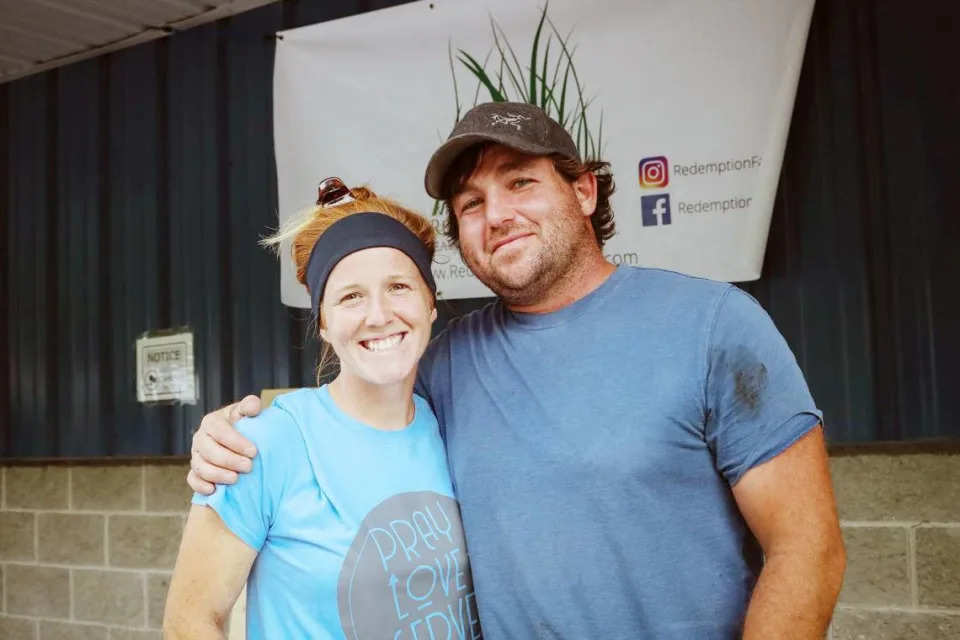
Instead, Dale “D.J.” Shalvey and Tara Stottlemyer, who run a regenerative cattle and poultry farm 45 miles north of Charlotte, have become North Carolina’s first husband and wife sentenced to prison for their roles in the Jan. 6, 2021, riot at the U.S. Capitol.

On Thursday, U.S. District Judge Timothy Kelly of Washington ordered Shalvey and Stottlemyer to serve 41 and eight months, respectively. They will begin their sentences at a later date.

Kelly, who was appointed to the bench by former President Donald Trump, also ordered both to serve 24 months of supervised release. Stottlemyer will spend the first third of hers on home detention.

Assistant U.S. Attorney General Anthony Franks had recommended a 51-month sentence for Shalvey and 18 months for Stottlemyer.

Both pleaded guilty in October to riot-related felony charges: Stottlemyer, obstruction of an official proceeding; Shalvey, obstruction and assault on a police officer.

The couple, the parents of a 2-month-old daughter, moved to North Carolina after taking part in the attack on the Capitol by a mob of Trump supporters intent on overturning the Republican’s election loss to Joe Biden.

Shalvey was arrested in March 2021; Stottlemyer was charged six months later after the couple had relocated to Catawba County.

In the months since, they have quickly put down roots in Conover.

They leased land from Shalvey’s uncle, who lives in Mooresville, to start their farm.

They got married there six months after the riot.

They buried their newborn son, Josiah, there in January 2022 and gave birth to a daughter, Hope, in mid-March.

They joined a church. They made new friends. In a letter to Kelly seeking leniency for Shalvey, one acquaintance said the couple have quickly become community leaders in their adopted home.

‘Stop the steal’ rally

Now, Shalvey and Stottlemyer, both 38, are set to become the ninth and 10th North Carolinians imprisoned for Jan. 6 crimes, for terms ranging from nine days to 44 months. At least 28 N.C. residents have been federally charged.

Nationwide, more than 1,000 arrests have been made, leading to more than 650 convictions. The Capitol violence has been linked to at least five deaths, injuries to some 140 police officers, and more than $2.8 million in damage to the building.

Shalvey and Stottlemyer, then living in a small town outside of Pittsburgh, drove to Washington on Jan. 6 with a farmer friend from Upstate New York to attend Trump’s “Stop the Steal” rally, court documents show.

They then joined a throng of Trump supporters, fueled by the outgoing president’s baseless claims of massive election fraud, who marched to the Capitol to stop congressional certification of Biden’s win.

During the growing chaos, Shalvey was caught on camera throwing something that struck a police officer.

Shalvey and Stottlemyer — joined by co-defendant Katharine Morrison of Dansville, N.Y., who received the same sentence as Stottlemyer — entered the Capitol nine minutes after the first breach, Franks said. They roamed the building for more than an hour.

Eventually, the three were among the relatively few rioters who reached the floor of the U.S. Senate. There, they rifled through senators’ desks and photographed documents.

Shalvey also pocketed a letter — which he later destroyed — from U.S. Sen. Mitt Romney to then-Vice President Mike Pence in which the Utah Republican explained his reasoning for finding Trump guilty at his second impeachment trial.

Franks compared Shalvey’s behavior to one of the best-known convicted rioters, “QAnon Shaman” Jacob Chansley, who was sentenced in November 2021 to 41 months on an obstruction charge.

Except, according to Franks’ sentencing memo, Shalvey’s actions were “more heinous as they involve assaulting an officer and lying to the FBI regarding the assault and destroying evidence, which included Shalvey’s phone and a note written by Senator Romney.”

While Stottlemyer, garbed in a Trump flag and a teal-colored bicycle helmet, did not take part in the violence, she was alongside Shalvey throughout the riot and participated in the rummaging of the Senate desks, Franks said.

Shalvey’s character

Multiple letters written to the judge by Shalvey’s family, ministers, former college professors and friends spoke to his character and potential; how he overcame a childhood derailed by a drug-addicted mother and an abusive father; how he plans to use the farm to mentor fatherless boys; how he is embarrassed and remorseful for his actions at the Capitol.

Lead defense attorney Cody Cofer of Fort Worth, citing his client’s “complete lack of prior contact with the criminal justice system” prior to Jan. 6, called for home detention, not imprisonment.

“Mr. Shalvey acknowledges the Court must consider a variety of factors and interests beyond the future of a defendant,” Cofer wrote.

“For the Shalveys, the care of (daughter) Hope is the foremost concern. Mr. Shalvey is also burdened by his worry for the animals he loves and losing the land on which his son is buried.

“And all this is in peril because of Mr. Shalvey’s decisions.”