Ron DeSantis is learning that not every state wants to be Florida

NBC News

Ron DeSantis is learning that not every state wants to be Florida

Henry J. Gomez – May 22, 2023
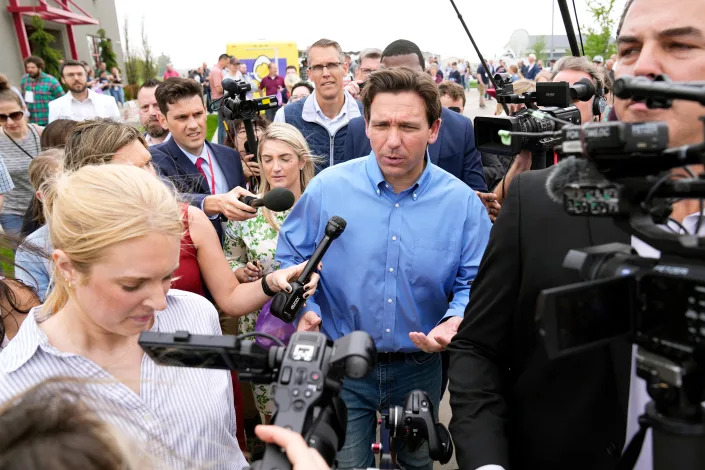
Charlie Neibergall

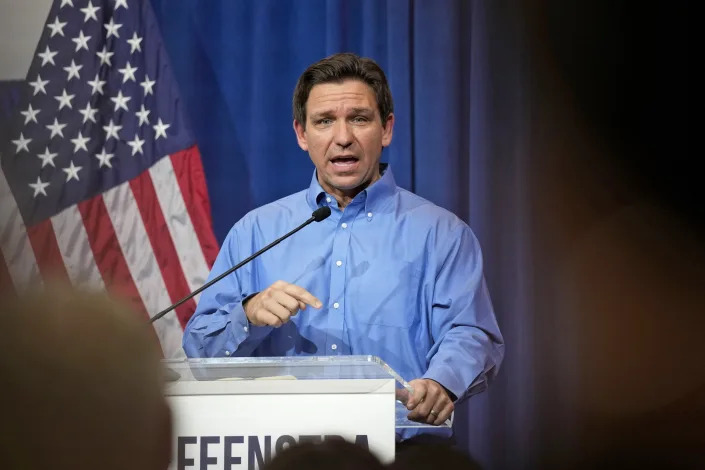
Wherever Gov. Ron DeSantis goes, he brings greetings from “the free state of Florida.” He heralds his “Florida Blueprint.” And he brags about how many people originally from whichever state he happens to be visiting love taking advantage of Florida’s warm weather and low taxes.

But a funny thing has happened as DeSantis travels the country with a “Make America Florida” message that underpins the Republican’s soon-to-launch presidential campaign.

DeSantis has found that not everyone wants to be Florida. And he has encountered spirited pushback from competitive fellow governors and GOP officials who believe that their states have done just as much, if not more, to advance a conservative agenda.

“It’s a lot of fun competing with my colleagues and Republican governors across the country,” Iowa Gov. Kim Reynolds, who has hosted DeSantis in the first-in-the-nation caucus state, said in an interview with NBC News. “But make no mistake, we are competitors.”

Reynolds introduced and interviewed DeSantis at two events in March, making sure to hold up her own record alongside his and frame them as equally accomplished governors. DeSantis, though, emphasized that he enjoys a “special perch” or “unique catbird’s seat” to view how other governors are doing, “because when people visit or move here, they tell me what’s going on in their states.”

After bestowing this authority onto himself, he took some shots at Democratic-led Illinois and proclaimed that Reynolds indeed presides over “one of the best-run states.”

It’s a tricky task — one that has caught attention of DeSantis’ home state reporters at Florida Politics — that in the wrong hands can come off as a magnanimous pander or a condescending pat on the back. And there have been signs in recent weeks that DeSantis recognizes he needs to shift how he talks about Florida, making it seem less aspirational and exceptional and more like an example of Republican leadership that has thrived elsewhere.

Reynolds, who stressed that her rivalry with DeSantis is friendly, brushed aside a question about whether his comments might offend Iowans and then quickly pivoted to her own accomplishments.

“Offend Iowans? Oh no, because I took care of that,” Reynolds said. “Because starting this year, we no longer tax retirement income. I made a deal with Gov. DeSantis. I said, ‘Hey, I’ll let our retirees go down to Florida — maybe a couple of months in January and February when the temperature’s not as good here in Iowa. … He’s gracious when he talks about it.”

DeSantis’ Florida boosterism has also prompted some ribbing in New Hampshire. At a GOP dinner there last month, DeSantis spoke admiringly about that state’s “Live Free or Die” motto before launching into his self-congratulatory story. Before DeSantis left the stage, New Hampshire GOP Chairman Chris Ager playfully jabbed at the governor.

“Instead of people moving to Florida,” Ager said, “maybe you can move up here.”

DeSantis’ spokesperson did not return a request for comment for this piece.

As boastful as DeSantis can be, he also searches for common cause with his audiences. During two stops in Ohio last month he played up his mother’s roots in the Youngstown area and his wife’s childhood in Troy, near Dayton. During that trip, he told a GOP crowd over breakfast in Akron that some parts of Florida are like “Ohio South,” given the number of retirees there.

“And it’s all good, because I’ll tell you, when it came time to get that big victory margin, there were a lot of transplanted people from Ohio who had my back,” DeSantis said, referring to his 19-point re-election margin last year. “So, God bless them for doing that.”

During a speech in South Carolina, DeSantis mentioned how his in-laws now live in the state and how he’s noticed more traffic on the roads there when he and his wife visit.

“Similar to what we’ve seen in Florida over the years with people coming down here,” he said.

But he was unable to resist an attempt at one-upmanship: “Famously — and, as long as I’m around, permanently — we have no state income tax. You guys should try that sometime.”

In Georgia, a compliment quickly gave way to grievance.

“One thing we’re no longer No. 1 in is college football,” DeSantis told an audience during a visit to a gun store in March. “So I just have a little bit of a plea … just stop taking so many of our high school football recruits. Can you give us a little bit of a chance?”

Ager, the New Hampshire GOP chair, said in an interview that he sees nothing wrong with friendly competition — and he wasted little time asserting his own state’s superiority.

“We are clearly No. 1. Gov. DeSantis calls it the free state of Florida. But the Cato Institute … in their whole scoring criteria, New Hampshire came in first last year,” Ager said, referring to a libertarian think tank’s ranking of New Hampshire as the freest state, based on personal and economic freedoms. “So we have some objective criteria from a third party.”

DeSantis himself seems to have softened his pitch a tad. While addressing the Utah GOP’s organizing convention in late April, he called the state, led by Republican Gov. Spencer Cox, “one of the best governed, best performing states.” DeSantis then went on to bestow perhaps the biggest compliment he could, even if it kind of came at the expense of a third state.

“I was recently visiting with some folks in Iowa, and people said, ‘Iowa, they’re really the Florida of the Midwest with all the conservative stuff they’re doing,’” DeSantis said. “Well, let me just tell you, maybe this is a little secret, but it might just be that Florida’s the Utah of the Southeast.”

By the time he returned to Iowa this month, DeSantis sounded ready to reconsider.

“I was here in March, and someone kind of took note and they’re like, ‘Man … Iowa’s like the Florida of the Midwest.’ … But I just want to let you know, after watching all the good stuff you’ve done in Iowa, it may be that Florida is the Iowa of the Southeast. So we’ll see.”

For the competitive Reynolds, there’s no question.

“Absolutely,” said Iowa’s governor, who has not endorsed a candidate for president. “Florida is the Iowa of the Southeast, and we’re doing everything we can to continue that narrative.”
Florida flood insurance costs are about to explode. ZIP codes closest to the coast will pay the most

South Florida Sun Sentinel

Florida flood insurance costs are about to explode. ZIP codes closest to the coast will pay the most

Ron Hurtibise, South Florida Sun Sentinel – May 22, 2023

Events of the past year have convinced more Florida homeowners of the need to carry flood insurance.

Flooding caused by hurricanes Ian and Nicole caught hundreds, if not thousands, of homeowners across the state by surprise, and without flood insurance.

Similarly, many homeowners affected by last month’s historic rainfall in eastern Broward County had no flood insurance and learned tragically that damage caused by water rising from the ground was not covered by their normal homeowner insurance.

It’s not just flood victims who are experiencing hard lessons about flood insurance.

Just as homeowners are realizing the increased risks of going without flood coverage, the Federal Emergency Management Agency has released data showing that coverage costs are exploding for properties in coastal areas most vulnerable to flooding.

The cost hikes stem from mandates by Congress to require rates charged by the National Flood Insurance Program, which is run by FEMA, to reflect the cost of flood risk to individual covered properties, and to pay down the program’s deficit, which was $20.5 million as of last November, according to FEMA.

The result is a new risk pricing model called Risk Rating 2.0, which took effect on Oct. 1, 2021, for new NFIP policies and on April 1, 2022, for renewing policies. Rather than set rates solely based on a property’s elevation within a zone on a Flood Insurance Rate Map, the new approach considers more risk variables such as flood frequency, types of flooding, and distance to a water source, along with individual property characteristics like elevation and the cost to rebuild, FEMA’s website states.

Improved modeling, however, is of little comfort to homeowners who will have to pay more for flood insurance at the same time costs of regular multiperil property insurance are skyrocketing.

Recently, FEMA released a spreadsheet that compared average premiums currently and how high they’ll climb under the new pricing model.

For example, homeowners in Boca Raton’s 33432 ZIP code can look forward to a whopping 229% flood insurance premium increase, from an average $950 per policy to $3,128.

In Broward County, the 33305 ZIP code that includes Wilton Manors and Fort Lauderdale neighborhoods near the Middle River will pay 209% more, from $1,099 to $3,400.

In the 33315 zip code, which includes Fort Lauderdale’s Edgewood neighborhood that was among the hardest-hit by last month’s flooding, average rates will increase by 64% — from $863 currently to $1,420.

These numbers are averages. Within each ZIP code are less expensive homes with cheaper coverage costs and pricier homes that will cost even more to insure.

Unsurprisingly, homes nearest the coast, particularly in low-lying areas, cost far more to insure than homes on higher ground in western suburban cities.

For example, homeowners in Coral Springs’ 33071 ZIP code are looking at a total premium increase of just 17.6% — from $669 to $787.

FEMA says the new pricing model will also drive down the cost of flood insurance for customers with low-risk characteristics. Yet, none of South Florida’s ZIP codes will see average rates decrease, FEMA’s data shows.

Not everyone facing rate increases will have to pay the higher premiums immediately. While homeowners who previously did not carry NFIP flood insurance will have to pay the new higher prices if they want a new policy, price hikes for existing policyholders are capped at 18% a year for homesteaded properties and 25% annually for second homes or investment properties, until they reach the new rates.

If the total increase is 18% or less, affected homeowners will pay it just once — presumably until FEMA raises rates again, whenever that happens.

Few homes have flood insurance, even in Florida

Although Florida has the largest number of NFIP flood insurance policies of any U.S. state — 597,967 of 2.2 million in the U.S., FEMA data shows, the percentage of covered homes remains low.

Florida has 3.8 million detached single-family homes, according to 2020 census figures. The number of FEMA flood insurance policies are just 15.7% of that total. In South Florida’s tricounty region, the percentage is 20.8%.

The actual percentages of homes with flood insurance are likely to be a little different. The above estimates don’t take into account private flood insurance policies, which are increasing but still a fraction of the number of federally-backed policies. And the estimates exclude attached single-family homes, such as townhomes. The percentage also does not include condominiums, which are typically covered by blanket commercial policies.

Experts advise every Florida homeowner to buy flood insurance because flooding can happen throughout the state, as during last fall’s hurricanes.

But many buy flood insurance only when required, such as home loan borrowers with federally backed mortgages who live in high-risk flood zones.

Flood insurance required for some with Citizens insurance

This year, a new set of homeowners are required to buy flood insurance. Customers of state-owned Citizens Property Insurance Corp. who live in high-risk flood zones are required to also carry flood insurance.

That mandate, enacted by the state Legislature and governor last year, took effect on April 1 for new Citizens policyholders and on July 1 for renewing policyholders.

Under the new law, all Citizens policyholders will have to buy flood insurance by 2027.

According to Citizens data, 228,203 of the company’s 1.2 million customers are now required to buy flood insurance. Of them, 105,763 are in Broward, Palm Beach or Miami-Dade counties.

When enacted last year, the law also required condo owners covered by Citizens to buy flood insurance. They were exempted, however, by a new law that was passed during the just-completed spring Legislative session and now awaits the governor’s signature. The change followed complaints that flood insurance is unnecessary for residents on upper floors of multistory buildings and for those covered by commercial policies that cover all units.

Although the mandate remains in place legally, Citizens has stopped sending notices to condo owners telling them they must buy flood insurance at renewal time, Citizens spokesman Michael Peltier said. Once it is signed, condo owners who bought coverage will be able to drop it.

If they bought FEMA coverage, they can request refunds if their policies have not yet taken effect, the NFIP’s website states.

Because the flood insurance requirement for renewing Citizens customers won’t take effect until July 1, Ryan Papy, president of Palmetto Bay-based Keyes Insurance, says it’s still a bit early to gauge the impact.

“There hasn’t been that much sticker shock,” Papy said in an email. “Many (premiums) in Miami-Dade County have gone down.”

But he added, “We do see issues when some clients are purchasing new property.” The difference between a new owner’s premiums and the capped rates paid by the previous owner can sometimes “be extreme,” he said.

Save money on the private market?

Florida homeowners hit hardest by rising NFIP rate hikes might ask their agents to see if they can save money by checking out the private flood insurance market.

Neptune Flood, the nation’s largest private flood insurer with more than 150,000 clients, can save policyholders up to 25% off the cost of comparable NFIP coverage, Neptune spokeswoman Loren Pomerantz said by email.

Private flood insurance satisfies requirements of both federal mortgage guarantors and Citizens, according to Pomerantz and Peltier.

Pomerantz said Neptune’s sales in Florida have increased in recent months. Sales climbed 20% in areas hard hit by Hurricane Ian prior to the new Citizens mandate taking effect. In high-risk flood zones, sales have increased 25% since April 1 compared to the same period last year, she said.

Private flood insurance also offers coverage that far exceeds the NFIP’s $250,000 cap for structural damage and $100,000 limit for personal property damage. “We can cover homes for up to $4 million in building coverage and $500,000 of personal property,” she said. “Additional coverage options not available through the NFIP include pool repair and refill, replacement cost on contents, temporary living expenses and more. This allows a homeowner to adequately cover their property and protect their families in the event of a flood-related loss.”

Country-western music star Brad Paisley steps out of the ranks to support Ukraine | Opinion

Idaho Statesman

Country-western music star Brad Paisley steps out of the ranks to support Ukraine | Opinion

Bob Kustra – May 21, 2023

Brad Paisley has always been one of my favorite country-western music stars. His songs have a way of grabbing your attention and holding on long after the song is over. He is not afraid to address social issues in his body of work as he did with songs like “Karate,” about a woman learning martial arts to fight back against a domestic abuser.

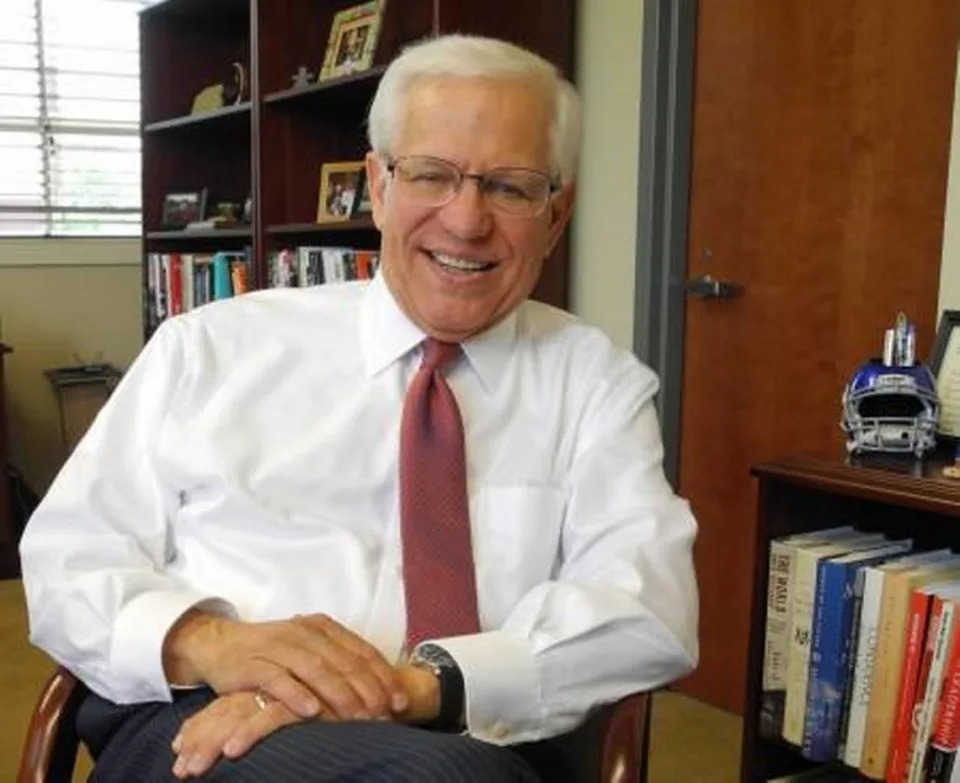
Bob Kustra
Bob Kustra

He sings one of his hits with Alison Kraus, the American bluegrass-country singer and fiddler, called “The Whiskey Lullaby.” It’s a song about the ravages of addiction and how it destroys relationships. It has one of the most haunting and evocative lines ever written for country music. “He put the bottle to his head and pulled the trigger.”

Then there’s “We Danced,” which features a woman returning to a bar that just closed to retrieve the purse she left behind. There’s a guy sweeping the dance floor, cleaning things up and as he holds the purse out for her, he says she must dance with him to get it back. They danced and if there is such a thing as love at first sight, chalk this song up to dance at first sight. They fall in love and live happily ever after, as the saying goes.

Country music fans can have a field day running through Paisley’s songs over his career that seem to set him apart from the guys and gals singing about how to sober up and get their lover back.

Paisley’s politics, like many country-western stars, is tough to nail down. With so much of their music purchased and enjoyed by that red belt of southern states who signed up with Trump, it was no surprise to find Paisley, who has performed at the Biden White House, along with other country western stars supporting Trump in 2016.

One tweet about a Paisley performance reported that he was playing at Jones Beach in New York with tailgaters sporting Trump and Confederate flags everywhere. No shock there. Given the caricature of the Southern Bubba as the archetypal country-western fan, don’t expect Paisley and others in his line of work to be out there challenging the politics of the paying customers of country-western music.

Or did Paisley step out of the red state ranks recently when he penned a song about Ukraine, “Same Here,” about how we share a set of common values with the people of Ukraine? Paisley sings about Ukrainian President Volodymyr Zelenskyy, “I’ve got a friend across the ocean …A wife he loves and a bunch of dreams…for his country he holds so dear…he prays for peace and freedom.” The song also features Zelensky talking about how he appreciates “the same things — children, freedom, our flag, our soldiers, our people” as Americans.

That was just the first step in Paisley’s support of the war in Ukraine. He watched heart-breaking reports of a war that destroyed lives, demolished homes and sent remaining families into exile or temporary housing. Declaring that he would feel like a coward if he sang about it, but refused to visit the war-torn country, he joined a bipartisan delegation of Congress in Kyiv where he sang his song for the president and sat down for a chat with him.

Paisley also serves as an ambassador for United24, a program to Rebuild Ukraine, the largest rebuilding program in Ukraine since the Second World War. To date, it has raised $337.5 million to help the people of Ukraine rebuild their homes.

Brad Paisley sure seems to be pushing the envelope as he travels to a space in our politics that many of his country-western fans who listen to Trump have not visited. In his recent appearance on CNN’s disastrous town hall meeting, the former president was not exactly on the same page as Paisley when he told the audience that he would end the Ukraine war within 24 hours of taking office yet he would not say who should win the war. He cleared that up on Fox News when he predicted that Putin would eventually take all of Ukraine.

Trump’s Republican critics Sen. Mitt Romney and former Govs. Chris Christie and Asa Hutchinson immediately challenged Trump’s confusing and pro-Putin comments. Hutchinson tweeted that Trump reminded everyone tonight of his support of Russia and his willingness to sell out Ukraine, and Romney said Vladimir Putin would be the only person celebrating Trump’s remarks. Given how Trump cozied up to Putin during his presidency, can there be any doubt that he would hand off Ukraine to the Russians overnight?

Paisley is not the first country music star to ride into the political arena. With his visit to Ukraine, his celebrity draws attention to the people of Ukraine fighting for their very existence at a moment when some Americans seem to have lost interest in supporting Ukrainians fighting for their freedom from the Russian autocracy of Putin.

poll earlier this year by the Pew Research Center showed that the percentage of Republicans claiming we are giving too much to Ukraine increased from 9% in March 2022 to 40% in January 2023. The news last week that Patriot missiles provided by the U.S. knocked out supersonic Russian missiles headed for Kyiv demonstrates the importance of American support for the Ukrainian military.

Kudos to Paisley for his public display of support for Ukraine and Zelenskyy. When it comes to Ukraine’s future, the rise of autocratic governments and the despot Putin, we cannot afford to sit on the fence. Let’s hope Paisley’s message about the values Americans and Ukrainians share will register with the country western crowd, especially those who have been listening to Trump.

As Ukraine begins a counteroffensive against the Russians, this is no time for Americas to falter in support of the Ukrainian people. Perhaps Paisley can make some headway opening the minds and hearts of fans who have taken their cues from a fallen and disgraced leader.

Bob Kustra served as president of Boise State University from 2003 to 2018. He is host of Readers Corner on Boise State Public Radio and he writes a biweekly column for the Idaho Statesman. He served two terms as Illinois lieutenant governor and 10 years as a state legislator.

David Axelrod: After Barack Obama, America will never be the same

CNN – Opinion

David Axelrod: After Barack Obama, America will never be the same

David Axelrod – May 20, 2023

In all the years I worked for Barack Obama, I didn’t think enough about the burdens of being America’s first Black president – in part because he bore them so gracefully.

There were bracing moments, of course, like the day, relatively early in his campaign for the White House, when Secret Service agents became a constant presence in his life, given the inordinate number of death threats against him.

There were the overtly racist memes about his citizenship and faith and worthiness, fueled by demagogues and social media, that continued throughout his presidency.

There was the startling outburst from a Southern congressman, who shouted “You lie!” during a presidential address to Congress – an intrusion that has since become more common but back then was a stunning departure from civic norms.

Among Obama’s staff, we dealt with these moments mostly as political challenges to navigate. And while he addressed issues of race, Obama rarely spoke, publicly or privately, about the unique pressures he faced personally.

It took someone else to open my eyes and cause me to think more deeply about the extraordinary burden – and responsibility – of being a trailblazer at the highest of heights in a nation where the struggle against racism is ongoing.

In 2009, Obama was considering nominating Sonia Sotomayor, a highly regarded federal appellate judge from New York, for a seat on the US Supreme Court.

If appointed, Sotomayor would become the first Latina on the nation’s highest court. The president asked me to chat with her and assess how she would hold up under the pressures of the confirmation process and that weighty history.

I met with Sotomayor in the Eisenhower Executive Office Building on the White House complex, where she had been spirited for a final round of clandestine interviews. I asked her what, if anything, worried her about the process.

“I worry about not measuring up,” she said, bluntly.

It was instantly clear to me that this brilliant, accomplished judge, who fought her way from poverty in the South Bronx to Princeton and Yale Law School, was talking about more than her own ambitions. As The First, she knew she also would be carrying with her the hopes and aspirations of young Latinas everywhere. Her success would be their inspiration. Her failure would be their setback.

That conversation prompted me to reconsider the unspoken burden the president himself had navigated so well for so long under the most intense spotlight on the planet. The burden was not just racism but the responsibility to measure up, to excel, to shatter stereotypes and to be an impeccable role model in one of the world’s toughest and most consequential jobs.

Watching the episode of CNN’s documentary series “The 2010s” about Obama, I was reminded again of how well he weathered those burdens.

It isn’t that he got everything right. No president does. And there always will be a debate about how much the election of the first Black president contributed to the reactionary backlash that yielded Donald Trump, a divisive and toxic figure who would lead the country in an entirely different direction.

But the history is clear: Obama led the nation through an epic economic crisis and war, passed landmark legislation on health care and strengthened the social safety net, bolstered America’s standing in the world and, in our most painful moments, comforted the nation by speaking eloquently to what Abraham Lincoln called the “better angels of our nature.”

Against the relentless pressure of being First and all the anger and resentment that it may have stirred among some fearful of change, Obama was consistently thoughtful, honorable and poised. He carried himself with the comforting authenticity of a man who knows who he is – and never flinched.

When Obama was considering a campaign for president in the fall of 2006, a small group of friends and advisers gathered with him in my office in Chicago to assess a possible race.

Michelle Obama – perhaps the greatest skeptic in the room at that moment about the advisability of such an audacious journey – asked a fundamental question: “Barack, it kind of comes down to this. There are a lot of good, capable people running for president. What do you think you could contribute that the others couldn’t?”

“There are a lot of ways to answer that but one thing I know for sure: The day I raise my hand to take that oath of office as president of the United States,” he said, lifting his right hand, “the world will look at us differently and millions of kids – Black kids, Hispanic kids – will look at themselves differently.”

Two years later, in Chicago’s Grant Park, where Obama claimed victory, I watched a sea of humanity, including Black parents, with tears rolling down their cheeks, as they held their kids aloft to witness the scene.

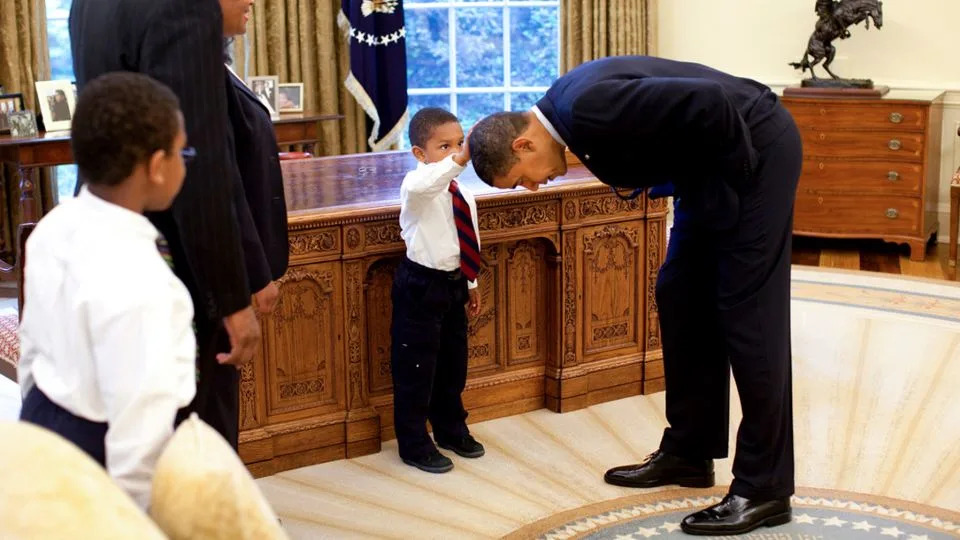
Jacob Philadelphia, the son of a White House staff member, touches then- President Barack Obama’s hair in the Oval Office of the White House. – Pete Souza/The White House/The New York Times/Redux

And then there was the iconic photo in the Oval Office of five-year-old Jacob Philadelphia, the son of a White House staffer who was leaving the administration. The little boy, who is Black, stood dressed in a shirt and a tie. He had looked up at the president and asked, “Is your hair like mine?” Obama bowed his head toward the boy and told him, “Go ahead, touch it,” which he did.

It was a moving, spontaneous scene captured by the splendid White House photographer Pete Souza. The moment spoke volumes about Obama, his meaning in our history and the unique responsibly he bore.

As the president bowed his head to this little boy, his unspoken message was clear: “Yes, you are like me. Yes, you can dream big dreams.”

Under extraordinary pressures, Obama more than “measured up,” not just as a president but as a role model. As a First.

And for that alone, America will never be the same.

Texas is facing a housing crisis, a migrant crisis, a multi-year drought, and an epidemic of mass shootings. Ted Cruz, meanwhile, has opened an investigation into Bud Light.

Insider

Texas is facing a housing crisis, a migrant crisis, a multi-year drought, and an epidemic of mass shootings. Ted Cruz, meanwhile, has opened an investigation into Bud Light.

Katie Balevic – May 20, 2023

Texas is facing a housing crisis, a migrant crisis, a multi-year drought, and an epidemic of mass shootings. Ted Cruz, meanwhile, has opened an investigation into Bud Light.

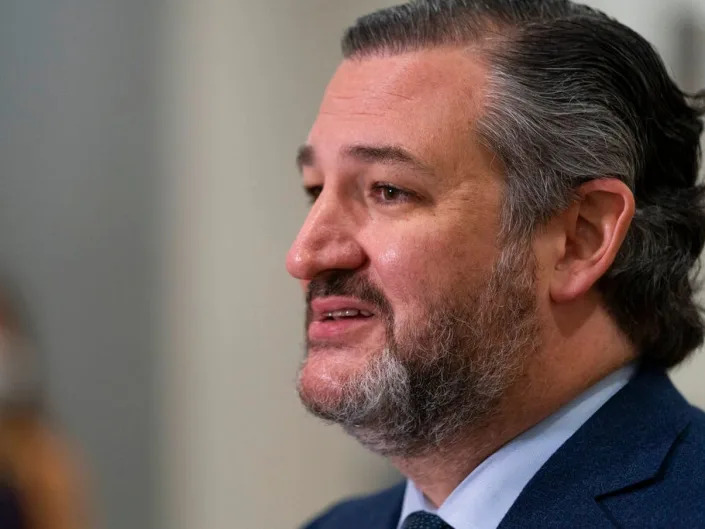
Texas Sen. Ted Cruz opened an investigation into Bud Light’s partnership with trans influencer Dylan Mulvaney.

Meanwhile, Texas is grappling with a migration crisis and a severe housing crisis.

And also an epidemic of gun violence, extreme weather, and a multi-year drought.

Texas is facing a laundry list of crises: housing, immigration, and weather, among others.

So, naturally, Texas Sen. Ted Cruz is opening an investigation into Bud Light.

Social conservatives across the country continue to clutch their pearls over Bud Light’s partnership with influencer Dylan Mulvaney, a 26-year-old transgender activist who has shaken the far-right’s perception of reality by existing in the open.

The company’s partnership with Mulvaney led to right-wing calls for a boycott of Bud Light, which has impacted sales at its parent company, Anheuser-Busch. The latter reported a 23% drop in sales for the last week of April compared to the previous year, CBS News reported.

Together with Sen. Marsha Blackburn of Tennessee, Cruz sent a letter to the beer industry’s regulatory body, the Beer Institute, inquiring whether Anheuser-Busch’s partnership with Mulvaney “violates the Beer Institute’s guidelines prohibiting marketing to underage individuals.”

“The Beer Institute must examine whether your company violated the Beer Institute’s Advertising/Marketing Code and Buying Guidelines prohibiting marketing to individuals younger than the legal drinking age,” the letter said, claiming that “Mulvaney’s audience skews significantly younger than the legal drinking age.”

To avoid an investigation, Cruz and Blackburn offered Anheuser-Busch the option to “publicly sever its relationship with Dylan Mulvaney, publicly apologize to the American people for marketing alcoholic beverages to minors, and direct Dylan Mulvaney to remove any Anheuser-Busch content” from her social media platforms, they wrote in the letter.

The letter, which misgendered Mulvaney throughout, also seeks documents and information on how “Anheuser-Busch vets its partnerships and how Anheuser-Busch failed in assessing the propriety of a partnership with Dylan Mulvaney.”

Meanwhile, in Cruz’ home state of Texas:

Following the expiration of Title 42, the fates of thousands of immigrants are up in the air as politicians on both sides of the aisle play hot potato by busing them to different cities.

The state faces an urgent housing and affordability crisis. There are just 25 available rental units for every 100 low-income households, according to The Texas Tribune.

Texas is also grappling with a series of deadly extreme weather events. In 2022, at least 279 people in Texas died from extreme heat, and the year before that, 246 Texans died from a brutal winter freeze. And Texas farmers are bracing for another growing season beset by a multi-year drought.

Texas is also the epicenter of gun violence. It is the site of 5 of the 10 deadliest shootings in US history.

Beer marketing, however — thanks to Cruz — has all the attention of the state’s top leaders in Washington.

Texas is facing a housing crisis, a migrant crisis, a multi-year drought, and an epidemic of mass shootings. Ted Cruz, meanwhile, has opened an investigation into Bud Light.

Insider

Texas is facing a housing crisis, a migrant crisis, a multi-year drought, and an epidemic of mass shootings. Ted Cruz, meanwhile, has opened an investigation into Bud Light.

Katie Balevic – May 20, 2023

Texas is facing a housing crisis, a migrant crisis, a multi-year drought, and an epidemic of mass shootings. Ted Cruz, meanwhile, has opened an investigation into Bud Light.

Texas Sen. Ted Cruz opened an investigation into Bud Light’s partnership with trans influencer Dylan Mulvaney.

Meanwhile, Texas is grappling with a migration crisis and a severe housing crisis.

And also an epidemic of gun violence, extreme weather, and a multi-year drought.

Texas is facing a laundry list of crises: housing, immigration, and weather, among others.

So, naturally, Texas Sen. Ted Cruz is opening an investigation into Bud Light.

Social conservatives across the country continue to clutch their pearls over Bud Light’s partnership with influencer Dylan Mulvaney, a 26-year-old transgender activist who has shaken the far-right’s perception of reality by existing in the open.

The company’s partnership with Mulvaney led to right-wing calls for a boycott of Bud Light, which has impacted sales at its parent company, Anheuser-Busch. The latter reported a 23% drop in sales for the last week of April compared to the previous year, CBS News reported.

Together with Sen. Marsha Blackburn of Tennessee, Cruz sent a letter to the beer industry’s regulatory body, the Beer Institute, inquiring whether Anheuser-Busch’s partnership with Mulvaney “violates the Beer Institute’s guidelines prohibiting marketing to underage individuals.”

“The Beer Institute must examine whether your company violated the Beer Institute’s Advertising/Marketing Code and Buying Guidelines prohibiting marketing to individuals younger than the legal drinking age,” the letter said, claiming that “Mulvaney’s audience skews significantly younger than the legal drinking age.”

To avoid an investigation, Cruz and Blackburn offered Anheuser-Busch the option to “publicly sever its relationship with Dylan Mulvaney, publicly apologize to the American people for marketing alcoholic beverages to minors, and direct Dylan Mulvaney to remove any Anheuser-Busch content” from her social media platforms, they wrote in the letter.

The letter, which misgendered Mulvaney throughout, also seeks documents and information on how “Anheuser-Busch vets its partnerships and how Anheuser-Busch failed in assessing the propriety of a partnership with Dylan Mulvaney.”

Meanwhile, in Cruz’ home state of Texas:

Following the expiration of Title 42, the fates of thousands of immigrants are up in the air as politicians on both sides of the aisle play hot potato by busing them to different cities.

The state faces an urgent housing and affordability crisis. There are just 25 available rental units for every 100 low-income households, according to The Texas Tribune.

Texas is also grappling with a series of deadly extreme weather events. In 2022, at least 279 people in Texas died from extreme heat, and the year before that, 246 Texans died from a brutal winter freeze. And Texas farmers are bracing for another growing season beset by a multi-year drought.

Texas is also the epicenter of gun violence. It is the site of 5 of the 10 deadliest shootings in US history.

Beer marketing, however — thanks to Cruz — has all the attention of the state’s top leaders in Washington.

Texas has the anti-climate Governor: Greg Abbott signs Law Making EV Owners Pay for Their Gas-Free Cars

Gizmodo

Greg Abbott Signs Law Making EV Owners Pay for Their Gas-Free Cars

Lauren Leffer – May 19, 2023

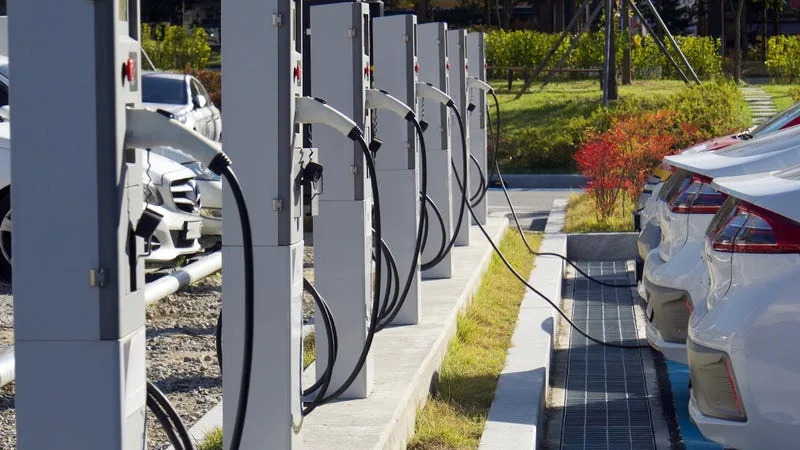
Photo of electric vehicles charging


EV drivers in Texas don’t pay at the pump, but will have to start paying a significant annual fee that critics are calling “punitive.”

Driving an electric vehicle in Texas is soon to become more expensive. Governor Greg Abbott signed a law (SB 505) on May 13 instituting new fees for registering and owning EVs in the state. Under the bill, electric car owners will have to pay $400 upon registering their vehicle. Then, every subsequent year, EV drivers will have to shell out an additional $200. Both of those fees are on top of the cost of the standard annual registration renewal fees, which are $50.75 each year for most passenger cars and trucks.

The law exempts mopeds, motorcycles, and other non-car EVs, and goes into effect starting on September 1, 2023.

At least 32 states currently have special electric vehicle registration fees, according to data from the National Conference of State Legislatures. These range from $50 in places like Colorado, Hawaii, and South Dakota to $274 (starting in 2028) in a recently passed piece of Tennessee legislation. Note: Tennessee lawmakers had originally proposed a $300 fee, but lowered it in response to pushback.

Like many other states that have instituted EV fees, the reasoning behind the Lone Star State’s new law is that electric car drivers don’t buy gas. Taxes at the fuel pump are the primary way that most states, Texas included, amass funds for road construction, maintenance, and other driving-related infrastructure.

“Currently, Texas uses the gasoline/diesel fuel tax to fund transportation projects; however, with the growing use of EVs, the revenue from the fuel tax is decreasing, which diminishes our ability to fund road improvements for all drivers,” said the bill’s author, Republican State Senator Robert Nichols, in comments about the legislation, per local NBC News affiliate KXAN.

But, compared with what gas drivers contribute, Texas’s EV fees seem a little out of whack. Charging $200 per year and $400 at the outset of EV ownership places Texas’s fee schedule at the higher price end of the policies out there. In comparison, Texas’s gas tax is among the lowest in the country, at just $0.20 per gallon. Just seven states impose a lower duty on gasoline than TX. Among the 10 most populous states in the country, additional fees levied elsewhere make Texas’s gas the cheapest.

The average Texas driver burned through ~55 million BTUs of motor gasoline in 2018, according to data from the U.S. Energy Information Administration. That’s equal to about 440 gallons of gas. At $0.20 per gallon, the standard car owner in Texas is paying just $88 per year in gas taxes—far less than the hundreds more EV drivers will now be throwing into the pot. A 2022 Consumer Reports analysis determined that a Texas driver’s gas tax contribution is even lower, at just $71.

The new law says loud and clear that Texas is “fully behind oil and gas,” Kara Kockleman, a transportation engineering professor at the University of Texas, Austin, told local ABC News affiliate KVUE. “Electric vehicles should pay a gas tax – I just think the tax on the conventional cars should be much, much higher than it is. We pay less for gas in this state than almost anyone in the world… Texas is really behind the curve on trying to do the right thing by the environment. And so, that’s embarrassing, I think, for all of us.”

There’s no doubt that roads and other car infrastructure are expensive. Though it can be easy to forget that—every time a driver cruises down the asphalt, complies with a traffic signal, or reads a highway sign—they’re benefiting from a costly system constructed for their particular use and benefit. But compared with other forms of transportation in the U.S., car ownership is already heavily subsidized. So is burning fossil fuels.

According to a 2015 analysis from the nonprofit Canadian media outlet The Discourse, society pays more than $9 for every $1 a driver pays in commuting: Through infrastructure, accident liability, noise and air pollution, and congestion. Buses, biking, and walking all eat up much less public funds for the same amount of miles traveled. EVs presumably also have a slightly lower public cost, as they’re quieter and don’t directly emit air pollution.

Yet in Texas, the tax load for driving an electric car will far exceed that of a gas-powered vehicle. The new law is “punitive” according to Consumer Reports. “Consumers should not be punished for choosing a cleaner, greener car that saves them money on fuel and maintenance,” Dylan Jaff, a policy analyst at CR, wrote in an April statement. “The fees proposed in this bill will establish an inequitable fee scale for EV owners, and will not provide a viable solution to the long-standing issue of road funding revenue.”

Luke Metzger, director of the non-profit advocacy group, Environment Texas, echoed Consumer Reports’ findings in a statement from last month. “The Texas Legislature is pouring sugar in the tank of the electric vehicle revolution. This punitive fee will make it harder for Texans to afford these clean vehicles which are so critical to reducing air pollution in Texas.”

Electric personal vehicles are not a perfect solution to the ongoing problem of petroleum-powered cars. Swapping every gas-guzzler for an EV still would use up an extraordinary amount of resources, that are likely to be ill-gotten. Public investment in mass transit would inarguably be a better environmental strategy. But, as long as the U.S. remains overwhelmingly car dominant and as long as most Americans lack access to adequate public transit, EV uptake remains important for lowering the nation’s carbon emissions.

Already, the upfront costs of purchasing an electric car are significantly higher than buying a gas vehicle. A disproportionate tax system adds to that burden, and it could dissuade people from transitioning to EVs.

Psaki on debt ceiling talks: China probably ‘rooting for default’

The Hill

Psaki on debt ceiling talks: China probably ‘rooting for default’

Alex Gangitano – May 19, 2023

Former Biden White House press secretary Jen Psaki said Friday that China is probably “rooting for default” while talks in Washington over a debt ceiling compromise have been cut short.

“All of these world leaders and their teams are watching what’s happening in the United States. Is democracy going to last? Are they going to default? All of that makes the United States look weak on the world stage,” Psaki said on MSNBC.

“If you’re China, you’re probably — you’re rooting for default,” she added.

President Biden has also warned it could be a concern internationally if the U.S. were to default on its debt, arguing recently that world leaders have been wondering about the looming risk.

Director of National Intelligence Avril Haines said earlier this month Beijing and Moscow would use a potential default for propaganda purposes through “information operations” as evidence the U.S. political system is chaotic.

Psaki outlined the situation with the president in Japan for the Group of Seven (G-7) summit, relying on Republican negotiators and White House officials to keep working to avoid a default until he returns to Washington on Sunday.

“So for the president, this is about — he’s there to project strength; the United States is back at the table,” she said. “But these negotiations, this being tricky and unresolved at home, is not great. And that’s important for people, Republicans, Democrats to really understand.”

She also warned against being overly concerned by the top Republican lawmakers negotiating a debt ceiling compromise with the White House cutting the talks short. The Republicans left a meeting with White House officials Friday in the Capitol, saying the two sides were too far apart and that the White House is being unreasonable.

“Sometimes, there are pauses where it looks like everything is going to explode and not come back together, and it does,” she said.

The White House had expressed optimism as recently as late Thursday, saying there had been “steady progress” in debt limit talks, and officials said Friday the president’s team is “working hard towards a reasonable bipartisan solution.”

Additionally, Psaki said there “will be no doubt legal challenges if the president were to invoke the 14th Amendment” in response to a letter sent earlier this week from 11 senators to Biden suggesting he prepare to invoke the amendment.

The president said last week there have been discussions about whether the 14th Amendment can be invoked, but he acknowledged it would have to go to the courts.

We Don’t Have to Accept Antisocial Gun Behavior Just Because the Guy Says It’s a Political Protest

Esquire

We Don’t Have to Accept Antisocial Gun Behavior Just Because the Guy Says It’s a Political Protest

Jack Holmes – May 19, 2023

a supporter of us president donald trump keeps a hand on his gun during a
Antisocial Gun Behavior Is Not ProtestKEREM YUCEL – Getty Images

We may have reached the pinnacle of Both Sides journalism with some coverage out of Maryland, where Governor Wes Moore signed a package of new gun control bills into law this week restricting who can carry guns in public and where they can do it. The Supreme Court conservatives created a constitutional right to carry guns outside the home last summer when they struck down a 110-year-old New York gun law, a decision which also functionally threw out parts of Maryland’s legal regime on guns. Moore and his allies in the legislature are presumably trying to prevent their jurisdiction from becoming another gun anarchy state now that the number of residents allowed to carry a concealed firearm in public has tripled.

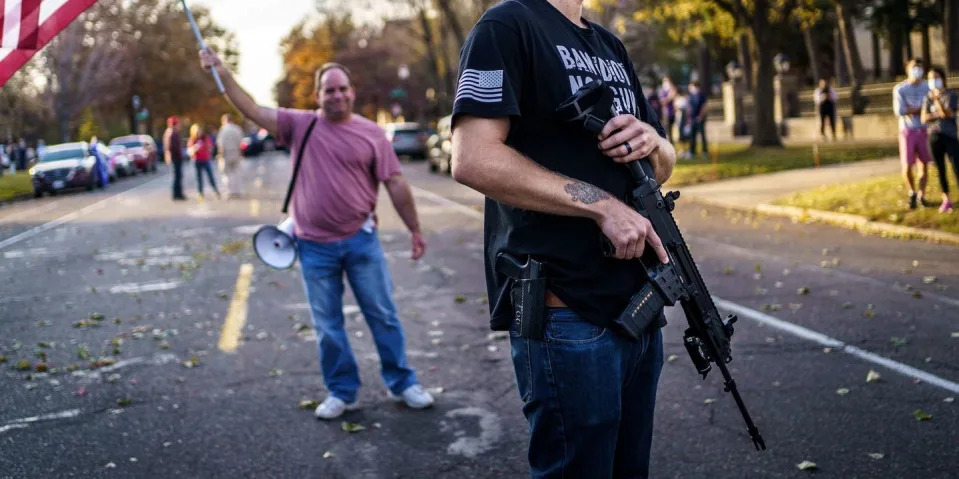
Gun rights groups don’t like this—they’re also suing to throw out Maryland’s assault weapons ban—and it seems neither did one resident in particular. Tolly Taylor of WBAL in Baltimore reported Thursday that “a man with an AR-15 has been showing up for weeks to a school bus drop off for local elementary school students.” He teased a piece on that night’s local news in which viewers would learn that “parents say their kids are afraid, the man says he’s protesting @GovWesMoore’s new gun control law. You’ll hear from both sides at 5+6pm.”

Image

Taylor may well just be trying to abide by coverage guidelines set by his boss(es), but in the process, this becomes really the apotheosis of the Both Sides affliction in the American press. There is no scenario in which some maladjusted creep who’s frightening children at an elementary school bus stop should be presented as just some guy with political opinions by the local news. This is antisocial behavior that should be ridiculed, including by normal people who own guns.

You wouldn’t ask some guy who menaced people on the subway with a knife for his thoughts on whether knife-menacing is cool and good, and make no mistake: this man is attempting to menace members of the public using a deadly weapon that’s capable of killing way more people in way less time. That this kind of weapon is a favorite of school shooters, and these are schoolchildren, only adds to the disgusting character of the events here. Carrying a gun like this in the public square is a way to constantly communicate the threat of deadly force to those around you. A gun like this exists for two purposes: to maim and kill, and to communicate the threat thereof. This loser could make the case that he has a right to carry a gun around via the standard political speech that normal people make use of on this and every other issue. He’s parading around a gun for a reason, the same reason that courts upheld the prerogative of local jurisdictions to restrict who can carry weapons in the public square for 700 years until the Supreme Court conservatives got involved.

This is a particularly eye-catching example of the wider phenomenon where, out of genuine belief in the principle of “objectivity” or fear they’ll be called “biased,” members of the mainstream press create a false equivalence between arguments and political opinions rooted in reality and those that are complete nonsense. Normally, the Both Sides phenomenon involves reporters—often some of the most well-informed, purportedly savvy people around—pretending to believe that bullshit has merit in order to present it as One Side of the Argument, and Who’s to Say Who’s Right? For about 20 years, Washington political scribes would present the Republican view on climate change—nuh uh, no, hoax—as just the other side of the coin to…the overwhelming scientific consensus on the matter.

people take part in a protest for
These folks could easily have demanded an end to pandemic lockdowns without guns. So why did they bring them to the statehouse steps? To communicate the threat of force if they do not get their way.JEFF KOWALSKY – Getty Images

Sometimes, reporters will lobotomize themselves for the period of time in which they’re working on a story. Anyone paying attention over the last decade has watched Republicans raise the debt ceiling without incident when a Republican is president. (Under the most recent one, they also added trillions to The National Debt to service a tax cut for rich people and corporations, part of a debt orgy under President Trump.) But when Republicans turn around and say the debt is a huge problem and we can’t raise the debt ceiling, Beltway reporters pretend they don’t remember anything that happened before—or even, at times, that raising the debt ceiling does not approve new spending. (It applies to paying off debts already accrued.) This goldfish-brain approach has been necessary for the last few decades because, while the Democratic Party has its manifest failures, the Republican Party no longer resides in reality. To present what they say in the full context of reality would involve losing the mask of Neutrality which is often conflated with Objectivity. The objective truth is that Republicans only care about the debt when they’re out of the White House, and they don’t even really care about it now. If they did, they would consider raising revenues as part of a debt deal. They’ve ruled that out.

What’s so unsettling about this Maryland incident, though, is that the adoption of a neutral stance legitimizes antisocial behavior and presents it as a fair form of “protest.” This guy does not have to point the gun at anyone for it to serve its purpose. This has been a steadily expanding problem throughout the country, as right-wingers show up heavily armed to statehouses in an explicit communication of the threat of deadly force if they do not get their way on matters of public policy. This is not normal political expression, just as breaking windows and vandalizing businesses is not a legitimate form of protest against police violence and racial injustice in our society. The fact is that certain things are out of bounds, and we’re really arguing over where the line should be. This guy’s conduct is on the far side of the line. He is leaving the realm of civil disagreement and discussion and entering a gray area where the potential for deadly violence is implied.

What we’re really reluctant to confront, however, is that there is a sizable faction in America who continually make explicit threats to engage in violence if the government—elected by the people to make public policy—makes public policy that they and their faction do not like. They brandish their weapons during these discussions, physically or rhetorically, and they’re never more aggressive than when anyone suggests that Thomas Jefferson did not envision an inalienable right to carry an AR-15 into Chipotle. It’s not hard to put all this together, particularly if you’re a reporter, but it’s scary to confront the fact that there’s a segment of the American population dedicated to the proliferation of deadly weapons—more guns, everywhere, all the time—and threatening to use the ones they already have if they don’t get their way. Easier, then, to stand to the side and offer the View From Nowhere, where every side has a case worth hearing.

The debt ceiling crisis is intentional | David Moon

Knox NThe debt ceiling crisis is intentional | David Moon

David Moon – May 19, 2023

The U.S. regularly faces a “debt ceiling crisis” because our elected officials would rather make a point than make a difference. Members of both parties relish this regular game of political chicken; otherwise they wouldn’t keep doing it. And the president could likely end it with a directive to the attorney general, just as a president unilaterally started this dangerous charade 43 years ago.

When the federal government threatens a shutdown, there are two issues at play: the debt ceiling and funding gaps. For more than 200 years they were never used to manufacture a “crisis” that politicians could then take credit for solving.

President Joe Biden and House Speaker Kevin McCarthy met May 16, attempting to reach agreement on raising the debt ceiling. The Treasury secretary says the country will run out of cash June 1.

After setting the first debt ceiling in 1936, Congress raised the limit only three years later. Since then, it has raised it another 82 times, just as it will eventually raise it an 83rd time in the next few weeks.

Each time the U.S. approached the statutory debt limit in the 1950s, Congress would simply approve a temporary waiver of the ceiling. That is, it voted to just ignore the law for a little while.

That changed in 1980 when, despite Democrats controlling both the House and Senate, President Jimmy Carter could not persuade Congress to pass an appropriations bill for the Federal Trade Commission. Carter’s attorney general, Benjamin Civiletti, then cited a provision in the 1884 Antideficiency Act as justification to overrule a longstanding opinion that federal agencies could continue operating during gaps in appropriation funding. Carter ordered the FTC shut down, furloughing about 1,600 federal employees, then threatened a complete government shutdown. Congress blinked and funded the FTC.

Politicians had discovered a new way to embarrass their opponents and achieve political goals. Since 1980, every potential funding gap or debt ceiling violation has provided an opportunity for politicians to boldly reveal their immaturity and short-sightedness.

In 1995 there was a debt limit situation that rivaled today’s political theater. The Treasury secretary canceled security auctions and dipped into government retirement funds for cash needs. A similar contrived crisis was miraculously resolved in 2002 using many of the same tactics and gimmicks as in 1995.

The U.S. will pay its bills, and since the federal government spends 30% more than it takes in, that requires borrowing money. (Other solutions theoretically include reducing spending, increasing taxes or selling assets to pay down debt.)

When the other party controls the White House, legislators always argue that the debt ceiling is a necessary tool to prevent out-of-control spending – except that there is no evidence that it does. Borrowing money tops the short list of things at which politicians excel. There is a much simpler way for Congress to prevent out-of-control spending: don’t pass appropriations bills that include out-of-control spending.