Fact check: Denmark is among world’s happiest countries, but it’s not No. 1

Fact check: Denmark is among world’s happiest countries, but it’s not No. 1

The claim: Denmark is ranked the happiest country in the world; 33 hours work in a week, $20 minimum wages, free university, medical and child care

Every year ahead of the United Nations’ World Happiness Day, on March 20, a report is released that ranks 156 countries on their happiness based on income, life expectancy, freedom, social support, trust and generosity.

According to one social media post, Denmark has turned up at the top of list.

“Denmark is ranked as the happiest country in the world with 33 hours work in a week, $20 minimum wages, free universities and medical care, free child care and low level of Corruption,” reads a Dec. 30 Facebook post to the group Mysterious Facts which has since been deleted. The user who posted it did not have a way to be contacted.

Fact check: Clinton, Obama left federal government with a lower deficit than when they arrived

Nordic countries ranked high in reports, but Denmark isn’t first now

This year, the Gallup 2020 World Happiness Report rated Finland as the world’s happiest country for the third year in a row, with Denmark in second and Switzerland third.

The report rates the countries based on different aspects of social environment, such as having someone to count on, having a sense of freedom to make key life decisions, generosity and trust.

Considered risks are ill-health, discrimination, low income, unemployment, separation, divorce or widowhood and safety in the street. The “happiness costs of these risks are very large,” according to the report.

The meme provides no source of information or date; it is possible the first claim could have been true at the time the meme was created, as Denmark has been previously ranked first in World Happiness Reports.

A search of the text included in the post results in a blog post with an almost identical version of the claim from 2016, a year when Denmark was ranked first. Denmark also made the top of the list in 2012 and 2013.

Nordic countries, including Denmark, Norway, Sweden, Finland and Iceland, have appeared on the top 10 of the World Happiness Report since it started publishing its annual rankings in 2012. In 2017, 2018 and 2019, Nordic countries occupied the top three spots.

The report found that Nordic citizens are exceptionally satisfied with their lives because of reliable and extensive welfare benefits, low corruption, well-functioning democracy and state institutions and small population.

Fact check: Over 159 million people voted in the US general election

Work hours, university, medical and child care

Beyond overall happiness, the post makes claims — some true — about why Danes might be so happy.

While the post states an average workweek in Denmark is 33 hours, a full-time workweek in Denmark is typically 37 hours distributed over five days, according to the city of Copenhagen. It/ notes that workweeks can be longer for those in a managerial position or self-employed.

Staying extra hours is discouraged, and most employees leave the office around 4 p.m. to pick up their children and begin preparing for dinner, according to the official website of Denmark. In the last weeks of July, offices are shut down as Danes take time off to enjoy a short summer and every employee is legally entitled to five weeks of paid vacation per year.

Employees are also not allowed to work more than 48 hours per week on an average of a four month period due to the EU’s Working Time Directive, which was implemented in Denmark’s Working Enviornment Act in 2017.

The post states the nation’s minimum wage is $20 an hour. But Denmark lacks a federally mandated minimum wage, according to Investopedia. However, trade unions work to ensure that workers are paid a reasonable rate and try to keep the average minimum wage at $20 per hour. As of 2020, minimum wages in the country hover around $16.60 per hour, according to Check In Price.

Minimum-wage.org, says Denmark’s average minimum wage is $18 per hour and annual minimum wage is $44,252.00. A November 2020 article from Market Watch says wages in Scandinavia are among the highest in the world at $17.69 per hour.

Schooling is largely free, as the post claims. Higher education in Denmark is free for students from the European Union or European University Association and for students in exchange programs, according to the Danish Agency for Higher Education and Science. Education is also free for students who have a permanent residence, a temporary residence with possibility of obtaining permanent residence or a resident permit.

It is also worth noting that every Danish student receives a rough estimate of $900 per month, the Washington Post reported.

In Denmark, the health care system is financed through an income tax of 8% and provides universal access to citizens and legal residents, USA TODAY reported. So while the post states medical care is free, it lacks the context that taxpayers do cover the cost.

The public child care system in Denmark is based on a partially free system, and some day care institutions have waiting lists. However, most guarantee a place for children from the age of 1, according to Work in Denmark. The child care facilities receive financial support from the state and the most payable out of pocket amount by parents is 30% of the cost. Child care is not free, as claimed.

The reason Denmark can afford to provide these services is because it has one of the highest tax rates in the world, with the average Dane paying a total of 45% in income taxes, according to BBC. In fact, most Scandinavian countries offer higher education, child and medical care, and parental leave due to their high levels of taxation. In 2018, Denmark’s tax-to-GDP ratio was 44.9%, Norway’s was 39% and Sweden’s 43.9%, which compares to a ratio of 24.3% in the U.S., according to the Tax Foundation.

The post is accurate in claiming that Denmark has low corruption. The 2016 Corruption Perceptions Index ranked Denmark as the least corrupt country in the world for the fifth year in a row due to its degree of press freedom, access to information, independent judicial systems and strong standards of integrity for public officials.

In 2018, New Zealand and Denmark were both ranked as the least corrupt, according to World Population Review, which notes that there is no exact way to measure corruption but many use the Corruption Perceptions Index published by Transparency International.

Our ruling: Partly False

The claim that Denmark is ranked the happiest country in the world due to its short workweeks, high minimum wage, and free university and health and child care is rated PARTLY FALSE, based on our research. Finland has been ranked the happiest country in the world for the last three consecutive years, with Denmark holding a spot in the top three. Denmark also has 37-hour workweeks, not 33, and there is no minimum wage. Services of higher education, child and medical care and parental leave are available due to their high levels of taxation; they’re not offered for free.

Our fact-check sources:

Study: Warming already baked in will blow past climate goals

Associated Press

Study: Warming already baked in will blow past climate goals


The amount of baked-in global warming, from carbon pollution already in the air, is enough to blow past international agreed upon goals to limit climate change, a new study finds.

But it’s not game over because, while that amount of warming may be inevitable, it can be delayed for centuries if the world quickly stops emitting extra greenhouse gases from the burning of coal, oil and natural gas, the study’s authors say.

For decades, scientists have talked about so-called “committed warming” or the increase in future temperature based on past carbon dioxide emissions that stay in the atmosphere for well over a century. It’s like the distance a speeding car travels after the brakes are applied.

But Monday’s study in the journal Nature Climate Change calculates that a bit differently and now figures the carbon pollution already put in the air will push global temperatures to about 2.3 degrees Celsius (4.1 degrees Fahrenheit) of warming since pre-industrial times.

Previous estimates, including those accepted by international science panels, were about a degree Celsius (1.8 degrees Fahrenheit) less than that amount of committed warming.

International climate agreements set goals of limiting warming to 2 degrees Celsius (3.6 degrees Fahrenheit) since pre-industrial times, with the more ambitious goal of limiting it to 1.5 degrees Celsius (2.7 degrees Fahrenheit) added in Paris in 2015. The world has already warmed about 1.1 degrees Celsius (2 degrees Fahrenheit).

“You’ve got some … global warming inertia that’s going to cause the climate system to keep warming, and that’s essentially what we’re calculating,” said study co-author Andrew Dessler, a climate scientist at Texas A&M University. “Think about the climate system like the Titanic. It’s hard to turn the ship when you see the icebergs.”

Dessler and colleagues at the Lawrence Livermore National Lab and Nanjing University in China calculated committed warming to take into account that the world has warmed at different rates in different places and that places that haven’t warmed as fast are destined to catch up.

Places such as the Southern Ocean, surrounding Antarctica are a bit cooler, and that difference creates low-lying clouds that reflect more sun away from earth, keeping these places cooler. But this situation can’t keep going indefinitely because physics dictates that cooler locations will warm up more and when they do, the clouds will dwindle and more heating will occur, Dessler said.

Previous studies were based on the cooler spots staying that way, but Dessler and colleagues say that’s not likely.

Outside experts said the work is based on compelling reasoning, but want more research to show that it’s true. Breakthrough Institute climate scientist Zeke Hausfather said the new work fits better with climate models than observational data.

Just because the world is bound to get more warming than international goals, that doesn’t mean all is lost in the fight against global warming, said Dessler, who cautioned against what he called “climate doomers.”

If the world gets to net zero carbon emissions soon, 2 degrees of global warming could be delayed enough so that it won’t happen for centuries, giving society time to adapt or even come up with technological fixes, he said.

“If we don’t, we’re going to blow through (climate goals) in a few decades,” Dessler said. “It’s really the rate of warming that makes climate change so terrible. If we got a few degrees over 100,000 years, that would not be that big a deal. We can deal with that. But a few degrees over 100 years is really bad.”

Editorial: Plastic trash is not just litter. It’s a climate change problem, too

Editorial: Plastic trash is not just litter. It’s a climate change problem, too

The Times Editorial Board                             January 3, 2021
CLIFFE, KENT - JANUARY 02: Plastics and other detritus line the shore of the Thames Estuary on January 2, 2018 in Cliffe, Kent. Tons of plastic and other waste lines areas along the Thames Estuary shoreline, an important feeding ground for wading birds and other marine wildlife. According to the United Nations Environment Programme (UNEP), at current rates of pollution, there will likely be more plastic in the sea than fish by 2050. In December 2017 Britain joined the other 193 UN countries and signed up to a resolution to help eliminate marine litter and microplastics in the sea. It is estimated that about eight million metric tons of plastic find their way into the world's oceans every year. Once in the Ocean plastic can take hundreds of years to degrade, all the while breaking down into smaller and smaller 'microplastics,' which can be consumed by marine animals, and find their way into the human food chain. (Photo by Dan Kitwood/Getty Images) ** OUTS - ELSENT, FPG, CM - OUTS * NM, PH, VA if sourced by CT, LA or MoD **
Plastics and other detritus line the shore of the Thames Estuary in Cliffe, England, in January 2018. (Dan Kitwood / Getty Images)


-elect Joe Biden will have a long to-do list the moment he takes over the White House this month. Plastic trash should be one of his priorities. Here’s why.

Single-use plastic is a climate change issue — as well as an observable, measurable menace to the environment that has only been exacerbated by the pandemic and the need for plastic protective gear. Most plastic is made from fossil fuels, and millions of tons of greenhouse gas emissions are released from the extraction of these resources, and the manufacture and incineration of plastic.

The end life of plastic is just as concerning. Very little of the plastic produced has been recycled, less than 10%. Even more of it has been burned. But the vast majority has been left to molder in landfills and, increasingly, pollute the environment. We hear mostly about ocean plastic and the harm done to marine life that mistakes plastic bags and bits for food. But microplastic is even more worrisome. Plastic doesn’t biodegrade but instead breaks down into tiny particles, which have been found in every corner of the planet, on land and in the air, in drinking water and food sources, and, ominously, in the placentas of unborn fetuses.

We don’t yet have good data about what that means for human health, but considering the toxins used in manufacturing plastic — benzene, lead, endocrine-interrupting phthalates, just to name a few — it can’t be good.

Yet, frustratingly, Congress and past presidents have not given this global environmental disaster the attention it requires. Instead, they have viewed single-use plastic — which constitutes about 40% of plastic used each year — as a litter issue that local governments must solve through better recycling and waste management policies. That attitude must change, because the recent global breakdown of the market for recyclables has made it clear that recycling has never been, nor ever will be, able to keep up with plastic trash use.

What can be done?

That has long been on the minds of environmentalists, who have been lobbying for federal action to reduce disposable plastic for years. To that end, more than 600 environmental, social justice and community organizations have signed on to a sweeping plan that focuses on executive action that Biden can take immediately. So far, Congress has been unwilling to consider serious action on reducing plastic production, perhaps cowed by the powerful petrochemical lobby. The only significant plastic-reduction legislation last year, the Break Free From Plastic Pollution Act, could not even get a hearing in the Senate.

Meanwhile, things are about to get worse. The petroleum industry is pivoting to increased plastic production, with some 30 new plastic-making facilities in the works in the U.S., according to the Center for Biological Diversity. (Among the reasons community and social justice organizations have become involved is that industrial pollution disproportionately affects low-income communities.)

The plan outlines eight steps that include directing federal agencies to use the power of procurement to reduce the amount of disposable plastic they buy, denying permits for expansion of plastic-making facilities and joining international efforts with new or strengthened multilateral agreements aimed at reducing single-use plastic. It’s a good blueprint, but Biden’s team should also look to California for inspiration.

California has been the leader on reducing plastic waste and was the first state to ban single-use plastic bags (a ban that was temporarily rescinded last year as a pandemic measure) and may well be the first state to transform the way goods are packaged. The state Legislature came tantalizingly close to passing the groundbreaking California Circular Economy and Plastic Pollution Reduction Act in 2020, which would have required that products sold in plastic packaging in the state have a proven recycling or composting rate of 75% by 2032. The proposal is still very much alive, and if the Legislature doesn’t pass it in 2021 — though it should — a similar proposal is likely to be on the 2022 statewide ballot.

But California, while influential, can’t solve this crisis alone. The U.S. has been a leader in producing plastic trash; it should be a leader in reducing it as well.

Photos of the Struggle for Environmental Justice in Louisiana’s Cancer Alley in 2020

DeSmog

Photos of the Struggle for Environmental Justice in Louisiana’s Cancer Alley in 2020


The disproportionate toll that COVID-19 is taking on the Black community brought environmental justice issues to the forefront during 2020. Calls for dealing with climate change and environmental justice were elevated by president-elect Biden, who spoke about endangered communities in the last presidential debate and on his campaign website, calling for environmental justice and “rooting out the systemic racism in our laws, policies, institutions, and hearts.”

That toll is apparent in Louisiana where I continued to document the struggle for environmental justice for DeSmog throughout 2020. These photos are part of an ongoing DeSmog series on the industrial corridor between Baton Rouge and New Orleans known as ‘Cancer Alley’ which hosts more than 100 petrochemical plants and refineries. Environmental racism and pollution have left fenceline communities especially vulnerable to COVID-19.

At the start of the pandemic, Concerned Citizens of St. John the Baptist Parish, a Cancer Alley community group, worried that the industrial sites around their homes might end up releasing even higher levels of air pollution since the U.S. Environmental Protection Agency (EPA) announced that it was relaxing some of its pollution reporting and monitoring rules for industrial plants due to the pandemic.

The group has been particularly concerned about the nearby Denka plant, which emits numerous toxic chemicals including chloroprene, a likely human carcinogen, that’s used to produce the synthetic rubber Neoprene.

Members of RISE St. James, another Cancer Alley community group focused on stopping new petrochemical plants from being built in St. James Parish, were alarmed about the conversations about racial disparity regarding the virus’s impact by Louisiana officials. They felt that elected officials, more often than not, failed to mention the role pollution plays in compromising the health of many African-American communities that are near refineries and chemical plants, a pollution burden that scientists say increases the risk of severe outcomes from COVID-19.

RISE St. James and allies have been fighting to stop the plastics manufacturing company Formosa from building its proposed $9.4 billion petrochemical complex that would likely more than double the toxic load in their already polluted air.

Despite so much heartache in 2020, we have seen some success in our fight for clean air this year,” Sharon Lavigne, the founder RISE St. James said on a call. “This year it is becoming clear that the law is on our side. Recent court rulings give me hope that victory will be ours.”

The U.S. Army Corps of Engineers announced on November 4 that the agency would reevaluate its wetlands permit for Formosa Plastics. And on November 18, state judge Trudy White sent critical air permits for Formosa’s project back to the Louisiana Department of Environmental Quality (LDEQ), directing the agency to take a closer look at how the plastics facility’s emissions will impact the predominantly Black community living nearby.

Lavigne was also happy to learn on December 19 that a Louisiana district attorney chose not to prosecute her allies, Anne Rolfes and Kate McIntosh — environmental advocates with the Louisiana Bucket Brigade — for delivering plastic nurdles to fossil fuel lobbyists’ homes. They were facing federal charges for a stunt tied to a ‘nurdlefest,’ a December 2019 event in Baton Rouge aimed at raising awareness about plastics pollution.

But Lavigne is painfully aware she and others fighting for environmental justice in Cancer Alley can’t let their guard down. Earlier this month Governor John Bel Edwards announced that Mitsubishi Chemical Corporation (MCC) is considering building a large Methyl methacrylate (MMA) chemical plant in Cancer Alley, and the state is offering the company $4 million incentives to do it.

1. Sharon Lavigne, founder of RISE St. James, with Pam Spees of the Center for Constitutional Rights, and Anne Rolfes, founder of the Louisiana Bucket Brigade, speaking to the press before a St. James council meeting where they asked the council to rescind a land use permit it granted to Formosa after a report was published showing the site has human remains that likely belonged to slaves on Jan. 21, 2020.

2. Wilma Subra, a technical advisor to the environmental advocacy group Louisiana Environmental Action Network going over data on reported chemical releases during the public meeting in Baton Rouge a week after the fire at ExxonMobil’s Baton Rouge refinery on Feb.19.

3. Mary Hampton, President of the Concerned Citizens of St. John The Baptist Parish at a community meeting where David Gray, a regional EPA official, explained changes the agency is making to its ongoing air monitoring of chloroprene in St. John the Baptist Parish on Feb. 11.

4.Sharon Lavigne, the founder of RISE St. James, in St. James Catholic Church on April 8. 2020, where she told me: “Black people are being polluted the most in the 4th and 5th District in St James Parish, so of course we are hit the most by the pandemic. We are already hit by the pollution in the air. The pandemic adds to what we are already going through.”

5. Gail LeBoeuf, a St. James Parish resident taking part in a protest against pollution from petrochemical plants at the St. John the Baptist Government Complex on April 11.

6. Rep. Cedric Richmond speaking to Cancer Alley community members who protested in front of The New Orleans Advocate on April 24. Richmond, who has taken hundreds of thousands of dollars in fossil fuel campaign contributions during his tenure representing the cancer alley area, announced Nov. 12 that he was giving up his seat and joining Biden’s White House team as a senior adviser.

7. Courtney Baloney, the owner of the Treasures of Life funeral home, in St. James Parish, ready to start work on the body of a confirmed COVID-19 victim on May 30.

8. A pregnant woman at a rally in Duncan Plaza in New Orleans on the first of seven days of protest in solidarity with George Floyd on May 30.  A coalition of social justice groups, led by Take ‘Em Down NOLA and the New Orleans Workers Group, took to the city’s streets, protesting Floyd’s murder and raising awareness of the many injustices plaguing people of color from May 30 through June 7.

9. Protesters fleeing from a line of police on the Crescent City Connection on June 3 after police began firing tear gas and projectiles at them. The tear gas was fired despite health experts warning that the use of tear gas, a toxic irritant that can cause long-term lung damage, may worsen the spread of coronavirus.

10. Anne White Hat, one of the Indigenous leaders of the L’eau Est La Vie Camp that fought against the Bayou Bridge pipeline, speaking at a rally across from Jackson Square on June 6 in New Orleans.

11.  Sharon Lavigne speaking at a Juneteenth ceremony at the site of a former burial ground for enslaved African Americans on the site where Formosa plans to build a petrochemical complex on June 19.

12. Mark Benfield (right), a professor at Louisiana State University, with Dr. Liz Marchio, a local scientist, collecting nurdles under a wharf in New Orleans on August 25.

13. Sharon Lavigne, the founder of RISE St. James at a permit hearing for YCI Methanol Plant in St. James Sept 10, 2020. YCI applied for permits that would let them dump 61 hazardous chemicals into the Mississippi River, right near two St. James drinking water intakes. YCI’s wastewater could affect everyone downriver from their plant, including residents of New Orleans.

14. Residents of Cancer Alley marching with supporters in Lutcher, Louisiana, on October 17 during a protest against Amendment 5, which appeared on Louisiana’s November 3 ballot. If passed, the measure would have allowed manufacturers to negotiate lower tax bills with local governments, giving the petrochemical industry a way to permanently avoid paying property taxes. The amendment was rejected by Louisiana voters.

15. Wilma Subra, technical advisor for LEAN speaking against air permit modifications requested by the Marathon refinery at a LDEQ public hearing on Nov. 10 in St. John the Baptist Parish.  If the modifications are approved, the company will be permitted to release more toxic pollution than it already does. Few community members came to the meeting due to the pandemic.

16. Anne Rolfes, founder of the Louisiana Bucket Brigade speaking against a permit modification sought by So LA Methanol, another plant poised to be built in St. James, at an LDEQ permit hearing on November 19.

17. New Orleans advocates for federal action to address the plastic pollution crisis projecting an anti-plastic message onto a New Orleans post office on December 7. Similar projections took place in San Francisco, Houston, Philadelphia, Washington, D.C., and Columbus, Ohio.


LEAD PHOTO: Robert Taylor visiting the Zion Travelers Cemetery, next to the Marathon Refinery, in Reserve, Louisiana where some of his relatives are buried. 

All photos by Julie Dermansky for DeSmog

U.S. sees biggest yearly jump in poverty rate in 60 years

U.S. sees biggest yearly jump in poverty rate in 60 years

Tim O’Donnell                         December 16, 2020


By historical standards, poverty levels in the United States remain low, but the country has seen the biggest jump in poverty in a single year since the government began tracking such information 60 years ago, The Washington Post reports.

New data released Wednesday by researchers at the University of Chicago and the University of Notre Dame shows the poverty rate increased to 11.7 percent in November, up 2.4 percentage points since June, marking the fifth straight month of incline. In that time span, around 7.8 million Americans have fallen below the poverty line, or an income of $26,200 for a family of four.

Not only is the rise the largest in several decades, it is also nearly double the second-biggest increase, which occurred between 1979 and 1980 during the oil crisis, the Post reports.

Notre Dame and University of Chicago economists say the situation, unsurprisingly, stems from the coronavirus pandemic and the tough labor market it has created, as well as the fact that government aid is dwindling. A solution to either would help — when Congress passed the CARES Act in the spring and sent stimulus checks to Americans, poverty actually decreased — and it looks like a new relief bill is the more realistic goal. “Given the state of the virus, I wouldn’t bet on significant improvement in the labor market in the short run,” James Sullivan, a professor at Notre Dame, told the Post.

The North Carolina hog industry’s answer to pollution: a $500m pipeline project

The Guardian

The North Carolina hog industry’s answer to pollution: a $500m pipeline project

Michael Sainato and Chelsea Skojec                 December 11, 2020
<span>Photograph: Gerry Broome/AP</span>
Photograph: Gerry Broome/AP


Elsie Herring of Duplin county, North Carolina, lives in the house her late mother grew up in, but for the past several decades her home has been subjected to pollution from nearby industrial hog farms.

“We have to deal with whether it’s safe to go outside. It’s a terrible thing to open the door and face that waste. It makes you want to throw up. It takes your breath away, it makes your eyes run,” said Herring.

She explained they also deal with constant trucks on the road, hauling pigs, dead and alive, in and out of the area, feed trucks, and the flies and mice that the farms attract.

Eastern North Carolina has about 4,000 pink hued pools of pig feces, urine and blood as a result of the hog industry, where 9m pigs produce over 10bn gallons of waste annually in the state. When the waste lagoons reach capacity, excess waste is sprayed on to nearby fields. In 2000, Smithfield Foods agreed with state officials in North Carolina to finance research to find and install alternatives to the waste lagoons and spraying systems, but none were deemed economically feasible.

But now – instead of implementing safer waste systems – Smithfield Foods is pushing to use the hog waste lagoons to collect, transport and sell the methane gas they produce. That terrifies many local people and environmental activists who see it as seeking to profit from an ecological problem rather than fix it.

“It only lines their pockets. They’re trying to sell it as renewable energy. It’s only renewable if pigs continue to poop, which is why I’m afraid they’re going to push the moratorium on new hog farms, because if you have that great of a demand, you have to supply to meet it,” added Herring.

“They’re not treating the waste, they’re converting it, so how is that hog waste ever clean?”

The North Carolina Department of Environmental Quality is considering the first permit approval for an industrial-scale biogas project in North Carolina, which would cap waste lagoons from industrial pig farms in the state, capturing the methane and transporting it through pipelines to a processing plant.

The product, called biogas, is being proposed by a $500m joint venture between Smithfield Foods and Dominion Energy, Align RNG, as a solution to the hog waste pollution problems plaguing North Carolina, but residents and environmental organizers are raising concerns that the project will worsen the problem.

Related: ‘Suffocating closeness’: US judge condemns ‘appalling conditions’ on industrial farms

“The biogas is a false solution,” said Naemma Muhammad, a community organizer and resident of Duplin county. “It doesn’t solve the problems we’ve been dealing with for three decades, which is to get rid of the lagoons and spraying systems so people can breathe and enjoy their property in the way they intended. We don’t need anything to encourage this industry to continue business as usual.”

The Grady Road Project includes trapping methane gas at 19 industrial hog waste sites in Duplin and Sampson counties in North Carolina, where over 30 miles of pipelines will be constructed to a central processing facility and distributed through existing natural gas pipelines. Duplin and Sampson counties are the top-hog producing counties in the US. The project is one of several biogas proposals being pushed by Smithfield and Dominion Energy.

Muhammad noted residents still don’t know where the 30 miles of pipeline will be laid or which waste lagoons will be used for the project, and the pipelines will pose greater risks of spills and leaks to the wetlands and groundwater in the region.

Jets of liquified hog waste shoot from spray guns and on to a field near Wallace, North Carolina.
Jets of liquified hog waste shoot from spray guns and on to a field near Wallace, North Carolina. Photograph: Allen G Breed/AP


The methane capturing also produces other pollutants, posing greater risks to nearby communities when waste is sprayed on fields and spills are common, especially during strong storms.

“The process creates excessive concentrations of ammonia by extracting the methane,” said Sherri White-Williamson, the environmental justice policy director of North Carolina Conservation Network. “This is another way for the industry to be able to keep the lagoon sprayfield system in place. This is not a good system and to continue to find ways to justify keeping that system in place makes no sense.”

The waste produced by the industry has a long documented impact on the health, living conditions and pollution of communities near these hog farms, recognized as environmental racism as Black people, Native Americans and Latinos are more likely to live there than white people, according to a 2014 study by researchers at the University of North Carolina at Chapel Hill.

Living in the vicinity of a hog industrial operation has been linked to chronic illnesses such as asthma, anemia, kidney disease, certain cancers and high blood pressure.

“Methane aside, hundreds of other air and water pollutants remain uncaptured and are emitted untreated by the lagoon and sprayfield system to the environment and the communities which surround these facilities,” said Ryke Longest, the co-director of the Environmental Law and Policy Clinic at Duke University.

Will Hendrick, the staff attorney for Waterkeeper Alliance, noted North Carolina’s senate bill 315 passed in 2020 removed environmental standard requirements to pave the way for proposals such as the biogas project, despite other existing and cleaner technologies to produce biogas.

Young hogs at Everette Murphrey Farm in Farmville, North Carolina. Waste from the industry has had a long documented impact on the health of nearby communities.
Young hogs at Everette Murphrey Farm in Farmville, North Carolina. Waste from the industry has had a long documented impact on the health of nearby communities. Photograph: Gerry Broome/AP


Those standards called for new or modified permits to address five environmental problems with hog waste, including the elimination of animal waste discharge to surface water and groundwater, and substantially eliminating ammonia, odor, disease transmitting vectors, and nutrient and heavy metal contamination.

“The biggest problem with their biogas proposal is it fails to address those five long known well-documented problems,” said Hendrick. “Now suddenly they have money to invest in waste management technologies, but are conveniently overlooking their commitment to the people of North Carolina.”

The hog industry tried to appeal nuisance lawsuits won by residents in North Carolina over the effects of waste and odors from hog industry farms, and North Carolina legislators passed laws in response to the lawsuits limiting the ability of residents to sue the industry. A federal court recently upheld the verdict, in which a federal judge noted there was ample evidence farming practices persisted despite known harmful effects to neighbors. Herring was a party to that suit.

According to the North Carolina Department of Environmental Quality, a decision on the permit application will be decided within approximately 30 days after the hearing, which will be scheduled after 20 November.

“We care about their health and the health of our environment. That’s why we started this project in the first place, to improve the region’s air quality and protect the climate for future generations,” said a spokesperson for Dominion Energy. They claimed the project will reduce emissions in the area by more than 150,000 metric tons a year.

“We will continue reaching out to make sure everyone’s voice is heard and everyone has the facts. The community has our pledge we’re going to do this the right way.”

A fork in the road for responsible NC hog farming

A fork in the road for responsible NC hog farming

Derb Carter                      

Last month, a federal appeals court ruled that it was proper for a jury to award monetary damages to neighbors of a Smithfield Foods controlled hog operation in Bladen County. The neighbors complained that the putrid odor and other adverse impacts adversely affected their rights to use and enjoy their property. In affirming damages are proper, one judge concluded: “It is past time to acknowledge the full harms that the unreformed practices of hog farming are inflicting.”

Twenty years after Smithfield entered a formal agreement with the North Carolina Attorney General to convert its primitive lagoon and sprayfield waste management systems on all company-owned and contract farms to environmentally superior systems that are economically feasible, Smithfield has not converted any.

Smithfield industrial hog facilities continue to store vast amounts of raw hog waste in excavated lagoons and then spray it on to neighboring fields – polluting water and air. For many neighbors, the stench and filth outside their homes is unbearable.

Now, Smithfield is proposing to cover hog lagoons on many of its hog operations, capture methane or biogas, and construct miles of pipelines to convey the gas to a processing facility it proposes to construct in Duplin County in a joint venture with Dominion Energy. The processed gas would be injected into a natural gas pipeline and used as an energy source. While removing emissions of methane that would otherwise contribute to climate change and utilizing it for energy has merit, Smithfield’s approach is dependent on perpetuating the flawed, harmful lagoon and sprayfield waste system.

Flushing millions of gallons of raw hog waste from industrial-scale barns into lagoons and then spraying on nearby fields has had, and continues to have, substantial adverse impacts on the environment and many communities in eastern North Carolina.

Numerous studies have tied the lagoon and sprayfield system to increased nutrient levels that plague our coastal waters, leading to periodic algal blooms and fish kills. Capping lagoons to collect methane will actually increase the amount of nutrients generated from the hog waste, leading to more water quality problems.

It doesn’t have to be this way. In Missouri, Smithfield now touts its “next generation technology” to manage waste that it agreed to install on all of its hog operations there. This wholesale conversion to improved waste management was forced by lawsuits from neighbors and that state’s attorney general. It is operational and profitable on hundreds of Smithfield hog operations in Missouri.

Smithfield’s new waste management technology in Missouri appears to have been enabled by the revenue generated from marketing biogas. In addition to capturing and utilizing methane from the waste, Smithfield’s Missouri hog operations converted to mechanical barn scrapers instead of barn flushing. This reduced the amount of waste laden water and reduced odor from operations by 59 to 87 percent.

Smithfield has requested that North Carolina state agencies approve necessary permits authorizing the proposed biogas project. The pending decision places eastern North Carolina at a significant fork in the road. As Smithfield has requested, the state can allow Smithfield to simply cover lagoons, capture and profit from biogas, and perpetuate the flawed lagoon and sprayfield system.

Or the Attorney General can hold Smithfield to its commitment to use economically feasible and superior waste management systems that substantially eliminate impacts to neighbors and the environment.

Before allowing Smithfield to develop its proposed biogas venture, the Department of Environmental Quality should ensure the company at a minimum employs a complete waste management system that not only taps methane but substantially reduces or eliminates odors, nutrients, and pollution.

It is past time that Smithfield acts responsibly. If it can clean up its act in Missouri, it can do the same in North Carolina.

Derb Carter is director of the Southern Environmental Law Center’s North Carolina offices.

Why experts are sounding the alarm about the hidden dangers of gas stoves

Quartz – SLOW BURN

Why experts are sounding the alarm about the hidden dangers of gas stoves

By Jonathan Mingle                            December 4, 2020
Gas stove burner
AP PHOTO/JOERG SARBACH.
Keeping the flame at a low burn. Every industry can be part of the solution — or part of the ongoing problem.

As a physician and epidemiologist with the US Centers for Disease Control and Prevention, T. Stephen Jones spent his career fighting major threats to public health in the US and globally, from smallpox to HIV to viral hepatitis. But it wasn’t until Jones was well into retirement that he learned about a widespread yet widely overlooked health risk in his own home in Florence, Massachusetts, and in most US households: pollution emitted by natural gas appliances.

While many Americans might think illness linked to indoor cooking and heating is a problem confined to smoke-filled kitchens in the developing world, the natural gas-burning stoves and furnaces found in millions of US kitchens and basements can produce a range of health-damaging pollutants, including particulate matter (PM), nitrogen dioxide (NO2), carbon monoxide (CO), and formaldehyde. Over the past four decades, researchers have amassed a large body of scientific evidence linking the use of gas appliances, especially for cooking, with a higher risk of a range of respiratory problems and illnesses.

Since the publication of two new reports on the subject from the nonprofit research group the Rocky Mountain Institute (RMI) and the UCLA Fielding School of Public Health, this past spring, the existence of these gas-fired health hazards has garnered increasing media scrutiny. But less discussed has been how the Covid-19 pandemic has compounded the risks of this pollution, especially for low-income and vulnerable populations, and how key regulatory agencies have lagged decades behind the science in acting to protect them.

“There’s no question this has been a neglected issue,” said Jones, who has drawn on lessons from his long career in public health epidemiology and disease prevention in sounding the alarm throughout Massachusetts and with former CDC colleagues over the past few years. The first step, he said, is “letting people know what the risks are—particularly when they can be substantial, life-threatening risks that can kill kids.”

One of the clearest signals emerging in the scientific literature is the connection between cooking with gas and childhood asthma—a disease suffered by people of color and lower-income groups at much higher rates than the rest of the population. A 2013 meta-analysis of 41 studies found that children living in homes with gas stoves had a 42% higher risk of experiencing asthma symptoms, and, over their lifetime, a 24% increase in the risk of being diagnosed with asthma. That study confirmed, in turn, what a 1992 meta-analysis found: Children exposed to higher levels of indoor NO2 (at an increment “comparable to the increase resulting from exposure to a gas stove”) had an elevated risk of respiratory illness. More recently, a 2018 study from the University of Queensland found that in Australia, where 38% of households rely on gas stoves for cooking, more than 12% of the total burden of childhood asthma was attributable to their use.

Meanwhile, troubling new findings suggest that exposure to NO2—the primary pollutant of concern from gas appliances—could compound the dangers of the novel coronavirus in communities that are already at higher risk of infection and of dying from the disease. A recent peer-reviewed study led by researchers at Emory University examined Covid-19 mortality data in more than 3,000 US counties, and found that long-term exposure to elevated NO2 was correlated with a higher risk of death from Covid-19—and that NO2 appeared to be more dangerous than particulate matter or ozone.

The hazards now have a growing chorus of scientists and public health experts insisting that better and stricter oversight of burning gas indoors—a health threat that has been hiding in plain sight for decades, they say—can no longer be ignored. “It’s fundamental and imperative,” said Jones. “We ought to get up on the rooftops and shout about it.”

The cumulative evidence was enough for the venerable New England Journal of Medicine to publish an editorial in January recommending that “new gas appliances be removed from the market.” It was co-authored by Howard Frumkin, a former director of the CDC’s National Center for Environmental Health, which is responsible for investigating environmental drivers of illness and promulgating guidance about those risk factors.

Despite such calls—and despite compelling evidence that gas appliances can produce levels of air pollution inside homes that would be illegal outdoors in the US—indoor air quality remains entirely unregulated in the US today, and gas appliances largely maintain their industry-manufactured reputation as “clean.” The Environmental Protection Agency only monitors pollutants in outdoor air. And while building codes typically require natural gas furnaces and water heaters to be vented outside, many states lack requirements that natural gas cooking stoves be vented to the outdoors.

Still, recent signs suggest that some measure of regulatory action reflecting the current understanding of the health risks of gas cooking and heating devices might finally be forthcoming. At the end of September, the California Energy Commission held a day-long workshop on indoor air quality and cooking to inform its triennial update to its building energy efficiency standards. The California Air Resources Board (CARB), which regulates air pollution in the state, presented evidence that gas stoves harm health, and that a statewide transition to electric appliances would result in substantial health benefits. These obscure energy code deliberations have generated an unprecedented number of public comments—testament, advocates say, to mounting concern about greenhouse gas emissions, and to growing awareness of the health impacts of residential fossil fuel use.

Last month, the 16 members of CARB unanimously adopted a resolution in support of updating building codes to improve ventilation standards and move toward electrification of appliances—making California the first state to issue official guidance addressing the health impacts of gas stoves and other appliances.

This guidance—which cited the evidence linking gas appliances with asthma and exposure to air pollution more generally with elevated Covid-19 risks—boosts the hopes of those advocating for the decarbonization of California’s buildings that the Energy Commission will require new construction in the state to be all-electric in 2022. If that happens, it would instantly transform the country’s largest market for gas appliances, in a move that could reverberate nationwide.

Until then, advocates for reform suggest they’ll keep pushing—not least because, while this long chain of evidence would be worrying under any circumstance, the Covid-19 pandemic is keeping more people inside cooking at home than ever before.


Jones’ advocacy started with a phone call. In 2017, his wife, Adele Franks, also a retired public health physician, received a call from the local chapter of the Sierra Club, asking if she would like to help raise awareness among Massachusetts state public health officials about the health effects of gas appliances. She was too busy, so Jones took on the project instead.

He started digging into the peer-reviewed literature. He called experts on air pollution and respiratory health at research universities and reached out to former colleagues at the CDC. While the topic was new to him, analyzing epidemiological studies and assessing their rigor was not. At the CDC, Jones had worked on childhood immunization and child survival programs in Latin America and Africa and spent over a decade as its lead policy expert on HIV and viral hepatitis prevention. (He and Franks are both alumni of the CDC’s Epidemic Intelligence Service, which trains “disease detectives” to investigate and respond to public health emergencies in the US and around the world.)

Jones says he was struck by the discrepancy between the firmness of the evidence and the nearly non-existent response from regulators and public health agencies. Indeed, he found the evidence so persuasive that he traveled around Massachusetts, making presentations to local boards of health in more than 70 different cities and towns.

“One of the things I would always ask them was, ‘Have you heard about this connection between cooking with a gas stove and increased asthma among children living in the household?’” Jones said. The answer he received—from health board members and from former colleagues working in medicine and public health—was almost always “No.”

The fact that these gas stoves contribute to elevated NO2 is indisputable.

At around this same time, Brady Seals, a researcher at the Rocky Mountain Institute (RMI), a nonprofit clean energy think tank, who co-authored its recent report summarizing decades’ worth of research on the health effects of gas stoves, was combing through the preceding 20 years’ worth of peer-reviewed studies on the subject. She pored over the EPA’s 2008 and 2016 Integrated Science Assessments on nitrogen oxides, the latter of which concluded that short-term NO2 exposure can exacerbate asthma and cause other adverse respiratory effects.

“The more I dug in and talked to experts in the field, I kept waiting to find out we were wrong,” Seals said. “It was the opposite. In every case, the evidence seems to be strengthening on NO2 and its impacts on health.” The RMI report (co-sponsored by advocacy groups Mothers Out Front, Physicians for Social Responsibility, and the Sierra Club) drew on that evidence to conclude that combustion products emitted by natural gas stoves can cause chronic respiratory illness.

“And the fact that these gas stoves contribute to elevated NO2 is indisputable,” added Seals.

Indeed, the EPA’s own analysis has found that American homes with gas stoves have much higher concentrations of NO2 than those using electric stoves—levels that would violate legal limits if measured outdoors.

Several of the studies cited in RMI’s report were led by Brett Singer, a staff scientist and leader of the Indoor Environment Group at Lawrence Berkeley National Laboratory (LBNL), who has been studying indoor air pollution for two decades. Measurement studies have found higher concentrations of NO2 and other pollutants in homes that rely on gas cooking since at least the 1980s, he said in an email.

“It is still a big problem,” he said. “LBNL has done several moderately-sized measurement studies in California in the past 10 years to show that elevated pollutant concentrations are still associated with gas cooking.”

Given that more than a third of all US households rely primarily on gas for cooking, the extent of the damage to people’s health, the RMI report concluded, could be quite large.

Seals spent over a decade working on clean cookstove programs in the developing world, where pollution from reliance on burning wood, coal, and dung for cooking kills 3.8 million people each year. But like Steve Jones, she wasn’t aware of these health risks from a fuel long touted by the natural gas industry, and embraced by the American public, as clean. “I was working on nothing but cookstoves for the past 11 years, but I didn’t really know a lot of this,” she said. “It’s humbling, in a way.”


The links between gas appliances and asthma—and the fact that environmental regulators and consumer protection agencies have long ignored the risk—have both been on Kevin Hamilton’s radar for a while. Hamilton is a licensed respiratory therapist and leader of the Central California Asthma Collaborative (CCAC), an organization that provides direct support to residents of California’s San Joaquin Valley who suffer from asthma and advocates for policy on their behalf.

In the San Joaquin Valley, which has long had some of the worst outdoor air pollution in the US, as many as 1 in 4 children have asthma. But from his years of working directly with asthmatics, Hamilton knows firsthand that their indoor air can trigger asthma, too.

His organization’s community health workers regularly visit homes to look for potential asthma triggers like mold, dust, and allergens, and help homeowners find ways to reduce their exposure. (Since the Covid-19 pandemic emerged, CCAC staff have been doing “virtual” home assessments using smart phones.) One of the key items on their checklist: the presence of a gas appliance. “We note whether or not they have a gas stove or electric stove, and gas for their heating and cooling,” Hamilton said. “Some homes are pretty old, and still have wall furnaces and floor heaters. We have concerns about all those things.”

Californians’ gas consumption is much higher than the national average. In about two thirds of California’s 14 million homes, gas is the primary cooking fuel, and a similar share relies on gas for heating. (Nationwide, 58% of households rely on natural gas as their main space heating fuel and 56% use gas for water heating, according to the Energy Information Administration.)

The vast majority of households that the asthma collaborative serves are low-income. “Our families are all on Medicaid or underinsured,” Hamilton said. Unvented gas-burning space heaters are illegal in California, but he noted that plenty of people still use them because they can’t afford alternatives or live in sub-standard rental housing.

These gas heaters can be even more dangerous than gas cooking appliances, Singer noted, because they are used for much longer periods, and are designed to vent directly into the living space, resulting in “very high pollutant concentrations.”

Especially in a home with poor ventilation, these particles can be highly concentrated with long-term health effects on people’s lives.

And some people, especially renters, even use their gas ovens as supplemental heating sources in the winter, or as a primary one if their electricity gets shut off.

“These are the most vulnerable folks, and have the least resources to do anything about this,” Hamilton said. “Especially in a home with poor ventilation, these particles can be highly concentrated with long-term health effects on people’s lives.”

Yifang Zhu, a professor of environmental health sciences at UCLA’s Fielding School of Public Health, underscored that point. “Smaller spaces, with more people in them, and poor ventilation, especially in rental apartment units, all mean higher levels of pollutants,” she said.

Zhu led a team of researchers that published a report in April examining the impact of natural gas appliances—including furnaces and water heaters—on health and air quality in California. One of the most striking findings from their modeling: In nearly all small apartments, cooking for just one hour on a gas stove results in NO2 concentrations that would far exceed ambient air quality limits set by the EPA and CARB.

Many of the houses and apartments that the asthma collaborative’s health workers evaluate don’t have functioning range hoods. And survey data cited by Zhu shows that only about a third of Californians who do have exhaust hoods use them regularly.

“Our work highlights that environmental-justice communities are disproportionately impacted by these issues,” Zhu said, referring to low-income and minority communities who often have higher exposures and greater vulnerability to environmental harms. “We need to understand there’s a cumulative, compounding health impact of those environmental conditions those populations are experiencing.”

Zhu’s team also calculated how much outdoor concentrations of nitrogen oxides and PM2.5—microscopic, airborne particles 2.5 micrometers or less in diameter—would be reduced by eliminating natural gas appliances from California homes. They estimated that the health benefits of going all-electric—in the form of avoided deaths and chronic illness—would amount to $3.5 billion per year.

And that estimate does not include the added benefits of indoor air quality improvements. Gaining access to people’s homes to observe their cooking and heating preferences and patterns, understand the physical layout, and monitor personal exposure is both logistically and ethically challenging, given privacy concerns and funding constraints. As a result, there are comparatively fewer studies that involve direct measurements of indoor air and individuals’ exposure.

Still, Zhu noted that if the impacts of breathing indoor particulate matter, carbon monoxide, and nitrogen oxides from gas combustion were tallied up, the health benefits of avoiding that exposure would almost certainly be far larger. “We know the most serious impacts happen indoors, so we can assume most health benefits will occur from replacing those indoor polluting appliances,” she said.

The people most burdened by these impacts are those who struggle the most to pay for cleaner alternatives.

The toll exacted by asthma alone gives a sense of the potential scale. Nearly 1.5 million children in California suffer from asthma. A 2015 report by the California Environmental Health Tracking Program found that childhood asthma results in more than 72,000 emergency room visits and 1.3 million missed school days per year. It calculated that the costs of childhood asthma—both the direct costs of treatment and hospitalization, as well as indirect costs from keeping sick kids home from school—due to environmental factors alone would be $208 million. The total cost of all asthma in the state, among children and adults, is estimated to be $11 billion.

During the recent wildfires plaguing California, CARB tweeted advice to stay indoors and shut windows to avoid breathing wildfire smoke. “Avoid vacuuming, frying foods or using gas-powered appliances,” the agency added.

For the millions of Californians who cook and heat with gas, however, that guidance presents an impossible choice—as does the specter of Covid-19, which has more of us worried about indoor ventilation. Several new studies suggest that people infected with SARS-CoV-2, the virus that causes Covid-19, who have higher exposure to air pollution are more likely to have severe cases of the disease.

“The people most burdened by these impacts are those who struggle the most to pay for cleaner alternatives,” says Seals. “We need policymakers to target those folks, and we need better rebates for electric stoves.”


For a long time, the blue flame coming out of a gas burner has evoked cleanliness. That was no accident, but the result of a concerted advertising campaign.

In the late 19th century, the nascent natural gas industry began marketing their product to homeowners as a cleaner, more hygienic alternative to coal and wood. After the famous comedian Bob Hope popularized the catchphrase “now you’re cooking with gas!” on his 1930s-era radio show, the slogan became synonymous with “modern, efficient, clean.”

Compared to the wood and coal it replaced in US households, gas was, and is, undoubtedly far better for air quality and health. That’s still true for the billions of people in the developing world who rely on solid fuels for cooking and heating, and are exposed to dangerous smoke every day as a result.

But the catchphrase is in need of updating, critics of such marketing argue. Compared to electric-powered appliances, gas burners are unquestionably more polluting. Induction cooktops—which use magnetic fields to heat pots quickly, rather than burning gas or using the resistance heating coils of conventional electric ranges—have been widely used in Europe for many years, and are now becoming more available in the US.

“Induction is both cleaner with fewer pollutant emissions and also the most efficient and least dangerous in terms of burns and fires,” said Brett Singer, “but cooking on induction still can produce pollutants that need to be vented.” Using a ventilation hood is essential with any cooking system, he emphasized.

We’re not accounting for what the pollution from gas stoves is doing to health costs, so we can’t monetize those.

Electric-powered induction cooktops may save energy and help homeowners breathe easier, but they are more expensive than conventional gas stoves. Right now, the only incentive program in California is a rebate of $100 to $750 from Sacramento’s municipal utility for homeowners who switch to an induction cooktop.

“We’re not accounting for what the pollution from gas stoves is doing to health costs, so we can’t monetize those,” Seals argued. If policymakers took those health costs into account, she added, the dollar value of all those avoided emergency room visits for asthma attacks and lost school and workdays could make wide-scale programs incentivizing adoption of induction cookers look like a bargain.

California is the birthplace of a growing movement by towns and cities to ban natural gas use in new construction. Nearly 40 cities and towns throughout the state have adopted ordinances mandating all-electric appliances in new residential buildings, with San Francisco among the most recent to do so. But those ordinances don’t touch the 70 million existing buildings in the US, including California’s 14 million homes—90% of which use natural gas in some form. Retrofitting those homes with electric heat pumps and water heaters and induction cooktops would be an expensive, politically-fraught undertaking.

Organizations such as the Sierra Club and the Natural Resources Defense Council are pushing for state and regional air quality management districts to put in place tighter limits on outdoor emissions from gas appliances. If that happens, it could drive up the costs of those appliances. As homeowners and landlords increasingly switch to electric alternatives for space heating and heating water, keeping the gas line to a building just to supply a stove will become too expensive to justify.

But without targeted incentives, most homeowners and renters won’t be able to afford new heat pumps and induction cookers, and will be stuck paying for increasingly costly gas hookups.

“People are generally not aware of this issue,” said Hamilton. “Even our asthma patients who we educate about this, they just nod. They’d take a free electric range in a minute. But there’s no incentive to do that. There’s no source of funding—that’s key.” The frustration was evident in his voice when he said, “this is just not a regulated area.”

In Massachusetts, Steve Jones’ efforts helped persuade more than 100 boards of health (representing more than half of the state’s population, and including those from the three biggest cities of Boston, Worcester, and Springfield) to write to Gov. Charlie Baker to express concerns about the health impacts of natural gas consumption and infrastructure, and helped secure the adoption of an unprecedented resolution from the Massachusetts Medical Society, the nation’s oldest, recognizing that gas stoves contribute to childhood asthma.

The interior air pollution from gas cooking stoves may contribute to higher rates of Covid-19.

But while these gestures might boost awareness, they haven’t precipitated any changes to the state’s building codes or official state health guidance, nor have they unlocked any resources to help lower-income households make the transition from gas to electric cooking.

Before the pandemic shut everything down, Jones would drive down I-91 to Springfield from his home near Northampton to meet with officials running the city’s Healthy Homes Program, which aims to help reduce environmental triggers of asthma in the home and provides zero-interest loans to upgrade housing for lower-income households.

The Asthma and Allergy Foundation of America ranks Springfield as the most challenging city in the country to live with asthma. Jones wanted to put them in touch with counterparts in Worcester, who were using Department of Housing and Urban Development funding to rehabilitate rental housing, including installing wiring to enable a switch to electric cooking.

Now those conversations are on hold, but the risks haven’t gone away, said Jones.

“Covid-19 has dramatically demonstrated the health threats of living in small, crowded housing, typically apartments,” he said. “The interior air pollution from gas cooking stoves may contribute to the higher rates of Covid-19 in Chelsea, Lynn, Worcester, and Springfield.”


Nearly a quarter-century ago, a commentary appeared in The Lancet, the highly respected British medical journal. “The relation between respiratory health and indoor pollution from [gas] appliances has received considerable attention during the past 25 years; both positive and negative associations have been reported,” the authors noted. “Nevertheless, as the researchers suggest, continued investigation of the role of gas appliances and NO2 in the development and aggravation of respiratory disease is clearly warranted.”

The authors were commenting on a study published in the same issue of The Lancet that tracked 15,000 adults in East Anglia, U.K., and found that women who cooked primarily with gas stoves had a significantly higher risk of asthma-like symptoms and reduced lung functions in tests than those who didn’t. (Intriguingly, they found no significant association among men, perhaps explained by the fact that women spent more time in the kitchen cooking, and in the home generally.) They concluded: “Although the issue of indoor gas appliances, NO2, and respiratory health is not new, this remains an extremely common, possibly increasing, exposure throughout the world. The stakes are high.”

Despite those high stakes, the issue has received scant attention from policymakers and public health authorities up to this day. The natural gas industry points to this fact as an indication that there is nothing for homeowners to worry about, and that its product is safe to burn in the home.

Audrey Casey, a spokesperson for the American Public Gas Association (APGA), a national trade group for municipally-owned gas utilities, flatly denied any link between gas cooking and asthma, despite the emerging consensus from the scientific community. “The risks to respiratory health from NO2 documented in the scientific literature are not associated with gas stoves,” Casey said in an email message. “The association between the presence of a natural gas cooking appliance along with the increases in asthma in children is not supported by data-driven investigations that control for other factors that can contribute to asthma and other respiratory issues.”

She also noted that the Consumer Product Safety Commission (CPSC), which oversees safety and performance standards for consumer appliances like water heaters, furnaces, and stoves, and the EPA “do not view gas ranges as a significant contributor to adverse air quality or a health hazard in their technical or public information literature, guidance, or requirements.”

While the EPA does not regulate indoor air quality, it does provide extensive information through its Indoor Air Quality program, based on its decades of analysis of the same pollutants found in outdoor air. The EPA includes NO2 on its list of asthma triggers; “unvented combustion appliances, e.g. gas stoves” is first on its list of primary sources of NO2 indoors.

“Existing regulations—including from the CPSC—have found no health or safety risk associated with normal use of gas appliances,” the APGA’s Casey added.

Writ large, the industry’s core response to the scientific indictments laid out in the Rocky Mountain Institute and UCLA reports might be summarized this way: If gas appliances are so dangerous, why aren’t they regulated more tightly?

But critics of the industry ask precisely the same question: Given the evidence, which has mounted for decades, why hasn’t the CPSC or the CDC taken any action to limit indoor pollution from gas appliances, or issue updated guidance to health professionals and homeowners?

One possible reason, experts say, is that it’s not clear which US federal agency is responsible for regulating indoor air. The EPA has the authority, under the Clean Air Act, to regulate outdoor air. Should setting standards for the air we breathe indoors be under the purview of a health-focused institution like the CDC? Or should the CPSC take the lead?

In 1985, the chair of the CPSC wrote to the EPA, requesting help in determining whether gas stoves and appliances produced dangerous levels of nitrogen dioxide, and whether it should set targets for their manufacturers. The EPA directed its Clean Air Scientific Advisory Committee, a panel of independent experts that reviews the latest science and issues recommendations on air quality standards, to address the question, which it did in a 37-page review on the health effects of exposure to NO2 from gas appliances. The committee characterized the evidence as “equivocal” and stopped short of recommending a standard, but recommended further investigation.

Other than replacement of gas stoves with electric stoves, fewer methods are currently available for indoor NO2 reduction.

Thirty-five years’ worth of subsequent investigation has yielded a large body of research confirming the risks, with little corresponding action from federal regulatory guardians of health and safety.

Change might be on the horizon. In an email message, Patty Davis, the deputy director of communications and press secretary for the CPSC, said that the agency was “aware of recent studies” and “looking at approaches for reviewing this latest research and understanding how this new information could be used to potentially update recommendations for indoor exposure levels and the development of new, or update of existing voluntary standards.” She noted that CPSC has, over the years, conducted emissions testing that led to the development of voluntary standards for nitrogen oxides from gas space heaters.

The CDC did not respond to a request for a telephone interview with a staff scientist, but in an email message, Ginger Chew, a deputy associate director for science within the CDC’s National Center for Environmental Health, said that, while the agency’s current guidance for health professionals on combustion sources and ventilation in the home was “up-to-date,” agency staff were nonetheless “actively reviewing the peer-reviewed literature” on indoor air quality and gas appliances. In the same email message, Chew also noted that one of the CDC’s scientists served on a recent expert working group investigating the effects of indoor environments on childhood asthma. Interestingly, that group’s 2017 report noted that, while HEPA filter technology has improved in recent years to capture particles in indoor air, only one technology offers similar promise on the cooking front: “Other than replacement of gas stoves with electric stoves,” the report stated, “fewer methods are currently available for indoor NO2 reduction.”

Until there’s more robust action from these agencies, Jones argues at the bare minimum doctors should be asking patients about the presence of gas appliances in their homes. He’s not alone: In a commentary published in September, one pediatrician in the Bay Area compared the risks associated with gas appliances to those posed by leaded gasoline until it was phased out in the 1980s.

“If a child with asthma is seen by a healthcare provider, the provider should ask about what kind of stove they have at home,” Jones said. “There’s absolutely enough evidence for that.”

But most parents are left to fend for themselves. Ellie Goldberg, who like Jones has worked to spread the word in Massachusetts on indoor gas pollution, agreed. As an advocate for children with chronic health conditions in the local school system in Newton, Massachusetts, she says she first became aware of the science connecting gas with asthma in the early 1980s, when she served on an asthma-focused subcommittee of the National Heart, Lung, and Blood Institute.

“I began seeing the literature develop about combustion byproducts indoors from gas appliances,” she said, “and that’s when I saw information on gas as one of the inflammatory triggers for asthma.”

When she moved with her two young daughters, one of whom has asthma, to a home in Newton in 1986—the same year the CPSC asked the EPA for guidance on the subject—she made the switch from gas to electric. “There was no way I was going to move into a house with gas,” she said. “You do everything you can as a parent to lower the risks and exposures.”

Goldberg, of course, was lucky enough to have had options and access to information. Over three decades later, many lower-income Americans, Seals noted, simply don’t.

“The idea that our homes are more polluted than outdoors, even in cities,” Seals said, “is just a staggering fact.”


This article was originally published on Undark. Read the original article.

Jonathan Mingle is a freelance writer and a 2020 Alicia Patterson Foundation Fellow. He is the author of “Fire and Ice: Soot, Solidarity, and Survival on the Roof of the World,” about the health and climate effects of black carbon pollution, and his work has appeared in The New York Times, The Boston Globe, Slate, Quartz, Atlas Obscura, and the Los Angeles Times, among other publications.

Taking fish out of fish feed can make aquaculture a more sustainable food source

Taking fish out of fish feed can make aquaculture a more sustainable food source

Pallab Sarker, Associate Research Professor of Environmental Studies, University of California, Santa Cruz     


<span class="caption">Farmed red tilapia, Thai Mueang, Thailand.</span> <span class="attribution"><a class="link rapid-noclick-resp" href="https://www.gettyimages.com/detail/photo/red-tilapia-fish-farming-tubtim-fish-economic-royalty-free-image/1201463699" rel="nofollow noopener" target="_blank" data-ylk="slk:Kittichai Boonpong / EyeEm via Getty Images">Kittichai Boonpong / EyeEm via Getty Images</a></span>
Farmed red tilapia, Thai Mueang, Thailand. Kittichai Boonpong/EyeEm via Getty Images
The big idea


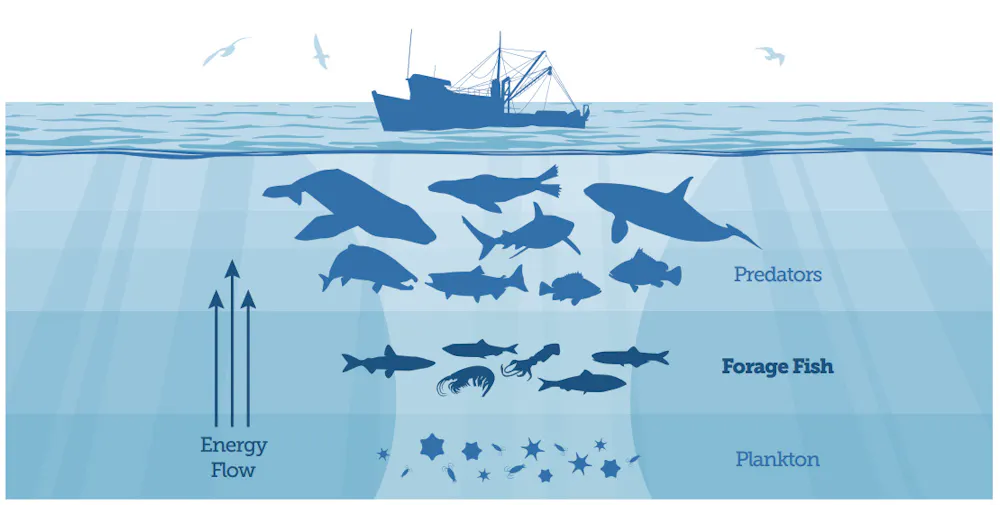
Aquaculture, or fish farming, is the world’s fastest growing food production sector. But the key ingredients in commercial fish feed – fishmeal and fish oil – come from an unsustainable source: small fish, such as anchovies and herring, near the base of ocean food webs.

My colleagues and I have developed a high-performing, fish-free aquaculture feed that replaces these traditional ingredients with several types of microalgae – abundant single-celled organisms that form the very bottom of the food chain in fresh and saltwater ecosystems around the world. To test this approach, we developed our feed for Nile tilapia – the world’s second-most farmed fish, exceeded only by carp.

Our research showed that tilapia fed our fish-free diet grew significantly better, achieving 58% higher weight gain than tilapia fed conventional feed. The resulting cost per kilogram of tilapia raised on our feed was lower than for fish raised on conventional commercial feed. And our feed yielded a higher level of a key fatty acid that is important for human health, DHA omega-3, in the resulting tilapia fillets.

Infographic of marine food chain
Why it matters

About 19 million tons of wild fish – some 20% of the total quantity caught around the world – are rendered into fish meal and fish oil every year, even though 90% of these harvested fish are fit for human consumption. Analysts project that aquaculture feed demands for fish meal and fish oil could outstrip the supply of small forage fish, also known as prey or bait fish, by 2037. If this happens, it could have disastrous consequences for human food security and marine ecosystems.

Aquaculture feeds can also contain soy and corn ingredients from industrial farms on land that generate large amounts of water pollution. Fish can’t fully digest these ingredients, so they end up in aquaculture wastewater. Just like wastewater from cattle or poultry farms, effluent from fish farms can be a serious pollution source. What’s more, these crops could be used for direct human consumption.

Handful of pelletized fish feed made from microalgae.

For all of these reasons, developing fish-free fish feed is a key leverage point for reforming aquaculture so that it helps to conserve natural ecosystems instead of damaging them. Reducing pressure on forage fish will strengthen global marine fisheries. Our work also shows that it is possible to improve the human health benefits of eating farmed tilapia by manipulating the fishes’ diet.

How we do our work

We developed our fish-free feed formula in a series of experiments over six years. First, we evaluated how well fish could digest specific varieties of marine microalgae. Then we conducted separate experiments to see how well fish grew using these individual ingredients as replacements for either fish meal or fish oil.

For this feed we used two types of marine microalgae. One is a waste product left over after another type of omega-3 fatty acid, called EPA, has been extracted from the microalga for use in human nutritional supplements. This is the first proof of concept for a tilapia feed that eliminates fish meal and fish oil while improving growth metrics and the resulting nutritional quality of the fish.

Our feed is a substantial improvement over other commercially available feed products. There are some existing fish-free feeds that use soy, corn and other plant-based ingredients, but terrestrial vegetable oils within these feeds lack long chain omega-3 fatty acids. As a result, they produce fish fillets with lower nutritional value.

Microalgae ingredients don’t have this problem. Researchers have been experimenting with using microalgae to replace either fishmeal or fish oil in aquaculture feeds, but there haven’t yet been any fully fish-free microalgae blend feeds available in the market. We hope that ours will be the first.

The other major challenge in developing a commercially successful fish-free feed is achieving a competitive edge over conventional feed on cost and fish growth performance. Our research showed promising results for these factors as well.

Farm employee scoops fish feed into pond
What’s next

We currently have a patent pending for our formula and hope to work with the aquafeed industry, ingredient suppliers and sustainable aquaculture entrepreneurs to bring it to market. The major challenge will be achieving a consistent ingredient supply in order to produce large quantities on an industrial scale.

We’re also working now to develop fish-free feeds for other aquaculture species, including salmonids, a group that includes trout and salmon. Unlike tilapia, which eat a primarily vegetarian diet, these species are predators, so farming them accounts for most of the fishmeal and fish oil used in aquaculture feeds. Successfully replacing fishmeal and fish oil with microalgae in salmonid feed would be a major advance toward more sustainable aquaculture.

Read more:

Pallab Sarker and other participants in the research described in this article have received funding from the U.S. Department of Agriculture; the Sherman Fairchild Professorship, Dean of the Faculty and Vranos family gift at Dartmouth College; the Dean of Social Sciences and Executive Vice Chancellor at the University of California Santa Cruz; and the National Sea Grant Aquaculture Federal Funding Opportunity.

Study: Birds Are Linked to Happiness Levels

EcoWatch

Study: Birds Are Linked to Happiness Levels

Carly Nairn                   December 8, 2020

Study: Birds Are Linked to Happiness Levels
A new study demonstrates the link between birds and happiness. TorriPhoto / Getty Images
A new study reveals that greater bird biodiversity brings greater joy to people, according to recent findings from the German Center for Integrative Biodiversity Research. In fact, scientists concluded that conservation is just as important for human well-being as financial security.

The study, published in Ecological Economics, focused on European residents, and determined that happiness correlated with a specific number of bird species.

“According to our findings, the happiest Europeans are those who can experience numerous different bird species in their daily life, or who live in near-natural surroundings that are home to many species,” says lead author Joel Methorst, a doctoral researcher at the Senckenberg Biodiversity and Climate Research Center, the iDiv and the Goethe University in Frankfurt.

The authors calculated that being around fourteen additional bird species provided as much satisfaction as earning an additional $150 a month.

For the study, researchers used data from the 2012 “European Quality of Life Survey” to explore the connection between species diversity around homes, towns and cites, and how it relates to satisfaction. More than 26,000 adults from 26 European countries were surveyed.

According to the study authors, birds are some of the best indicators of biological diversity in any given area because they are usually seen or heard in their environments, especially in urban areas. However, more bird species were found near natural green spaces, forested areas and bodies of water.

In the U.S., birding has become a more common and accessible hobby during the pandemic.

Although not new, thousands of amateurs and expert birders participate in Audubon’s long-running annual Christmas Bird Count, a three-week activity to count birds in a specific area for the group’s data compilation.

“Nature conservation therefore not only ensures our material basis of life, but it also constitutes an investment in the well-being of us all,” says Methorst.