I Went Into Anaphylactic Shock After My COVID Vaccine

I Went Into Anaphylactic Shock After My COVID Vaccine

Rachel Hillestad                     March 4, 2021


A few days ago, I went into anaphylactic shock while driving after receiving my second COVID vaccine. I couldn’t breathe, and just happened to be at a stop light next to a random ER. Since then, I have been receiving messages asking me if my experience had changed my mind about vaccinations.

The answer is No.

It has occurred to me that people could use my experience as a reason not to vaccinate, or an anecdotal story supporting their previously held view. I wanted to rectify that. Everyone knows I believe that Vaccines Cause Adults. (It’s my favorite shirt. I love to wear it to Whole Foods and Children’s Mercy, for very opposite reasons.) I have dear friends whose children cannot be vaccinated due to terrible allergic reactions requiring things like life flights and extended stays in the hospital due to other mitigating factors. You friends know I love you dearly, and I see you! Make the best choice for your family.

Rachel Hillestad/Facebook


That said, I would absolutely get the vaccine again. When it’s available for my children, they will get it, too. I’ve got a blood clotting disorder passed down from both my parents (heterozygous? homozygous? not sure — I always forget) and there is emerging research that those whose blood is prone to clot with this particular disorder can have a higher incidence of blood clots that settle in the lungs due to COVID infection. I also have a daughter who can’t get COVID and end up in the hospital again with infectious disease physicians shrugging their shoulders at her. No thanks.

While I was sitting at the corner of College and Metcalf about 300 feet from the most beautiful sight I’d ever seen, a building with ER emblazoned brightly on the side, I thought, “This would be the most ironic and dumbest way to die.” I considered running the light. (OK, truth time. I ran the light.)

Rachel Hillestad/Facebook


A friend whose husband is a doctor said that this kind of severe reaction happens in 1 of 5,000 individuals vaccinated. When boosters are available, I’ll have to take one that isn’t RNA. Yes. I’m so scientific!

After my daughter Phoebe was born and I nearly bled to death, a blood transfusion replaced half the blood in my body. The rate of occurrence for this type of thing happening to women who are having babies is 1 in 10,000. Does this mean I’d tell everyone to stop having babies? That would be silly. Everything we do involves a risk.

Anyway, I’d never had even a hint of an allergy before my blood transfusion. A few months after, I became allergic to a million different things and have undergone allergy immunotherapy in the form of weekly shots for the last two years. There’s emerging research that allergies can be passed from the donor to the recipient.

My anecdotal theory is that the adoration of coffee can also be passed along via blood transfusion. My sample size for the purposes of this study is exactly “one.” Before the transfusion, I would gag at the sight or smell of coffee. A few days after, it’s all I could think about, and I crave it now. I also developed a terrible penchant for binge-eating bananas, which I also found absolutely disgusting beforehand. On the other hand, maybe my body was just telling me I needed more potassium.

Rachel Hillestad/Facebook

I’m feeling better today; still swollen and achy.

If you have the chance to get the vaccine, please get it. My parents drove two hours to a random CVS in Missouri in order to get their first dose. My friend Krista tells me stories about watching African children with polio dragging themselves to the water well because their legs are completely nonfunctional. Whenever Doctors Without Borders arrive, parents will wait for HOURS or even DAYS to get their children the opportunity to be vaccinated. We are so privileged.

Don’t think I didn’t have the thought, “Of course I would be the person to die right next to an open ER in one of the most medically advanced countries in the world,” as I considered running the light to turn into the parking lot.

When you get the vaccine, stay the whole 15 minutes after that you are recommended to stay. I’ll be reporting my reaction to the manufacturer.

That’s my Fred talk. We’ll reserve the Ted talks for the actual medical professionals.

From Pollution to the Pandemic, Racial Equity Eludes Louisiana’s Cancer Alley Community

DeSmog

From Pollution to the Pandemic, Racial Equity Eludes Louisiana’s Cancer Alley Community


Louisiana funeral home
Courtney Baloney in full PPE at work in his funeral home, the Treasures of Life Center for Life Funeral Services in St. James Parish. Credit: Julie Dermansky

Mary Hampton, president of the Concerned Citizens of St. John the Baptist Parish, a community group in Louisiana fighting for clean air, opted to do everything in her power to avoid getting the coronavirus after Robert Taylor, the group’s founder, was hospitalized with COVID-19 earlier this year. So she got vaccinated as soon as she could. “Either the vaccine is going to make me sick,” Hampton reasoned, “or the virus is going to kill me.”

Like many African Americans, Hampton’s hesitation around vaccination stems from hearing about the way Black men were left to suffer during the Tuskegee syphilis study, an experiment between 1932 and 1972 which withheld lifesaving treatment, and from her own lifetime of experiences with unequal healthcare access. She told me that she and her family often had to wait hours to see a doctor for medical care while white people would go right in.

Mary Hampton at her home near the Denka plant, in St. John the Baptist Parish on February 9, 2021. Credit: Julie Dermansky.

The Denka Performance Elastomer Plant in St. John the Baptist Parish. Credit: Julie Dermansky

Hampton and Taylor live less than a mile from the Denka Performance Elastomer chemical factory in Louisiana’s St. John the Baptist Parish. This community lies in the middle of Cancer Alley, an 80-mile stretch along the Mississippi River between New Orleans and Baton Rouge that is lined with more than a hundred refineries and petrochemical plants.

Their fenceline community had been exposed to harmful air pollution for 46 years before DuPont sold this petrochemical factory, which produces synthetic rubber, to Denka on November 1, 2015.

Robert Taylor visiting the Zion Travelers Cemetery, next to the Marathon Refinery, in Reserve, Louisiana where some of his relatives are buried on December 3, 2020. Credit: Julie Dermansky.

Then, in late 2016, Taylor started the citizens group when the small, majority Black community learned that for decades this factory had been exposing them to many toxic chemicals, including chloroprene, which the Environmental Protection Agency (EPA) found is a likely human carcinogen.

According to the EPA’s National Air Toxics Assessment published in 2015 — which evaluates air contaminants and estimates health risks — residents near Denka’s plant were determined to have the highest lifetime risk of cancer from air pollution in the country, nearly 50 times the national average.

Covid Hotspot

In mid-March last year as the pandemic spread in the United States, Louisiana was identified as a hotspot for the virus, with the steepest curve of COVID-19 infections in the country.

At an April 5, 2020 press conference, Louisiana Gov. John Bel Edwards identified the African-American community in St. John the Baptist Parish as having an alarming death rate. A few days later, the governor announced the new Louisiana COVID-19 Health Equity Task Force, created to look at how health inequities are affecting communities most impacted by the coronavirus.

Bodies coronavirus victims at the Treasures of Life Funeral home during the second surge of the pandemic. Credit: Julie Dermansky.

Almost a year later, Hampton told me that she doesn’t find anything equitable about how her community has been treated during the pandemic. The Concerned Citizens group believes that equity for their community should start with the government making the Denka plant cut its emissions to meet the maximum level of chloroprene deemed safe by the EPA for humans to inhale over a lifetime.

The Concerned Citizens group isn’t satisfied with Denka’s emission reductions, which were cut by as much as 85 percent after the Louisiana Department of Environmental Quality (DEQ) and the EPA ordered Denka to do so. Emissions, however, are still consistently above the EPA’s recommended level, and the group wants the government to do more.

If the state is serious about creating health equity, Hampton thinks her community should have received access to the vaccines first, given their compromised immune systems and chronic exposure to harmful air pollution. “But that isn’t happening,” Hampton explained.

“I was able to get a vaccine since I’m over 80 years old, but I couldn’t get them for my children who are all in their 50s, and they need them too.”

CF Industries in St. James Parish  at the foot of the Sunshine Bridge. Credit: Julie Dermansky.

Covid and Chronic Pollution

Dr. Chip Riggins with the Louisiana Department of Health told me by phone that the state is doing everything it can to get vaccines to the Mississippi River Parishes including St. John the Baptist and nearby St. James Parish, but admits it isn’t happening as fast as they would like. Riggins explained numerous obstacles, from lack of pharmacies and health centers particularly on the West bank of the river to bad weather and a limited quantity of supply with the vaccine rollout.

Kevin Litten, a communications strategist with the Louisiana Department of Health, said via email, “Statewide, we have seen COVID-19 disproportionately affect communities of color.”

He pointed me to Louisiana’s COVID-19 dashboard and data provided on the department’s website when I asked if the health department could quantify the disparity in cases and deaths in St. John the Baptist and St. James Parish, compared to the rest of the state.

Rock Zion Baptist Church near Baton Rouge next to an industrial site. Credit: Julie Dermansky.

Dow’s St. Charles Chemical plant in Hahnville that recently made a settlement with the government to lower harmful emissions. Credit: Julie Dermansky.

A new study published in the European Journal of Environment and Public Health did just that. It used that exact data to evaluate the relationship between chronic exposure to air pollution and COVID-19 in Cancer Alley. The study found higher rates of COVID-19 infection and death in Cancer Alley’s 11 parishes. Residents of St. John the Baptist were more than five times as likely to die of the disease than people in other parishes, the researchers found.

The findings support other research connecting the impacts of chronic air pollution on the pandemic in China, Europe, and other parts of the United States.

“These effects in the United States are due to inaction on environmental and structural injustices and health inequities in Louisiana,” the authors wrote. (Longtime Cancer Alley advocate and  Louisiana GreenARMY founder, retired Lt. General Russel Honoré contributed to the study.)

The Burden on Black Communities

Courtney Baloney at work at his funeral home in St. James Parish, LA. Credit: Julie Dermansky.

One place where these racial injustices and inequities become magnified is in funeral homes. Courtney Baloney, the owner of the Treasures of Life Center for Life Funeral Services in St. James Parish has been busy since the start of the pandemic. I photographed Baloney at work early in the pandemic and returned to his funeral home when the second surge of infections and deaths started late last year and into this year.

Baloney finds it heartbreaking to watch the pandemic’s impact on the community, and he goes the extra mile to give those who have lost loved ones to the coronavirus all the support he can.

The Louisiana Department of Health acknowledged that it isn’t looking at potential connections between air pollution and COVID-19 hospitalization and death rates in Cancer Alley communities like St. John the Baptist Parish. “With COVID-19 being so new to Louisiana, the U.S., and the world, connecting the effects of the disease to environmental implications is still highly challenging. In Louisiana, we don’t currently have enough information to make these connections,” Litten said by email.

Baloney isn’t surprised that the Louisiana health department isn’t looking for a connection between air pollution and the pandemic’s death count, but he says that he sees the impacts in his own Cancer Alley community and in his work every day.

The Tulane Environmental Law Clinic published an analysis of the connection between COVID-19 and fenceline communities in May 2020. That early study found Black communities are overburdened with both COVID-19 deaths and air pollutants that harm the respiratory and immune systems.

The COVID-19 pandemic reveals the urgent and critical need to reduce the burden of air pollution on Louisiana’s black and economically disadvantaged communities,” Kimberly Terrell, one of the authors of the report, later published in the journal Environmental Justice, said in a news release. “Our study, along with many others, provides evidence that long-term exposure to harmful air pollutants should be considered a pre-existing condition for COVID-19.”

Wilma Subra is a technical advisor to the environmental advocacy group Louisiana Environmental Action Network and has been working with the Concerned Citizens group since 2016. “If you wanted to study the connection between pollution and the impact COVID-19 is having on fenceline communities, more monitoring for volatile organic compounds and particulate matter should be done,” she told me. According to Subra, ideally the state should be monitoring both of these type of pollutants at the fencelines of all polluting plants next to residential areas. “Then you would look at results compared to the hospital records of the people that get the sickness,” Subra said

Taylor, now out of the hospital and regaining his strength, told me over the phone that he is not surprised that the State of Louisiana is not examining the potential connections between the bad air in his community and impacts from the coronavirus.

He and members of his group believe that state environmental regulators and the health department have been working against the group from the start. Taylor pointed out that Dr. Chuck Carr Brown, Secretary of the Louisiana Department of Environmental Quality, labeled the group as fearmongers at December 2016 Parish Council meeting when they asked the parish council to force Denka to cut chloroprene emissions to the level deemed safe by the EPA. Brown later tried to backtrack his comment but never expressed support for Denka to lower emissions more than 85 percent.

A health study done by the University Network for Human Rights (UNHR) that was released in July 2019 provided evidence that Taylor’s community is at pronounced risk of cancer and other negative health effects due to toxic chemicals in the air. A peer-reviewed and updated version of that report, which Taylor and Hampton contributed to, was published this year on February 18 by the journal Environmental Justice.

In November 2019, the Louisiana Department of Health announced plans to conduct a first-ever scientific inquiry into cancer cases around the Denka plant near St. John the Baptist Parish.

“Instead of doing anything to help us after the health study was published, the state decided to do its own study,” Taylor said. While he welcomes the state’s effort, he doesn’t think it should stop state regulators from acting to protect the community from the plant’s emissions in the meantime. “The EPA indicated an elevated risk of cancer for our community. We shouldn’t have to wait till we get cancer and can prove the EPA right.”

The Board of Health tasked the Louisiana State University to send students to homes within a 1.5 mile radius of the Denka plant to collect data on incidences of cancer and then match the data from residents with medical reports. If the data differs from what they find in the Louisiana Tumor Registry, which tracks the state’s cancer incidences, then that data will be updated.

Due to the pandemic, the survey is being done by phone instead of in person. However, Taylor doesn’t see how that approach can succeed in this community. He has yet to receive a call from anyone tied to the study, and the few community members he knows who have received a call told him that the questions they were asked didn’t make much sense to them. Hampton pointed out that community members she knows who did participate didn’t feel comfortable talking about their family’s health status over the phone.

Counting Deaths

A victim of Covid-19 being buried in St. Charles Parish, LA, on January 30, 2021. Credit: Julie Dermansky.

While the Louisiana Tumor Registry’s records don’t show an increase in deaths caused by cancer incidences linked to industrial pollution in Cancer Alley, some environmental advocates say they don’t have much confidence in the accuracy of those records. Neither does  Baloney, the funeral home owner, who says he has no doubt that the oil refineries and petrochemical plants around him impact his community’s health.

The tumor registry bases its cancer count on reports from medical records, Baloney pointed out, but he has tended to many families who lost loved ones who hadn’t sought medical help before they died. With the increased deaths during the pandemic, the tumor registry will likely see a decline in deaths attributed to cancer, he says, because the coronavirus was the main cause of death for so many people, even if they also suffered from cancer.

Courtney Baloney leading pallbearers at a funeral in St. John the Baptist parish on October 10, 2020. Credit: Julie Dermansky.

Woman wearing an K95 mask at a funeral on January 30, 2021 for a loved one who died from Covid-19. Credit: Julie Dermansky.

Funeral in St. John the Baptist Parish in October 10, 2020 while the second surge of the pandemic hit Louisiana. Credit: Julie Dermansky.

On top of that, Baloney suspects that the state of Louisiana has undercounted the number of deaths due to the coronavirus from the start, due to the lack of free testing sites in Cancer Alley. Numerous people whose bodies he embalmed last year were never tested or examined by the coroner, so there is no way to determine whether or not the people he helped lay to rest died of COVID-19.

Some churches in Louisiana still don’t hold funeral services, and many of those in Cancer Alley communities don’t allow open caskets. That reality hits especially hard for Black families, says Baloney, because viewings are a deeply ingrained part of Black culture in America.

People leaving Samuel Gordon’s funeral in St. James Parish on December 5, 2020. Credit: Julie Dermansky.

Family members at Samuel Gordon’s funeral in St. James Parish in a church set up where every other row was in use. Credit: Julie Dermansky.

Samuel Gordon’s burial in St. James Parish on December 5, 2020. Credit: Julie Dermansky.

He considers depriving Black families a viewing following the death of a loved one to be another form of racial injustice. According to the CDC, there are no known risks of attending a service for someone who died of COVID-19. When churches are open for funerals but forbid viewings, Baloney says he holds viewings at his funeral home, and when necessary, the funerals too. He says he makes sure those attending follow safety protocols for social distancing and masking.

With a front-seat to the grief and devastation caused by this pandemic, especially for Black communities in Cancer Alley, Baloney says he is looking forward to a return to normal. But like many, he feels that time can’t come fast enough.

Photos in this report were produced with the support of a grant from the Magnum Foundation.

One Third of Freshwater Fish Face Extinction, New Report Warns

One Third of Freshwater Fish Face Extinction, New Report Warns

Olivia Rosane                February 23, 2021


One Third of Freshwater Fish Face Extinction, New Report Warns
The numbers of migratory freshwater fish such as salmon have declined 76 percent since 1970. Mike Bons / 500px / Getty Images

The latest warning of the Earth’s mounting extinction crisis is coming from its lakes and rivers.

A new report from a coalition of 16 conservation groups warns that almost a third of freshwater fish species face extinction because of human activity.

“Nowhere is the world’s nature crisis more acute than in our rivers, lakes and wetlands, and the clearest indicator of the damage we are doing is the rapid decline in freshwater fish populations. They are the aquatic version of the canary in the coal mine, and we must heed the warning,” Stuart Orr, WWF global freshwater lead, said in a statement Tuesday announcing the report.

WWF is one of the many organizations behind the report, along with the Alliance for Freshwater Life, Conservation International and The Nature Conservancy, to name a few. Together, the groups emphasized the incredible diversity of the world’s freshwater fish and their importance for human wellbeing.

There are a total of 18,075 freshwater fish species in the world, accounting for 51 percent of all fish species and 25 percent of all vertebrates. They are an important food source for 200 million people and provide work for 60 million. But their numbers are in decline. The IUCN Red List of Threatened Species has declared 80 to be extinct, 16 of those in 2020 alone. The numbers of migratory freshwater fish such as salmon have declined 76 percent since 1970, while mega-fish such as beluga sturgeon have fallen by 94 percent in the same time period. In fact, freshwater biodiversity is plummeting at twice the rate of biodiversity in the oceans and forests.

Despite this, freshwater fish get much less attention than their saltwater counterparts, the report authors say. Titled “The World’s Forgotten Fishes,” it argues that policy makers rarely consider river wildlife when making decisions.

The main threats to freshwater fish include building dams, syphoning river water for irrigation, releasing wastewater and draining wetlands. Other factors include overfishing, introducing invasive species and the climate crisis.

“As we look to adapt to climate change and we start to think about all the discussions that governments are going to have on biodiversity, it’s really a time for us to shine a light back on freshwater,” Orr told NBC News.

To protect these forgotten fishes, the report authors outlined a six-point plan:

1. Let rivers flow more naturally;
2. Improve water quality in freshwater ecosystems;
3. Protect and restore critical habitats;
4. End overfishing and unsustainable sand mining in rivers and lakes;
5. Prevent and control invasions by non-native species; and
6. Protect free-flowing rivers and remove obsolete dams.

They also called on world leaders to include freshwater ecosystems in an ambitious biodiversity agreement at the upcoming UN Convention on Biological Diversity conference in Kunming, China.

But the solution will require more than just government action.

“It’s now more urgent than ever that we find the collective political will and effective collaboration with private sector, governments, NGOs and communities, to implement nature-based solutions that protect freshwater species, while also ensuring human needs are met,” Carmen Revenga of The Nature Conservancy told BBC News.

Trash fills Bosnia river faster than workers can pull it out

Trash fills Bosnia river faster than workers can pull it out

Elmar Emric                          February 24, 2021


This aerial photo shows a dam garbage floating in the Drina river near Visegrad, eastern Bosnia, Wednesday, Feb. 24, 2021. Environmental activists in Bosnia are warning that tons of garbage floating down the Balkan country's rivers are endangering the local ecosystem and people's health. The Drina River has been covered for weeks with trash that has piled up faster than the authorities can clear it out. (AP Photo/Kemal Softic)

VISEGRAD, Bosnia-Herzegovina (AP) — Environmental activists in Bosnia are warning that tons of garbage floating down the Balkan country’s rivers are endangering the local ecosystem and people’s health.

The Drina River, located on the border between Bosnia and Serbia, has been covered for weeks with trash that has piled up faster than the authorities can clear it out.

Weeks of wet winter weather that swelled the Drina and its tributaries pulled plastic bottles, rusty barrels, used tires, old furniture and other rubbish into the water.

Near the eastern Bosnian town of Visegrad, islands of garbage can be seen floating on the emerald-colored water as they advance toward the dam of the local hydroelectric power plant.

Activists say the situation is similar for miles up and downstream from Visegrad.

“This is a problem of huge proportions,” warned Dejan Furtula of the local environmental group Eko Centar Visegrad. “I am appealing on all institutions and everyone who can help to join the (clearing) process.”

Local authorities have been working to remove the garbage, but more trash is constantly arriving from upstream, carried also by the Drina’s tributaries in Serbia and Montenegro. The waste eventually piles up by the Visegrad dam. The 346-kilometer long (215-mile-long) Drina later flows into the Sava River.

Furtula said that micro plastics and toxins from the garbage end up in the food chain, threatening both wildlife and humans.

“The entire ecosystem is in danger,” he said. “We all eat fish here.”

Waste management is a problem in many Balkans nations, where the economies are struggling and environmental issues often come last, after efforts to step up employment and industry production.

Serbia recently faced a similar garbage-clogging emergency at an accumulation lake. Unauthorized waste dumps dot hills and valleys throughout the country, while trash litters roads and plastic bags hang from the trees.

The Drina clearing effort in Bosnia received a boost this week from a startup based in Germany that brought in a garbage-picking vessel dubbed Collectix.

Everwave co-founder Clemens Feigl said “shocking” images of the trash-covered river motivated the company to come over to help.

“We will try in the next days to get as much waste as possible out of the water.,” he said. “We will be in action for the next 14 days and will give it our everything.”

In addition to river pollution, many countries in the Western Balkans have other environmental woes. One of the most pressing is the extremely high air pollution affecting a number of cities in the region.

“We just need to all to work more to boost ecological awareness,” Frutula said.

Texans: Dangerous Side Effects of Mold in Your Home, According to Science

Dangerous Side Effects of Mold in Your Home, According to Science

Alek Korab                  December 24, 2020

With health dangers outside the home, we are being asked to stay indoors. But what if there is danger inside your house? Chances are, you’ve got mold; nearly every house or apartment does. “Molds can be found almost anywhere; they can grow on virtually any substance, providing moisture is present,” reports the Environmental Protection Agency. “There are molds that can grow on wood, paper, carpet, and foods.” “Exposure to damp and moldy environments may cause a variety of health effects, or none at all,” reports the CDC. “Some people are sensitive to molds. For these people, exposure to molds can lead to” the following symptoms.

You May Get a Stuffy Nose, Wheezing and Red or Itchy Eyes or Skin
businessman taking off glasses rubbing dry irritated eyes


“Molds produce allergens (substances that can cause allergic reactions) and irritants,” says the EPA. “Inhaling or touching mold or mold spores may cause allergic reactions in sensitive individuals. Allergic responses include hay fever-type symptoms, such as sneezing, runny nose, red eyes, and skin rash….In addition, mold exposure can irritate the eyes, skin, nose, throat, and lungs of both mold-allergic and non-allergic people.”

It May Cause Asthma
Adult woman using inhaler in clinic


“Potential health effects and symptoms associated with mold exposures include allergic reactions, asthma and other respiratory complaints,” says the EPA. “Other recent studies have suggested a potential link of early mold exposure to development of asthma in some children, particularly among children who may be genetically susceptible to asthma development, and that selected interventions that improve housing conditions can reduce morbidity from asthma and respiratory allergies,” says the CDC.

You May Develop a Respiratory Tract Infection and Other Issues
Mature man coughing on color background


“In 2004 the Institute of Medicine (IOM) found there was sufficient evidence to link indoor exposure to mold with upper respiratory tract symptoms, cough, and wheeze in otherwise healthy people; with asthma symptoms in people with asthma; and with hypersensitivity pneumonitis in individuals susceptible to that immune-mediated condition,” says the CDC.

You May Have a Severe Reaction
man massaging nose bridge, taking glasses off, having blurry vision or dizziness
Man massaging nose bridge, taking glasses off, having blurry vision or dizziness


“Some people, such as those with allergies to molds or with asthma, may have more intense reactions,” reports the CDC. “Severe reactions may occur among workers exposed to large amounts of molds in occupational settings, such as farmers working around moldy hay. Severe reactions may include fever and shortness of breath.”

“A link between other adverse health effects, such as acute idiopathic pulmonary hemorrhage among infants, memory loss, or lethargy, and molds, including the mold Stachybotrys chartarum has not been proven. Further studies are needed to find out what causes acute idiopathic hemorrhage and other adverse health effects,” adds the agency.

What to Do if You Have Symptoms
woman Doctor in green uniform wear eyeglasses and surgical mask talking, consulting and giving advice to Elderly female patient at the hospital
Woman Doctor in green uniform wear eyeglasses and surgical mask talking, consulting and giving advice to Elderly female patient at the hospital


Discuss these issues with your doctor, who may refer you to a specialist. “There is no blood test for mold,” says the CDC. “Some physicians can do allergy testing for possible allergies to mold, but no clinically proven tests can pinpoint when or where a particular mold exposure took place.”

“If your seasonal symptoms are making you miserable, an allergist/immunologist, often referred to as an allergist, can help,” reports the American Academy of Allergy Asthma&Immunology. “Your allergist has the background and experience to determine which allergens, if any, are causing your symptoms. This information will form the basis of a treatment plan to help you feel better. Your personalized plan will include steps to avoid contact with allergens. Your physician may also talk to you about medications for temporary relief.”

How to Remove the Mold From Your Home
Shocked woman looking at mold on the wall.


“There is no practical way to eliminate all mold and mold spores in the indoor environment; the way to control indoor mold growth is to control moisture,” says the EPA. Call a specialist to have the mold addressed and “keep your windows closed at night and if possible, use air conditioning, which cleans, cools and dries the air.”

Extinction: Freshwater fish in ‘catastrophic’ decline

Extinction: Freshwater fish in ‘catastrophic’ decline

Helen Briggs, BBC Environment correspondent    February 22, 2021
Salmon in a Scottish river
Healthy rivers are essential for fish to thrive


A report has warned of a “catastrophic” decline in freshwater fish, with nearly a third threatened by extinction.

Conservation groups said 80 species were known to have gone extinct, 16 in the last year alone.

Millions of people rely on freshwater fish for food and as a source of income through angling and the pet trade.

But numbers have plummeted due to pressures including pollution, unsustainable fishing, and the damming and draining of rivers and wetlands.

The report said populations of migratory fish have fallen by three-quarters in the last 50 years.

Over the same time period, populations of larger species, known as “megafish”, have crashed by 94%.

The report, The World’s Forgotten Fishes, is by 16 conservation groups, including WWF, the London Zoological Society (ZSL), Global Wildlife Conservation and The Nature Conservancy.

Dead fish, Brazil
Dead fish in the water near Rio de Janeiro, Brazil


In UK waters, the sturgeon and the burbot have vanished, salmon are disappearing and the European eel remains critically endangered.

According to the WWF, much of the decline is driven by the poor state of rivers, mostly as a result of pollution, dams and sewage.

It has called on the government to restore freshwater habitats to good health through proper enforcement of existing laws, strengthening protections in the Environment Bill and championing a strong set of global targets for the recovery of nature.

Dave Tickner, from WWF, said freshwater habitats are some of the most vibrant on earth, but – as this report shows – they are in catastrophic decline around the world.

“Nature is in freefall and the UK is no exception: wildlife struggles to survive, let alone thrive, in our polluted waters,” said the organization’s chief adviser on freshwater.

“If we are to take this government’s environmental promises seriously, it must get its act together, clean up our rivers and restore our freshwater habitats to good health. ”

Sturgeon, Caspian river
Large fish such as sturgeon are dying out faster


Carmen Revenga of The Nature Conservancy said freshwater fish are a diverse and unique group of species that are not only essential for the healthy functioning of our rivers, lakes and wetlands, but millions of people, particularly the poor, also depend on them for their food and income.

“It’s now more urgent than ever that we find the collective political will and effective collaboration with private sector, governments, NGOs and communities, to implement nature-based solutions that protect freshwater species, while also ensuring human needs are met,” she said.

Commenting, Dr. Jeremy Biggs, of the Freshwater Habitats Trust, said to protect freshwater biodiversity, we need to consider both large and small waters, and to protect all our freshwaters: ponds, lakes, streams and rivers.

Scientists say removing Snake River dams ‘is necessary’ to restore salmon population

Scientists say removing Snake River dams ‘is necessary’ to restore salmon population

Eric Barker, Lewiston Tribune, Idaho               February 23, 2021
On the Northwest's Snake River, the Case for Dam Removal Grows - Yale E360

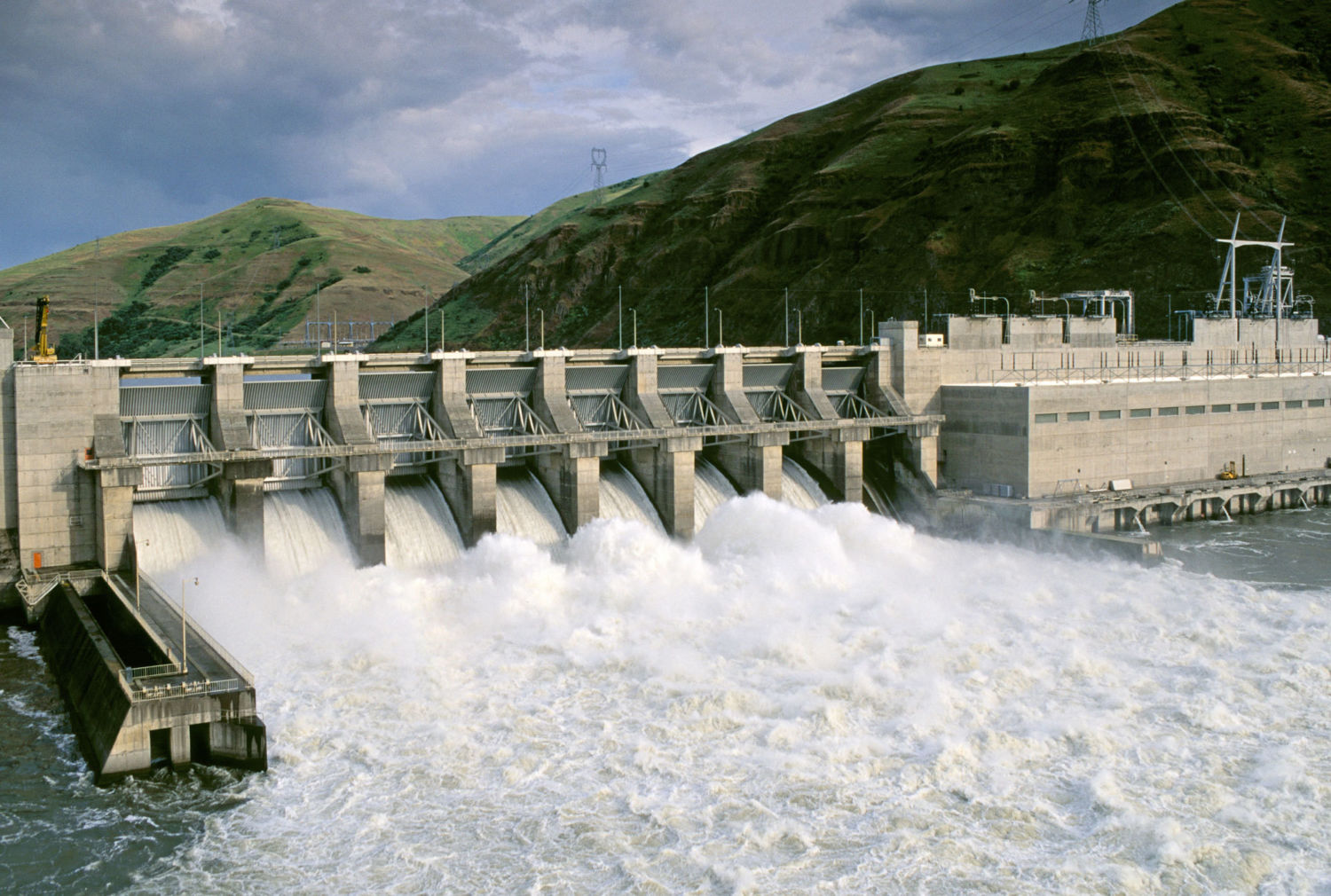
Another set of scientists, this one more than five-dozen deep, is sounding the alarm over Snake River salmon and steelhead, saying if the imperiled fish are to be saved, the four lower Snake River dams must go.

On Monday, 68 fisheries researchers from the Pacific Northwest released a letter penned to the region’s congressional delegation, governors and fisheries policymakers methodically making the case for breaching the dams.

“This scientific recommendation wasn’t taken lightly. This is relying on a review of a large preponderance of information that a bunch of us analyzed over and over again over the years,” said Howard Schaller, a retired fisheries research biologist who worked for the U.S. Fish and Wildlife Service.

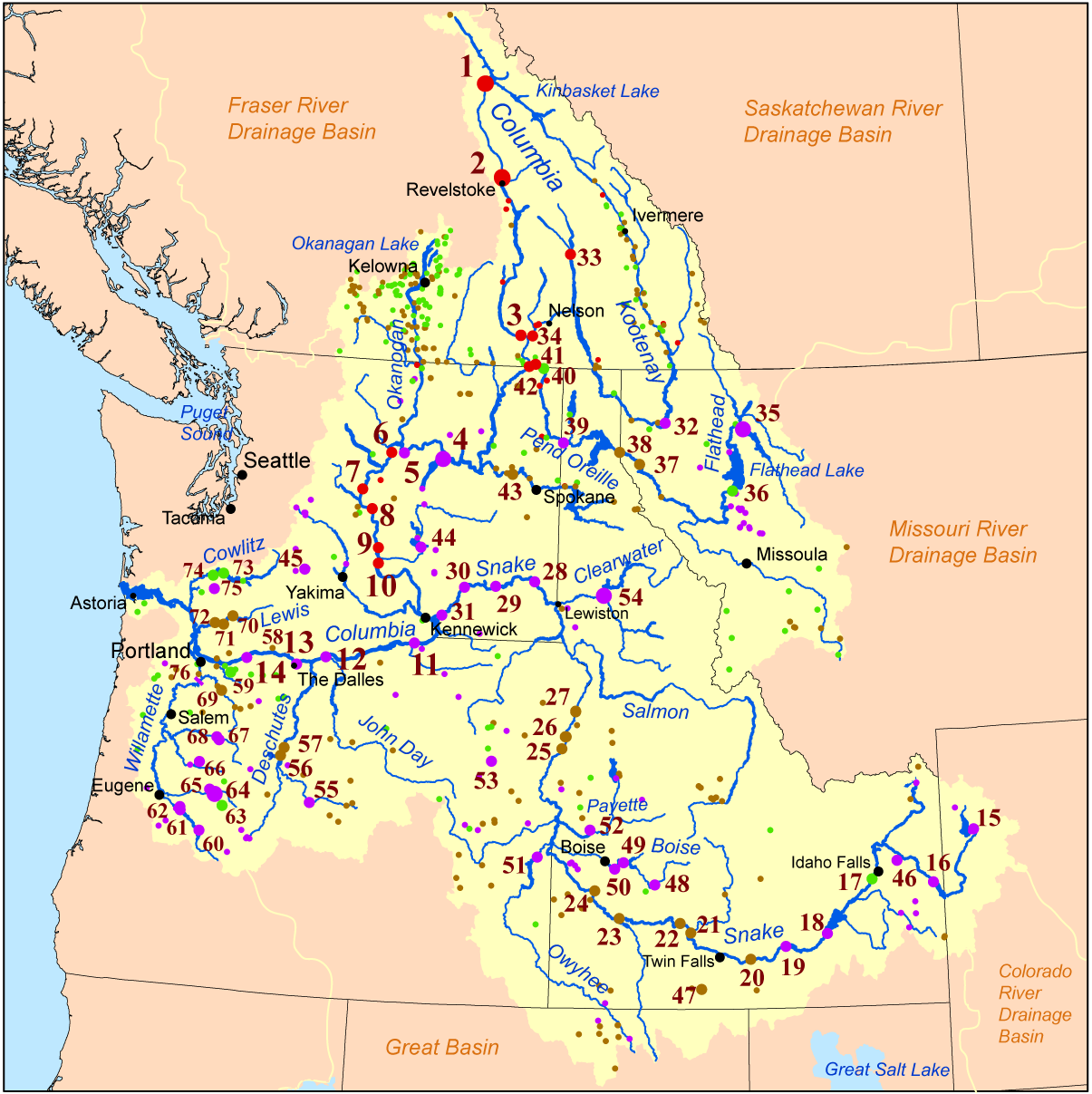
They compared the lifecycle survival, known as smolt-to-adult survival rates, of Snake River salmon and steelhead, and note the runs which must pass eight dams as they migrate to and from the ocean have lower survival rates than similar stocks in the Columbia Basin that only have to make it past four or fewer dams.

For example, wild steelhead from the John Day River in Oregon have an average smolt-to-adult return rate of 5 percent and wild chinook from the same river have a survival rate of 3.6 percent. The Northwest Power and Conservation Council has set a survival goal of 2 percent to 6 percent for anadromous fish runs from the Snake and Columbia rivers. At 2 percent, the runs replace themselves. At an average of 4 percent, they grow.

But the smolt-to-adult return rate for wild Snake River steelhead is 1.4 percent, below replacement level, and for wild spring and summer chinook, it is just 0.7 percent.

The difference, they say, is caused by the number of dams and reservoirs each run encounters during juvenile outmigration. For the fish from the John Day River, it’s three dams. Snake River fish must pass eight dams. At each one, they face hardships, including delays caused by slowed water velocity, predation, injury and stress. The scientists point to research that indicates many of the young fish that make it past each of the eight dams succumb from delayed mortality, the result of accumulated stress and injuries incurred along the way.

“When all of the existing credible scientific evidence is taken into account, it is clear that removing the four lower Snake River dams, with adequate spill at the remaining lower Columbia River dams, is necessary to restore Snake River salmon populations,” they write.

4 A. "Lower Four Snake River Dams" - SaveOurDams

The work they cite was looked at during last year’s Columbia River Systems Operation Environmental Impact Statement, authored by the Army Corps of Engineers, Bureau of Reclamation and Bonneville Power Administration. The federal agencies concluded removing the four lower Snake River dams would produce the highest likelihood of saving the fish. But the agencies instead chose a plan that calls for water to be spilled at each of the dams during the juvenile outmigration period.

4 A. "Lower Four Snake River Dams" - SaveOurDams

Lower Four Snake River Dams

“They basically came to the conclusion themselves that breaching was the action that had the highest benefit,” Schaller said.

Terry Holubutz, a retired fisheries researcher and manager who spent most of his career with the Idaho Department of Fish and Game, said dam breaching would allow more wild salmon and steelhead to survive and return to Idaho’s mostly pristine spawning habitat. That is critical, he said, now that ocean conditions are poor and expected to be influenced by climate change.

“I think anyone that goes through the data that has been developed over the years would say that survival of downstream migrants is the key factor for the Snake River stocks, and if we (breach the dams) that our fish would be in a better position to handle the ocean conditions right now. So our group feels strongly this is something we have to do.”

Last week, a study by federal fisheries scientists said Snake River chinook face grim odds which will grow substantially worse with climate change. Some of those who worked on the study said dam breaching should be considered while others said measures to improve conditions in the ocean are more important.

Earlier this month, Idaho Congressman Mike Simpson released a $33 billion concept that calls for breaching the four lower Snake River dams and mitigating affected communities and industries. The plan has been endorsed by many conservation organizations but criticized by some local government officials, farmers and shippers.

Holubutz said Simpson’s blueprint is a promising development that the region should look at and help shape so that it accomplishes its goal of saving the fish and offsetting the negative impacts of breaching.

“It’s a start, and that is what we need — a start.”

File:Columbia dams map.png - Wikimedia Commons

Want to eat more fish? These are the healthiest picks

Want to eat more fish? These are the healthiest picks

Bonnie Taub-Dix                     February 23, 2021


Fishing for better health? Look no further than the seafood counter at your local supermarket.

For years, we’ve been hearing about the benefits of eating seafood, particularly when it comes to the connection between omega-3 fatty acids and heart health. More recently, studies have shown that eating seafood may support brain health, too, including reducing incidences of depression and boosting one’s mood. In addition to being a rich source of these vital fatty acids, seafood also provides selenium, iron, B vitamins and a host of other valuable nutrients.

In terms of protein, many types of seafood have a relatively high protein-to-calorie ratio, packing in around 7 grams protein per ounce, which is similar to chicken.

Display of fresh fish for sale at local market in Grand Central Station (Getty Images)


Today, during the pandemic, Americans are eating more seafood than in previous decades, but a recent survey showed that only one in ten consumers meets the goal of enjoying seafood twice a week, as recommended by The Office of Disease Prevention and Health Promotion’s Dietary Guidelines. Although many people are aware of the health benefits of different types of seafood, not everyone knows which is best for their diet — or how to select the right piece of fish at the grocery store.

Other barriers related to seafood consumption include some beliefs that seafood has a higher price tag than other forms of protein (which, to be fair, is sometimes true) and confusion over the best way to cook different types of fish.

Related: Whether you’re observing Lent or just need dinner inspiration, give these simple and tasty seafood recipes a go.

If you want to incorporate more seafood into your diet — whether it’s fresh from the seafood counter, canned or frozen — there’s a wide range of types and price points that can fit every palate, budget and lifestyle.

Here are some of my family’s favorite seafood choices, along with some easy recipes to satisfy a variety of tastebuds.

Salmon

Salmon is a flavorful, fatty fish that’s rich in heart-healthy omega-3 fatty acids. Salmon is also a good source of vitamin D, which is important for healthy bones. The daily recommended value of vitamin D is 400 IU for adults and children ages 4 and older. A 3-ounce serving of salmon contains 570 IU of vitamin D. It’s not easy to find naturally-occurring vitamin D in a lot of foods (but you can also find it in fortified dairy and non-dairy milks) so salmon is a great choice for most people to enjoy.

Valerie Bertinelli’s Herb-Roasted Salmon with Avocado Salsa by Valerie Bertinelli

Canned salmon with bones is also an excellent source of calcium and it helps enhance the absorption of vitamin D. Fish bones, you say?! Yes, it’s actually perfectly fine for both kids and adults to eat the soft bones in canned fish. If you’re concerned, you may further crush up the bones for kids or create salmon cakes.

Fish can be canned in water or oil; which one you choose may depend on whether you’re watching your caloric or fat intake. When it comes to canned salmon, the U.S. Food and Drug Administration’s Canned Pacific Salmon Standard of Identity actually prohibits the addition of water. Canned salmon is actually cooked in the can, so any liquid in the final product comes from the natural juices of the flesh when the salmon is cooked.

Whether you’re looking to jazz up your salmon for summer barbecues or you’re just popping it in the oven, this fatty fish is a versatile choice that holds up well to a variety of marinades, sauces and preparations.

Tuna

Tuna helps your heart in a variety of ways. Besides containing omega-3 fatty acids, tuna is also rich in niacin (vitamin B3), which helps lower cholesterol levels. Sushi lovers will be happy to know that fresh yellowfin tuna contains almost 16 milligrams of niacin per 3-ounce serving. Just go easy on the rice and mayo-based spicy sauces. The same amount of canned tuna boasts an impressive 11 milligrams of niacin.

While fresh yellowfin tuna steaks can often retail for over $20 a pound, canned tuna is an inexpensive way to stock up on lean protein all year long. Canned light tuna packed in water (drained) provides around 73 calories and 0.8 grams of fat for a 3-ounce serving, while the same amount of tuna canned in oil (drained) will give you 168 calories and 7 grams of fat. Looking to make a classic tuna salad? For a healthier alternative to mayo, try mixing water-packed tuna with mashed avocado, another heart-healthy food that adds a creamy compliment to any fish.

Cod

Cod is a mild-flavored fish with white flesh, similar to haddock and pollock. It’s a meatier type of seafood, so it can hold up well to many different types of preparations without falling apart, and it’s one of the leanest sources of protein weighing in around 15 grams for a 3-ounce serving with only 0.5 grams of fat. Cod is also an excellent source of vitamin B12, with one serving containing a little more than 30% of the recommended daily value.

Cod is like a blank canvas that pairs well with any sauce, whether you prefer a citrus-style marinade or a creamy sauce on top of a crispy fried fish sandwich.

Valerie Bertinelli’s Roasted Cod with Cashew-Coconut Topping by Valerie Bertinelli

Sardines

If you don’t ditch the bones in sardines, your bones will thank you because you’ll be getting about 40% of your recommended daily value of calcium per serving. Since most of us don’t get enough calcium, sardines are an excellent choice for many types of diets, especially those that can’t handle dairy. Sardines are also an excellent source of vitamin B12, selenium and phosphorous.

When it comes to sardines, one 3-ounce can packed in oil clocks in at around 130 calories with about 8 grams of total fat, while water-packed sardines provide 90 calories with 3 grams of fat. Sardines are delicious right out of the can, served on top of a salad or mashed on top of a crusty piece of whole grain bread with a thick slice of tomato.

Related: Pop open a tin and you’ll unleash endless pastabilities.

Shrimp

Whether they’re medium-sized or jumbo, shrimp brings in big benefits. You’ll pick up around 20 grams of protein from just 3 ounces of shrimp and this portion size goes a long way in recipes. Besides protein, a serving of shrimp provides all of your daily selenium needs, which helps support thyroid function, heart health, boost immunity and fight inflammation. Shrimp also provides vitamin B12, choline, copper, iodine and phosphorous.

Butter Lettuce-Wrapped Shrimp Tacos by Kelly LeVeque

One of the most versatile seafood proteins, shrimp can be showcased in almost any dish from around the world. Craving Italian? Serve up shrimp with some spaghetti topped with a garlic-infused tomato sauce. If you love Mexican food, shrimp make a phenomenal taco filling.

Scallops

Scallops are a great source of magnesium and potassium, which are both important for heart and brain health. They also promote blood vessel relaxation, help control blood pressure and enable better blood circulation. A 3-ounce portion of scallops is only 75 calories, has around 15 grams of protein and less than a gram of fat.

Like many types of seafood, scallops don’t take very long to cook and can easily be prepared in a few minutes on the stovetop. Bring out the naturally sweet, buttery taste of seared scallops with a touch of salt, pepper and avocado oil in a hot skillet. Serve over wild rice or pair them with a colorful salad. For a more decadent take, try Al Roker’s bacon-wrapped scallops.

Oysters

Get shucking if you’re looking to boost your iron intake. With their briny, ocean-forward flavor, oysters aren’t necessarily for everyone but oyster devotees enjoy eating this delicious shellfish fried, baked and raw right out of the shell. Oysters are very rich in iron, providing about 60% of your daily needs in just one serving. You’ll also find vitamin C, vitamin E and plenty of zinc in oysters. Unlike salmon and tuna, oysters aren’t always in season so check with your fishmonger about the catch of the day.

Siri’s Oysters on the Half-Shell by Siri Daly

As far as prep goes, you won’t need to do much cooking when it comes to eating oysters. Most people take delight in slurping them down raw (but if you’ve never shucked one before, it’s probably best to take a class or leave it to the pros), along with the addition of an array of tangy sauces like mignonette or cocktail … or just a hefty squeeze of bright lemon juice.

Clams

Just 3 ounces of clams provide a whopping 84 micrograms of vitamin B12 — more than 1,400% of your recommended daily value of the vitamin. You’ll also find copper, manganese, phosphorus, potassium, selenium and zinc in clams. Clams also provide iron and vitamin C — which all work in tandem as vitamin C helps enhance the absorption of iron.

Crispy baked clams oreganata style, topped with seasoned bread crumbs, garlic, oregano, parsley and olive oil, are always a timeless family favorite and can be served year round.

Bonnie Taub-Dix, RDN, is the founder of BetterThanDieting.com and author of “Read It Before You Eat It – Taking You from Label to Table.” 

Mom Recounts Last Moments With Her 3 Kids Who Died in Texas Power Outage

‘This Is Some Crazy Nightmare’: Mom Recounts Last Moments With Her 3 Kids Who Died in Texas Power Outage

Kate Briquelet                            February 22, 2021


Last Monday, Jackie Pham Nguyen was grateful to still have power at her Texas home.

Her kids—Colette, 5, Edison, 8, and Olivia, 11—played in the snow that morning before coming inside for hot chocolate and leftover food from Lunar New Year celebrations. For hours, they played Bananagrams and other board games.

Their grandma, Loan Le, joined them. The 75-year-old, who’d lost heat at her own residence amid the state’s power failures, braved icy roads to take shelter at their Sugar Land house.

These Three Siblings Died Tragically in Texas’ Deep Freeze. It Didn’t Have to Be This Way.

“Honestly it was an awesome day. We had lunch at home, hung out. The kids were excited that they didn’t have school because it was Presidents’ Day, and we just kind of had the news running in the background the whole time,” Jackie said. “The whole day, I felt grateful we were among the 10 to 15 percent of Houston that had power.”

When the lights went out at 5 p.m., the family was undeterred. They huddled together for warmth, Jackie lit the fireplace, and they continued playing games. Around 9:30 or 10 p.m., Jackie tucked the kids in bed upstairs and went to sleep in her room downstairs.

Four hours later, the house was in flames. Jackie said she doesn’t remember much about that night, except that when she woke in a hospital bed, a fire official informed her that the children—and her mother—were gone.

“After that, I couldn’t breathe. Even now, I can’t believe it. This is some crazy nightmare and I’m going to wake up any minute now,” Jackie told The Daily Beast.

“How did we all have this perfectly normal day and how did it end like this?” she said.

Authorities are investigating what caused the blaze, which comes amid extreme weather and a deadly power crisis across the state. Initial reports on social media suggested the inferno may have started from the fire the family lit to keep warm.

Dozens of people in Texas—and across America—have died in last week’s winter storms. The cold snap especially wreaked havoc on the Lone Star State, where millions of people lost electricity, heat and water because of the state’s infrastructure failures.

Among the dead are 11-year-old Cristian Pineda, who died of suspected hypothermia in his freezing cold mobile home in Conroe. The sixth-grader and his family came to the U.S. from Honduras two years ago. Cristian’s mother, Maria, has filed a $100-million wrongful death lawsuit against the state’s grid operator, Electric Reliability Council of Texas (ERCOT) and the utility company, Entergy Corporation.

Houston mom Etenesh Mersha and 7-year-old daughter Rakeb Shalemu died from carbon monoxide poisoning after they desperately sought warmth in their car.

Andy Anderson, a Vietnam veteran in Crosby died of hypothermia while trying to get a generator running; he relied on an oxygen machine, which doesn’t work without electricity.

There are many tragic stories of loss, and likely more to come.

Vanessa Kon, an aunt of the Nguyen children, told the Daily Beast she believed officials should have been prepared for the power grid disaster.

Courtesy of Jackie Nguyen


“We don’t know what happened,” Kon said. “We don’t know why the lights went out like that. The city should have been prepared for it. Why was the power off? If the power wasn’t off, this wouldn’t have happened.”

For her part, Jackie hasn’t even begun to consider accusations of negligence against Texas power operators. “I’m in this triage sort of crisis mode right now,” Jackie told us from an extended-stay hotel. “I’m just waiting for what people have to say.”

Jackie said she spent two days in a hospital burn unit before she left against the advice of doctors. For several days, she still smelled like the smoke from her burning house, until she finally found a hotel with running water.

“I don’t remember a whole lot from that night,” she said. “I suffered from a lot of smoke inhalation. It’s kind of impaired some of my brain cognition. I’m really just hoping a lot of it comes back. Because I want to be able to piece all that together.”

Jackie remembers letting Olivia talk over Zoom with her friends from a New York summer camp that night, despite wanting to conserve energy on their electronic devices in anticipation of outages. “I’m grateful that I did let up a bit on that, so she could have that. So her friends could have that memory,” Jackie said.

She remembers the kids trying to teach Loan to play the card game Speed, but Loan wasn’t catching on. She thinks of little Colette, nicknamed Coco, suggesting they mix chocolate syrup with milk because they ran out of cocoa mix.

Jackie said grandma Loan lived just five miles away and usually never spent the night anywhere but her own house. Even during Hurricane Harvey in 2017, Loan stubbornly chose to stay by herself. “I thought it was so weird that she didn’t even give me a hard time about coming over,” Jackie said of Monday’s sleepover. “I kind of wonder… if things happened that way so that she would be there. She would not have been able to survive knowing what happened to her grandkids.”

The grieving mom—who suffered burns and smoke inhalation from the blaze—said one blip is replaying through her mind. She recalls standing in the foyer of her two-story house and encountering walls of flames. She screamed for the children but didn’t hear them. She only heard the crackling of fire, the noise of the walls disintegrating.

She believes her female friend, a light sleeper who stayed over that night, dragged her from the home. The friend tried calling 911 but her phone wasn’t working, so she ran out and banged on neighbors’ doors.

“Obviously, as a parent, you question yourself, if you could have done something,” Jackie said. “The way it’s been explained to me is just: I’m lucky to be alive. There was nothing else for me to do.”

As Jackie tries to piece together what happened that night, she said she wants people to know who her children were—and how important their grandmother was in their lives, an unsung hero and the glue that kept the family together.

Jackie’s parents moved to the U.S. in 1981 from Vietnam, where Jackie was born. Loan and her husband, Cau Pham, were refugees in Malaysia before coming to California and later moving to Texas. Jackie’s three kids were first-generation Americans.

“If it weren’t for my kids, I don’t think she would have made it as long as she has,” Jackie said of Loan, adding that Cau died several years ago. “They gave her a sense of purpose. She scheduled everything around their 3 o’clock pickup at school. Or she did grocery shopping for us.”

“I can’t say enough about how much my mom was a rock to me and saving grace to my children,” Jackie added.

Jackie’s coworkers at the tech company Topl, and her cohort at Rice University, where she’ll earn an MBA this spring, launched a GoFundMe that has raised more than $278,000. Right now, the fundraiser is a placeholder for a future foundation to honor Colette, Edison and Olivia. (Kon also created a GoFundMe on behalf of her brother, Nathan Nguyen, the children’s father.)

All of her kids, she said, were wildly different “little humans.”

First-born Olivia was witty and sarcastic, and loved skiing and listening to Queen, Journey, and other classic rock music. “She’s very much an old soul—stuck in this middle-schooler’s body,” Jackie said. “She’ll tell me what songs are about. Anything she was curious about she would dive in. Every song, she reads the lyrics, looks up the history, the band members. She could have been on Jeopardy or some sort of trivia.”

The mother and daughter shared a special connection; both were the oldest in their families. “She was such a good big sister,” Jackie said. “It was a love-hate relationship [being the oldest child]. It’s a burden. It’s another way she and I related.”

Edison had just turned 8 in November and was a sweet, gentle boy who enjoyed art and painting and was eerily attuned to other people’s moods. Jackie said Edison was mildly autistic and has struggled with social tact, but he was also incredibly considerate. “He always could sense if I was sad or if I was stressed, or if I was worried. He would just check in on me—my 8-year-old!”

“I’d ask him, ‘Are you happy, son? Are you having a good day?’ The things we say to each other a lot were: ‘If you’re happy, I’m happy,’” Jackie said. “If you spent a minute with him, you just knew he had such a warm heart.”

Colette, at 5 years old, was a girly-girl and unapologetically herself—especially when making videos for TikTok. She even made and presented a PowerPoint show for Jackie’s birthday, with a slide that read: “Top 5 reasons i love mama.”

“She was constantly dancing and talking to herself, as if she’s on a live show,” Jackie said. “She was not going to accept her birth order. There was no way anyone was going to knock her around and bully her in anyway.”

But she was also very loving and affectionate, always hugging her mom or holding her hand. “Even when she looks at you, she looks at you longingly and deep into your eyes, it’s adorable,” Jackie said.

Jackie said she wants the GoFundMe money to go to causes related to performing and visuals arts, autism awareness, and reading and literacy—themes that speak directly to who her children were as people.

“They are amazing little humans and they would have grown up to be awesome, to really contribute and make a difference,” she said.

“This is the legacy I could do for them. This is the goodness they would have potentially done had they been able to live out their lives.”

COVID-19 is circulating in some animals. What does that mean for us?

COVID-19 is circulating in some animals. What does that mean for us?

Dr. Jonathan Chan                     February 21, 2021


Last month, the nation watched as Winston the gorilla came down with COVID-19 and then recovered. So far, the virus has been detected in zoo animals like Winston, domestic animals like cats and dogs, and most worryingly, in farmed and wild animals like mink and ferrets.

Now, animal experts are warning that if the virus is circulating freely in wild animals, it might develop mutations and evolve into a new version – one that is capable of jumping back into humans.

January has been the deadliest month in the United States since the start of the COVID-19 pandemic last year, as efforts to distribute and administer the new vaccines continue.

And just as the United States is ramping up its efforts to find new COVID variants among people, many scientists are speaking out that we should be doing the same for animals.

“In the current pandemic, we know that the virus originated in wildlife, most likely bats, then jumped to people,” said Dr. Jonathan Epstein, an epidemiologist and vice president for science and outreach at EcoHealth Alliance. “And we know that there are a lot of other animals that are susceptible to this virus.”

MORE: US life expectancy drops 1 year in first half of 2020 amid coronavirus pandemic, CDC says

Epstein explained that the COVID virus is so widespread and so many people are infected that there is a significant possibility that wildlife could be exposed through the environment, contaminated waste water or direct contact with humans.

PHOTO: A dog is tested for COVID-19 in South Korea on Feb. 10, 2021. (Seoul Metropolitan Government)


Minks are small, carnivorous mammals that are raised mostly for their furs. So far, six countries, Denmark, the Netherlands, Spain, Sweden, Italy and the United States, have reported COVID virus infections in their mink farms to the World Health Organization.

While there is no evidence yet that the virus found in the farmed mink population is more dangerous than what has already been detected in humans, the virus does spread easily among minks that are housed closely together.

But infections in farmed and captive animals can be managed. Some farmed mink populations in Europe, for example, have been culled. Meanwhile, zoo animals like Winston are isolated and treated for their infections to limit the spread of disease.

But it’s a different story once the virus jumps into wildlife.

As scientists were investigating the outbreak of COVID among farmed minks, they discovered that the virus had already spread to wild minks as well.

“What we are seeing right now is known as a spill back infection,” said Dr. Christine Kreuder Johnson, a professor of veterinary medicine and ecosystem health at the University of California—Davis School of Veterinary Medicine. The virus, which likely originated from bats, spilled over to the human population and has now “spilled back” to infect other animal species.

According to Johnson, the threat of spill back includes both wildlife populations and zoo animals. Felines, including both tigers and domestic cats, are suspected to have been infected from their human owners or caretakers.

“Widespread transmission in any animal species could be a source of virus mutation,” she said.

While there is limited evidence that the virus can significantly spread to humans from animals, scientists are concerned that the virus could change while infecting other animal species. If it spills back, or returns, to infect humans again, it could come back as a new variant.

But more testing and research still needs to be done to better understand the extent the virus can spread in animals.

“We may never have the answer to the question about how COVID spreads in wild animals,” said Dr. Tracey McNamara, a professor of pathology at the Western University of Health Sciences College of Veterinary Medicine.

“Testing in animals was discouraged from the very beginning, largely because they were concerned that there were not enough supplies,” she said. “Testing in humans and wild animals use the same types of swabs.”

In a statement, the Centers for Disease Control and Prevention does not currently recommend routine, widespread testing among animals, and animal testing is available if “public health and animal health officials agree the animal’s case merits testing.”

That doesn’t mean, however, that we won’t be able to learn more about the spread of COVID in different species, through a process known as retrospective serologic surveys. As McNamara explained, every time a staff member interacts with or handles an animal at a zoo, they obtain a blood sample and store that in a blood bank.

PHOTO: A guard stands at the entrance to the Bronx Zoo on April 06, 2020, in New York City. A four-year-old tiger named Nadia at the zoo tested positive for COVID-19, the Wildlife Conservation Society said in a statement on April 5. (Spencer Platt/Getty Images)


Those samples are saved, and with enough funding and support, scientists could look back at those samples and potentially learn more about when COVID may have first appeared in different wild and domestic animal species.

“So much funding was poured into the development of the COVID vaccine,” said McNamara. “Creating a vaccine is very expensive, but there may be less expensive modes to decrease spreading between animal species.”

That includes treatment and prevention efforts specifically designed for captive and farmed animals. And for wild animals, it means more robust monitoring and testing — and reducing direct contact with wildlife when possible.

Ultimately, the threat of “spill back” is a reminder that almost all virus outbreaks are zoonotic, meaning they originate in animals and wildlife.

“These pandemics don’t happen by accident,” Epstein said. “They happen because of human activity that changes the environment around us and brings us into closer contact with wildlife.”

Jonathan Chan, M.D., is an emergency medicine resident at St. John’s Riverside Hospital and a contributor to the ABC News Medical Unit.