4 important things vitamin B12 does to your brain and body
Allana Akhtar – November 25, 2022
Eggs are a good source of vitamin B12.Getty
Vitamin B12 is an essential nutrient for forming red blood cells and DNA.
Without enough B12, a person can have trouble walking, experience memory loss, or TKTK
The body does not make vitamin B12, and it only occurs naturally in animal products.
The 8 “B” vitamins help the body convert food into energy, and all of them play an essential role maintaining healthy hair, nails, eyes, liver, and nervous system, according to Mount Sinai.
Vitamin B12 is a particularly important nutrient because it helps form red blood cells and DNA. Though vitamin B12 deficiencies are rare in the US, vegetarians and vegans are more susceptible to the condition, Dr. Eduardo Villamor, a professor of epidemiology at the University of Michigan, previously told Insider.
Villamor said symptoms of a vitamin B12 deficiency vary with how long a person has been without the nutrient.
Mild vitamin B12 deficiencies result in fatigue, which can sometimes be debilitating; doctors recently diagnosed a woman in the UK who experienced extreme tiredness and trouble walking for years with “dangerously low” vitamin B12 levels.
If someone is concerned about a vitamin deficiency, dietitians and doctors told Insider they recommend talking to their healthcare provider before starting supplement use on their own.
Here are 4 essential roles vitamin B12 plays in the body:
1. Vitamin B12 is essential for creating red blood cells
Vitamin B12 plays a particularly important role in creating red blood cells, which transport oxygen throughout the body.
Vitamin B12 contributes to the complicated process of making hemoglobin, the protein within red blood cells that carries oxygen. B12 activates the chemical “succinyl CoA” that the body eventually turns into hemoglobin.
Without B12, the body cannot make enough hemoglobin to produce fully functioning red blood cells, according to Cleveland Clinic. The lack of healthy red blood cells due to a vitamin B12 deficiency can lead to anemia, which causes pain, trouble walking, memory loss, mood changes, and vision problems.
2. The nutrient plays an important role in DNA formation
Vitamin B12 helps catalyze biological processes that create DNA and RNA, according to the National Institutes of Health.
Per the NIH, people deficient in B12 synthesize DNA slowly. Because DNA is the building block for all cells, people without enough vitamin B12 can develop megaloblastic anemia, when the body produces large, abnormal red blood cells.
According to the Cognitive Neuroscience Society, B12, B1, and B6 are known as the “neurotropic” B vitamins because they play a part in maintaining a healthy central and peripheral nervous system.
Vitamin B12 helps form myelin, which is a protective sheath wrapped around the nerves. Myelin sheaths allows nerves to send electrical impulses to other nerves quickly and efficiently, per Cleveland Clinic.
The nutrient also plays an important role in creating new nerves and repairing nerves after injury, CNS said. A deficiency in B12 can create a “tremendous health problem,” manifesting in a breakdown of the brain’s spinal cord, damage to the nerves outside the brain, and impaired cognitive function.
4. Too little vitamin B12 could weaken bones
Low levels of vitamin B12 has been linked to osteoporosis, or the weakening of bones. A 2015 review found a lack of B12 might trigger the body to make “osteoclasts,” or cells that breakdown bone.
However, too much B12 could also harm your bones. A study of 75,000 post-menopausal woman found those taking supplements that far exceeded the recommended daily amount of B12 had an increased risk for hip fracture.
Combining Olive Oil and Lemon Juice May Have Exponential Health Benefits, According to Science
Nora Miller – November 25, 2022
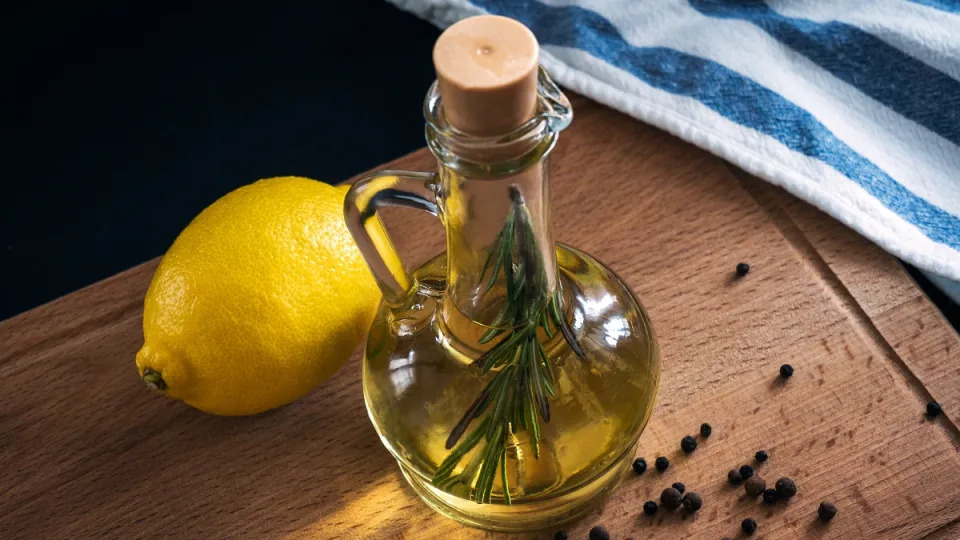
Lemon juice and olive oil are ingredients that appear in many of our favorite dishes. But did you know that the two — when paired — have tremendous health benefits? On its own, lemon juice supports everything from weight loss to better skin clarity, and the nutritional and wellness value of olive oil is well-known. Together, however, their impact is amplified. Read on to learn how (and why) incorporating the combination of olive oil and fresh lemon juice can improve your health.
What are the health benefits of olive oil?
Olive oil has a rich history. Cleopatra’s famous golden glow is believed to be a result of bathing in olive oil. The Ancient Greeks viewed the olive as a “sacred fruit,” and the Romans associated olive oil with elite society and consumed the liquid to extend longevity. Dubbed the “golden nectar of the gods,” this rich source of healthy fats and antioxidants has been a coveted commodity for centuries. Today, it remains a staple of the Mediterranean diet. Here are some of the reasons olive oil is so special.
It’s packed with polyphenols.
Just a teaspoon of olive oil — specifically, extra virgin olive oil (EVOO) — provides an abundance of polyphenols, which are natural bioactive compounds whose antioxidant properties promote wellness. This is good news for those experiencing age-related bone loss. Why? Because according to recent research, polyphenols in olive oil help support bone health by helping to keep oxidative stress in check. What’s more, animal studies reveal that intake of certain polyphenols has produced positive effects on bone mass, resulting in greater strength. In other words, the polyphenols in high-quality olive oil help to promote bone health as part of a complete healthy diet.
This isn’t the only data suggesting olive oils’ importance in maintaining cardiovascular health. In a 2014 review study, researchers found that participants who consumed the most olive oil were almost 10 percent less likely to have heart issues compared to participants who ate the least olive oil. While additional conclusive research is needed, the science around olive oil thus far is promising.
Cleanses and detoxes are believed to flush out waste and toxins that have built up in the body over time. While there aren’t many studies exploring whether olive oil and lemon juice can help detoxify your digestive system, researchers suggest that the antioxidants and polyphenols in the two could be “cleansing” to the body.
Note: If you experience a negative reaction, such as allergies, after consuming olive oil and lemon juice, consult a healthcare professional.
The Final Word
So, do olive oil and lemon juice have combined health benefits? In a word, yes. The fatty acids and minerals in olive oil and the antioxidants and vitamins in lemon juice are believe to improve digestion, prevent premature skin aging, and more. Of course, more research is needed to support these claims, but if you’re looking for a simple way to boost your overall health, consuming olive oil and lemon juice couldn’t hurt.
Keep in mind, though, that olive oil is calorie-dense and lemon juice is acidic, which may harm tooth enamel. If you are watching your calorie intake or have especially sensitive teeth, consume these ingredients in moderation. Lastly, if you have a health condition or are taking prescription medications and are wondering if olive oil and lemon juice is right for you, consult your health care provider or nutritionist for guidance.
This content is not a substitute for professional medical advice or diagnosis. Always consult your physician before pursuing any treatment plan.
This article originally appeared on our sister site, Womans World.
Former surgeon general faces his wife’s cancer – and the ‘Trump Effect’
Manuel Roig-Franzia, The Washington Post – November 25, 2022
Former surgeon general faces his wife’s cancer – and the ‘Trump Effect’
Former surgeon general Jerome Adams and his wife, Lacey, often find themselves talking about what they have named the “Trump Effect.”
It followed them from Washington to their home in the Indianapolis suburbs. They felt it when he was exploring jobs in academia, where he would receive polite rejections from university officials who worried that someone who served in the administration of the former president would be badly received by their left-leaning student bodies. They felt it when corporations decided he was too tainted to employ.
Now, two years after Adams left office as only the 20th surgeon general in U.S. history, the couple feel it as acutely as ever. As Donald Trump announced this month that he will run for president again, they had hoped it all would have faded away by now.
They would rather talk about public health, in a very personal way. This summer, Lacey Adams was diagnosed with a third recurrence of melanoma. Both Adamses have been sharing her experiences on social media and in public appearances, hoping to spread a message about skin-cancer prevention. But the stigma of his association with Trump, even though neither of them is a supporter of his political campaign, remains.
Trump is “a force that really does take the air out of the room,” Adams, 48, said. “The Trump hangover is still impacting me in significant ways.” He said the 2024 Trump campaign “will make things more difficult for me.”
The former surgeon general’s predicament underscores one of the givens of today’s political environment: Association with Trump becomes a permanent tarnish, a kind of reverse Midas touch. Whether indicted or shunned or marginalized, a cavalcade of former Trump World figures have foundered in the aftermath of one of the more chaotic presidencies in modern American history.
Lacey saw it coming. She said she “hated Trump” and did not want her husband to leave his comfortable life in Indiana, where he practiced anesthesiology and served as state health commissioner under then-Indiana governor Mike Pence, who was Trump’s vice president when Jerome became surgeon general. Lacey, 46, worried about a lasting “stigma” but her husband talked her into supporting their move by saying he thought he could make a bigger difference inside the administration than outside it, especially when it came to his efforts to combat opioid addiction.
Now Jerome bristles at his forever label as “Trump’s surgeon general,” an image sealed by his highly public role during the much-criticized early White House response to the coronavirus pandemic. Other surgeons general, he feels, have been less intensely identified with the president who appointed them, permitting them to glide into a life of prestigious and sometimes lucrative opportunities, unencumbered by partisan politics.
Not him. “It was a lot harder than he thought to find a landing spot because of the Trump Effect,” Lacey said. For eight months after leaving office, Jerome could not find a job. The couple started to worry about how they would support their three children, especially since Lacey does not work outside the home.
“People still are afraid to touch anything that is associated with Trump,” Jerome said. Though he was quick to add in the interview that he is “not complaining.” He added, “It is context.”
Finally, in September 2021, Purdue University President Mitch Daniels, a former Indiana governor and Republican stalwart, hired Adams as the first executive director of health equity initiatives at the school.
Even as Adams was seeking to define the next chapter of his life, he was engaged in an almost constant battle on social media. His frequent tweets about everything from his personal life to public health issues have invariably drawn attacks from both the right and the left. Rather than ignore his critics, he has often punched back, engaging in Twitter spats that stretch for days.
He has battled on social media over his recommendation that people continue to wear masks in crowded indoor settings, his criticism of President Biden’s declaration of an end to the pandemic and about his advocacy for coronavirus vaccinations for children and for adults to get booster shots. He takes heat from the left for a pro-life stance on abortion and from the right for his opposition to laws that dictate what a doctor can say to a patient about abortion.
“I get mad at him for being addicted to Twitter,” Lacey said. “People hated him because he was part of Trump’s administration. Now the Trump people hate him.”
Carrie Benton, an Ohio medical lab scientist who has tangled with Jerome Adams on social media, is critical of what she considers “blanket statements” he is now making about topics such as masking. But she also feels he should still be held accountable for errors committed by the Trump administration early in the pandemic.
The pushback has done little to dissuade Adams. He invites debate. He wants to argue, genially. He tries to search for ways to use his platform as a former surgeon general that do not turn into politically charged spats.
“It is hard to find an issue,” he said.
In August, an issue found him, and it was precisely the topic that he had hoped would not feel so personal anymore. During a routine follow-up check, doctors discovered tumors on the outside of Lacey’s right thigh.
“Here we go again,” Lacey said to herself.
She had first been diagnosed with melanoma 12 years ago, in 2010, when she spotted a “weird mole.” She had it removed. She thought she was in the clear.
“No big deal,” she said.
As an adolescent growing up in the Midwest, she had been a frequent visitor to tanning beds. She did not worry much about the sun, even though she is very light-skinned. After having the mole removed, she changed her ways. Sunscreen. Long sleeves. She joked that her mother would chase her around with floppy hats. She started getting regular dermatology checks. It was all good. Until it was not.
In early 2018, just as her anesthesiologist husband was starting as surgeon general under Trump, she noticed lumps on her groin while shaving her bikini line. The doctor in her house, newly minted as America’s doctor, was constantly on the go as he sought to get a grasp on his job, serving as a public health advocate and overseeing thousands of members of the U.S. Public Health Service Commissioned Corps. “The doctor in my house is my absent-minded professor, always running in 100 directions,” she said.
So Lacey called the doctor next door: her neighbor in Indiana and dear friend, Amy Hoffman, an emergency room physician. When Hoffman realized why her friend was calling, she put her on the speakerphone, so that her husband, an oncologist, could listen in.
He just had one question: Was it on the same side as the melanoma from years earlier? Yes, she said. She could hear the worry in their voices.
“Stop unpacking,” she said they told her. “Stop going to fancy events with your husband. You need to make this a priority.”
She was soon ushered into a special area of Walter Reed National Military Medical Center reserved for high-ranking officials and their families. She was given a fuzzy robe with an embroidered White House logo.
“All of a sudden it is like you are in the Ritz-Carlton,” she recalled, and asked herself, “Why am I deserving of this special attention?”
A scan showed a tumor somewhere between the size of a pea and a grape. She needed to have surgery. Doctors eventually removed 12 lymph nodes, some of which were cancerous. While she was recovering from surgery, still groggy from the anesthesia, her husband came into the room with a request that was hard for her to comprehend through the fog of the drugs: He wanted her Facebook password.
She had taken a selfie at the medical center and posted it to her Facebook page, and she also took a little dig at the administration. The White House was not happy, he told her. They wanted it taken down.
In the months to come, she would again think she had beaten cancer. She underwent a year of immunotherapy treatments. She rang the bell, a tradition among cancer patients completing treatments, at Walter Reed after scans showed she was cancer free.
“Cancer, schmancer,” she thought.
There were other things to worry about. Her husband had come to Washington hoping to focus on opioid addiction, a plague that had hit members of his family. Instead, he was thrust into a much more public role with the arrival of the coronavirus. As the Trump administration struggled with effective responses, the new surgeon general kept setting off firestorms.
He shared a Valentine’s Day poem on social media that said the regular flu was a greater risk than covid and urged people to get flu shots. He told African Americans, who were contracting the coronavirus in disproportionate numbers, to take precautions to protect their “Big Mama.”
In each instance, he fumbled the messaging, making incomplete or poorly explained statements. He asked people not to buy masks because there was a shortage. He said people were at a greater risk of catching the regular flu than covid because projections by the Trump administration, later shown to be inaccurate, suggested more people would get the regular flu.
He used the words “Big Mama,” which led to accusations that he was using Trump-style racist dog whistles, because it was a term of affection in his own family that he thought would help him connect with African Americans.
Those missteps, which Adams has blamed on a partisan atmosphere, drew heavy criticism, which might be expected. What he had not anticipated was how people would come for his loved ones. On social media, trolls called his family ugly. They criticized Adams, who is Black, for marrying a White woman.
While her husband was trying to fend off critics and nasty commenters by sharpening his messaging, Lacey, like many Americans, was putting off medical appointments while limiting her movements because of the risk of contracting the coronavirus. She had a clear scan in January 2020. It was not until July that year that she returned for another scan. It revealed a tumor on her back.
The cancer had returned for a second round: This time it was Stage 4. She started immunotherapy. And again she beat it. For two years she passed routine scans, with good results. Then, this past summer, came the tests that revealed the cancer had returned. His wife cries herself to sleep some nights. He marvels at her resilience.
She has been speaking and writing about the disease that lurks inside her and threatens to deprive her of so many things she looks forward to, like the days her children, now 18, 16 and 12, graduate or get married.
Some days she is too ill from side effects of her treatments to do much. But other times she is full of energy and ready to go. People might look at her and not know she is sick, and that is one of her points: Melanoma is a stealthy disease, the doctors keep telling her. It can hide inside people without any outward signs. She had once had a mole, but other times nothing showed up on her skin. The disease was hiding from her.
She understands that she has been given a platform few have. No one would be listening to a mom from Indiana if she were not the wife of the former surgeon general.
The other day, her husband asked if he could post a photo of her on Twitter. She said for him to go ahead. It showed her in profile, lying in bed with the covers partly obscuring her face, on a day when she was not feeling great. He asked for prayers, but he also gave some advice: “See a dermatologist right away if a mole changes/looks different from your others!”
What happened next was nothing short of amazing to them. People wished the best for Lacey even though they were not fans of Jerome: “I don’t agree with your politics. God bless your sweet wife.” “I’m sorry your wife has cancer, even though I completely disagree with some of your decisions.”
Some people even wanted advice. “Should we worry about a single mole or look for odd shapes and changes in several?” That person did not mention Trump at all. That might be a person they could help. That might be, they dared to imagine, the end of the Trump Effect, and the beginning of a Lacey Effect.
Brain-eating amoeba infections keep spreading to new areas across the US
Andrea Michelson – November 23, 2022
A map from the Centers for Disease Control and Prevention shows brain-eating amoeba infections from 1962-2019.Centers for Disease Control and Prevention
At least three people died of brain-eating amoeba infections in the US this year.
The amoeba was found in lakes and rivers in Iowa, Nebraska, and Arizona.
As temperatures trend warmer, infections have been reported further north than in previous years.
In 2022, deadly brain-eating amoeba infections were recorded in states that had not seen the water-borne pathogen before.
The amoeba Naegleria fowleri thrives in warm freshwater — mostly lakes and rivers, but it’s also been found in public splash pads. If inhaled up the nose, the microscopic creature can cause a devastating brain infection known as primary amebic meningoencephalitis (PAM).
In past years, this has meant that health officials in southern states spend their summers on the lookout for reports of mysterious brain infections. However, the amoeba’s geographic footprint has expanded as temperatures warm across the US.
About three PAM infections are reported each year in the US, and they’re usually fatal.
By Insider’s count, there have been at least four infections in 2022. The Centers for Disease Control and Prevention have kept a record of PAM cases since 1962, but the agency has not released data for 2022 yet.
One reported case came from Florida, where a teenage boy continues to recover from an infection he contracted in July. The other three individuals who got sick lived further north, and they all died shortly after coming down with symptoms.
States like Florida, which has the most reported PAM infections after Texas, are better prepared to treat any brain infection in a swimmer like a PAM case. As global temperatures continue to rise, a larger swath of health officials will need to prepare for summer infections.
The first exposure in Iowa
A Missouri resident died of PAM in July after going swimming in an Iowa lake.
Iowa officials had not previously detected the amoeba in the state, but it’s possible that it was present in past years. The amoeba only causes harm to humans if it enters the nose, gaining access to the brain.
It was the first recorded case of the season, and the first of two PAM deaths in the Midwest in 2022.
Nebraska’s first recorded case
Nebraska confirmed its first death due to N. fowleri in August, after a child died of a rapidly progressing brain infection. The state had never reported a PAM infection before.
The child fell ill after swimming in the Elkhorn River, located a few miles west of Omaha. Officials later confirmed the amoeba was present in the child.
The river runs along a similar latitude to the Lake of Three Fires, as well as a Northern California lake where officials believe a 7-year-old contracted the amoeba last year.
Infections have been occurring in the northern half of the US with increasing frequency as temperatures rise and water levels drop, Douglas County health officials said at a news conference.
“Our regions are becoming warmer,” county health director Lindsey Huse said. “As things warm up, the water warms up and water levels drop because of drought, you see that this organism is a lot happier and more typically grows in those situations.”
A late infection in Arizona
The brain-eating amoeba is not new to Arizona, according to the CDC. The state has reported eight infections with PAM since 1962, and a Nevada resident died this year after a potential exposure in Arizona waters.
A Clark County, Nevada, resident under the age of 18 died after swimming in the Arizona side of Lake Mead, a reservoir that is split between the two states.
According to the Southern Nevada Health District, the boy went swimming in early October and developed symptoms about a week later. Most infections have been reported in June and July of previous years, so it’s possible the amoeba’s timeline is expanding along with its geographic territory.
How deadly is lung cancer? Signs, symptoms and prevention, according to an expert
Julia Ranney, Lifestyle Editor – November 23, 2022
Read on to learn more about lung cancer, its causes and key warning signs. (Photo via Getty Images)
This article is for informational purposes only and is not a substitute for professional medical advice, diagnosis or treatment. Contact a qualified medical professional before engaging in any physical activity, or making any changes to your diet, medication or lifestyle.
For years, more and more Canadians have faced the often deadly diagnosis of lung cancer. The condition can be hard to detect, and thus difficult to treat.
Almost 100 people every day are expected to be diagnosed with lung cancer in Canada, which is a concerning statistic.
For Lung Cancer Awareness Month, which is recognized in November, Yahoo Canada spoke to Dr. Susanna Yee-Shan Cheng, a Medical Oncologist at Sunnybrook Health Sciences Centre, about the condition and how you might be able to prevent it.
Read on to learn more about lung cancer, its causes and key warning signs.
Lung cancers are usually grouped into two main types called small cell and non-small cell. (Photo via Getty Images)
What is lung cancer?
Cancer is a disease in which cells in the body grow out of control.
According to the Canadian Cancer Society, “lung cancer starts in the cells of the lung,” and when it starts in lung cells, “it is called primary lung cancer.”
Lung cancers are usually grouped into two main types called small cell and non-small cell.
Non–small cell lung cancer usually starts in glandular cells on the outer part of the lung, and small cell lung cancer usually starts in cells that line the bronchi in the centre of the lungs. Non–small cell is more common.
According to Cheng, while lung cancer might not be as common as skin or breast cancer for example, it’s the mortality rate that’s concerning.
“Lung cancer is actually the number one cause of cancer death. It is common but it’s actually the mortality that’s the biggest issue.”Dr. Susanna Cheng
“Lung cancer is actually the number one cause of cancer death,” says Cheng. “It is common but it’s actually the mortality that’s the biggest issue. Stage by stage lung cancer is prognostically worse than most cancers.”
What causes lung cancer?
Cheng says that smoking is “the number one cause” of lung cancer. As per Lung Cancer Canada, the majority of lung cancer cases – about 85 per cent — are directly related to smoking tobacco, particularly cigarettes.
Smoking increases lung cancer risk by:
• Causing genetic changes in the cells of the lungs
• Damaging the lungs’ normal cleaning process by which they get rid of foreign and harmful particles
• Lodging cancer-causing particles in the mucus and developing into cancer tumours
However, Cheng reveals that there’s a “growing number of patients who are non-smokers.”
Smoking is “the number one cause” of lung cancer, according to Cheng. (Photo via Getty Images)
“In particular, we’re now seeing patients who’ve never smoked or never had second-hand smoke exposure developing lung cancer, which is interesting because usually smoking is a key cause,” explains Cheng. “There’s a number of patients who are never smokers and might not have a reason to get lung cancer, so that’s the concerning part.”
Cheng says that “we don’t know why” non-smokers develop lung cancer, so more research needs to be done. However, her best guess is that it’s “related to certain hormones.”
That said, the main focus on lung cancer screening is for people with a history of smoking and who are between the ages of 55-70 years old.
Unfortunately, Cheng adds that “the system doesn’t allow for never smokers to be screened.”
“We’re now seeing patients who’ve never smoked or never had second-hand smoke exposure developing lung cancer.”Dr. Susanna Cheng
What are the signs and symptoms of lung cancer?
In its early stages, lung cancer might not cause any signs or symptoms. As the tumour grows and causes changes in the body, it usually results in coughing and shortness of breath.
However, if you have any of the below signs and symptoms that are linked to lung cancer, it’s important you see a doctor or medical professional as soon as possible:
A cough that gets worse or doesn’t go away
Shortness of breath
Chest pain that you can always feel, and that gets worse with deep breathing or coughing
Blood in mucus coughed up from the lungs
Wheezing
Weight loss
Fatigue
Hoarseness or other changes to your voice
Difficulty swallowing
Swollen lymph nodes in the neck or above the collarbone
Headache
Cheng notes that she usually sees “cough, infection or pneumonia” as precursors to lung cancer.
However, she reveals that “COVID put a stint in it.”
“Nowadays when someone has has COVID they they can be coughing for weeks and weeks,” she says. “Some cannot really tell what the symptoms are for sometimes, which can make it hard to diagnose at first.”
A cough that gets worse or doesn’t go away is a key sign of lung cancer. (Photo via Getty Images)
She adds that cough, shortness of breath (especially when moving), unexplained weight loss, loss of appetite, chest pain, and hoarse voice are other possible warning signs of lung cancer.
“In smokers they may always have a chronic cough but in non-smokers they may never have a cough or develop it over time. Which can delay a lung cancer diagnosis,” adds Cheng.
How is lung cancer diagnosed and treated?
Lung cancer is usually diagnosed after a visit to your family doctor, who will ask you about your health history, symptoms, and perform a physical exam. You may also take a blood test, or get an X-ray, MRI or CT scan.
If lung cancer is diagnosed, other tests are done to find out how far it has spread through the lungs, lymph nodes, and the rest of the body. This process is called staging.
Screening for lung cancer is another important step that can help detect the condition early. With lung cancer, early detection is vital. The sooner the disease is diagnosed, the greater chances of survival.
“It’s unfortunate that there isn’t really screening for people who aren’t smokers yet, but hopefully soon.”Dr. Susanna Cheng
“It’s unfortunate that there isn’t really screening for people who aren’t smokers yet, but hopefully soon,” says Cheng.
When it comes to treatment, Cheng believes it’s going in a positive direction.
“In the last 20 years things have transformed significantly. We used to only have chemotherapy, but now it’s based on their pathology and their genetic mutations, which predicts what kind of treatment they get, such as immunotherapy and targeted drugs,” Cheng explains.
Stop smoking to reduce your risk of lung cancer. (Photo via Getty Images)
How can I prevent or reduce the risk of lung cancer?
Unfortunately, not all lung cancers can be prevented. However, there are things you can do to help prevent developing the condition, such as changing the risk factors that you can control.
Cheng says that the first thing you can do is to avoid smoking.
“Really, don’t smoke, and try not to be around a loved one who smokes because second-hand smoke risk is also very real,” she says.
Cheng adds that there aren’t many risk factors related to diet or alcohol, but keep an eye on “occupational exposure.”
“Watch occupational exposure like Ephesus. You could also check for radon in your house, but other than that there isn’t really much you could do,” she explains.
Dreaming of beachfront real estate? Much of Florida’s coast is at risk of storm erosion that can cause homes to collapse, as Daytona just saw
Zhong-Ren Peng, Professor of Urban and Regional Planning,
University of Florida November 23, 2022
Dozens of homes were left unstable in the Daytona Beach area after Hurricane Nicole’s erosion. Joe Raedle/Getty Images
Back-to-back hurricanes left an unnerving scene on the Florida coast in November 2022: Several houses, and even swimming pools, were left dangling over the ocean as waves eroded the earth beneath them. Dozens of homes and condo buildings in the Daytona Beach area were deemed unsafe.
The destruction has raised a disturbing question: How much property along the rest of the Florida coast is at risk of collapse, and can it be saved?
As the director of iAdapt, the International Center for Adaptation Planning and Design at the University of Florida, I have been studying climate adaptation issues for the last two decades to help answer these questions.
Rising seas, aging buildings
Living by the sea has a strong appeal in Florida – beautiful beaches, ocean views, and often pleasant breezes. However, there are also risks, and they are exacerbated by climate change.
Sea level is forecast to rise on average 10 to 14 inches (25-35 cm) on the U.S. East Coast over the next 30 years, and 14 to 18 inches (35-45 cm) on the Gulf Coast, as the planet warms. Rising temperatures are also increasing the intensity of hurricanes.
With higher seas and larger storm surges, ocean waves more easily erode beaches, weaken sea walls, and submerge cement foundations in corrosive salt water. Together with subsidence, or sinking land, they make coastal living riskier.
The risk of erosion varies depending on the soil, geology and natural shoreline changes. But it is widespread in U.S. coastal areas, particularly Florida. Maps produced by engineers at the Florida Department of Environmental Protection show most of Florida’s coast faces critical erosion risk.
Aging or poorly maintained buildings and sea walls, and older or poor construction methods and materials, can dramatically aggravate the risk.
Designing better building codes
So, what can be done to minimize the damage?
The first step is to build sturdier buildings and fortify existing ones according to advanced building codes.
Building codes change over time as risks rise and construction techniques and materials improve. For example, design criteria in the Florida Building Code for South Florida changed from requiring some new buildings to be able to withstand 146 mph sustained winds in 2002 to 195 mph winds in 2021, meaning a powerful Category 5 hurricane.
The town of Punta Gorda, near where Hurricane Ian made landfall in October 2022, showed how homes constructed to the latest building codes have a much better chance of survival.
Many of Punta Gorda’s buildings has been rebuilt after Hurricane Charley in 2004, shortly after the state updated the Florida Building Code. When Ian hit, they survived with less damage than those in neighboring towns. The updated code had required new construction to be able to withstand hurricane-force winds, including having shutters or impact-resistant window glass.
Many homes in Punta Gorda fared better in Hurricane Ian’s winds because they had been rebuilt to higher standards after Hurricane Charley in 2002. Bryan R. Smith / AFP
However, even homes built to the latest codes can be vulnerable, because the codes don’t adequately address the environment that buildings sit on. A modern building in a low-lying coastal area could face damage in the future as sea level rises and the shoreline erodes, even if it meets the current flood zone elevation standards.
This is the problem coastal residents faced during Hurricanes Nicole and Ian. Flooding and erosion, exacerbated by sea-level rise, caused the most damage – not wind.
The dozens of beach houses and condo buildings that became unstable or collapsed in Volusia County during Hurricane Nicole might have seemed fine originally. But as the climate changes, the coastal environment changes, too, and one hurricane could render the building vulnerable. Hurricane Ian damaged sea walls in Volusia County, and some couldn’t be repaired before Nicole struck.
How to minimize the risk
The damage in the Daytona area in 2022 and the deadly collapse a year earlier of a condo tower in Surfside should be a wake-up call for all coastal communities.
Data and tools can show where coastal areas are most vulnerable. What is lacking are policies and enforcement.
Florida recently began requiring that state-financed constructors conduct a sea-level impact study before starting construction of a coastal structure. I believe it’s time to apply this new rule to any new construction, regardless of the funding source.
With Hurricane Nicole’s storm surge coinciding with high tide, the waves breached a condo tower’s sea walls in Daytona Beach in November 2022. Joe Raedle/Getty Images
A comprehensive sea-level impact study requirement should also allow for risk-based enforcement, including barring construction in high-risk areas.
Similarly, vulnerability audits – particularly for multistory buildings built before 2002 – can check the integrity of an existing structure and help spot new environmental risks from sea-level rise and beach erosion. Before 2002, the building standard was low and enforcement was lacking, so many of the materials and the structures used in those buildings aren’t up to the standards of today.
What property owners can do
There is a range of techniques homeowners can use to fortify homes from flood risks.
In some places, that may mean elevating the house or improving the lot grading so surface water runs away from the building. Installing a sump pump and remodeling with storm-resistant building materials can help.
FEMA suggests other measures to protect against coastal erosion, such as replenishing beach sand, strengthening sea walls and anchoring the home. Engineering can help communities, temporarily at least, through sea walls, ponds and increased drainage. But in the long term, communities will have to assess the vulnerability of coastal areas. Sometimes the answer is to relocate.
However, there’s a disturbing trend after hurricanes, and we’re seeing it with Ian: Many damaged areas see lots of money pouring in to rebuild in the same vulnerable locations. An important question communities should be asking is, if these are already in high-risk areas, why rebuild in the same place?
Yes, You Can Really Have a Heart Attack From Shoveling Snow
Beth Skwarecki – November 23, 2022
Photo: SKatzenberger (Shutterstock)
You may have heard of people—elderly folks in particular—getting a heart attack from shoveling snow. But what’s so dangerous about shoveling? And is everybody at risk, or is this pretty rare? Here’s what you should know.
Snow shoveling is hard exercise
The connection between shoveling and cardiac events is real. The American Heart Association cites several studies that found higher rates of heart attacks and sudden cardiac deaths after snowstorms. Shoveling is hard work, and it can cause your blood pressure and heart rate to rise far higher than levels that are considered safe for sedentary people with heart conditions. Cold temperatures also seem to make chest pain more likely, possibly because your arteries can constrict in the cold.
Who should check with a doctor before shoveling?
You may have heard the advice to check with a doctor before beginning an exercise program. We have more information on that here: most people don’t need to check with a doctor, but that depends on your medical history and on whether you intend to do intense exercise.
Since snow shoveling is intense exercise, it’s worth taking a look at those guidelines. If you have cardiovascular disease, diabetes, or kidney disease, and are currently not exercising intensely, you should check with a doctor before you start. That’s true whether the intense exercise you want to do is running, Crossfit, or shoveling six inches of snow from your enormous driveway.
Pushing a snowblower counts too
One surprising thing: The cautions around shoveling snow also apply to using a snowblower. Snowblowing turns out to also be serious exercise, even if, in theory, it should be easier because a machine is doing part of the work.
How to reduce your risk of heart attack
In a news release from the American Heart Association, the cardiologist who was the lead author on a paper on risks of exercise recommends that people who have had bypass surgery or coronary angioplasty, or who have already had a heart attack or stroke, should not do their own shoveling. He also includes current and former smokers, people who have diabetes, obesity, high blood pressure, high cholesterol, and people who are sedentary.
If you’re healthy enough that shoveling snow is reasonably safe, you may still want to take a few precautions to make shoveling easier on your body. Even though running a snowblower is hard work, it’s still easier than shoveling. And if you need to shovel, pushing a shovel is easier on your body than lifting it repeatedly.
I would add that it’s a game changer to shovel multiple times in a single snowstorm. Instead of waiting until you have six inches of snow on the ground, go out when there’s just two inches and it’ll be a breeze. Repeat that process two more times, and you’ll have a clear driveway without ever having to wrestle with ankle-deep snow.
Finally, be aware of how your body is feeling as you shovel, and stop if you don’t feel well. Or as the AHA put it:
if you experience chest pain or pressure, lightheadedness or heart palpitations or irregular heart rhythms stop the activity immediately. Call 9-1-1 if symptoms don’t subside shortly after snow removal.
Hundreds of Arizona Households Set to Be Without Water by End of Year
Lauren Leffer – November 22, 2022
In every month of 2022, Lake Mead’s water level has been the lowest recorded for the time of year since the reservoir was first filled.
More than 500 households in the rural Arizona desert are set to be without running water starting January, 1 2023, as first reported by NBC News. The homes, located in Rio Verde Foothills—an affluent, unincorporated community in the state’s Maricopa County, were built without complying to Arizona’s usual 100-year water supply requirement. Rio Verde Foothills doesn’t have its own water system. Instead, people living in the arid locale rely on private wells or water trucked up from the nearby city of Scottsdale.
However, in response to the ongoing and worsening megadrought, Scottsdale declared late last year that it would cease hauling water to communities outside the city limits on Jan 1, 2023 and encouraged Rio Verde Foothills to find an alternative. Now, with the set deadline fast approaching, residents haven’t found a solution.
At the end of August, Maricopa County rejected a proposal from 550 Rio Verde residents hoping to form their own Domestic Water Improvement District. And though proposed deals have continued to be discussed behind closed doors, Scottsdale Progress reported, no firm decisions have been made and no community-wide fixes are underway.
Under Arizona’s Assured Water Supply Program, housing developments in the state are supposed to have a guaranteed century’s worth of water supply to be approved for construction. But via a semantic loophole, the around 2,200 houses in Rio Verde Foothills were able to skirt that law and be built without a clear long-term water source. Now, even many of the households that once had working wells are running dry.
Scottsdale has been warning for nearly a decade that its water-trucking operation was only ever meant to be a temporary remedy, not a permanent resolution, according to NBC News. And federal pressure amid the ongoing drought has forced the city to try to reduce its water usage.
Last year, when Scottsdale first said it would cease water hauling by January 2023, the U.S. Bureau of Reclamation had declared a Tier 1 water shortage on the Colorado River—reducing the amount of water Southwestern states can get from the river. In August of this year, the Reclamation Bureau upped the shortage designation to Tier 2a.
Scottsdale gets 65% of its water from the Colorado River, and ending its practice of exporting water beyond the city was intended to help Scottsdale lower its total consumption. In addition to cracking down on Rio Verde Foothills, the city has been encouraging its residents to voluntarily lower their usage. And though residents have made some progress and Scottsdale met its initial water reduction goals, the drought persists.
Lake Mead is at its lowest November water level on record since the reservoir was first filled. In fact, in every month of 2022, Lake Mead has been at record low for that time of year. Some seasonal fluctuations are to be expected, but this year’s monsoon season wasn’t nearly enough to make up the deficit. And climate change may be helping to propel already-arid U.S. regions into a permanent state of drought. One study published earlier this year found that 42% of the Southwest’s current drought is attributable to human-caused climate change.
Rio Verde Foothills is yet more evidence that when poor planning and the climate crisis come together, the result is often disastrous.
Dietitians Say This Is The One Change You Need To Make At Thanksgiving To Avoid Weight Gain
Marissa Matozzo – November 21, 2022
Thanksgiving is one of the most beloved and cherished seasonal holidays for many, as it brings family and friends together, as well as great food. If you’ve been working to lose weight and want to prevent overeating or weight gain during the holiday season, we reached out to registered dietitians, nutritionists and other health experts for one healthy eating habit tip and other points to keep in mind. Read on for suggestions and insight from Dana Ellis Hunnes, PhD, MPH, RDm senior clinical dietitian at UCLA Medical Center and Elise Harlow, MS, RDN, registered dietitian, nutritionist and founder of The Flourished Table.
Tip #1— Have A Meal Plan For The Holiday (And Stick To It!)
Many of us arrive to a relative or friend’s house on Thanksgiving Day without having eaten anything beforehand, as we anticipate a large meal. Hunnes stresses that avoiding this is key to prevent weight gain, and to stop yourself from overeating, as well. Instead, she recommends following a balanced, consistent meal plan for the day (planning out your breakfast, lunch and other small snacks before the big meal, thinking about what you will eat during it, etc), instead of going into anything blindly.
“Don’t show up to dinner starving as you will not be in the headspace to make good decisions on what you are eating or drinking,” Hunnes says, adding that you will be more likely to “binge out on more calories from unhealthy sources than if you show up already having had a small snack.” She recommends eating “an apple and a tablespoon of nut butter an hour or two ahead of time” if you’re looking for something healthy to hold you over.
When it comes to the actual Thanksgiving meal, she recommends “making sure at least half of your plate is filled with healthy vegetables and healthy proteins,” rather than “thick and creamy foods that are laden with calories.” This, she notes, will help you feel better later on, and still on track with your weight loss and health goals.
How To Prepare A Weight-Loss Friendly Thanksgiving Plate
This Thanksgiving, Harlow recommends following a couple simple strategies when determining what to eat at mealtime. “Start by filling your plate with 50% vegetables,” Harlow says, as “vegetables are low in calories and high in fiber, both of which are important to prevent weight gain.”
Next, in addition to the vegetables, she instructs to “make sure to include a protein on your plate, about 25% of the plate,” since “protein is the most satiating macronutrient.” This, she continues, will help you to feel full and satisfied (and less likely to go back for seconds, thirds, etc.)
Her next tip is to “fill the remaining 25% of your plate with a starch, such as mashed potatoes, rolls, etc.”
These, Harlow notes, tend to be the foods that are “highest in calories and are the most difficult to not overeat on.” However, if you enjoy these foods, then she says it is “important to not deprive yourself, just to watch the portion.” By following this planning method, Harlow adds, you can still enjoy the foods you love most around the holidays and prevent unwanted weight gain.
“It is important to not completely deprive yourself of your favorite holiday foods, as this could result in overeating this food once you finally do allow yourself to eat it,” she points out. She concludes that it is essential, as Hunnes noted previously, to avoid the trap of “saving your calories” during the day when you know you are going to eat out, or eat a higher calorie meal later in the day. “This causes you to go into that meal overly hungry, which makes it difficult to not overeat,” she says. “You are more likely to put more high calorie foods on your plate, eat quickly, and eat past the point of feeling comfortable.”
Chronic inflammation can contribute to numerous health conditions, ranging from Type 2 diabetes and heart disease to gastrointestinal issues. And not surprisingly, your diet plays a major role when it comes to inflammation, which is why it’s important to know what foods to avoid—as well as which foods can help.
If you currently suffer from inflammation, the good news is that changing your eating habits can make a big difference and help improve your overall health.
The Worst Snack for Inflammation
Experts agree that our most common indulgences tend to be working against us.
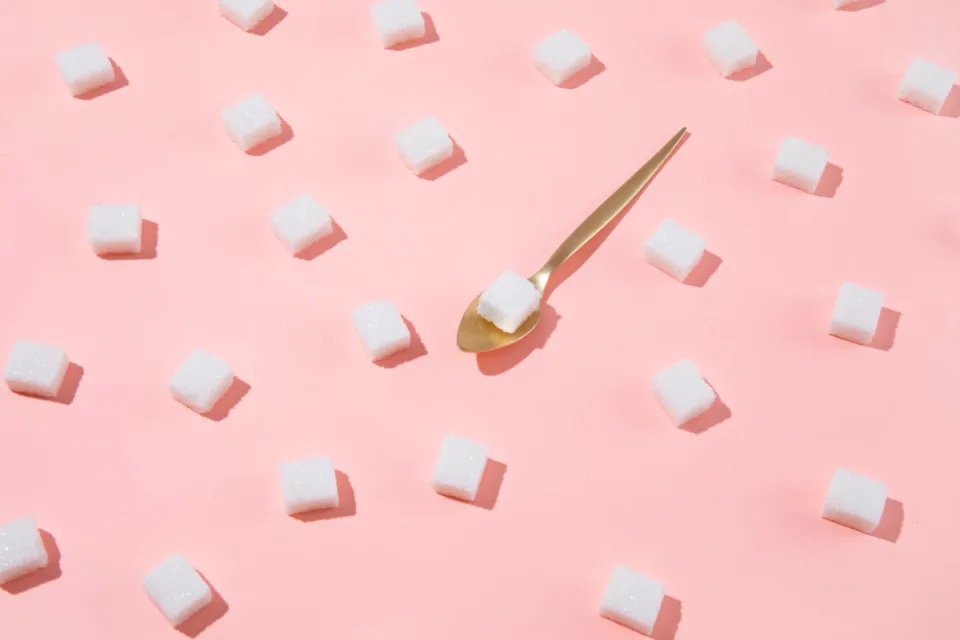
So, what is the worst snack for inflammation? The short answer: anything that combines sugar and vegetable oil. Snacks high in fructose such as candy, pastries, sweet cereals and doughnuts are to be avoided, Jason Sani, nutritionist and Director of Wellness at OHM Fitness, explains. The combination of fructose and vegetable oils is the perfect storm for fat storage and inflammation. Not only do these foods promote inflammation, but they also tend to make you crave more, leading to overconsumption.
A study on lipids in the journal Lipids In Health and Disease found that fructose had the worst effect on CRP (C-reactive protein) which is the cleanest marker of inflammation. Vegetable oils such as soybean oil are loaded with trans fats that fuel inflammation.
Examples of these types of snacks include granola bars, flavored yogurt, prepackaged fruits and dried fruits. As you can see, many of these foods appear healthy, but the amount of hidden sugar is actually sky-high, functional nutritionist Pooja Mahtani says.
Sugar can signal to the pancreas to release insulin, a hormone responsible for escorting glucose (or sugar) into the cell. Once glucose has entered the cell, the body can convert it into energy.
However, too much sugar throughout the day can overwhelm the pancreas and disrupt this process. Over time, excess sugar consumption can activate multiple inflammatory pathways in the body and lead to insulin resistance, diabetes and weight gain, Dr. Mahtani adds.
Processed meats such as pepperoni, bacon, deli meats, hot dogs and sausage should also be avoided.
Both red and processed types of meat are high in saturated fat, which can increase inflammation in fat tissue. Processed meats also contain preservatives, added salt and added sugar, Sarah Whipkey, RDN/LD, explains.
One study linked processed meats to a higher inflammatory bodily response, as well as an increased risk of colon cancer. Processed meats are also heavily linked to causing insulin resistance—resulting in a higher risk of developing type 2 diabetes.
Understanding the Different Types of Carbohydrates
There are two main types of carbohydrates: simple and complex.
Simple carbs hit your bloodstream fast and are found in fruit, sugars, desserts and dairy.
Foods with complex carbohydrates typically have more important nutrients—including starches, fiber and B vitamins—than foods containing more simple carbohydrates, Sani states. There is a time and place for both. Forms of fruit are simple sugar but contain nutrients and fiber that can offset the sugar.
“I try to encourage people to eat more filling meals and avoid snacks. When you need to snack, try hard-boiled eggs, berries and minimally processed protein snacks with less than 10g of sugar,” says Sani. “Snacks should be smaller forms of meals that nourish the body and regulate your blood sugar. If reducing inflammation and body fat is a goal, it’s safe to say that avoiding or greatly reducing simple sugars and high fructose foods is favorable.”
We need carbohydrates to fuel our bodies/give us energy. But it’s the complex carbohydrates (starches and fiber) that our bodies benefit from.
Whole, unprocessed plant-based foods are going to be your best bet, Whipkey explains. What does that look like for snacking? Fruits paired with nut butters, avocado or guacamole on whole grain toast, and veggies and hummus dip.
To keep steady blood sugar levels, always pair your carbohydrates with protein and fat. Protein and fat minimize blood sugar spikes as well as insulin release.
Dr. Mahtani provides some examples of blood sugar-stabilizing snacks:
Hard-boiled egg with hummus
Apple with almond butter
Grain-free crackers with cheese
Turkey and avocado roll-up
Mixed nuts and berries
Greek yogurt (unflavored) with fruit
“Not only do these snacks help tame inflammation, but they also help you stay fuller for longer,” says Dr. Mahtani. “I would call this a win-win!”