Middle class Americans are moving straight into fire and drought because they can’t afford to live in the cities that are safer from climate change
Eliza Relman – August 15, 2023
An aerial view of homes in the Phoenix suburbs on June 9, 2023 in Queen Creek, Arizona.Mario Tama/Getty Images
Rising housing costs have helped push Americans into parts of the country more vulnerable to climate change.
US counties that have the most at-risk homes are all growing in population.
The trend shows how the burden of climate change is falling disproportionately on less affluent people.
The skyrocketing cost of housing has pushed many Americans to trade their lives in big coastal cities like New York and San Francisco for more affordable ones in Sunbelt cities and Southern suburbs.
But that move could cost more in the long-run.
These more affordable regions of the country are also facing much more severe impacts of climate change, including extreme heat, wildfires, floods, and droughts. People are pouring into flood-prone Florida, moving into Houston not long after Hurricane Harvey devastated the city in 2017, and relocating to parts of the West and Southwest dealing with the worst droughts and wildfires in the country.
Rather than leaving areas at high risk of natural disasters and other climate issues, more Americans are moving into them. US counties that have the most at-risk homes are all growing in population, while those with the fewest at-risk homes are almost all losing residents, according to a 2021 Redfin analysis.
The pandemic exacerbated this trend. There’s been a recent spike in people moving from more expensive cities to lower-cost, smaller places farther from large metros and closer to natural amenities, in part due to the rise in remote work. These locations – like Bend, Oregon, which is vulnerable to wildfires — tend to be more at risk of natural disasters. The number of loan applications for homes in high-risk areas rose from 90,462 in February 2020 to 187,669 in February 2022, Freddie Mac reported.
In the longer-term, this trend will put many more Americans at risk of losing their homes to wildfires and floods, or being hurt or killed by extreme heat, or suffering from a lack of water. Rich people are already better able to protect themselves from natural disasters and other climate impacts, whether by fleeing, hiring private firefighters, or retrofitting their homes. But if lower-risk cities continue to price people out, the burden of climate change will fall even more disproportionately on less affluent communities.
Experts say there are ways that local, state, and federal governments can help to reverse this dangerous trend.
A recent Brookings Institution report recommended several ways that policymakers can encourage Americans to seek climate safety. First, the researchers say that Congress and the the Federal Housing Finance Agency should work with mortgage lenders and property insurers to factor climate risk into their rates, charging homeowners more based on how much risk they’re taking on.
Often, homebuyers don’t know what kinds of climate risks their property faces, so state and local governments should develop rules about what information needs to be disclosed to a potential homebuyer and then impose higher taxes on riskier property.
“Higher fees in risky areas serve two purposes: they encourage price-sensitive households to choose safer locations, and they also provide local governments with more revenue to upgrade the climate resilience of infrastructure,” Jenny Schuetz and Julia Gill of Brookings write.
Zoning and other land-use regulations, they argue, should be reformed to encourage more dense development in safer places and less sprawl into particularly climate-impacted areas.
Homeowners and landlords in riskier places also need to do more to retrofit homes to make them more fire and wind proof and more energy efficient. The researchers recommend that local policymakers think more carefully about where to invest infrastructure — including roads, schools, and water and sewage capacity — in climate-impacted areas to either discourage or encourage people to move to certain areas.
Scientists Puzzled to Find Plastic Fragments Inside Human Hearts
Noor Al-Sibai – August 13, 2023
Researchers have found microplastics inside human heart tissues — though as the scientists note, that shouldn’t be all too surprising.
“Everywhere scientists look for microplastics,” a press release about the new research reads, “they’ve found them.”
Be it in food, water, air, and even some parts of the human body, microplastics are absolutely everywhere. And, as it turns out, the human heart, one of the body’s innermost organs, isn’t spared.
An international team of researchers conducted a pilot study by collecting heart tissue samples from 15 patients during heart surgery, as well as blood samples from half of these participants.
Their preliminary findings, published in the journal Environmental Science & Technology, suggest that “microplastics were unexpectedly introduced during the procedures.”
Using laser direct infrared imaging instruments, the researchers detected “tens to thousands of individual microplastic pieces in most tissue samples,” though as the news release notes, “the amounts and materials varied between participants.”
The team detected eight types of plastic in the tissues including polyethylene terephthalate, which is primarily found in polyester clothing, and polyvinyl chloride or PVC.
Blood samples from all of the participants also contained minuscule plastic particles of a number of different types as well, but, curiously enough, “after surgery their average size decreased.”
While this is far from the first time materials have been left behind in human bodies post-surgery, this pilot study shines a line on how microplastics like those found in these 15 patients could be introduced without any neglect on the part of the surgeons.
“The findings show how invasive medical procedures are an overlooked route of microplastics exposure,” the press release notes, “providing direct access to the bloodstream and internal tissues.”
Larger and more diverse studies are, of course, in order to figure out how common a problem this really is, but these preliminary results are more than enough evidence to consider this a serious line of inquiry.
New study shares troubling revelation about the fish we eat: ‘All of those are areas of significant concern’
Wes Stenzel – August 14, 2023
Whales off the coast of Oregon are consuming more plastics and waste than we thought — and researchers say this has troubling implications for humans as well.
What’s happening?
Researchers from the Oregon State University Marine Mammal Institute analyzed the diets of gray whales and discovered alarming amounts of microplastics had passed through their systems. The researchers found that the zooplankton that the whales ate had been corrupted by hundreds of human-made microparticles — and that whales often inadvertently suck up even bigger microplastics as they vacuum-feed, according to Oregon Public Broadcasting.
Why is this concerning?
Leigh Torres, associate professor at OSU and a researcher on the study, explained why the study’s findings were concerning.
“[Microplastics] can lead to stunted growth, smaller body size, lower ability to have calves, and animals not using this habitat anymore,” Torres told Oregon Public Broadcasting. “All of those are areas of significant concern.”
Torres also explained why these findings have alarming implications for people.
“It’s likely that humans are also getting a lot of microplastics from our own fish diet,” she told Oregon Public Broadcasting. “Little by little we are all getting exposed to more and more microplastics. That’s inescapable at this point across all ecosystems.”
The average person consumes at least 78,000 microplastics per year, according to Statista — and it’s likely that that number is far too low.
What’s being done about microplastics?
Legislative bodies around the world are slowly but surely enacting policies that will reduce the amount of harmful plastics that make their way into the ocean. For example, Oregon recently passed two laws that should help curb the problem — one allows customers to bring their own containers to be filled with food in restaurants, and the other bans “forever chemicals” and phases out polystyrene foam products, according to Oregon Public Broadcasting.
The most impactful way we can help limit the spread of microplastics is to consciously avoid plastic products whenever possible. We can use reusable water bottles instead of disposable ones, invest in glass containers at home instead of using plastic bags, and generally minimize our consumption of plastic packaging.
Join our free newsletter for cool news and cool tips that make it easy to help yourself while helping the planet.
New COVID Variant EG.5 Now Makes Up Largest Proportion of New Infections Nationwide
Erin Clack – August 13, 2023
The new variant, nicknamed “Eris,” has quickly overtaken the prevailing Omicron XBB variants that have been circulating for the past six months.
The new variant, nicknamed “Eris,” has quickly overtaken the prevailing Omicron XBB variants that have been circulating for the past six months
GettyThe EG.5 “Eris” variant is now the dominant COVID-19 strain in the U.S.
A fast-spreading new COVID-19 variant called EG.5 is now the dominant strain in the U.S.
Data gathered by the Centers for Disease Control and Prevention (CDC) between July 23 to Aug. 5 showed that 17.3% of new COVID-19 cases nationwide were caused by EG.5 — also known as “Eris” — up from 7.5% the first week of July.
EG.5 also is on the rise in several other countries globally, including China, South Korea and Canada. On Wednesday, the World Health Organization classified it as a “variant of interest.”
Getty
EG.5 —which was first detected in the U.S. in the spring — is closely related to the XBB variants that have been circulating for the past six months. It notably contains a particular mutation in its spike protein known to evade some of the immunity a person gets after an infection or vaccination.
Last month, EG.5 quickly surpassed the prevailing Omicron XBB variants which had accounted for the largest share of U.S. cases, indicating it’s likely more transmissible. According to CDC data, in April 29, the XXB 1.5 (Omicron) variant caused 73.5% of COVID-19 cases in the U.S. though the latest data shows the same variant only accounts for 10.3% of cases.
GettySome public health experts believe waning population immunity could be contributing to the fast spread of EG.5.
However, health experts say EG.5 does not cause more severe illness and is associated with similar symptoms as the XBB variants. Those symptoms include a cough, sore throat, runny nose, fatigue, headache, muscle aches and an altered sense of smell.
“Omicron is out there making minor variations. It’s having children, progeny, but they’re all closely related to omicron,” Dr. William Schaffner, a professor of preventive medicine and infectious diseases at Vanderbilt University Medical Center, told ABC News. “They are contagious, but they are not more serious, so that’s excellent.”
Andrew Pekosz, a professor of molecular microbiology and immunology at Johns Hopkins University, said waning population immunity is likely contributing to the rapid spread of EG.5.
“It’s been quite a long time since boosters were provided for COVID, and those boosters did have a relatively low uptake rate in the population. That, combined with the fact that the XBB variants look different to your immune system from the [variants used in] previous COVID vaccines, means there’s probably a lot of susceptible individuals in the population,” he explained in an interview published by the Bloomberg School of Public Health.
Pekosz said the new variant shouldn’t be of high concern to the generation population. However, he urged those people who are particularly susceptible to severe COVID-19 — including the elderly and those with certain medical conditions — to be more cautious and make sure they have access to testing and antivirals. Additionally, he advised those individuals to consider wearing a mask and practicing social distancing.
Pekosz also noted that the new COVID vaccine, set to be rolled out in the fall, is based on the XBB variants, and therefore should provide good immunity for EG.5. “There should be a nice match between that vaccine and the EG.5 variant, as well as the other XBB variants that are circulating right now,” he explained.
Ill. Gov. Pritzker signs bill allowing gun makers to be sued for marketing to minors
Joe Fisher – August 13, 2023
Illinois Gov. J.B. Pritzker discusses the newly signed Firearm Industry Responsibility Act during the Everytown for Gun Safety conference in Chicago on Saturday. Photo courtesy of Illinois Governors Office/Twitter
Aug. 13 (UPI) — Firearm manufacturers and retailers can be sued in Illinois for marketing toward minors according to a new bill signed by Gov. J.B. Pritzker.
The Illinois governor signed the bill on Saturday, a day after the state Supreme Court ruled 4-3 to uphold a ban on some high-powered guns and high-capacity magazines.
The measure, called the Firearm Industry Responsibility Act, mirrors similar laws for opioid manufacturers and vaping companies, Pritzker said while discussing the law during the Everytown for Gun Safety conference in Chicago.
“I know we’ve had enough of ‘thoughts and prayers,’ together we’ve taken on the gun lobby and made real change with @Everytown,” Pritzker tweeted on Saturday. “We go further today by signing the Firearm Industry Responsibility Act into law holding gun manufacturers accountable.”
Illinois Gov. J.B. Pritzker likened the newly signed Firearm Industry Responsibility Act to laws that allow opioid manufacturers and vaping companies to be sued for their marketing tactics. File Photo by Bill Greenblatt/UPI
Under the law, firearm businesses can be sued for advertising to people under the age of 18 as well as businesses that do not take measures to stop illegal sales or sell firearms to a person who is not legally allowed to possess them. It also restricts certain imagery from being used in firearms advertisements.
Illinois is the eighth state to enact such a law.
“The Firearms Industry Responsibility Act will clarify my office’s ability to use the Consumer Fraud and Deceptive Business Practices Act, which is a primary tool available to hold businesses accountable for fraudulent or deceptive practices through civil litigation,” Attorney General Kwame Raoul said in a statement in May.
“It is how my office has protected the public from opioid manufacturers, vaping companies, tobacco companies and predatory lenders. No single industry should be given a free pass to engage in unlawful, unfair or deceptive conduct.”
Vivek Ramaswamy says US ‘climate change agenda’ is a ‘hoax’
Nick Robertson – August 12, 2023
GOP presidential candidate Vivek Ramaswamy railed against climate-conscious business policy at an Iowa State Fair appearance Saturday.
In an fireside chat with Iowa Gov. Kim Reynolds, Ramaswamy said that environmental, social, and corporate governance (ESG) business policies are among the “grave threats to liberty,” and said “the climate change agenda” is a “hoax.”
“They’re using our money… to implement social and environmental agendas through the backdoor. Through corporate America,” Ramaswamy said. “Using your retirement funds and your investment accounts to vote for racial equity audits or Scope 3 emissions caps that you didn’t know they were using your money to do, and that Congress would have never passed through the front door.”
ESG has become a political punching bag for conservatives, who view it as corporations overreaching into the political space. The policies increase diverse hiring, reduce carbon emissions and manage how they invest their money with climate in mind.
“This is actually one of the grave threats to liberty today. Wherever you stand on climate change — I think most of the climate change agenda is, I’m just going to say it, is a hoax,” Ramaswamy said. “I’m going to call that for what it is.”
The entrepreneur also claimed ESG is comparable to the “back-rooms deals” of Old World Europe, and called for more public debate on the topic.
“Wherever you stand on that, we should settle that through free space and open debate in the public square in a constitutional republic,” he said. “That’s the way we do things, post-1776, on this side of the Atlantic.”
Conservatives’ crusade against ESG has drawn ire from Democrats, who have called many of the follies a waste of time. Rep. Katie Porter (D-Calif.) called a House hearing over the issue the “stupidest hearing I’ve ever been to.”
Ramaswamy’s campaign has gained steam in recent months, rising from an unknown political figure to third in national polling averages — passing former Vice President Mike Pence last month. A biotech entrepreneur from Ohio, Ramaswamy has garnered about 7 percent support in recent polls.
Protecting oneself from the summer sun and its damaging ultraviolet rays is often not straightforward. And public health messaging around when and how to be screened for skin cancer has become somewhat confusing.
In April 2023, the U.S. Preventive Services Task Force, an independent national panel of science experts, provided updated recommendations on skin cancer screening following a systematic review of existing research. The task force concluded that the evidence does not support annual widespread skin screening of adolescents and adults, but that catching cancers at the earliest stages reduces the risk of death from skin cancer.
At first glance, these statements appear conflicting. So The Conversation asked dermatology experts Enrique Torchia, Tamara Terzian and Neil Box to help unravel the task force recommendations, what they mean for the public and how people can minimize their skin cancer risk.
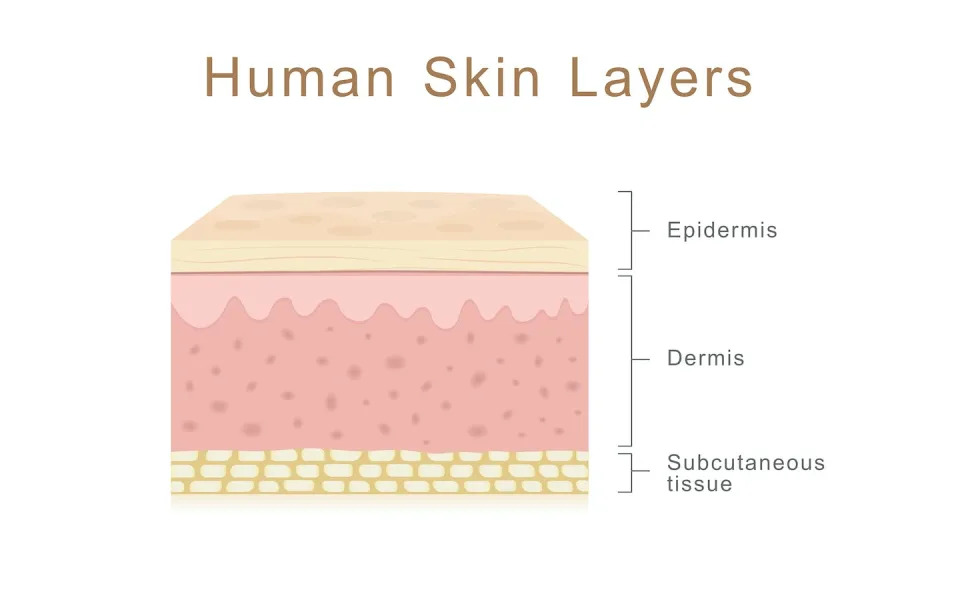
Basal cell carcinoma and squamous cell carcinoma – collectively known as keratinocyte cancers – account for more than 97% of skin cancer cases, but invasive melanomas cause the most deaths. Keratinocyte cancers arise from basal cells and the more differentiated squamous cells in the epidermis – the top layer of skin – whereas melanoma comes from melanocytes found at the junction of the epidermis and the dermis, or middle layer.
Unlike normal cells, skin cancer cells grow without constraints, acquiring the ability to invade down into the dermis.
Invasive melanomas are classified by stages 1 through 4. The higher the number, the more invasive the tumor is into the dermis and to other organs of the body in a process called metastasis.
What are the main causes of skin cancer?
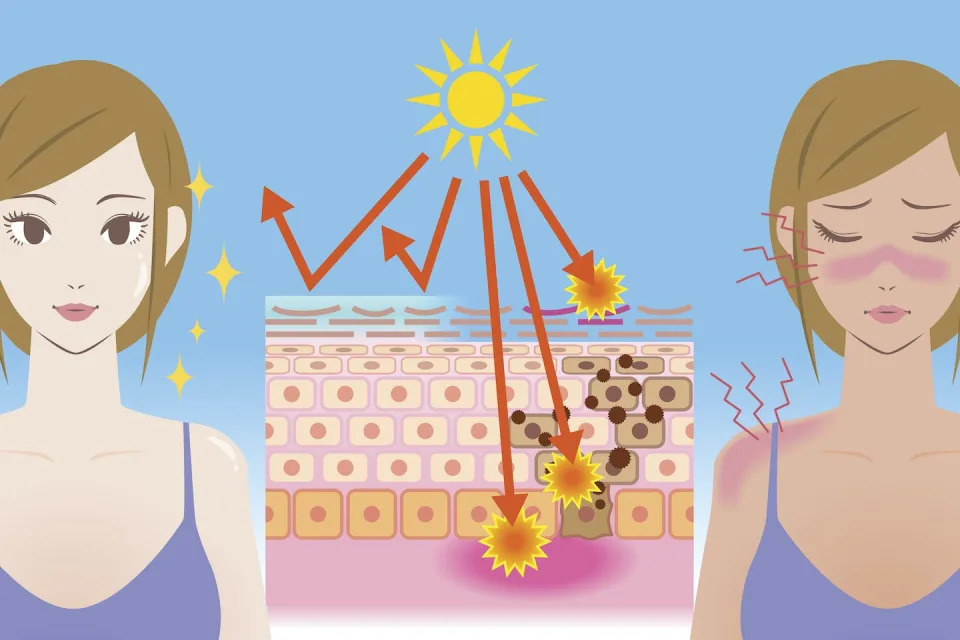
Overexposure to ultraviolet rays causes the majority of skin cancers. Both light- and dark-skinned people can get skin cancer, but light-skinned individuals have a greater risk. Those with light skin, light or red hair, or with numerous moles, are more susceptible to skin damage and severe burns by ultraviolet rays. Darker-skinned individuals produce more of the protective pigment called melanin.
Overexposure to UV light damages skin, causing sunburns and stimulating melanocytes to make melanin, the protective pigment that darkens skin during tanning. Sunscreen can protect skin from UV damage. chombosan/iStock via Getty Images Plus
Tanning serves as the body’s protective response to skin damage from ultraviolet rays, stimulating melanocytes to produce melanin. People who use tanning beds are at a higher risk of skin damage and skin cancers. This is why the American Academy of Dermatology and others recommend avoiding tanning beds. Outdoor workers or those who spend time outdoors recreationally, especially at higher elevation, are exposed to more ultraviolet light.
A history of sunburns also puts people at greater risk of developing skin cancer. Because the damage from ultraviolet, or UV, exposure is cumulative, skin cancer is more prevalent in people over 55 years old.
Survivors of skin cancers are also more likely to get another cancer in their lifetime. Moreover, those who had a squamous cell carcinoma may be at higher risk of dying from noncancer causes. The reasons for these observations are not well understood but may be linked to inflammation or altered immunity, or both, in skin cancer survivors.
What is the debate behind screening?
The ongoing debate revolves around whether more screening reduces the death toll from melanoma.
Since the early 1990s, the incidence of melanoma has risen dramatically in the U.S. This increase may be due in part to more emphasis on early detection. More melanomas have been found, particularly those identified at the earliest stage, also known as stage 0 or melanoma in situ.
Despite this, the rate of death per capita from melanoma has remained unchanged over the last 40 years. Researchers have attributed this fact to overdiagnosis, in which suspicious lesions are diagnosed as early melanomas, even though they may not actually be melanomas or progress to be invasive melanomas, which have the worst prognosis.
This observation suggests that widespread screening may result in unnecessary surgical biopsies and increased psychological stress associated with a cancer diagnosis.
However, a recent study published after the task force recommendations showed that patients with melanoma in situ had a slight risk of death from melanoma, but lived longer than the average person. The authors speculated that the diagnosis of early stage melanoma resulted in a greater awareness of the patient’s overall health, leading to more health-conscious behavior. So, there may be additional benefits to screening the public.
What did the task force base its new recommendations on?
The task force reviewed current and past data on the major types of skin cancers. The expert panel relied in part on the results of a large public skin cancer screening program in Germany. This program initially examined 20-year-olds from a single state and subsequently expanded the program nationwide to include people over 35. However, death rates from melanoma were unchanged compared to areas where skin exams were not offered.
The results of the German screening program did not provide strong confidence that annual widespread public screening of adults would reduce skin cancer deaths compared with current practices. However, the task force did conclude, based on numerous studies involving millions of patients, that detecting melanoma at early stages when tumors are less invasive improved patient survival.
When should you get a skin exam?
The American Academy of Dermatology, the Skin Cancer Foundation and the CDC recommendmonthly self-checks. This requires familiarity with your skin or that of your family members. Luckily, there are many online guides on detecting suspicious skin lesions.
Whenever you have a concern about a spot on your skin, seek medical advice. Annual or more frequent exams are also recommended for high-risk groups. This includes those who are older or susceptible to getting skin cancers, skin cancer survivors and immunocompromised people like organ transplant recipients.
Between 8% to 30% of the U.S. population gets an annual skin exam, but the numbers are imprecise because screening rates have not been well studied. Access to screening may also be challenging for some people. In response, nonprofits like the American Academy of Dermatology, the Skin Cancer Foundation and The Sun Bus provide resources for free exams. However, these opportunities are often few and far between.
Based on internal unpublished data from The Sun Bus, our mobile clinic operating in the central and southern U.S., a significant number of individuals seeking free exams were primarily motivated by concerns about a skin lesion and the cost of visiting a dermatologist.
Our data suggests that screening programs attract individuals who are proactive and health-conscious.
How can you minimize the risk of skin cancer?
Strategies that limit UV exposure will reduce skin cancer risk. This includes avoiding sunburns by:
Finding shade
Covering exposed skin
Using a hat and sunglasses
Using and reapplying sunscreen routinely
A broad-spectrum sunscreen and lip balm with a Sun Protection Factor (SPF) of at least 30 when applied correctly will block 97% of ultraviolet rays. Apply these products 15-20 minutes before heading out into the sun and reapply every two hours.
UV light is most intense between the hours of 10 a.m. to 4 p.m. It is a good idea to pay attention to the UV index – a forecast by zip code that projects risk of UV exposure on a scale of 0 to 11. A UV index below 2 is the safest, whereas 11 represents extreme danger.
Ideally, clothing should be rated with an Ultraviolet Protection Factor (UPF) of 50. Wearing regular long-sleeved clothing and pants will also provide some protection.
These measures can keep your skin healthy into your golden years by reducing skin aging and cancer caused by ultraviolet light.
This article is republished from The Conversation, an independent nonprofit news site dedicated to sharing ideas from academic experts. If you found it interesting, you could subscribe to our weekly newsletter.
Enrique Torchia received funding from American Cancer Society and Dermatology Foundation.
Neil Box receives funding from the National Institutes of Health and the American Skin Association. He is affiliated with Caris Life Sciences and the Colorado Melanoma Foundation.
Tamara Terzian received funding from National Institutes of Health, Dermatology Foundation, Skin Cancer Foundation, American Skin Association, American Cancer Society, Cancer League of Colorado, and Colorado Clinical Translational Sciences Institute. She is affiliated with the Colorado Melanoma Foundation and the University of Colorado.
Rising flood risks threaten many water and sewage treatment plants across the US
Suman Naishadham, Brittany Peterson and Camille Fassett – August 10, 2023
A sewer pipe is exposed due to eroded land at the wastewater treatment plant following July flooding, Wednesday, Aug. 2, 2023, in Ludlow, Vt. Across the U.S., municipal water systems and sewage treatment plants are at increasing risk of damage from floods and sea-level rise brought on in part or even wholly by climate change. The storm that wallopedA sewer pipe is exposed due to eroded land at the wastewater treatment plant following July flooding, Wednesday, Aug. 2, 2023, in Ludlow, Vt. Across the U.S., municipal water systems and sewage treatment plants are at increasing risk of damage from floods and sea-level rise brought on in part or even wholly by climate change. The storm that
LUDLOW, Vermont (AP) — The crack of a summer thunderstorm once comforted people in Ludlow, Vermont. But that was before a storm dropped eight inches of rain on the village of 2,200 in two days last month. And it was before the devastation of Tropical Storm Irene in 2011. Now a coming rainstorm can stir panic.
“We could lose everything again,” said Brendan McNamara, Ludlow’s municipal manager.
The rainfall that walloped Vermont last month hit Ludlow so hard that floodwaters carried away cars and wiped out roads. It sent mud and debris into homes and businesses and forced officials to close a main road for days.
Thankfully, the facility that keeps the village’s drinking water safe was built at elevation and survived. But its sewage plant fared less well. Flooding tore through it, uprooting chunks of road, damaging buildings and sweeping sewage from treatment tanks into the river. Even now the plant can only handle half its normal load.
It’s not just Ludlow. Water infrastructure across the country is vulnerable as climate change makes storms more unpredictable and destructive, flooding low-lying drinking water treatment plants and overwhelming coastal sewage systems.
“Wastewater systems are not designed for this changing climate,” said Sri Vedachalam, director for water equity and climate resilience at Corvius Infrastructure Solutions LLC. “They were designed for an older climate that probably doesn’t exist anymore.”
A big reason is geography. Wastewater systems — which deal with sewage or stormwater runoff — are often near water bodies because that is where they discharge. But this makes them vulnerable.
Wastewater systems typically are at the lowest point in the community,” Vedachalam said, noting they often flow by gravity. “In many cases, if you have a really large storm, those are the ones that do get flooded first.”
When storms drop inches of rain onto lakes and rivers over a short period of time, water and debris can clog wastewater systems, power can be knocked out, and service disrupted.
Government flood maps are not up to date; they don’t reflect the risk of flooding in a changing climate. So the risk analysis firm First Street Foundation took a respected climate model and applied it to 5,500 wastewater treatment plants. Then it looked at the possibility of those flooding today and 30 years from now.
The Associated Press then determined the 25% of plants most at risk currently, and where the situation will worsen the most over time, mapping both.
Some metro areas have an especially large proportion of sewage treatment centers at risk if a mega flood occurred today, AP found. They include: South Bend-Elkhart-Mishawaka, bridging Indiana and Michigan; Charleston-Huntington-Ashland, bridging West Virginia, Ohio and Kentucky; Madison-Janesville-Beloit in Wisconsin and Syracuse-Auburn, New York.
Drinking water treatment plants are also at risk. Most U.S. cities and towns get drinking water from rivers and lakes, and water treatment plants tend to be near the water bodies from which they draw.
“Simply by having water purification plants close to where we are getting the water from, that water source is affected by climate change,” said Darren Olson, a Chicago-based water resources engineer and member of the American Society of Civil Engineers.
The fact that the nation’s water pipes are aging adds to the risk. The engineering society estimates that a water main breaks in the U.S. every two minutes, leading to six billion gallons of lost water each day, or enough to fill 9,000 swimming pools.
Recent federal spending packages commit billions of dollars to upgrading the nation’s water systems, but the roughly $55 billion for upgrades in the Biden administration’s $1 trillion infrastructure law represent a fraction of what’s needed to address climate-related risks to water and sewage systems. Part of the reason is that other problems — such as lead pipes — need urgent attention. Often, they have little to do with a changing climate, said Olson.
And while larger cities such as Boston and Chicago can fund new projects in part by raising rates on customers, smaller cities and towns have to find other funding sources — often through state or federal grants — to avoid driving up bills, according to Adam Carpenter, manager of energy and environmental policy at the American Water Works Association.
“Wastewater treatment facilities are not cheap,” said Vedachalam. The hundreds of millions of dollars needed to rebuilt one, he said, can equal several times a town’s annual budget.
When Tropical Storm Irene battered Vermont twelve years ago, it cut off power — including to Ludlow’s wastewater plant. Officials rebuilt it according to stricter guidelines from the Federal Emergency Management Agency, said Joe Gaudiana, the village’s chief water and sewer operator.
They put the plant’s backup generator up on a block of concrete the height of a professional basketball player.
But July’s deluge knocked the whole block askew and wiped out the generator’s controls, rendering it useless. Municipal manager McNamara still isn’t sure how that much concrete got moved, or what Ludlow will do next.
“In a town such as ours, sometimes your options are limited because of geography, because of the terrain,” McNamara said.
Gaudiana would like the town to build a V-shaped wall to steer floodwaters away from the critical place where he works protecting people and the river from raw sewage. He called it “simple insurance that would definitely prevent all this.”
“Unless the wall failed,” he added.
Naishadham reported from Washington, D.C. Fassett reported from Seattle.
The Associated Press receives support from the Walton Family Foundation for coverage of water and environmental policy. The AP is solely responsible for all content. For all of AP’s environmental coverage, visit
Some of the ways extreme heat will change life as we know it
Julia Jacobo – August 10, 2023
Some of the ways extreme heat will change life as we know it
Life as we know it could soon change if extreme, dangerous heat continues to inundate regions for longer stretches of time and at higher temperatures, according to experts.
A large part of the U.S., including much of the southern portion stretching from the West Coast, across Texas and to the Southeast, has been experiencing triple-digit temperatures and heat indexes for weeks on end.
Record-breaking temperatures have been the norm in several cities in recent weeks, including Phoenix, which has now seen more than 40 consecutive days at about 110 degrees.
Hotter-than-ever temperatures, and longer periods of time when they occur, will become the norm unless greenhouse gas emissions are drastically curbed, mitigating further global warming, according to climate scientists. Americans could see an average of 53 more days of extreme heat by 2050, if emissions aren’t reduced, according to climate modeling data released by the ICF Climate Center in June.
The increased heat is guaranteed to alter how society operates, experts told ABC News.
Summer is synonymous with time spent outdoors for school-aged children all over the world.
But parents may be cautious about letting their kids spend prolonged periods of time outdoors when temperatures are nearing triple digits, especially if air quality is poor or UV indexes high, experts told ABC News.
“The great outdoors go from being a magical place of exploration to a threatening place, full of fear,” Lise Van Susteren, a general and forensic psychiatrist who has researched how climate change has affected the psychological health of young people, told ABC News.
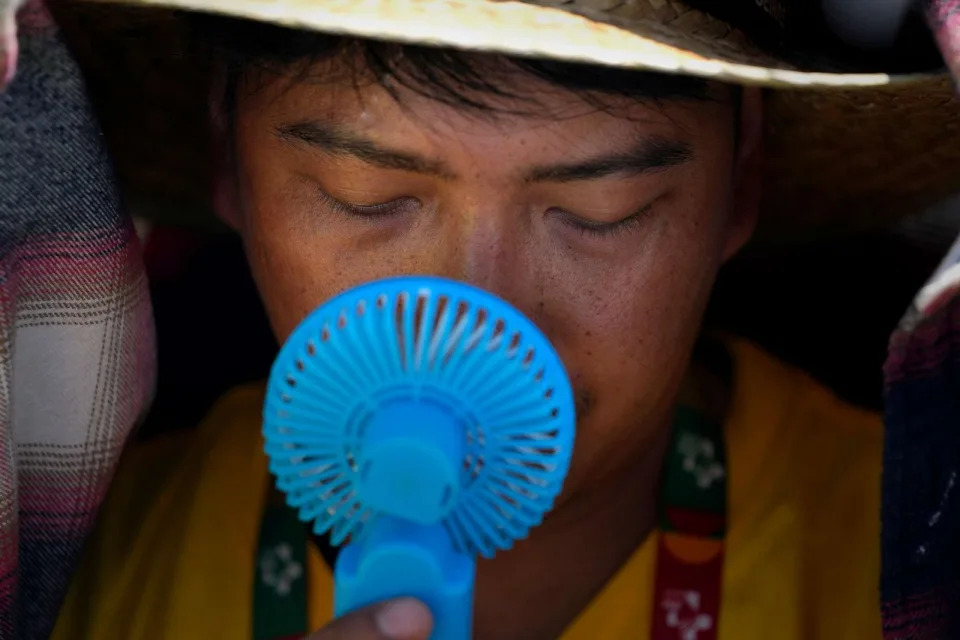
PHOTO: A World Youth Day volunteer uses a small fan to cool off from the intense heat, just outside Lisbon, Portugal, Aug. 6, 2023. (Armando Franca/AP)
Less time outdoors could also be detrimental for children’s development. Research shows outdoor time is linked with improved motor development and lower obesity rates and nearsightedness in children. Outdoor play also promotes curiosity, creativity and critical thinking and is linked with behavior displaying less anger and aggression, studies have shown.
Few things could be more injurious to a child’s development than to be cooped up inside year-round, Van Susteren said, adding that humans have evolved to find the sounds and sights of nature meaningful and necessary for a healthy outlook.
“Yeah, you could always build something artificial. But don’t expect it to do for us mentally, which includes our ability to empathize and be generous, and to feel a sense of adventure,” she said.
Evidence that being holed up indoors is detrimental to kids’ mental health surmounted during the COVID-19 pandemic, which added more to the preexisting psychological distress among young people, according to the U.S. Surgeon General.
Athletes of all ages and levels will likely need to alter their training to stay safe during extreme heat, but those training for intense competitions that take place in a scorching climate need to be especially careful, said Brian Maiorano, coach liason for Core, a wearable tech that allows athletes to measure their core body temperature on the go.
Those training for competitions and races will need to adapt to the higher temperatures in order to participate safely, said Maiorano, who has coached athletes for running competitions and triathlons for 15 years.
“The human body is extremely adaptable, if given the right training,” he said.
Rather than training indoors in a climate-controlled setting, athletes will need to train outside and get their core body temperature to a level that will cause physiological adaptions, Maiorano said. Otherwise, athletes will suffer on race day.
Temperatures in the 90s are considered extreme for endurance athletes, while temperatures in the 80s would be considered extreme for those training for an event with even more difficulty and physical exertion, like the Ironman Triathlon, Maiorano said. About 80% of the heat in the body is generated by the power in the muscles, he said.
“It’s like literally having a space heater inside of you,” he said.
PHOTO: Baltimore Ravens tight end Mark Andrews gets relief from the heat next to a water mister during the team’s NFL football training camp, July 29, 2023, in Baltimore. (Nick Wass/AP)
Up until a few years ago, heat training was an “imprecise practice,” Maiorano said.
People training for events in warm climates — like the Hawaii Ironman and the Western States Endurance Run, which is a 100-mile race through the desert in California — were likely told by their coaches to go out during the hottest part of the day while wearing multiple layers of clothes.
“Cook yourself, but don’t overcook yourself, which is some really vague guidance,” Maiorano said. “It’s guidance you can give to a top athlete and hope that they don’t cause themselves heatstroke, but it’s not something that you can tell an age group athlete to do.”
Extreme heat will affect travel decisions people make in the summer, the peak travel season while kids are out of school, Erika Richter, spokesperson for the American Society of Travel Advisers, told ABC News.
“The climate crisis will impact where we go, when we go, and, in some cases, if we go,” Richter said.
The travel industry is already seeing shifts for travel to Greece, France and Spain, Richter said. While the peak tourist season is typically around July, Europe has been reaching record temperatures in recent years during that time. Combined with wildfires, the climate is causing people to travel to those destinations in the spring or early summer instead, Richter said.
People are also starting to choose cooler places for the summer travel season, such as Northern Europe, Alaska and the Pacific Northwest, Richter said.
PHOTO: Tourists refresh with water near the Parthenon temple at the Acropolis hill during a heat wave on July 20, 2023 in Athens, Greece. (Milos Bicanski/Getty Images)
Extreme heat is also heavily affecting air travel.
It is difficult for planes to take off in hot temperatures because as the air warms, it expands, so the number of molecules available to push the plane up is reduced. In June, Richter experienced a six-hour delay on a flight from Washington, D.C., to Portland because the plane could not take off with the number of passengers, she said.
While some passengers took the $1,000 credit offered to give up their seat, the originally nonstop flight had to stop in Missouri to refuel, because the plane could not handle the fuel load needed for the transcontinental flight, Richter said.
Extreme heat can also increase the amount of turbulence passengers experience. A 2017 study found that climate change may cause nearly three times as much clear-air turbulence as current conditions by the period between 2050 and 2080. Clear-air turbulence, which occurs without a visual warning like clouds or thunderstorms and is usually at high altitudes, is currently on the rise worldwide and at varying altitudes, the study found.
There have been several reports of heavy turbulence this summer, including a Hawaiian airlines flight in July that injured several flight attendants and passengers.
The wildfires in Canada, which have been so severe this season in part due to higher temperatures and drought, have impacted travel in the U.S., Richter said.
With more heat and humidity comes the possibility of thunderstorms grounding flights, as well, Richter said.
“We’re used to the thunderstorms for summer travel season,” she said. “But they are becoming much more violent, and they are grounding many more flights.”
As climate change continues to worsen, regions that traditionally did not need air conditioning may need to brace for more heat waves by installing equipment to keep their homes cool.
In places like the Pacific Northwest and the San Francisco Bay Area, the majority of households are not equipped with central air conditioning. In 2021, when a historic heat wave struck the region, window and portable air conditioners were flying off the shelves, Jennifer Amann, senior fellow of the American Council for an Energy-Efficient Economy’s building program, told ABC News.
Incorporating efficient cooling methods, like using the same pumps that heat homes to cool them, as well, and using efficient window air-conditioning units, will help households keep temperatures bearable in their homes, Amann said,
PHOTO: Ben Gallegos sits on the porch of his family’s home with his dog as the daytime high temperature soars toward triple digits, July 27, 2023, in north Denver. (David Zalubowski/AP)
Heat is the No.1 weather-related killer, with more than 600 people dying from heat-related illnesses every year in the U.S., according to the Centers for Disease Control and Prevention. When temperatures do not cool down overnight, it exacerbates the risk to human health.
Buying an air conditioner is the short-term solution, but people will also need to adapt their homes to better deal with extreme heat, and builders will need to design new homes with more passive mechanisms to navigate the changing climate, Amann said.
MORE: Dangerous temperatures have been recorded in the US for weeks. Is the extreme heat coming to an end soon?
Countries in Europe like France, Italy, Spain, Romania and Germany have been the most affected by climate-related disasters over the past 20 years, an analysis by the Centre for Economic Policy Research found.
Domestically, Texas loses an average of $30 billion a year due to its climate and the large number of people working outdoors, according to a 2021 report by the Adrienne Arsht-Rockefeller Foundation Resilience Center, a Washington, D.C.-based think tank.
PHOTO: A tour guide fans herself while working in Times Square as temperatures rise, July 27, 2023, in New York City. (John Minchillo/AP)
The cumulative global economic loss between 1992 and 2013 reached between $5 trillion and $29.3 trillion due to the impact of human-caused heat waves, according to a study published in 2022 in Science Advances.
The poorest countries in the hottest climates suffered the most, researchers found.
Heat also affects people’s moods, which is essentially survival mode kicking in, Van Susteren said.
“If we’re in a bad mood, we’re not buying,” she said.
FILE – A vial of the Moderna COVID-19 vaccine is displayed on a counter at a pharmacy in Portland, Ore. on Dec. 27, 2021. The Biden administration said Friday it has reached an agreement to buy 66 million doses of Moderna’s next generation of COVID-19 vaccine that specifically targets the highly transmissible omicron variant, ensuring enough supply this winter for everyone who wants the upgraded booster. (AP Photo/Jenny Kane, File) (ASSOCIATED PRESS)More
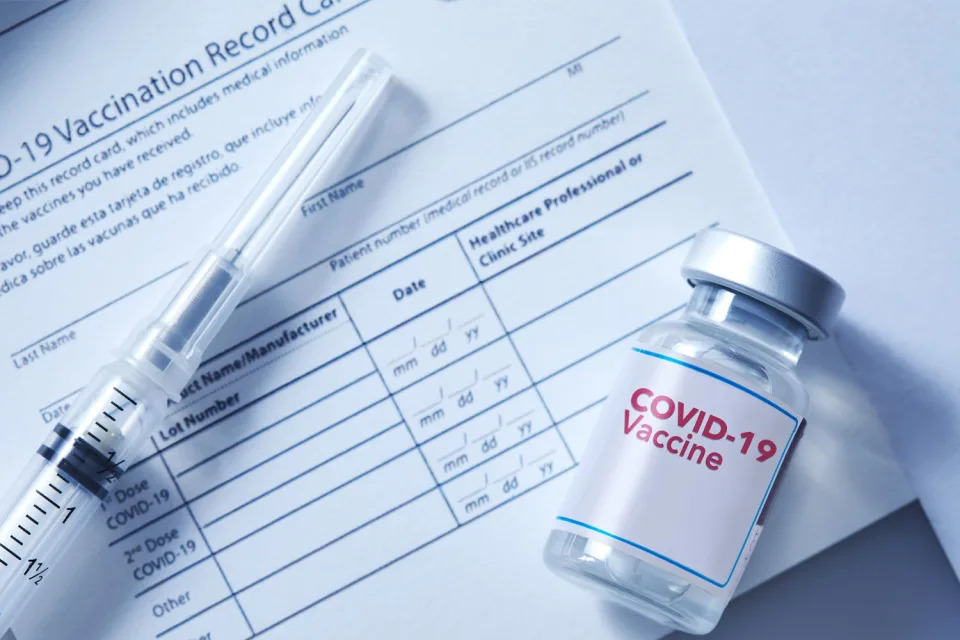
An uptick in COVID-19 cases and the fast-approaching new school year have many people wondering when they should get their next booster. The short answer, according to experts: not quite yet — you will be a lot better off if you wait another month or two.
In June, an advisory panel to the Food and Drug Administration recommended that the next COVID vaccine formulation target the omicron XBB.1.5 variant.
Pfizer, Moderna and Novavax are now working to update, test and mass-produce their vaccines, which will then need to be officially authorized by the FDA. Experts estimate that shots will be available to the public by late September or early October.
“For most people right now, it seems to me waiting makes more sense,” said Dr. Paul Sax, the clinical director of the division of infectious diseases at Brigham and Women’s Hospital.
There are two main reasons to hold out for the updated vaccine. First, it will be a better match for the variants that are currently circulating.
The majority of the coronavirus strains infecting people right now are either descended from, or related to, XBB.1.5, so the decision to target that variant with the vaccine “was about as good as you could imagine for the moment,” said Trevor Bedford, a professor in the vaccine and infectious disease division at Fred Hutchinson Cancer Research Center.
The vaccine will most likely also provide some protection against EG.5, which recently became the dominant variant in the United States, accounting for about 17% of current cases. EG.5 is descended from another XBB variant and has a few additional mutations, so antibodies produced by the updated vaccine may not be quite as effective against it. But the new booster is still a better fit for EG.5 than last year’s booster, which targeted both the original COVID strain and the BA.5 omicron variant — neither of which appear to be circulating anymore.
Dr. David Boulware, a professor of medicine specializing in infectious diseases at the University of Minnesota Medical School, added that because the new vaccine is a better match for the current variants, he is “somewhat optimistic” that it will help prevent not only severe disease but also infection.
“Once you’re boosting with the variant that is closest to what’s actually circulating,” you will most likely regain some protection against infection, he said.
The second reason to wait a month or two for the new vaccine is that it will increase the odds that your defenses against the virus will be strongest when cases are expected to peak, historically between December and February. Antibodies wane over time, and protection is highest during the first three months after an infection or vaccination.
“Case numbers are increasing now, but they’re not at exceptionally high levels,” Sax said. “I can’t imagine, though, that they won’t go up again in November, December or January, as they did every single year in the past three years.”
If you have had COVID recently, experts suggest waiting a few additional months before getting the new shot. Your antibodies are already elevated because of the infection, and so the vaccine won’t provide you with much additional benefit during this time.
In case you need a little extra motivation to get the new booster, vaccination is the only proven way to shorten a case of COVID, Boulware said. In a study published last year, he found that people who got COVID within six months of receiving a shot “had less severe disease and shorter duration of illness.”
If you are worried about catching COVID in the meantime, use the behavioral protections you have employed throughout the pandemic: Avoid big crowds; wear a high-quality, well-fitting N95, KN95 or KF94 mask when you are in indoor public settings; and try to make sure rooms are well-ventilated — even opening a window can help.