Minivans at the Food Pantry: Meet America’s New Needy
Tim Arango September 4, 2020
Virus Outbreak Kansas. A boy watches while a volunteer puts food into his car during a mobile food pantry Tuesday, May 5, 2020, at the New Haven Seventh-day Adventist Church in Overland Park, Kan. Abut 3,000 people attended the distribution that has been held weekly for the past three weeks to aid people who have been affected by the coronavirus pandemic. (AP Photo/Charlie Riedel)
Virus Outbreak Utah. Volunteers load food in a vehicle at the Utah Food Bank’s mobile food pantry at the Maverik Center Friday, April 24, 2020, in West Valley City, Utah. As coronavirus concerns continue, the need for assistance has increased, particularly at the Utah Food Bank. (AP Photo/Rick Bowmer)
LAKESIDE, Calif. — This is America: a family crammed in a minivan driving mile after mile across San Diego County, first to one food giveaway and then to another and then to more.
To Mary’s Donuts, in rustic downtown Lakeside, for day-old chocolate frosted, maple-and-bacon glazed and pastries the size of catcher’s mitts.
Sixteen miles west to Jewish Family Service for big, fresh mangoes, boxes of hard-boiled eggs, cheese and lamb stew. Another 20 minutes south to the Ocean Discovery Institute for diapers and school supplies. To the Salvation Army for bottled water, oatmeal, a cake. All of it piled high into the back.
Since the coronavirus pandemic upended her life and so many others’, Alexis Frost Cazimero has spent most days this way, gathering food for her four children as well as neighbors in need. She pulls her packed silver Volkswagen van alongside the BMWs and Mercedeses as they edge their way through the long, snaking food lines. Where else but America can luxury and poverty get so close together that, in essence, they become one?
“I want people to understand, the face of the needy is different now,” said Cazimero, who has joined a new class of Americans who never imagined they would have to take a spot in a modern-day bread line. “Just because I have a car doesn’t mean I have enough money to buy food.”
The pandemic has exposed the fragile nature of success for millions of Americans: material markers of outward stability, if not prosperity, but next to nothing to fall back on when times get tough.
In long conversations around the country in August — at kitchen tables, in living rooms and in cars during slow-moving food lines with rambunctious children in the back — Americans reflected on their new reality. The shame and embarrassment. The loss of choice in something as basic as what to eat. The worry over how to make sure their children get a healthy diet. The fear that their lives will never get back on track.
There was the family in Jackson, Mississippi, that relied on a local food bank over the summer, even though before the pandemic they had been making almost six figures a year. That is a nice living in a place like Jackson, and it got them a house in the leafy Belhaven neighborhood, a Chevy Suburban and beach vacations to Florida.
Or the single mother in Tennessee who had finally pushed her way into the middle class with a job that paid enough to send her oldest daughter to private school, only to find herself accepting food from charity.
Cazimero, 40, faced her new financial circumstances with as much equanimity as determination, even as it shook her sense of what it meant to have made it. Before the pandemic, she was a hair stylist at a salon owned by her mother-in-law that would shut down in accordance with California’s coronavirus rules. She also ran her own events business, which had been “rocking and rolling” after a lucrative holiday season decking out car dealerships for Christmas. Her husband, Adam, saw far fewer people come into the local Ford dealership where he works, and his commissions have plummeted.
These days she has become an armchair therapist to friends who feel ashamed at not being able to afford enough food; a logistics specialist in how she navigates the schedules of all the pantries in San Diego County; and a food procurer and distributor to the needy, even as she is needy herself.
“Before, I always helped out,” she said. “But I wasn’t the one who needed it. Now I need it.”
After making her rounds, Cazimero returned to her modest house in a development studding a hillside and separated out what will go to her family and what she will give away to neighbors and others. Over Facebook and text message groups, informal barter networks have sprouted among needy families. “You have toilet paper? Let’s trade,” she said.
And then there are the private messages from friends saying they need help but are embarrassed at not being able to provide for their families anymore.
She reminds them they are not the only ones. “Dude,” she said, “none of us can because we can’t work.”
‘The Great Depression With Minivans’
When historians look back on our pandemic-stricken times, there will perhaps be one indelible image that captures the attention of future generations: the endless lines of cars across the country filled with hungry Americans.
“I call it the Great Depression with minivans,” said Terry McNamara, who on a recent morning was behind the wheel in a line of cars, their trunks opened as they wound through the parking lot of Parma Senior High School in a working-class suburb of Cleveland that was once America’s fastest-growing city.
With his daughter, Laura Horsburgh, and five grandchildren along for the ride, McNamara, 74, drove his car through the procession as it moved along with military precision. At each station a coach or a teacher or even the principal loaded up the trunk with milk, or fresh produce from local farms — sometimes plump tomatoes or corn on the cob — or boxes of soup and lentils and cans of tuna. How much food one got depended on how many children were in the car. At the last stop, inside the school’s auto repair shop, volunteers offered watermelons and storybooks — Dr. Seuss and Berenstain Bears.
“The kids love to go and see what is new,” Horsburgh said.
The numbers of Americans seeking help from food banks have swelled despite an unprecedented expansion of the federal government’s food stamp program in the midst of the pandemic.
Just one food bank in Memphis, Tennessee, served more than 18,000 people between March and August, 10 times as many as over the same period last year.
“Folks who had really good jobs and were able to pay their bills and never knew how to find us,” said Ephie Johnson, the president and chief executive of Neighborhood Christian Centers. “A lot of people had finally landed that job, were helping their family and able to do a little better, and then this takes you out.” In her 30 years of charitable work in Memphis, she said, “I have not seen it quite like this.”
In one week in late July nearly 30 million Americans reported they did not have enough to eat, according to a government survey. Among households with children, 1 in 3 reported insufficient food, the highest level in the nearly two decades the government has tracked hunger in America, said Lauren Bauer, who studies food insecurity at the Brookings Institution.
“What’s happening with children right now is unprecedented in modern times,” Bauer said.
As painful as the summer was, as difficult as it became for so many families to afford decent food, the situation could get worse, especially with unemployment benefits drying up for many people and Washington unable to agree on a new stimulus package. Then there is the virus itself: It could surge back in the fall and shutter businesses again, putting more people out of work and into the food lines.
Feeding America, which oversees the country’s largest network of food banks and pantries, has projected that up to 54 million Americans could be food insecure before the end of the year, a 46% increase since the pandemic began. The group has reported a 60% increase in the number of people it serves and said that 4 in 10 people are first-time recipients of food aid.
During the pandemic, Feeding America’s volunteers have surveyed recipients, sending dispatches back to headquarters that read like raw intelligence reports from a nation in need.
“It was obvious that several people who came through our drive-through mobile pantry had never been to a pantry before,” reads one account from Terre Haute, Indiana.
In Cleveland, a woman who had once been prosperous enough to be a donor to the local food bank found herself on the receiving end, collecting food and also flowers on Mother’s Day.
In July, a report came back from New Orleans: “We have met so many people who are seeking the assistance from a food bank for the first time. In a ‘normal’ year, it’s not uncommon to hear someone say, ‘Six months ago, I never dreamed I’d need to ask for help getting food.’ But over the course of the pandemic response the number of people telling us has grown by magnitudes.”
What the numbers do not capture is the powerful emotions of shame or embarrassment that many say they feel, having fallen so suddenly into the lines of the desperate, and seeing so many hard-earned prizes of middle-class life — the nice car, the vacations, the ability to buy what they want when they want — fall away.
Ciara Jones, a single mother in Memphis, grew up poor but in recent years worked her way to economic stability. She was hired last year as a manager at Logan’s Roadhouse, a restaurant chain in the South, earning $60,000 a year — more money than she had ever made. She put her oldest daughter in a private Christian school, bought a new white Honda Accord and took her four children on vacation to Six Flags in St. Louis.
“I felt myself finally in the middle class,” Jones, 33, said.
Then the pandemic hit, and Logan’s closed, but not before she was allowed to take home T-bone steaks and chicken wings and hamburger patties from the restaurant’s freezer, which helped for a little while. And so did the extra $600 a week in unemployment she was receiving. But that has run out, and now she is receiving $275 per week in benefits, barely enough to cover her monthly rent of $975. She said she was ashamed to get food from Neighborhood Christian Centers and is embarrassed every time she pulls out her food stamp card at the grocery store.
“I’ve always been a strong woman, a strong mother,” she said. “I don’t want my kids to see me struggle or stressed.”
They Thought Poverty Was in the Rearview Mirror
The Belhaven neighborhood of Jackson, Mississippi, is filled with charming bungalows, stately old homes and canopied streets. Lily Victory lives in a small, white clapboard house on the edge of the neighborhood.
As a child, Victory was in foster care sometimes and grew up “super-poor,” she said. Food was always scarce. Her parents, she said, were too proud to apply for discounted lunches, so she never ate at school.
Before the pandemic, she worked as a contractor with the military. Her husband, Mike, is a machinist at a box factory, and together they earned a little less than $100,000 a year.
“We had nothing to worry about,” she said. “We had savings. We were saving up to put a down payment on a house. We took a couple vacations a year. The kids got whatever they wanted.”
After losing her job, and after her husband’s hours were cut, they were soon staring at an eviction notice. They were unable to make the $1,100 rent payment. The Chevy Suburban was one of the first things to go. Every day she awoke to a feeling of “impending doom.”
She called around to social service organizations and churches searching for help paying the rent. She was instead directed to a food bank, the Good Samaritan Center. Save the money you would spend on food and put it toward rent, she was told.
“I thought about a food bank and I was like, I don’t want to do that because if you are going to a food bank you really need it,” she said as she barely touched her lunch at a Mediterranean restaurant in Jackson. “I didn’t want to take it away from someone.”
She went anyway, as painful as it was.
“I lied to my children,” she said, her eyes unblinking.
To explain why there were so many things she did not normally buy — like cans of Coke and Sprite, or boxes of cupcakes — she told them they were a special treat because they were cooped up in the house. And to explain why she was not buying usual items like Lunchables, she said the shelves at the grocery store were bare because of the pandemic.
Amid Struggle, Gratitude and Silver Linings
As she drove from one food pantry to another in eastern San Diego County, Cazimero pointed out some of the businesses that have closed permanently. She passed through the center of El Cajon, her hometown, where she used to put up Christmas decorations at the promenade.
She was on her way to pass out doughnuts at a trailer community in the shadow of a busy freeway. Helping others find food, she said, has brought her purpose. She may have less money now, but she also has less anxiety. That is because she no longer is driven to exhaustion managing the children and work. There is no work anymore.
“I can go with less, and we have spent so much more valuable time as a family,” she said.
About 2,500 miles and three time zones away, in Erie, Pennsylvania, Claire Hudson, a single mother, lost her customer service job. For the first time, she went to a food bank. Like millions of Americans, she suddenly had little choice in what to eat, forced to accept whatever is boxed up and loaded in the trunk.
Many food banks offer fresh produce from local farms and prime cuts of meat. But giveaway boxes are often stuffed with bread and cakes and cookies.
“In the richest country in the world, and we are, we make it so easy to be unhealthy,” Cazimero said.
The crisis of food insecurity has further exposed how an unhealthy diet contributes to conditions like obesity and diabetes that put people at higher risk for complications from the virus.
With little choice, Hudson picked out what she and her son could use and donated the rest to those even more in need. She noticed a growing homeless population so started stuffing what she called “blessing bags” with sugary cereals like Froot Loops, graham crackers and pudding.
When she began handing them out to homeless people, she let them pick what they liked. “I started giving them a choice,” she said. “Hey, this is what I have, does any of this interest you? The choice for me came from not having a choice in what we got.”
Back in Ohio, Horsburgh, a stay-at-home mother, and her husband, Chris, a house painter whose jobs dwindled when the pandemic hit, worry plenty about money. But the children look forward to the weekly outings to the high school parking lot to pick up food — a routine in an uncertain time.
As the pandemic drags on, our understanding of the nature of the needy in the United States is changing, and with that change new questions abound: What is our responsibility to those who can barely hang on? Will we think differently about who has to ask for help and why?
Cazimero said she was trying to be optimistic: “Something great is going to come of this.”
But no one knows what the road back for so many families looks like — or if they can even make it back.
“You could grit and grind as a 19-year-old, until you get to 25 or 30, and you’re finally getting there,” said Johnson, the head of the charity in Memphis. “But at 30, 40 years old now you are trying to start over again? How are you going to do that? It’s hard.”
What is California’s wildfire smoke doing to our health? Scientists paint a bleak picture
Erin McCormick in Berkeley September 4, 2020
Photograph: Xinhua/Rex/Shutterstock. Historic wildfires burning across California have sent a 500-mile-long gray blob of smoky air swirling above the western United States, and Stanford researcher Bibek Paudel is already seeing the health effects build up.
In the days after lightning sparked hundreds of fires across the north of thstate, Paudel, who studies respiratory illness at Stanford’s allergy and asthma research center, saw hospital admissuch as strokes jump by 23%. Based on the center’s studies of recent fires, Paudel expects that th
The research is part of a growing body of scientific evidence painting a dire picture of the effects of wildfire smoke on people, even those living hundreds of miles away. Many researchers worry that those debilitating effects will only intensify the risks of the Covid-19 pandemic. “Wildfire smoke can affect the health almost immediately,” said Dr Jiayun Angela Yao, an environmental health researcher in Canada.
This summer, Yao co-authored a study for the University of British Columbia showing that, within an hour of fire smoke descending upon the Vancouver area during recent wildfire seasons, the number of ambulance calls for asthma, chronic lung disease and cardiac events increased by 10%. The study found that within 24 hours greater numbers of people were calling for help with diabetic issues as well.
Studies after the bushfires that raged throughout Australia last year found even bleaker outcomes. Researchers from the University of Tasmania identified 417 extra deaths that occurred during 19 weeks of smoky air, and reported 3,100 more hospital admissions for respiratory and cardiac ailments and 1,300 extra emergency room visits for asthma.
The fires and the smoke are complicating the response to the coronavirus pandemic. Meanwhile, social distancing requirements are exacerbating the risks of smoke pollution. “For communities that are exposed to both fire smoke and Covid-19, it’s going to be a double threat,” Yao said.
A satellite image shows smoke plumes from the California wildfires migrating across the American west.Photograph: Nasa/AFP/Getty Images
For health workers and first responders, dealing with both a pandemic and a fire season at the same time comes with significant logistical challenges. Evacuees and firefighters forced to live in shared housing may face additional Covid-19 exposure. The pandemic has already stretched the resources available from local government agencies thin.
Residents wanting to get away from the smoke may no longer have the option of sheltering at the library or mall or staying with friends because of shutdowns and pandemic risks. “We are not in a situation where people can just leave to get away from the smoke as they might like,” said Peter Lahm, an air resource specialist with the USDA Forest Service, who specializes in monitoring wildfire smoke.
Researchers also fear the smoke can act more deeply to hamper the body’s ability to fend off infection.
Science has long shown that air pollution can cause numerous deadly health effects, including increasing the severity of respiratory infections, such as flu and pneumonia. Research this year from Harvard University showed a significant link between increases in long-term exposure to air pollution particles and Covid death rates. The study, led by researcher Xiao Wu, has not yet been peer-reviewed.
Many US regions have managed to reduce pollution from industrial smokestacks and automobile tailpipes, but wildfire smoke has become an increasing threat.
Fire smoke is a volatile mixture of gases that can contain hundreds of different toxins, depending on the heat of the fire, the wind conditions and the composition of what is burning – whether it is trees, grasses or houses filled with plastics and manmade chemicals.
The spray of very fine particles – known as PM2.5 – that wildfires launch into the air causes the biggest concerns. These particles are small enough to be inhaled through the lungs, where they can cause disruptions to health that are just beginning to be fully understood.
“We know that pollution, in general, is going to make your immune system less healthy and its responses more chaotic,” said Dr Mary Prunicki, who oversees Stanford’s smoke studies as the director of research for the Sean N Parker Center for Allergy & Asthma Research. “It requires a healthy immune system to fight infections like Covid-19. And, if your immune system isn’t working as well, it puts you at greater risk.”
Prunicki and her team are working to learn more about how wildfire smoke affects the workings of the human body. Even as her own home was threatened with possible evacuation from Santa Clara county’s SCU Lightning Complex fires, Prunicki was working to send out more than 100 blood testing kits to volunteers for a study that researchers hope will help establish how conditions like inflammation are affected by the smoke.
San Francisco is blanketed under a thick layer of unhealthy smoke-filled air.Photograph: Peter Dasilva/EPA
“We found, even in teenagers, if we drew their blood after a wildfire, we saw a systematic increase in inflammatory markers,” said Prunicki, who added that “a lot of chronic disease is related to inflammation”.
With clouds of smoke from the fires floating around the country, people as far away as Idaho and Colorado are choking on California’s smoke. “We had several days when we were just socked in,” said Sally Hunter, an air specialist with the Idaho department of environmental quality, who said smoke travelled north to spark health warnings in Boise, even though there were no fires nearby. “I got up to go get groceries and I couldn’t see down to the end of my street. I got a headache and my sister in-law got itchy, watery eyes.”
Since California’s fires started months earlier than usual, experts worry that this will be an especially smoky year.
The worst year on record for California fire smoke was 2008 when lightning fires started in June and continued all summer, according to Lahm. Fires from 2017 and 2018 also unleashed huge amounts of smoke.
Paudel and the Stanford researchers found that, since 2011, the number of smoky days occurring each year has increased in California and in the entire western US. Unfortunately, some of the largest increases were in counties with the biggest population centers, such as those around Los Angeles or along California’s Central Valley.
When a gray curtain of smoke descended on the Bay Area last week, 76-year-old Berkeley resident Barbara Freeman, who suffers from pulmonary conditions, tried to follow all the advice. She regularly checked environmental air monitor readings, stayed inside, sealed her windows and turned on her two air cleaners.
Still Freeman lost her voice and found breathing painful. She worried, if she had to evacuate, she would have nowhere to turn to escape the smoke and the danger of coronavirus. But one of the things she found the hardest was not being able to go outside to walk her dog.
“That was how I was maintaining what sanity I had left,” she said.
Trump: Americans Who Died in War Are ‘Losers’ and ‘Suckers’
The president has repeatedly disparaged the intelligence of service members, and asked that wounded veterans be kept out of military parades, multiple sources tell The Atlantic.
Jeffrey Goldberg September 3, 2020
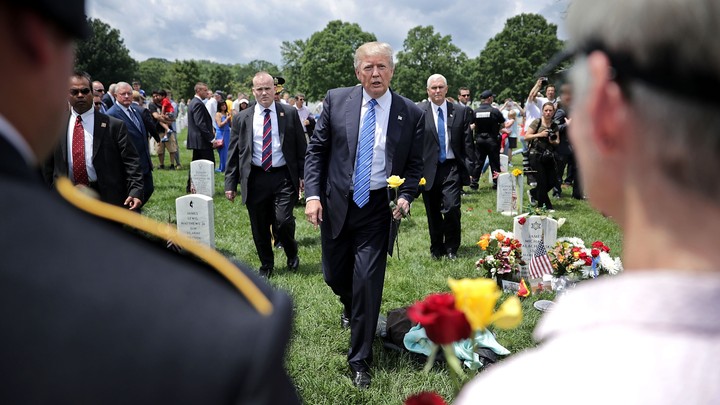
Donald Trump greets families of the fallen at Arlington National Cemetery on Memorial Day 2017. CHIP SOMODEVILLA / GETTY
When President Donald Trump canceled a visit to the Aisne-Marne American Cemetery near Paris in 2018, he blamed rain for the last-minute decision, saying that “the helicopter couldn’t fly” and that the Secret Service wouldn’t drive him there. Neither claim was true.
Trump rejected the idea of the visit because he feared his hair would become disheveled in the rain, and because he did not believe it important to honor American war dead, according to four people with firsthand knowledge of the discussion that day. In a conversation with senior staff members on the morning of the scheduled visit, Trump said, “Why should I go to that cemetery? It’s filled with losers.” In a separate conversation on the same trip, Trump referred to the more than 1,800 marines who lost their lives at Belleau Wood as “suckers” for getting killed.
Belleau Wood is a consequential battle in American history, and the ground on which it was fought is venerated by the Marine Corps. America and its allies stopped the German advance toward Paris there in the spring of 1918. But Trump, on that same trip, asked aides, “Who were the good guys in this war?” He also said that he didn’t understand why the United States would intervene on the side of the Allies.
Trump’s understanding of concepts such as patriotism, service, and sacrifice has interested me since he expressed contempt for the war record of the late Senator John McCain, who spent more than five years as a prisoner of the North Vietnamese. “He’s not a war hero,” Trump said in 2015 while running for the Republican nomination for president. “I like people who weren’t captured.”
There was no precedent in American politics for the expression of this sort of contempt, but the performatively patriotic Trump did no damage to his candidacy by attacking McCain in this manner. Nor did he set his campaign back by attacking the parents of Humayun Khan, an Army captain who was killed in Iraq in 2004.
Trump remained fixated on McCain, one of the few prominent Republicans to continue criticizing him after he won the nomination. When McCain died, in August 2018, Trump told his senior staff, according to three sources with direct knowledge of this event, “We’re not going to support that loser’s funeral,” and he became furious, according to witnesses, when he saw flags lowered to half-staff. “What the fuck are we doing that for? Guy was a fucking loser,” the president told aides. Trump was not invited to McCain’s funeral. (These sources, and others quoted in this article, spoke on condition of anonymity. The White House did not return earlier calls for comment, but Alyssa Farah, a White House spokesperson, emailed me this statement shortly after this story was posted: “This report is false. President Trump holds the military in the highest regard. He’s demonstrated his commitment to them at every turn: delivering on his promise to give our troops a much needed pay raise, increasing military spending, signing critical veterans reforms, and supporting military spouses. This has no basis in fact.”)
Trump’s understanding of heroism has not evolved since he became president. According to sources with knowledge of the president’s views, he seems to genuinely not understand why Americans treat former prisoners of war with respect. Nor does he understand why pilots who are shot down in combat are honored by the military. On at least two occasions since becoming president, according to three sources with direct knowledge of his views, Trump referred to former President George H. W. Bush as a “loser” for being shot down by the Japanese as a Navy pilot in World War II. (Bush escaped capture, but eight other men shot down during the same mission were caught, tortured, and executed by Japanese soldiers.)
When lashing out at critics, Trump often reaches for illogical and corrosive insults, and members of the Bush family have publicly opposed him. But his cynicism about service and heroism extends even to the World War I dead buried outside Paris—people who were killed more than a quarter century before he was born. Trump finds the notion of military service difficult to understand, and the idea of volunteering to serve especially incomprehensible. (The president did not serve in the military; he received a medical deferment from the draft during the Vietnam War because of the alleged presence of bone spurs in his feet. In the 1990’s, Trump said his efforts to avoid contracting sexually transmitted diseases constituted his “personal Vietnam.”)
On Memorial Day 2017, Trump visited Arlington National Cemetery, a short drive from the White House. He was accompanied on this visit by John Kelly, who was then the secretary of homeland security, and who would, a short time later, be named the White House chief of staff. The two men were set to visit Section 60, the 14-acre area of the cemetery that is the burial ground for those killed in America’s most recent wars. Kelly’s son Robert is buried in Section 60. A first lieutenant in the Marine Corps, Robert Kelly was killed in 2010 in Afghanistan. He was 29. Trump was meant, on this visit, to join John Kelly in paying respects at his son’s grave, and to comfort the families of other fallen service members. But according to sources with knowledge of this visit, Trump, while standing by Robert Kelly’s grave, turned directly to his father and said, “I don’t get it. What was in it for them?” Kelly (who declined to comment for this story) initially believed, people close to him said, that Trump was making a ham-handed reference to the selflessness of America’s all-volunteer force. But later he came to realize that Trump simply does not understand non-transactional life choices.
“He can’t fathom the idea of doing something for someone other than himself,” one of Kelly’s friends, a retired four-star general, told me. “He just thinks that anyone who does anything when there’s no direct personal gain to be had is a sucker. There’s no money in serving the nation.” Kelly’s friend went on to say, “Trump can’t imagine anyone else’s pain. That’s why he would say this to the father of a fallen marine on Memorial Day in the cemetery where he’s buried.”
I’ve asked numerous general officers over the past year for their analysis of Trump’s seeming contempt for military service. They offer a number of explanations. Some of his cynicism is rooted in frustration, they say. Trump, unlike previous presidents, tends to believe that the military, like other departments of the federal government, is beholden only to him, and not the Constitution. Many senior officers have expressed worry about Trump’s understanding of the rules governing the use of the armed forces. This issue came to a head in early June, during demonstrations in Washington, D.C., in response to police killings of Black people. James Mattis, the retired Marine general and former secretary of defense, lambasted Trump at the time for ordering law-enforcement officers to forcibly clear protesters from Lafayette Square, and for using soldiers as props: “When I joined the military, some 50 years ago, I swore an oath to support and defend the Constitution,” Mattis wrote. “Never did I dream that troops taking that same oath would be ordered under any circumstance to violate the Constitutional rights of their fellow citizens—much less to provide a bizarre photo op for the elected commander-in-chief, with military leadership standing alongside.”
Another explanation is more quotidian, and aligns with a broader understanding of Trump’s material-focused worldview. The president believes that nothing is worth doing without the promise of monetary payback, and that talented people who don’t pursue riches are “losers.” (According to eyewitnesses, after a White House briefing given by the then-chairman of the Joint Chiefs of Staff, General Joe Dunford, Trump turned to aides and said, “That guy is smart. Why did he join the military?”)
Yet another, related, explanation concerns what appears to be Trump’s pathological fear of appearing to look like a “sucker” himself. His capacious definition of sucker includes those who lose their lives in service to their country, as well as those who are taken prisoner, or are wounded in battle. “He has a lot of fear,” one officer with firsthand knowledge of Trump’s views said. “He doesn’t see the heroism in fighting.” Several observers told me that Trump is deeply anxious about dying or being disfigured, and this worry manifests itself as disgust for those who have suffered. Trump recently claimed that he has received the bodies of slain service members “many, many” times, but in fact he has traveled to Dover Air Force Base, the transfer point for the remains of fallen service members, only four times since becoming president. In another incident, Trump falsely claimed that he had called “virtually all” of the families of service members who had died during his term, then began rush-shipping condolence letters when families said the president was not telling the truth.
Trump has been, for the duration of his presidency, fixated on staging military parades, but only of a certain sort. In a 2018 White House planning meeting for such an event, Trump asked his staff not to include wounded veterans, on grounds that spectators would feel uncomfortable in the presence of amputees. “Nobody wants to see that,” he said.
We want to hear what you think about this article. Submit a letter to the editor or write to letters@theatlantic.com.
Jeffrey Goldberg is the editor in chief of The Atlantic and a recipient of the National Magazine Award for Reporting. He is the author of Prisoners: A Story of Friendship and Terror.
Arctic National Wildlife Refuge: The animals at risk from Alaska oil drilling
By Ashitha Nagesh, BBC News August 20, 2020
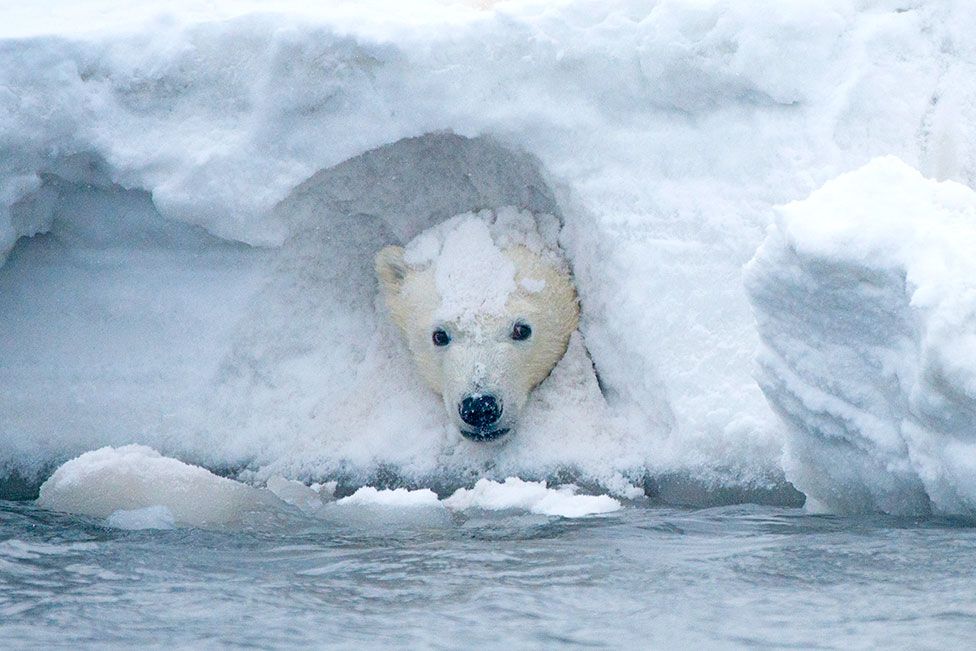
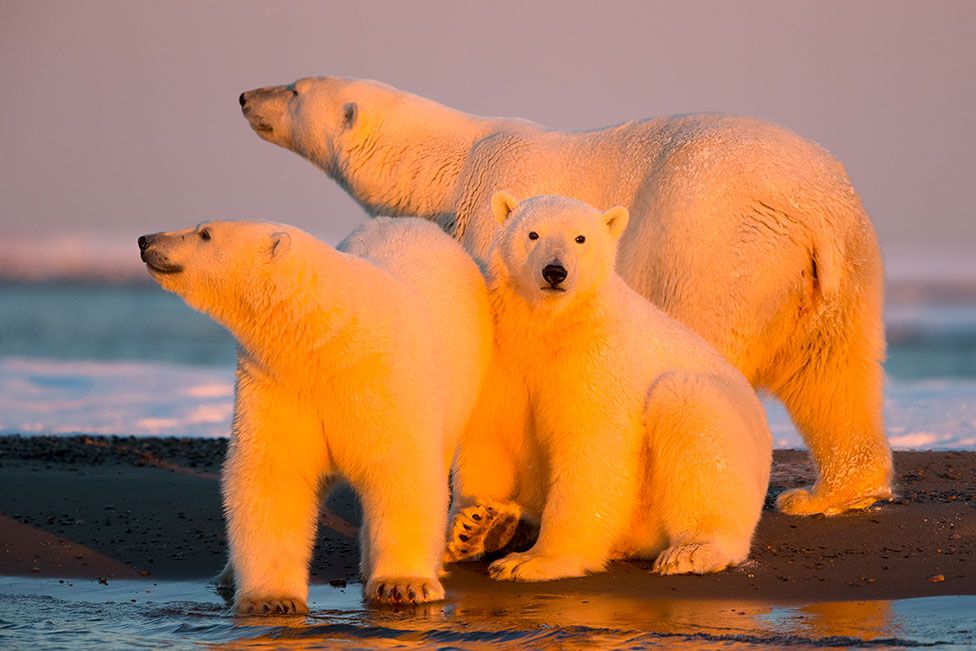
GETTY IMAGES. Image caption: Polar bears are particularly at risk of dying in oil spills.
The US government is pushing forward with controversial plans to allow drilling in the Arctic National Wildlife Refuge, by laying out the terms of a leasing program that would give oil companies access to the area.
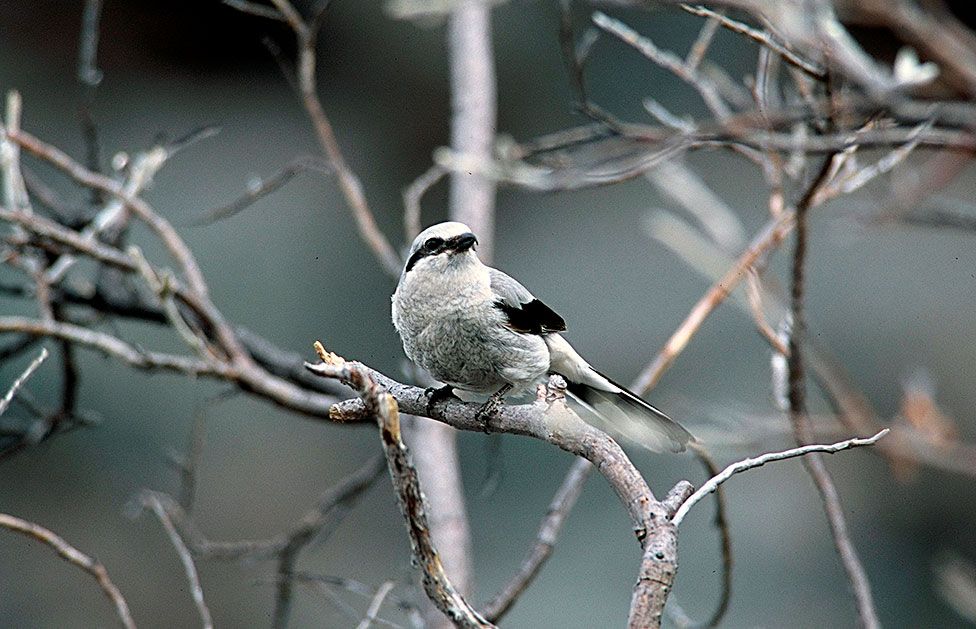
The wildlife refuge in north-eastern Alaska sits above billions of barrels of oil. However, it is also home to many animals, including reindeer, polar bears and different species of bird.
The idea of drilling in the area did not originate with President Donald Trump and his administration. Rather, the leasing program is just the latest step in a controversy that has been ongoing since the late 1970’s.
One side argues that drilling for oil could bring in significant amounts of money, while providing jobs for people in Alaska.
Others, however, are fearful of the impact drilling would have on the many animals that live there – as well as the damage burning more fossil fuels would have on our rapidly warming planet.
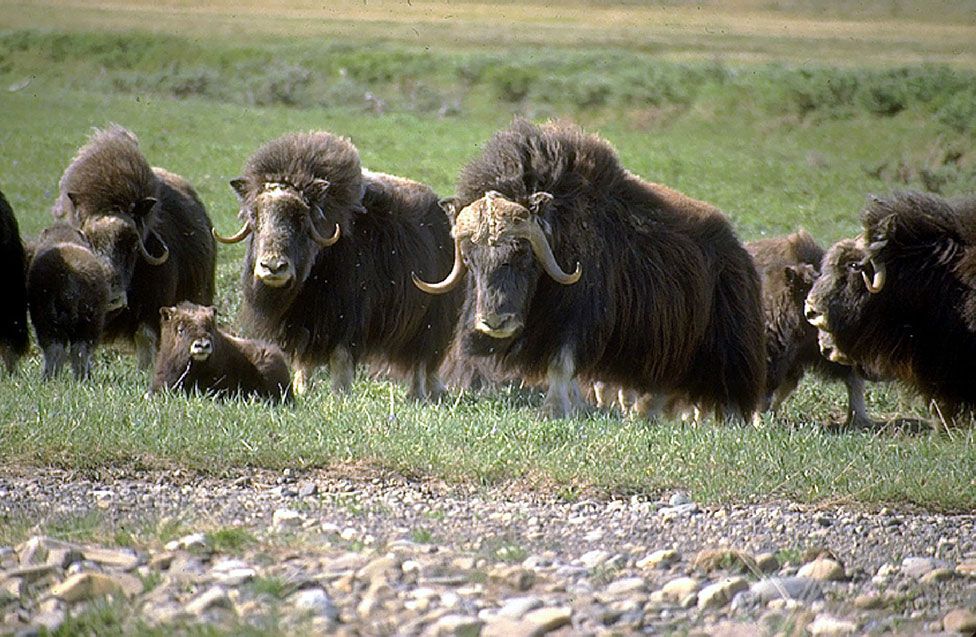
GETTY IMAGES. Image caption: Muskoxen are one of many species of animals in the refuge.
“This plan could devastate the amazing array of wildlife that call the refuge home through noise pollution, habitat destruction, oil spills, and more climate chaos,” Kristen Monsell, from the US-based Center for Biological Diversity, told the BBC.
“The coastal plain is the most important land-based denning habitat for polar bears and is the birthing grounds of the Porcupine caribou herd.
“Over 200 species of birds are found in the refuge along with Arctic foxes, black and brown bears, moose and many others.”
Any oil spills, for example, would not only harm nearby wildlife and their habitat, they could be fatal.
GETTY IMAGES. Image caption: The controversy over drilling in the Arctic National Wildlife Refuge has been ongoing since 1977.
Polar bears, Ms Monsell adds, are “particularly vulnerable” to oil spills.
“Polar bears must maintain a pristine hair coat as insulation against the cold – but when a polar bear comes into contact with spilled oil, it can soak a polar bear’s fur and persist for several weeks. It will be groomed and ingested, irritate the skin, and destroy the insulating abilities of the fur,” she says.
“Studies show that fatalities can occur from effects on the lungs, kidneys, blood, gastrointestinal tract, and other organs and systems. An oil-coated bear that is not cleaned and rehabilitated will probably die.”
GETTY IMAGES. Image caption: Oil can destroy a polar bear’s fur, which protects it from the harsh environment.
Oil industry bosses insist they have a well-established record of environmentally responsible development of Alaska’s energy resources. But environmentalists say the US government has not adequately considered the risks to wildlife and local communities.
Meanwhile, polar bears are far from the only animals who rely on this large stretch of wilderness.
The refuge is home to more than 200 types of bird. Prof Natalie Boelman, an environmental scientist from Columbia University, describes it as “a huge nursery for avian species”.
“If you go up there in the spring it’s crazy, every little puddle, even if it’s just half a metre by half a metre… you can barely see the water, it’s just covered in ducks and geese,” she tells the BBC.
She is particularly concerned about the impact sound levels from any drilling would have on animals in the refuge, as well as on the indigenous communities that live nearby.
“With industrial activity comes a great deal of sound, from aeroplane noise, helicopter noise, truck noises, seismic activity,” she says.
“There’s been very little scientific study into how this impacts the many different animals up there, but there’s a lot of anecdotal evidence that sounds that are associated with any anthropogenic activity really bother them.”
GETTY IMAGES. Image caption: The refuge is home to more than 200 species of bird including the northern shrike.
This anecdotal evidence, she adds, comes from the Native Alaskan communities that live near the refuge.
“Subsistence hunters who are really dependent on both caribou and waterfowl to sustain themselves and their families, they have a really hard time hunting when there’s air traffic going by,” Prof Boelman says.
“They report having to just give up hunting a specific animal as soon as a helicopter or aeroplane goes by, because it just wakes the animal up – and that’s a huge loss for them.
“So we know it has an impact on the behavior of the animals, and also that this then has an effect on the subsistence of communities. But also, what does that noise do to animals’ stress levels? What does that do to their reproductive success?”
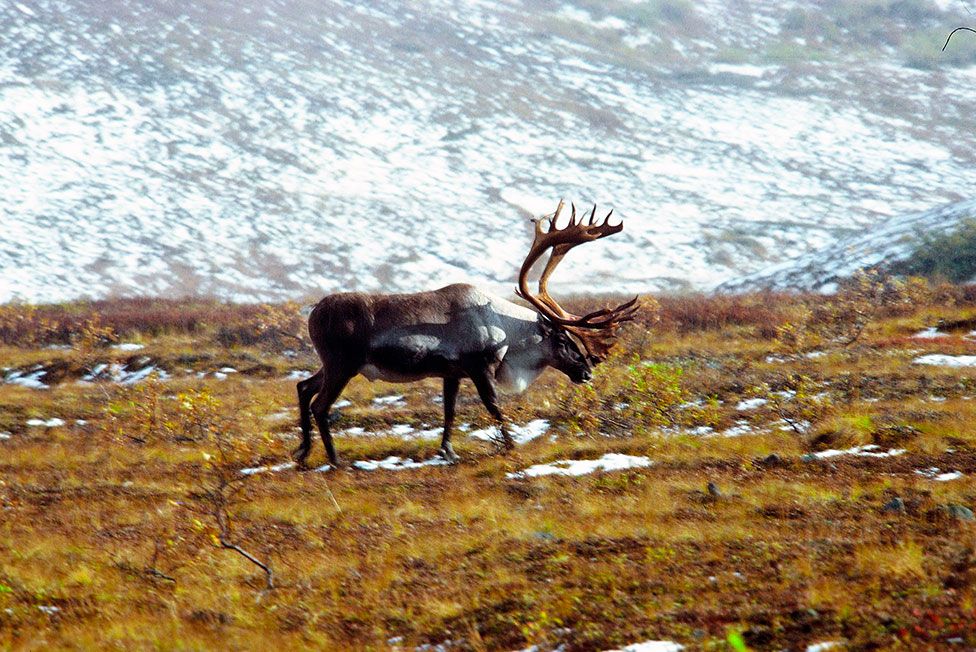
GETTY IMAGES. Image caption: The refuge’s caribou herd is particularly vulnerable.
Conservationists also fear for the Porcupine caribou, a breed of North American reindeer which roams the Arctic National Wildlife Refuge. The coast – where proposed drilling would take place, should it go ahead – is particularly important to them.
Maggie Howell, executive director of the Wolf Conservation Center, tells the BBC: “That coastal plain is the calving route for caribou, and the caribou also has one of the most impressive migrations of any land mammal.
“The herd travels north to the coastal plain every year, about 400 miles (644 km) each way, and that’s where they’re having their babies. Any drilling is going to impact their lives drastically, as well as all the other animals and people who depend on that caribou.”
One animal that predates on caribou, and would therefore also be at risk, is the Alaskan tundra wolf. Ms Howell says her team has “already seen” the damage done by drilling in other areas with caribou and wolf populations, such as Alberta in Canada.
“As a refuge, it’s there to be preserved,” Ms Howell says. “It’s not only a safe haven for the wildlife, but also a symbol of our country’s national heritage.
“And if these animals can’t be safe in a wildlife refuge, where can they be? Where can they be just left alone to live their lives and fulfill their own purpose?”
Trump must win the Midwest. But out here his breezy reelection gambit falls flat
Art Cullen August 29, 2020
Photograph: Charlie Neibergall/AP
It’s dry. So dry that my neighbor Steve Drey, the tractor parts man who hears it first, figures that the combines might start rolling through the brown corn in just a week or two. Some farmers are cutting corn for livestock silage, and it’s punky.
One hundred fifty bushels per acre should be the ballpark crop yield around Storm Lake, Iowa, which is in severe drought along with much of the Corn Belt. That’s a 25% yield chop off expectations. It makes farmers itch to start harvesting before the paper-dry corn falls to a freak wind. A hurricane-like derecho wind flattened 14 million acres in the Tall Corn State just a couple weeks ago. This, as corn prices are at their lowest point in a decade.
The cicadas of late August called children back to school where vulnerable teachers and staff awaited them. Most come from meatpacking households – Latino, Asian and African – whose breadwinners were ordered into close working quarters in April by a President who demanded slower virus testing. We were among the hottest spots in the land.
The infection rate shot up in the college towns as the students returned. Governor Kim Reynolds ordered the bars shut down in six of the state’s 99 counties. She sailed to election in 2018 but has since watched her numbers slide as her mind melded to Trump’s. Our virus rate refuses to recede. Fourteen teacher aides in Storm Lake quit just before classes resumed for fear of infection. The governor ordered everyone back to class but didn’t tell schools how to do it. Our superintendent begged patience. She regrets saying “I just don’t know” so often when asked how to pull this off safely.
Nobody does know. The state last week acknowledged that it was disseminating faulty data about Covid infection as recently as July. The meatpacking industry is doing its own testing of employees on a selective basis. Deaths and hospitalizations have ebbed here. Children have their temperatures checked at the school door. We have no idea what the infection rate really is, or how long we can conduct classes. Masks are not required, but everyone was wearing them in class this week. The kids here seem to get it. Grandma, who takes care of them after school, is nervous.
It’s shouting distance of Labor Day, when people normally start fixing on the elections. Labor is restless. John Deere laid off Davenport and Waterloo workers last fall and this spring. Deere reported strong profits last week as a result, despite slumping sales from the Trump Trade Wars. There’s the disconnect between the stock market and Main Street – the Dow rises while enhanced unemployment benefits expire.
Atop all this – a pandemic, a climate crisis inspiring a mega-drought and derecho, rotten farm prices and incompetent government – another unarmed black man was shot, this time in Kenosha, Wisconsin. Not so far from Minneapolis, where George Floyd became a household name. Now it’s Jacob Blake, whose mother Julia Jackson pleaded for prayer and healing on national TV, for her son, for the police, for this nation. The Bucks and Brewers refused to play.
Trump simply must win Iowa and Wisconsin. So he cast a convention against this backdrop of anxiety and fear – godless looters are coming for yours – and roped in our governor, former Wisconsin Governor Scott Walker, and Senator Joni Ernst of Iowa to play in the tragedy. Few were inclined to listen. When the corn calls, you are too busy removing fallen trees from your machine shed. Trump dropped into the Cedar Rapids airport for an hour shortly before the convention to promise assistance after the derecho pulverized our Second City. After he left, he approved homeowner and business relief for just one of the 27 counties the governor had requested.
For that, Governor Reynolds told the TV convention that Trump “had our back.” Senator Ernst, trailing Democratic challenger Theresa Greenfield in fundraising and polling, landed a prime-time cameo to praise her fearless leader. The one who knocked down soybean prices. The one who helped the corn-fueled ethanol industry implode. The one who ordered children in cages to be separated from their mothers.
Farmers are anxious. Latinos are afraid. Unemployed machinists are frustrated. That prized demographic, suburban women in Urbandale next to Des Moines, are encouraging the school board to sue the governor over her in-person school orders.
A few Latino organizers gathered in the park on the sweltering evening when Trump would commandeer the Rose Garden for his reality show.
“Our people came here to be free of the corruption and violence,” said Storm Lake City Councilman José Ibarra. “Now it has come back to find us. Where can we go? What can we do but vote?”
They said their older folks who never saw a reason before have finally found one.
Even some of those farmers are wondering about Trump as they dig into a harvest so meager that wraps up as they vote. An ill wind blows for incumbents.
Art Cullen is editor of The Storm Lake Times in Northwest Iowa, where he won the Pulitzer Prize for editorial writing on agriculture. He is a Guardian US columnist and author of the book, Storm Lake: Change, Resilience, and Hope in America’s Heartland
Vitamin B could help prevent the ‘worst outcomes’ in COVID-19 cases, experts say
Abby Haglage August 27, 2020
Doctors remain focused on finding a treatment to slow or stop the deadly immune overreaction to COVID-19 known as a “cytokine storm.” As they do, experts in the nutrition world are aiming to find ways to stop it before it begins. Early on in the pandemic, these recommendations from health experts focused on vitamin C and vitamin D, both of which can significantly strengthen the immune system.
But now, in a new study published in the international peer-reviewed journal Maturitas, researchers suggest that another, equally important vitamin is being overlooked: vitamin B.
The study, a joint collaboration between researchers at the University of Oxford, United Arab Emirates University and the University of Melbourne, called for more analysis of its effects on patients with COVID-19. “Vitamin B … plays a pivotal role in cell functioning, energy metabolism and proper immune function,” the authors write. “Vitamin B assists in proper activation of both the innate and adaptive immune responses, reduces pro-inflammatory cytokine levels, improves respiratory function, maintains endothelial integrity, prevents hyper-coagulability and can reduce the length of stay in hospital.”
While the study itself did not analyze the effects of vitamin B on COVID-19 patients, the authors say existing evidence on how it functions suggests that it would be extremely beneficial. “Vitamin B not only helps to build and maintain a healthy immune system, but it could potentially prevent or reduce COVID-19 symptoms or treat SARS-CoV-2 infection,” they write. “Poor nutritional status predisposes people to infections more easily; therefore, a balanced diet is necessary for immuno-competence.”
Overall, they conclude that vitamin B “should be assessed” in COVID-19 patients as a potential non-pharmaceutical “adjunct to current treatments.”
So what is vitamin B exactly?
Vitamin B complex — made up of eight different essential types, including B-2 (riboflavin), B-6 and B-12 — affects many parts of the body, assisting with critical functions such as eyesight, red blood cell growth, proper digestion, energy levels, heart health, and brain and nerve function. B vitamins can be found in a variety of foods including red meat, beans, milk, cheese, broccoli, spinach, avocados and brown rice.
Despite the availability of vitamin B-rich foods, many Americans may be deficient in this nutrient — and not even know it. According to a blog post from Harvard University, using the National Health and Nutrition Examination Survey, “3.2 percent of adults over age 50 have a seriously low B12 level” and “up to 20 percent may have a borderline vitamin B12 deficiency.”
A deficiency in certain strains, such as vitamin B12, can be serious, resulting in an insufficient number of healthy red blood cells, which are used to fight off infection. Symptoms of vitamin B deficiency can range from fatigue, shortness of breath and dizziness to personality changes, muscle weakness and unsteady movements.
Do other experts agree that vitamin B could be helpful?
Dr. Uma Naidoo, a nutrition expert at Harvard Medical School and director of Nutritional and Lifestyle Psychiatry at Massachusetts General Hospital, urges caution when interpreting the results — which are not meant to suggest that vitamin B can either prevent or treat COVID-19. But still, she agrees that it may have major benefits.
“You can think of the immune system as an army. Its job is to protect the body. But if the immune system army isn’t well-regulated, it can overreact and actually cause more damage — this overreaction is what often happens in COVID-19 and is referred to as the cytokine storm,” Naidoo tells Yahoo Life. “Cytokines are inflammatory molecules released by immune cells. They are like the weapons of the immune system army. So if immune cells are soldiers, cytokines are guns and grenades. And in a poorly regulated immune system, the body’s cytokine storm induced by COVID cause lots of inflammation in the body, just as if little grenades were being tossed around. This is what causes the worst outcomes and death in COVID.”
Naidoo — along with her co-researcher, Nicholas Norwitz, a PhD candidate at Oxford University — does think that vitamin B may have an effect. “It follows that anything that improves immune system function and decreases the chances that an infected person will have a catastrophic cytokine storm may improve the outcome of COVID-19 cases and decrease the overall death rate,” Naidoo says. “Therefore, it’s quite feasible that B-vitamin supplementation could contribute to preventing the worst COVID outcomes.”
Although the news is promising, more research on the topic is needed — and individuals should consult their doctor before adding supplements to their diet. But until then, Naidoo hopes that the research will be a reminder of how important it is to have a balanced diet. “All Americans should be focusing on their overall metabolic health to improve their individual chances of coping well with the virus…,” she says. “To this end, our everyday basics on nutrition are critical.”
What the Republican Party actually stands for, in 13 points
David Frum, Staff writer at The Atlantic August 25, 2020
SHUTTERSTOCK / PAUL SPELLA / THE ATLANTIC
Republicans have decided not to publish a party platform for 2020.
This omission has led some to conclude that the GOP lacks ideas, that it stands for nothing, that it has shriveled to little more than a Trump cult.
This conclusion is wrong. The Republican Party of 2020 has lots of ideas. I’m about to list 13 ideas that command almost universal assent within the Trump administration, within the Republican caucuses of the U.S. House and Senate, among governors and state legislators, on Fox News, and among rank-and-file Republicans.
Once you read the list, I think you’ll agree that these are authentic ideas with meaningful policy consequences, and that they are broadly shared. The question is not why Republicans lack a coherent platform; it’s why they’re so reluctant to publish the one on which they’re running.
1) The most important mechanism of economic policy—not the only tool, but the most important—is adjusting the burden of taxation on society’s richest citizens. Lower this level, as Republicans did in 2017, and prosperity will follow. The economy has had a temporary setback, but thanks to the tax cut of 2017, recovery is ready to follow strongly. No further policy change is required, except possibly lower taxes still.
2) The coronavirus is a much-overhyped problem. It’s not that dangerous and will soon burn itself out. States should reopen their economies as rapidly as possible, and accept the ensuing casualties as a cost worth paying—and certainly a better trade-off than saving every last life by shutting down state economies. Masking is useless and theatrical, if not outright counterproductive.
3) Climate change is a much-overhyped problem. It’s probably not happening. If it is happening, it’s not worth worrying about. If it’s worth worrying about, it’s certainly not worth paying trillions of dollars to amend. To the extent it is real, it will be dealt with in the fullness of time by the technologies of tomorrow. Regulations to protect the environment unnecessarily impede economic growth.
4) China has become an economic and geopolitical adversary of the United States. Military spending should be invested with an eye to defeating China on the seas, in space, and in the cyberrealm. U.S. economic policy should recognize that relations with China are zero-sum: When China wins, the U.S. loses, and vice versa.
5) The trade and alliance structures built after World War II are outdated. America still needs partners, of course, especially Israel and maybe Russia. But the days of NATO and the World Trade Organization are over. The European Union should be treated as a rival, the United Kingdom and Japan should be treated as subordinates, and Canada, Australia, and Mexico should be treated as dependencies. If America acts decisively, allies will have to follow whether they like it or not—as they will have to follow U.S. policy on Iran.
6) Health care is a purchase like any other. Individuals should make their own best deals in the insurance market with minimal government supervision. Those who pay more should get more. Those who cannot pay must rely on Medicaid, accept charity, or go without.
7) Voting is a privilege. States should have wide latitude to regulate that privilege in such a way as to minimize voting fraud, which is rife among Black Americans and new immigrant communities. The federal role in voting oversight should be limited to preventing Democrats from abusing the U.S. Postal Service to enable fraud by their voters.
8) Anti-Black racism has ceased to be an important problem in American life. At this point, the people most likely to be targets of adverse discrimination are whites, Christians, and Asian university applicants. Federal civil-rights-enforcement resources should concentrate on protecting them.
9) The courts should move gradually and carefully toward eliminating the mistake made in 1965, when women’s sexual privacy was elevated into a constitutional right.
10) The post-Watergate ethics reforms overreached. We should welcome the trend toward unrestricted and secret campaign donations. Overly strict conflict-of-interest rules will only bar wealthy and successful businesspeople from public service. Without endorsing every particular action by the president and his family, the Trump administration has met all reasonable ethical standards.
12) The country is gripped by a surge of crime and lawlessness as a result of the Black Lives Matter movement and its criticism of police. Police misconduct, such as that in the George Floyd case, should be punished. But the priority now should be to stop crime by empowering police.
13) Civility and respect are cherished ideals. But in the face of the overwhelming and unfair onslaught against President Donald Trump by the media and the “deep state,” his occasional excesses on Twitter and at his rallies should be understood as pardonable reactions to much more severe misconduct by others.
So there’s the platform. Why not publish it?
There are two answers to that question, one simple, one more complicated.
The simple answer is that President Trump’s impulsive management style has cast his convention into chaos. The location, the speaking program, the arrangements—all were decided at the last minute. Managing the rollout of a platform as well was just one task too many.
The more complicated answer is that the platform I’ve just described, like so much of the Trump-Republican program, commands support among only a minority of the American people. The platform works (to the extent it does work) by exciting enthusiastic support among Trump supporters; but when stated too explicitly, it invites a backlash among the American majority. This is a platform for a party that talks to itself, not to the rest of the country. And for those purposes, the platform will succeed most to the extent that it is communicated only implicitly, to those receptive to its message.
The challenge for Republicans in the week ahead is to hope that President Trump can remember, night after night, to speak only the things he’s supposed to speak—not to blurt the things his party wants its supporters to absorb unspoken.
We want to hear what you think about this article. Submit a letter to the editor or write to letters@theatlantic.com.
David Frum is a staff writer at The Atlantic and the author of Trumpocalypse: Restoring America Democracy (2020). In 2001 and 2002, he was a speechwriter for President George W. Bush.
Sinking your teeth into a crisp apple or chomping on a stalk of celery is something you should be able to do without thinking. After all, the best nutritional science shows that eating a variety of fruits and vegetables—and plenty of them—is a crucial component of good health. But produce sometimes comes with potentially harmful pesticide levels.
That’s according to a new Consumer Reports analysis of five years of data from the Department of Agriculture collected from tests on fruits and vegetables to detect about 450 pesticides. In some cases, those levels exceed what CR’s experts consider safe.
The solution isn’t to eat less produce. More than 80 percent of Americans already fall short of the recommended amounts: at least 2½ cups of vegetables and 2 cups of fruits per day for most adults. Instead, you can minimize the risk by choosing fruits and vegetables grown with fewer and safer pesticides.
One way is to choose organic produce. “CR recommends buying organic when possible, to reduce your pesticide exposure and protect the environment and farm-workers,” says Charlotte Vallaeys, the senior policy analyst at CR who led our new pesticides study. Organic standards permit some pesticides, but they can be used only after nonchemical methods, such as crop rotation, have failed. Even then, farmers can’t use pesticides that could be harmful to people or the environment.
“Still, we realize organic can cost more, and that means it isn’t always an option,” Vallaeys says. And in many low-income communities, access to fruits and vegetables in general—let alone organic—may be limited.
To help consumers identify which produce poses the biggest risk from pesticides, CR experts developed ratings for 35 fruits and vegetables. They were organic and nonorganic, grown in the U.S. and imported. We also rated some frozen, canned, and dried items, for a total of 49 products. (See CR’s produce ratings and find out which fruits and vegetables to pick, below.)
The good news: Almost half of the nonorganic fruits and vegetables pose little risk. But about 20 percent, such as fresh green beans, peaches, and potatoes, received our worst scores; those are the ones it’s most important to try to buy organic. Even some organic products, such as fresh spinach, had worrisome pesticide residue. “For the lowest-scoring items, eating a half of a serving or less per day poses long-term health risks to a young child,” Vallaeys says.
Pesticides and Your Health
“Pesticides are chemicals that are specifically designed to kill living organisms,” says Devon Payne-Sturges, DrPH, an associate professor at the University of Maryland School of Public Health in College Park. Some of the clearest evidence of harm comes from people who work with pesticides or live in agricultural areas. The Environmental Protection Agency says agricultural pesticide exposure is tied to asthma, bronchitis, non-Hodgkin’s lymphoma, Parkinson’s disease, and prostate and lung cancers.
Industry groups say that such residue on food doesn’t pose a risk. “A farmer’s first consumer is his or her own family, so food safety is always their top priority,” says Teresa Thorne, executive director of the Alliance for Food and Farming. And CropLife America, a pesticide industry group, said that half or more of items tested by the USDA show no pesticide residue.
But many experts remain concerned. Payne-Sturges says pesticides can damage the brain and nervous system. And even low levels have been linked to cancer, reproductive issues, and other health problems, she says.
Plenty of research bears this out. A 2019 study in JAMA Internal Medicine found that people with the highest levels of exposure to pyrethroid pesticides were three times as likely to die from cardiovascular disease during the 14-year study than those with less exposure. In a 2010 study in the journal Pediatrics, children with a greater exposure to organophosphate pesticides were more likely to be diagnosed with attention deficit hyperactivity disorder, known as ADHD. And a 2016 analysis in Scientific Reports found a link between pesticides and an increased risk of Alzheimer’s disease.
Other evidence suggests that pesticides disrupt the endocrine system, which is made up of hormones, the glands that produce them, and the receptors in the body that respond to them. Experts think this may contribute to some cancers and other health problems. And because this system is delicate, even small amounts of endocrine disruptors could have outsized effects, says Michael Hansen, PhD, CR’s senior scientist.
Yet the overall health impact of pesticides may be even greater because there are still many unanswered questions about the effects of long-term, low-dose exposure.
What Research Can’t Tell Us
Scientists studying pesticides are limited in the kind of research they can conduct. Giving a group of people a pesticide-laden diet and another a pesticide-free one would provide clearer answers—but would also be unethical. So scientists turn to other types of studies.
Animal studies, which can provide clues to potential harms, are limited by significant biological differences between, say, rats and humans. And epidemiological studies—which look at groups of people, their pesticide exposure, and their health outcomes over long periods of time—can link pesticides and illness but can’t prove that the chemicals caused the diseases.
Another limitation: Pesticides are usually regulated and studied by considering the effects of just a product’s active ingredient. Yet pesticide formulas contain many other substances. “Some of these are called inert ingredients, which gives you the impression that they’re not harmful,” Payne-Sturges says. But how they might affect health is largely unknown.
Also, health effects may be compounded when multiple pesticides are used together, which frequently happens. But most studies evaluate only the effects of a single type or class of pesticide, says Brenda Eskenazi, PhD, director of the Center for Environmental Research and Children’s Health at the University of California, Berkeley. “What we should be looking at is the whole swimming pool of chemicals that we’re exposed to,” she says.
What does this mean for consumers? “Sadly, there’s a lot we don’t know about the human health effects of pesticides in food,” says CR’s Vallaeys. “Given this, it makes sense that we should err on the side of caution and base decisions about pesticide use not just on what we know but also on what we don’t yet know.”
Pesticides and Farmworkers
Pesticides pose special dangers to people who work with them on farms and in factories, as well as to their families and people who live nearby.
A long-running project from the University of California, Berkeley, known as the CHAMACOS study is a key source of evidence. (The name is an acronym for the Center for the Health Assessment of Mothers and Children of Salinas, and means “little children” in Mexican Spanish.) Starting in 1999, researchers began following hundreds of Latino children—many from before they were even born—in Salinas, Calif., an area where much of U.S. produce is grown.
The findings show that pesticide exposure in pregnant women and during childhood is linked to poor reflexes in infants (a sign of brain and nervous system problems), lower IQ, attention disorders, poorer lung function, and more. People facing greater economic and social challenges are also more likely to suffer harm from pesticide exposure, says Brenda Eskenazi, PhD, the study’s director.
“The effects of pesticides on the people who grow and harvest our food is a big part of the reason CR recommends buying organic when you can,” says Charlotte Vallaeys, CR’s senior policy analyst.
Pesticide Regulation
Laws governing the use of pesticides on produce in the U.S. are based, at least in theory, on a philosophy of avoiding potential risk in the absence of definitive proof of their harm. But CR’s experts say the government hasn’t upheld its responsibility to protect consumers.
The EPA, which is responsible for overseeing pesticides, sets limits on how much residue is allowed on food. The USDA and the Food and Drug Administration separately test fruits and vegetables for pesticides. Both agencies say that by and large, testing shows that levels are almost always below legal limits. But the research used to set these tolerances is imperfect, and they’re often too high, says CR’s Hansen.
At a baseline, the limits are set at one one-hundredth of the amount of a pesticide that doesn’t cause apparent harm to animals in laboratory testing. That safety factor is meant to account for the uncertainty that arises when the results of animal studies are applied to long-term human exposure, and the fact that some people are more sensitive than others to pesticides.
The 1996 Food Quality Protection Act requires the EPA to apply extra protection when science doesn’t conclusively show that a chemical is safe for infants and children. Known as the “FQPA safety factor,” it lowers the cap on pesticide residue from one one-hundredth to one one-thousandth of the amount found not to harm lab animals. But with the exception of organophosphates, this safety margin has rarely been used.
A February 2020 analysis in the journal Environmental Health looked at 59 pesticide risk assessments from the EPA between 2011 and 2019. It found that the agency didn’t apply the FQPA safety factor to more than 85 percent of nonorganophosphate pesticides.
The agency told CR it makes decisions about whether to apply the FQPA safety factor based on a variety of research, “a wealth of high-quality, peer-reviewed data.” When it decides not to, it has determined that a particular pesticide doesn’t affect infants and children any differently from adults.
But CR’s scientists think that in many cases the EPA isn’t looking at the entire spectrum of possible harm. The 1996 law instructs it to screen for endocrine-disrupting effects. But as of 2020, it has completed full endocrine screenings on only 52 pesticides.
Nor is it using the latest science, according to Hansen. “The tests the EPA uses to approve pesticides don’t take into account new evidence on pesticide harms, and it hasn’t incorporated many new scientific techniques,” he says.
James Hewitt, an EPA spokesperson, says the agency’s standard evaluations include some assessment of endocrine effects. And he says that while screening pesticides for endocrine-disruption potential is slow and resource intensive, the agency is working on developing newer, faster screening techniques, and that it refines its safety evaluation methods as science evolves.
What CR’s Analysis Found
In our ratings, the “cleanest” produce receives an Excellent or Very Good score, while fruits and vegetables that carry the most risk are rated Fair or Poor. They factor in the total number of pesticides, the level of each on fruits and vegetables, the frequency with which they were detected, and their toxicity.
To account for toxicity, we used the EPA’s chronic reference dose for each pesticide (the amount it considers not likely to cause harm over a lifetime), then applied the FQPA safety factor to known neurological toxins or suspected endocrine disruptors—even when the EPA doesn’t. The goal was to “minimize the chance that risks are underestimated,” says Chuck Benbrook, PhD, a consultant who helped develop CR’s risk scores.
This means that fruits and vegetables with residue of many different pesticides can still receive a rating of Very Good or even Excellent if the amounts are low compared with the level we consider harmful, or if the pesticides have a low toxicity. But others rate poorly if they have even a very small amount of a more dangerous pesticide.
For example, fresh nonorganic tomatoes have a Very Good rating despite having residue of 65 pesticides because the amounts weren’t concerning and/or were found on only a few samples. On the other hand, imported nonorganic summer squash rated Poor because it had worrisome amounts of a particularly harmful pesticide on just one sample.
Thirty-one of 49 nonorganic fruits and vegetables—which include fresh, frozen, dried, and canned—earn a rating of Good or higher in domestic and/or imported forms.
But for the 18 nonorganic fruits and vegetables with a Fair or Poor rating, CR’s experts say everyone, especially pregnant women, infants, and young children, should try to eat the organic versions. If you can’t find them at a price you can afford, choose a higher-rated similar alternative, such as broccoli instead of green beans. Still, if that’s not possible, occasionally eating a low-rated fruit or vegetable doesn’t pose a serious health risk.
There were a few items for which organic produce got a score lower than Excellent. For those rated Very Good, the likely reason is that pesticides banned in organic farming drifted from fields where nonorganic crops were grown. But drift probably doesn’t account for the Fair or Poor scores for three organic items: imported frozen cherries, imported fresh snap peas, and U.S.-grown fresh spinach.
All but one of the contaminated frozen cherry samples were imported from Turkey. In recent years, questions have been raised about the integrity of the organic label on Turkish imports.
Organic imported snap peas are rated Fair because one of the 15 samples was contaminated with high levels of dimethoate, a potent neurotoxin.
And last, organic U.S.-grown spinach received a Poor score because 33 pesticides were found on 76 percent of the samples. For some of these, the levels were similar to nonorganic. That includes famoxadone, a pesticide banned in organic farming and a possible hormone disruptor.
“The vast majority of the USDA data show that while pesticides are sometimes found on organic foods, the levels are usually 10 percent or less of what’s found on nonorganic, which would be consistent with drift from a neighboring field,” CR’s Hansen says. “When levels on organic and nonorganic are similar, government agencies should take a closer look.”
A spokesperson for the USDA’s National Organic Program says fewer organic fruits and vegetables are tested than nonorganic, which may skew findings. And when it has questions about compliance, it first contacts the certifier for that operation, who can usually help identify underlying issues and quickly bring the farm or business back into compliance. When there’s indication of fraud or other serious problems, the program investigates and, when the evidence warrants, removes the offender from the organic system.
What Needs to Change
“Many federal policies should be altered to protect consumers from the harms of pesticides,” says Brian Ronholm, CR’s director of food policy. Particularly important is a system to quickly identify banned pesticides on imported produce to keep it out of the country. “The USDA must also take steps to maintain the integrity of the organic program and help farmers transition to organic, which will make organic options more widely available.”
In addition, CR says that government agencies and Congress should take the following steps:
• Ban the agricultural use of the riskiest pesticides. This falls under the EPA’s purview, although CR also supports legislation proposed in the U.S. House or Representatives and Senate known as the Protect America’s Children from Toxic Pesticides Act (PDF) of 2020. This bill would ban many of the pesticides that contributed the most to the risk from pesticides on fruits and vegetables in CR’s analysis. (It would also provide stronger protections for farm workers and communities at the greatest risk of pesticide exposure.)
• Apply the FQPA safety factor to all neurotoxins, suspected endocrine disruptors, and any pesticide for which there’s uncertainty about its safety. That’s already required under the Food Quality Protection Act. CR says the EPA needs to apply the law consistently.
• Provide the public with an easy-to-search database of the pesticides currently registered with the EPA, including information for each pesticide on whether the FQPA tenfold safety factor was applied when setting tolerance levels.
• Place an import alert on fruits and vegetables that test positive for banned pesticides, because pesticides that are banned in the U.S. sometimes appear on imported produce samples in the USDA’s Pesticide Data Program. To make this happen, the USDA should alert the FDA, the agency responsible for enacting and enforcing import alerts, when residues of a banned pesticide are detected in imported samples.
Which Produce Should You Pick?
To create CR’s ratings, we analyzed five years of data—from 2014 to 2018, the latest available—from the USDA’s Pesticide Data Program, which tests fruits and vegetables for pesticides, about 24,000 samples in all. Then we calculated a rating based on four factors: the number of pesticides detected on each item, the frequency with which pesticides were found on samples, the average amount of residue of each pesticide found on the items, and the toxicity of the pesticides.
The ratings reflect the number of servings of a particular fruit or vegetable a person can eat per day over a lifetime before the pesticides pose potential harm. We based our risk analysis on the levels that could harm a 35-pound child, about the size of a 4-year-old. The serving sizes represent a child’s portion, about two-thirds of an adult serving. While adults may have more servings, the relative risk remains the same; that is, an item rated Poor carries a higher risk than one rated Fair or better. The risk comes from chronic exposure. Choosing produce with the best ratings most of the time can reduce the chance of future harm.
With grace & a generous dose stinging ridicule, served up on a gold platter, Obama laid waste to the Trump presidency w/ a “WTF IS this?” and a “who the eff are YOU?” He summed up the simple essence of Trump: Lazy, stupid, dangerous, cruel, incompetent, a true threat to democracy, devoid of imagination, sociopath, psychopath, a cipher, a baby-man. In so many words. Wow. C’mon. Tonight. You gotta love Obama.
USA Today
Barack Obama gives scathing DNC speech: ‘Donald Trump hasn’t grown into the job because he can’t’
John Fritze and Jeanine Santucci, USA TODAY August 20, 2020
Pres. Obama criticizes Pres. Trump, calls on Americans to vote in DNC remarks
https://youtu.be/bps3m4eFTuE
Former President Barack Obama offered some of his most pointed criticism of President Donald Trump at the Democratic National Convention on Wednesday, arguing that his successor turned the presidency into “one more reality show that he can use to get the attention he craves.”
“What we do these next 76 days will echo through generations to come,” Obama said in one of the most closely watched addresses on the convention’s third night.
“I never expected that my successor would embrace my vision or continue my policies,” Obama said. “I did hope, for the sake of our country, that Donald Trump might show some interest in taking the job seriously, that he might come to feel the weight of the office and discover some reverence for the democracy that had been placed in his care.
Though Obama has criticized Trump’s policies before, his remarks Wednesday were far more pointed – and personal. Obama rarely mentions the president by name – even as Trump has slammed his administration on a near-daily basis – but did so twice in his 19-minute speech.
“He has shown no interest in putting in the work, no interest in finding common ground, no interest in using the awesome power of his office to help anyone but himself and his friends,” Obama said in the live address delivered from Philadelphia.
“Donald Trump hasn’t grown into the job because he can’t,” Obama said. “And the consequences of that failure are severe.”
Trump wasted no time firing back. Responding to excerpts of Obama’s remarks earlier in the day, Trump described Obama as “so ineffective, so terrible” as he offered an extended criticism of the Iran agreement intended to slow Tehran’s path to a nuclear weapons program.
“The reason I’m here is because of President Obama and Joe Biden,” he said.
Obama accused Trump of using the military as “political props” during Black Lives Matter protests in Washington.
Biden and his running mate, Sen. Kamala Harris, “understand that in this democracy, the commander in chief doesn’t use the men and women of our military, who are willing to risk everything to protect our nation, as political props to deploy against peaceful protesters on our own soil,” Obama said.
“They understand that political opponents aren’t ‘un-American’ just because they disagree with you, that a free press isn’t the ‘enemy’ but the way we hold officials accountable,” he said.
InJune, Trump told governors to quell protests or he would deploy the military. Then he strolled through a park near the White House that had been forcefully cleared of protesters minutes earlier and brandished a Bible in a photo op in front of a church that had been damaged by protesters. The incident drew criticism from Democrats and Republicans and became a turning point in the way Trump characterized the Black Lives Matter protesters.
Obama, who burst into national politics with a memorable convention speech in 2004, hopes to rally the coalition of Black and young voters who twice propelled him to the Oval Office – many of whom stayed at home during the 2016 election.
The former president spoke fondly of his relationship with Biden while they were in office together, and his remarks were preceded by a video of Obama surprising Biden with the Presidential Medal of Freedom, a display intended to underscore their friendship.
“Twelve years ago, when I began my search for vice president, I didn’t know I’d end up finding a brother,” he said.
“Joe is a man who learned early on to treat every person he meets with respect and dignity. … That empathy, that decency, the belief that everybody counts, that’s who Joe is,” Obama said.
Obama said Biden’s advice helped propel many of his policies.
“For eight years, Joe was the last one in the room whenever I faced a big decision. He made me a better president – and he’s got the character and the experience to make us a better country,” Obama said.
Democrats hoped Obama would highlight Biden’s efforts on passing the 2009 health care law as well as overseeing the economic stimulus that helped the U.S. climb out of the Great Recession.
“Along with the experience needed to get things done, Joe and Kamala have concrete policies that will turn their vision of a better, fairer, stronger country into reality,” Obama said.
I’m Billy Graham’s granddaughter. Evangelical support of Donald Trump spits on his legacy.
Jerushah Duford, Opinion contributor August 25, 2020
As the proud granddaughter of the man largely credited for beginning the evangelical movement, the late Billy Graham, the last few years have led me to reflect on how much has changed within that movement in America.
I have spent my entire life in the church, with every big decision guided by my faith. But now, I feel homeless. Like so many others, I feel disoriented as I watch the church I have always served turn their eyes away from everything it teaches. I hear from Christian women on a daily basis who all describe the same thing: a tug at their spirit.
Most of these women walked into a voting booth in 2016 believing they were choosing between two difficult options. They held their breath, closed their eyes, and cast a vote for Donald Trump, whom many of us then believed to be “the lesser of two evils,” all the while feeling that tug.
I feel it every time our president talks about government housing having no place in America’s suburbs. Jesus said repeatedly to defend the poor and show kindness and compassion to those in need. Our president continues to perpetuate an us-versus-them narrative, yet almost all of our church leaders say nothing.
I feel this tug every time our president or his followers speak about the wall, designed to keep out the very people scripture tells us to welcome. In Trump’s America, refugees are not treated as “native born,” as scripture encourages. Instead, families are separated, held in inconceivable conditions and cast aside as less then.
The church honors Trump before God
Trump went so far as to brag about his plans, accomplishments and unholy actions towards the marginalized communities I saw my grandfather love and serve. I now see, through the silence of church leaders, that these communities are no longer valued by individuals claiming to uphold the values my grandfather taught.
The gentle tug became an aggressive yank, for me, earlier this year, when our country experienced division in the form of riots, incited in great part by this president’s divisive rhetoric. I watched our president walk through Lafayette Square in Washington, D.C., after the tear gassing of peaceful protesters for a photo op.
He held a Bible, something so sacred to all of us, yet he treated that Bible with a callousness that would offend anyone intimately familiar with the words inside it. He believed that action would honor him and only him. However, the church, designed to honor God, said nothing.
It seems that the only evangelical leaders to speak up praise the president, with no mention of his behavior that is antithetical to the Jesus we serve. The entire world has watched the term “evangelical” become synonymous with hypocrisy and dis-ingenuousness.
American evangelist Billy Graham gestures as he preaches to over half a million South Koreans at a plaza on Yoido islet in Seoul, June 3, 1973, in the final day of a five-day crusade there.
My faith and my church have become a laughing stock, and any attempt by its members to defend the actions of Trump at this time sound hallow and insincere.
One of my grandfather’s favorite verses was Micah 6:8, in which we are told that the Lord requires of his people to do justly, to love kindness and mercy, and to walk humbly. These are the attributes of our faith we should present to the world. We can no longer allow our church leaders to represent our faith so erroneously.
Women of faith know better
I have given myself permission to lean into that tug in my spirit and speak out. I may be against the tide, but I am firm in my faith that this step is most consistent with my church and its teachings.
At a recent large family event, I was pulled aside by many female family members thanking me for speaking out against an administration that they, too, had been uncomfortable with. With tears in their eyes, they used a hushed tone, out of fear that they were alone or at risk of undeserved retribution.
Jerushah Duford in May 2019 in Virginia.
How did we get here? How did we, as God-fearing women, find ourselves ignoring the disrespect and misogyny being shown from our president? Why do we feel we must express our discomfort in hushed whispers in quiet corners? Are we not allowed to stand up when it feels everyone else around us is sitting down?
The God we serve empowers us as women to represent Him before our churches. We represent God before we represented any political party or leader. When we fail to remember this, we are minimizing the role He created for us to fill. Jesus loved women; He served women; He valued women and we need to give ourselves permission to stand up and do the same.
If a plane gets even slightly off course, the plane will never reach its destination without a course correction. Perhaps this journey for us women looks similar. Perhaps you cringe at the president suggesting that America’s “suburban housewife” cares more about her status than those in need, but try to dismiss comments on women’s appearance as fake news.
When we look at our daughters, our nieces, our female students, and even ourselves, we feel the need to lean into that tug in our spirit. You may not have felt it four years ago; we do the best with what we know at the time. However, if we continue to ignore the tug we now feel, how will we ever be able to identify what is truly important to us?
I chose to listen to my spirit and speak out. Not because doing so feels comfortable, but because it feels like the right way to leverage the voice God has empowered me with. Now I am asking all of you that feel as I do, to embrace your inner tug, and allow it to lead you to use the power of your God-given voice and not allow Trump to lead this country for another four years.
Jerushah Duford is an evangelical author, speaker and member of Lincoln Women, a coalition of women in the Lincoln Project. Follow her on Twitter: @jerushahruth

Virus Outbreak Utah. Volunteers load food in a vehicle at the Utah Food Bank’s mobile food pantry at the Maverik Center Friday, April 24, 2020, in West Valley City, Utah. As coronavirus concerns continue, the need for assistance has increased, particularly at the Utah Food Bank. (AP Photo/Rick Bowmer)