Biden campaign hits Trump over guests at upcoming Palm Beach high-dollar fundraiser
Alex Gangitano – April 5, 2024
President Biden’s reelection campaign hit former President Trump on Friday over the guest list for his high-dollar fundraiser in Palm Beach, Fla., this weekend.
Trump is aiming to outraise Biden’s $26 million fundraiser in New York City last week with the event hosted Saturday by hedge fund founder John Paulson. The event is expected to raise $33 million.
In a statement first sent to The Hill, the Biden campaign focused on the expected attendees to hit Trump on his fundraising strategy of looking to billionaires who have targeted programs such as Social Security.
“If you want to know who Donald Trump will fight for in a second term, just look at who he is having over for dinner Saturday night – tax cheats, scammers, racists, and extremists,” Biden campaign senior spokesperson Sarafina Chitika said.
“Make no mistake, Donald Trump will do the bidding of his billionaires buddies instead of what is best for the American people. He’ll take their checks and cut their taxes, and leave hard working Americans behind, shipping their jobs overseas, gutting Social Security and Medicare, ripping away health care protections, and banning abortion,” she added.
The Biden campaign pointed to Paulson, whom Trump has reportedly considered for Treasury Secretary if he wins, and who said during a 2018 New York University panel that Social Security could be switched to “to defined contribution from defined benefit.”
It called out Jeff Yass, a billionaire businessman and major investor in TikTok, as an expected attendee who floated privatizing Social Security accounts in a Wall Street Journal opinion piece in 2019.
Protecting Social Security has been a major talking point for Biden, one that was stepped up after Trump said in a CNBC interview recently that there was “a lot you can do in terms of entitlements, in terms of cutting.”
Additionally, the campaign pointed to Michael Hodges, founder of a payday lender, as an attendee. He reportedly told other payday lenders in 2019 that contributions to Trump’s 2020 campaign could mean access to the then-administration, according to The Washington Post. It also pointed out that members of the Mercer family are Trump donors and that hedge fund manager Robert Mercer has argued that the Civil Rights Act was a mistake, citing The New Yorker.
The Biden campaign also pointed to John Catsimatidis, who is expected at the dinner. Catsimatidis, a billionaire who ran for New York City mayor in 2013, compared former President Obama’s plans in 2013 to raise taxes on the wealthy to how “Hitler punished the Jews,” according to Newsweek.
The Biden campaign also argued that Trump’s grassroots fundraising, a strong spot for him in previous campaigns, has slowed down. Meanwhile, the Biden campaign told The Hill that it had its best grassroots fundraising month to date in March, breaking its own record for small-dollar donations for a fifth consecutive month.
Solar eclipse triggers onslaught of conspiracy theories across social media
Alex Jones, eclipse paths and power grids — debunking the most popular conspiracy theories ahead of Monday’s eclipse.
Katie Mather, Internet Culture Reporter – April 5, 2024
@holikela via TikTok, Alex Jones via Getty Images, @metacowboy via TikTok (@metacowboy via TikTok, Alex Jones via Getty Images, @holikela via TikTok)
Depending on who you ask, April 8 could go one of two ways. It will either be when a total solar eclipse happens, putting on a show for the roughly 44 million people who live within the eclipse’s path, or it will be the end of the world.
During a total solar eclipse, some places on Earth are entirely shielded from the sun by the moon for a few minutes. In North America, the eclipse will start on the Pacific coast of Mexico and travel a diagonal path northeast across the U.S. before leaving the continent shortly before 4 p.m. ET. The U.S. won’t see another total eclipse for the next 20 years.
“Part of what makes conspiracy theories so compelling is their flexibility and malleability,” Yotam Ophir, an expert on media effects, persuasion and misinformation at the University at Buffalo, told Yahoo News. “Those who understand the world through conspiratorial lenses tend to interpret events, especially dramatic ones, as being driven by intentional, often evil, forces.”
Ophir argues that a large component of why conspiracy theories spread and stick is that they’re based in emotions; conspiracy theorists are usually scared or angry. Jeffrey Blevins, a professor of journalism at the University of Cincinnati, noted that the emotional ties to these beliefs also explain why conspiracy theorists don’t seek out any information that could contradict or negate their existing views.
A sign on I-81 in New York highlights the solar eclipse happening on Monday. (Ted Shaffrey/AP) (ASSOCIATED PRESS)
“People want to win an argument, make a point or simply seek validation that their beliefs are right,” Blevins told Yahoo News. “If there’s a pithy meme or some kind of content that they can share on social media that is going to reinforce their belief — they want to share it with others.”
The foundation of conspiracy theories is an “us versus them” mentality, Ophir said.
“Those who share conspiracy theories often feel socially rewarded for doing so — they happen to know something secret that nobody else understands, which makes them special and in the knowing,” he explained.
Let’s break down some of the common conspiracy theories around the April 8 solar eclipse.
No, the Earth is not flat
The Flat Earther mentality believes that the Earth is shaped like a disk and the sun and the moon rotate around each over above the Earth’s surface (the Earth itself does not rotate). It is a pseudoscientific conspiracy theory that does not address the overwhelming scientific evidence that proves the Earth is round.
“If someone believes something to be true (e.g., flat Earth), they are more likely to search out content that supports their preexisting view, rather than any evidence to the contrary,” Blevins explained.
Similar theories have popped up online ahead of April 8.
No, the eclipse is not passing over 8 towns called Nineveh
A popular theory is that the solar eclipse will pass over several towns named Nineveh in the U.S. and Canada. Depending on the post, some have said it’s six towns, others say it’s seven or eight.
People claim it’s notable because Nineveh is also the name of a town that the biblical figure Jonah, a Hebrew prophet, visited, and some double down to suggest that an eclipse happened during the biblical visit too. Thus, some social media users are suggesting this is a sign from God.
“Conspiracy theorists often see the world in Manichean ways, meaning they see the world as composed of purely good people who are in a never-ending war against evil forces,” Ophir said. “These ideas are very Biblical in nature and are strongly embedded in Christianity and other religions.”
In reality, two towns named Nineveh are in the path of totality — one in Ohio and one in Indiana.
No, it is not significant that 2024’s eclipse path will cross over 2017’s eclipse path
A TikTok with over 10 million views suggests that we should be suspicious that April 8’s eclipse path crosses the U.S. in the opposite direction of the 2017 eclipse — making a big “X” over the U.S. The TikToker claims, “This has never happened in the United States. We have never had two solar eclipse paths cross over one town.”
While yes, the paths will cross, it’s not anything more than that. Eclipse paths have and will continue to cross paths frequently because they move in curving arcs across the Earth.
People watch the solar eclipse in August 2017. (Brendan McDermid/Reuters) (REUTERS / Reuters)
No, the eclipse will not cause the collapse of power grids and communication systems across the U.S.
Towns expecting an influx of tourists who want to see the eclipse are expecting cell service disruptions because there will be significantly more people than usual in the area.
The New York State Division of Homeland Security and Emergency Services (DHSES) said that state and local government officials have been working with major cell service providers to prepare for the surge in cellular bandwidth that’s expected when tourists visit for the eclipse. DHSES also reiterated that emergency responders use special radio channels and bandwidth to accommodate 911 calls.
Yes, some towns in the eclipse path have declared a state of emergency. No, it’s not because the eclipse is an indication that the world is ending.
States of emergency have been declared in response to the massive crowds that are expected to pour into towns and cities on April 8. Some towns, like Riverside, Ohio, expect the population to double temporarily for the eclipse. States like Ohio haven’t been part of an eclipse path for over 200 years and won’t experience the next one until 2099 — meaning it’s a once-in-a-lifetime event for residents.
“Conspiracy theorists distrust governments and other reliable sources of information,” Ophir said. “They believe that there must be a more nefarious explanation to the emergency preparedness.”
Declaring a state of emergency helps these areas prepare in case of an actual emergency. Plans will be put in place, hospitals will be ready, police and security will be beefed up and methods for any operational communications will already be set up.
1.7 million Texas households are set to lose monthly internet subsidy
Pooja Salhotra – April 2, 2024
A colonia, unincorporated neighborhoods that lack basic services such as street lights, proper drainage, paved roads or waste management, is seen near Edinburg on March 25, 2020. Credit: Verónica G. Cárdenas for The Texas Tribune
The $30 per month Daisy Solis has saved off of her internet bill for the past two years stretched a long way.
Those dollars covered new shoes for her three, growing children, dinners out at the Chick-fil-A that popped up in her town of Peñitas in South Texas, and part of a higher-than-usual electricity bill.
Now, Solis worries she might have to sacrifice on her internet speed because a federal subsidy that has helped her pay for her internet plan is set to expire at the end of April.
The Affordable Connectivity Program provides a $30 monthly subsidy to help low-income households pay for internet service, and up to $75 per month for households on tribal lands. The $14.2 billion program was part of the 2021 Bipartisan Infrastructure Law and has helped 23 million households in the U.S — including 1.7 million in Texas — save money on their internet bills. The program’s funding is slated to dwindle at the end of April, though, potentially cutting millions off from the internet. In May, limited remaining funding in the program will allow eligible households to receive a partial discount; there won’t be any benefits after May.
“It has really helped me in that I don’t have to stress out about the bill,” said Solis, 27. “Even though it’s $30, $30 goes a long way.”
The program’s termination will disproportionately impact South Texas, where counties along the Texas-Mexico border had higher than average rates of participation. Overall, 1 in 7 Texans used the program. But in some border counties, including Hidalgo County, about half of its residents used the subsidy, according to data from the Federal Communications Commission.
“Some people have told me they might not get internet if [the subsidy] goes away,” said Marco Lopez, a community organizer at La Unión del Pueblo Entero, a nonprofit organization that supports low-income neighborhoods in the Valley. “I don’t know what to tell them because it’s not just cutting off their internet; it’s cutting off their opportunities for jobs, for school, for telehealth.”
A bipartisan group of lawmakers has introduced a bill that would extend funding for the Affordable Connectivity Program through the end of 2024. But the bill has not moved and faces considerable pushback from Republican lawmakers who claim the Biden administration has spent “recklessly.”
In a December letter to the chair of the FCC, a group of lawmakers, including U.S. Sen. Ted Cruz, disputed that the broadband program was necessary. The lawmakers said that most households using the subsidy already had broadband subscriptions. But that’s likely untrue. According to an FCC survey, 47% of respondents reported having either zero connectivity or relying on mobile service before enrolling in the federal program.
On Tuesday, FCC Chair Jessica Rosenworcel sent a letter to Congress urging them to fund the program until the end of the year. She said the funding has been particularly critical for vulnerable populations, including veterans, seniors, and students.
“We know that nearly half of ACP households are led by someone over the age of 50,” she wrote. “The ACP and the broadband service it supports is ‘need to have’ for many seniors, who depend on the program for managing their health and maintaining access to their medical teams.”
The program’s termination comes as the state and federal government pump historic sums of money to expand broadband infrastructure and close the so-called digital divide. Texas is poised to receive more than $3.3 billion federal dollars to help connect the roughly 7 million Texans who lack access to affordable internet. The state will bolster those funds with an additional $1.5 billion that voters approved in November.
Some advocates worry that terminating the Affordable Connectivity Program at this juncture could jeopardize the success of future broadband investments.
“If we build the infrastructure but then all these people lose internet access, we are going to be taking one step forward and two steps back,” said Kelty Garbee, executive director of Texas Rural Funders, a nonprofit focused on rural philanthropy. “It is important to take a long view.”
Rural areas lag behind their urban counterparts when it comes to broadband access. The combination of low population density and remoteness make such areas unattractive to internet service providers, who are hesitant to invest in expensive infrastructure without a guaranteed pool of customers. Garbee worries that ending the government subsidies could shrink the rural customer base and make those areas even less attractive to internet companies.
Jordana Barton-Garcia, who focuses on broadband investments for nonprofit organization Connect Humanity, said that while the termination of ACP will be a significant loss for high poverty areas, the program is a “Band-Aid” solution. She said the subsidy doesn’t address the root of the problem: that the economics of broadband do not work in rural, low-income areas.
“Instead of being ruled by profit-maximizing major corporations, we need other models to serve low and moderate income communities,” she said. “We need to be able to serve without maximizing profits and instead serve for the public good.”
Some communities have found innovative ways to provide broadband to their rural constituents at a low cost. The city of Pharr in Hidalgo County, for example, created a municipal internet service program that offers plans for as low as $25 per month, the price residents in the border community said they could afford. Barton-Garcia said Pharr won’t be affected by the termination of government subsidies because the city has already secured its own funding. Pharr used grant money, a municipal bond as well as American Rescue Plan dollars to create a municipally-run internet service.
Large internet providers such as Comcast said they will continue to support low-income customers with an affordable plan. Comcast offers eligible customers a plan called internet essentials for $9.95 and a slightly higher-speed plan for $29.95.
For smaller providers in rural Texas, though, a low-cost plan is not financially feasible without government support. Charlie Cano, CEO of ETex Telephone Cooperative, said his lowest cost option is $62 per month.
“Anything lower than that is going to jeopardize our business model,” Cano said. “I’m nervous about what we are going to do about that low-cost option.”
In order to qualify as a grantee for the Broadband Equity Access and Deployment Program — the main broadband program created by the bipartisan infrastructure law — providers must offer a low-cost option to low-income customers. Providers like Cano worry this requirement may make it difficult for companies like his to win federal grant dollars.
Disclosure: Comcast has been a financial supporter of The Texas Tribune, a nonprofit, nonpartisan news organization that is funded in part by donations from members, foundations and corporate sponsors. Financial supporters play no role in the Tribune’s journalism. Find a complete list of them here.
Biden administration points finger at Republicans for internet bill hikes
Brian Fung, CNN – April 2, 2024
Spencer Platt/Getty Images
Tens of millions of Americans could see skyrocketing internet bills this spring or may be abruptly kicked off their plans — and it will be congressional Republicans who are to blame, the Biden administration said Tuesday.
The accusation reflects a last-ditch pressure campaign to save a federal program that has helped connect more than 23 million US households to the internet, many for the first time. Without it, those households will be forced to pay hundreds of dollars more per year to stay online.
By the end of the month, funding for the Affordable Connectivity Program (ACP) will run out, jeopardizing the monthly discounts on internet service benefiting an estimated 59 million low-income people, including veterans, students and older Americans.
Many ACP subscribers would be forced to choose between paying for groceries and paying for internet service if the program is shut down, CNN has previously reported.
Although popular with users from across the ideological spectrum, the ACP’s future is in doubt as legislation to extend the program has stalled. Now, as the Federal Communications Commission has begun winding it down, the Biden administration is ramping up pressure on the GOP for standing in the way of a critical lifeline for accessing health care, jobs and education.
“President [Joe] Biden has been calling on Congress to pass legislation that would extend the benefit through 2024. And we know Democratic members and senators have joined him in that effort,” a senior administration official told reporters. “But unfortunately, Republicans in Congress have failed to act.”
Biden has called on Congress to approve $6 billion to continue the ACP. A bill introduced in January by a bipartisan group of lawmakers in the House and Senate would authorize $7 billion. That legislation has 216 co-sponsors in the House, including 21 Republicans, and three in the Senate, including two Republicans.
But policy experts have said it is unlikely Republican House Speaker Mike Johnson will let the bill onto the House floor as GOP leaders have decried government spending, despite the program being used in virtually every congressional district nationwide.
“It is clear the program would be extended if the speaker would allow a vote,” said Blair Levin, an analyst at the market research firm New Street Research. “So far, he has not said anything about it, but it appears he will not allow the House to vote on the legislation. He has not, to my knowledge, said anything substantive about the legislation or the program.”
Levin added that support by Republican Sens. J.D. Vance of Ohio and Kevin Cramer of North Dakota also suggest the bill would pass the Senate, making the House “the biggest obstacle.”
Spokespeople for Johnson and for Senate Majority Leader Chuck Schumer didn’t immediately respond to a request for comment.
The result is a stalemate that, if left unresolved, will lead to the collapse of the ACP by early May.
Administration officials declined to say whether Biden or Vice President Kamala Harris have personally discussed the ACP with congressional Republicans. But the officials told reporters there is currently no Plan B if Congress fails to extend the program.
“There are really no good options in a world in which Congress leaves us without any funding,” said another senior administration official. “There are certainly no easy answers for us to move forward if this program ends. So we want to work as hard as possible to make sure we avoid that possibility.”
Some lawmakers had hoped that money for the ACP could have been included in the recent bipartisan spending deal intended to keep the government open, but those hopes were ultimately left unfulfilled.
On Tuesday, FCC Chairwoman Jessica Rosenworcel sent a letter to Congress outlining the impact that the ACP’s disruption would cause.
“The end of the ACP will have broad impact,” Rosenworcel wrote. “But it is worth noting that they will have special impact on certain vulnerable populations, including senior citizens. We know that nearly half of ACP households are led by someone over the age of 50.”
More than 4 million military households are signed up for the ACP, Rosenworcel added, while 3.4 million households within the ACP program reported using school lunch or breakfast programs, indicating that many program subscribers are parents of children whose ability to do homework assignments may be interrupted by the loss of the ACP. To qualify for the ACP, users are required to meet certain income limits or be a participant in one of a number of other federal aid programs, such as the National School Lunch Program.
Rosenworcel called on Sen. Maria Cantwell and the panel she chairs, the Senate Committee on Commerce, Science, and Transportation, to quickly advance legislation to extend the ACP. But the bill’s future remains foggy.
What’s more, a recent government-funded study of 17 National Cancer Institute registries shows cancer is on the rise among younger Americans, particularly women (who saw a 4.4% increase), Hispanic and Asian or Pacific Islander populations. The research also shows that gastrointestinal (GI) cancers are the fastest-growing type of cancer among younger people.
That said, it’s important to understand that many cancers are known as “preventable cancers” and that very few (up to 10%) of cancers are inherited. “Cancers that are preventable are ones that we can take adequate steps to reduce the risk,” Heather Thompson Mackey, a nurse and senior director of cancer prevention for the Prevent Cancer Foundation, tells Yahoo Life.
While certain immutable factors — such as race, age or genetic predisposition — can influence cancer diagnosis and survival rates, there are lifestyle changes that can improve one’s chances. “About 40% of cancers overall can be related to modifiable risk factors,” Mackey says. Here, she and other experts share ways to cut one’s risk.
Cut alcohol consumption
As the CDC notes, drinking alcohol is associated with an increased risk of getting a number of different types of cancer, including liver, prostate and pancreatic. “It’s best for cancer prevention to not drink at all,” says Mackey. However, she acknowledges that if people do drink, they should stick to no more than one drink (for women) or two (for men) per day.
Don’t smoke
According to the CDC, cigarette smoking is the No. 1 risk factor for lung cancer, with statistics showing that smokers are 15 to 30 times more likely to develop or die from lung cancer than non-smokers. But it’s not just lung cancer smokers should worry about.
“There are multiple other cancers that smoking impacts,” Dr. Andrew Hertler, an oncologist and chief medical officer for Evolent, tells Yahoo Life. “Everything from bladder cancer, to cancer of the head and neck region, to esophageal cancer and pancreatic cancer.” (For tips on quitting, look here.)
Know your body
Dr. April Spencer, surgical oncologist and founder of Dr. Spencer’s Global Breast Health and Wellness Center, tells Yahoo Life that people should stay aware of their bodies. Report any changes — such as a mole that’s changed shape or color, a mysterious lump or differences in how the breasts look or feel — to a doctor.
To stay safe and avoid burning, Mackey advises wearing sunscreen that is SPF 30 or higher whenever outside and avoiding intense periods of sun exposure between the hours of 10 a.m. and 2 p.m.
Stay up-to-date on vaccinations
Certain vaccines can help reduce your risk of certain cancers. “Over 90% of cases of cervical cancer are associated with HPV [human papillomavirus], and so HPV vaccination has been a game-changer,” says Mackey. She also recommends making sure you have a hepatitis B vaccine. This vaccine has been named the first “anti-cancer” vaccine by the FDA as it can prevent chronic hepatitis B infections, which help prevent liver cancers caused by the virus.
Eat a healthy diet
It sounds simple, but putting nutrition first can help. “Increase the intake of fruits and vegetables, and reduce the intake of red meat and processed foods and beverages high in sugar,” says Spencer.
Additionally, Mackey suggests avoiding lots of cured or smoked meats due to the ways in which they are processed, which increases your exposure to carcinogens.
Document your family medical history
“Knowing your family history, sharing it with your primary care doctor and determining if you’re someone who should undergo more aggressive screening or genetic testing is very important,” Hertler says. For example, if there’s a history of colon cancer in your family, it’s worth talking to your doctor about getting a colonoscopy before the recommended age of 45 and learning about other preventative measures.
“It’s important to know the types of cancer, and at what age those family members were diagnosed,” says Mackey. “Have that conversation with your doctor, even starting in your 20s.”
For those with a known history of cancer in the family, it’s also important to have conversations about which cancers you might be at risk for. While Hertler says he doesn’t always recommend genetic testing, which can help evaluate an individual’s cancer risk, there are algorithms doctors can use that help estimate a patient’s particular risk and whether or not it’s worth moving forward with genetic testing.
Additionally, prophylactic surgeries — in which an organ or gland is removed before any signs of cancer appear, such as a preventative mastectomy to get ahead of breast cancer — can decrease your odds of developing those particular cancers to about 99%. However, Hetler warns it’s not something that is always recommended and that it isn’t something to go into lightly.
“All of these are tough procedures for patients to go through psychologically and physically, and the alternative is always very aggressive screening programs,” he explains. “I’d emphasize that it’s always an individual decision as to whether to have prophylactic surgery.”
Stay active
A sedentary lifestyle is associated with an increased risk for various cancers. Meanwhile, research shows that getting at least 30 minutes of physical activity per day reduces the risk of colorectal, endometrial and postmenopausal breast cancers. The Department of Health and Human Services Physical Activity Guidelines for Americans also recommends 150 minutes to 300 minutes of moderate-intensity aerobic activity, 75 minutes to 100 minutes of vigorous aerobic activity, or an equivalent combination each week, along with muscle-strengthening exercises twice a week and balance training to reduce the risk of chronic conditions including cancer. And our experts agree: The more movement, the better.
Release emotional trauma
Our minds matter. “Studies show that children with emotional trauma are at a higher risk of developing cancer and other illnesses later in life,” says Deming. In fact, adverse childhood experiences can increase unhealthy behaviors as well as increase chronic inflammation, which causes wear and tear on the body, leaving it at an increased risk of cancer.
“Working through emotional trauma is one way to mitigate this increased risk of cancer,” she adds. Keeping children safe from adverse childhood experiences is also recommended.
Do your best to avoid pollutants and carcinogens
The National Toxicology Program (NTP) has identified a large number of chemical substances that are known to be human carcinogens, including formaldehyde, soot, coal tar and coal tar pitch, asbestos and aflatoxins. While Hertler notes that “we all are exposed all the time to pollutants and carcinogenic chemicals,” there are ways to limit that exposure. One way is test your home for exposure to radon, asbestos or lead, suggests Mackey.
“We talk a lot about testing for radon to make sure that you don’t have that chemical exposure and increase your risk of lung cancer,” says Mackey. Other things you can do are test for asbestos and lead in your home. Deming also advises checking for contaminants in your local drinking water or using a filtration system. And be mindful of the ingredients included in the products you’re shopping for, adds Spencer. “Only buy personal care products with minimal preservatives and that are free of possible carcinogenic toxins like parabens, BPAs and phthalates,” she says.
Get cancer screenings as recommended
From mammograms to colonoscopies, cancer screenings are essential in preventing the development of more advanced cancers, and in improving survival rates. Age and frequency recommendations vary — from age 21 for Pap smear to detect cervical cancer to age 50 for a prostate exam — and are subject to change given a person’s risk factors. How soon and how often you screen for certain cancers often depends on family history; the earlier your relatives were diagnosed, the more likely your providers will recommend screening at an earlier age.
Why is prevention key?
While there’s never any guarantee that someone won’t get ever get cancer, staying on top of one’s health can achieve better outcomes and make it more likely that, in the event of a diagnosis, the cancer is caught early. “The earlier it’s diagnosed, the greater the overall survival rates,” says Hertler, who has practiced oncology for over 40 years and has seen advancements in the screenings being developed.
Thinking about the rising cancer rates in the U.S. can feel pretty overwhelming, Mackey says, but she stresses the importance of being proactive.
“This is something that can be very frightening, but there’s a lot you can do to really empower yourself to take steps to reduce your cancer risk,” says Mackey. “We may not be able to prevent all types of cancer, but we can live the healthiest life we can … to reduce our risk.”
Extremist ex-adviser drives ‘anti-white racism’ plan for Trump win – report
Martin Pengelly in Washington – April 1, 2024
Stephen Miller at the White House, in Washington DC on 15 July 2020.Photograph: Anna Moneymaker/The New York Times/Bloomberg via Getty Images
The anti-immigration extremist, white nationalist and former Trump White House adviser Stephen Miller is helping drive a plan to tackle supposed “anti-white racism” if Donald Trump returns to power next year, Axios reported.
“Longtime aides and allies … have been laying legal groundwork with a flurry of lawsuits and legal complaints – some of which have been successful,” Axios said on Monday.
Should Trump return to power, Axios said, Miller and other aides plan to “dramatically change the government’s interpretation of civil rights-era laws to focus on ‘anti-white racism’ rather than discrimination against people of colour”.
Such an effort would involve “eliminating or upending” programmes meant to counter racism against non-white groups.
The US supreme court, dominated 6-3 by rightwing justices after Trump installed three, recently boosted such efforts by ruling against race-based affirmative action in college admissions.
America First Legal, a group founded by Miller and described by him as the right’s “long-awaited answer” to the American Civil Liberties Union, is helping drive plans for a second Trump term, Axios said.
In 2021, an AFL suit blocked implementation of a $29bn Covid-era Small Business Administration programme that prioritised helping restaurants owned by women, veterans and people from socially and economically disadvantaged groups.
Miller called that ruling “the first, but crucial, step towards ending government-sponsored racial discrimination”.
Recent AFL lawsuits include one against CBS and Paramount alleging discrimination against a white, straight man who wrote for the show Seal Team, and a civil rights complaint against the NFL over the “Rooney Rule”, which says at least two minority candidates must be interviewed for vacant top positions.
Reports of extremist groups planning for a second Trump presidency are common, not least around Project 2025, a blueprint for transition and legislative priorities prepared by the Heritage Foundation, a hard-right Washington thinktank.
Trump’s spokesperson, Steven Cheung, told Axios: “As President Trump has said, all staff, offices, and initiatives connected to [Joe] Biden’s un-American policy will be immediately terminated.”
Throughout Trump’s term in office, Miller was a close adviser and speechwriter – though one of the 45th president’s less successful TV surrogates, ridiculed for using “spray-on hair”.
Controversies were numerous. Among them were reported advocacy for blowing up migrants with drones (which Miller denied); for sending 250,000 US troops to the southern border; and for beheading an Isis leader, dipping the head in pig’s blood and “parad[ing] it around to warn other terrorists” (Miller denied it and called the source of the story, the former defense secretary Mark Esper, a “moron”).
In 2019, after Miller was discovered to have touted white nationalist articles and books, 55 civil rights groups wrote to Trump, protesting: “Stephen Miller has stoked bigotry, hate and division with his extreme political rhetoric and policies throughout his career. The recent exposure of his deep-seated racism provides further proof that he is unfit to serve and should immediately leave his post.”
On Monday, Cedric Richmond, co-chair of Biden’s re-election campaign, said: “It’s not like Donald Trump has been hiding his racism … [but] he’s making it clear that if he wins in November, he’ll turn his racist record into official government policy … It’s up to us to stop him.”
Despite his legal advocacy in the cause of eradicating “anti-white racism”, Miller is not himself a lawyer.
Ty Cobb, a former Trump White House lawyer, recently told the Guardian those close to the former president were now “looking for lawyers who worship Trump and will do his bidding. Trump is looking to Miller to pick people who will be more loyal to Trump than the rule of law.”
What to know about the ‘oat-zempic’ weight loss trend growing on social media
Jessica Mendoza – April 1, 2024
With the use of drugs like Ozempic, Wegovy and Mounjaro growing in popularity for weight loss, some people are trying to get similar results using a lower-cost and easily accessible option, dry oats.
Experts say this trend does not mimic the way these drugs used for weight loss work and could have negative health impacts.
Anita Soth of California told “Good Morning America” she decided to try a meal replacement drink known as “oat-zempic” in order to lose weight for an upcoming trip.
“I’ve been struggling with my weight loss journey for a little while,” Soth said. “I have a trip in a couple weeks so I needed to lose a little extra pounds, so I just said, ‘I’m going to give it a try.'”
Soth told “GMA” she lost around four pounds in several days by following the “oat-zempic” routine along with intermittent fasting, or time-restricted feeding, where you limit the times during which you eat, typically only in an eight-hour time period.
The meal replacement drink known as “oat-zempic” is made by blending a mix of oats, lime and water with a sprinkle of cinnamon.
PHOTO: A video shared by TikTok user @withlove.renita shows her making an ‘oat-zempic’ meal replacement drink. (@withlove.renita/TikTok)
Brandy Frasier, a mom of three, told “GMA” she has found that combining the drink with low-calorie, high-protein meals each day has helped get her closer to her goal weight.
“I needed a pick-me-up because often when losing weight, it’s very slow. And when you don’t see progress on the scale, you get discouraged,” Frasier said, adding that the weight loss she’s seen has given her “energy back.” “And I’m able to walk longer, my knees are not hurting as much. So hopefully that all will continue.”
Ozempic, Mounjaro and Wegovy and other drugs used for weight loss can cost more than $1,000 a month without insurance coverage.
Both Ozempic and Mounjaro are approved by the U.S. Food and Drug Administration to treat Type 2 diabetes, but some doctors prescribe the medication “off-label” for weight loss, as is permissible by the U.S. Food and Drug Administration.
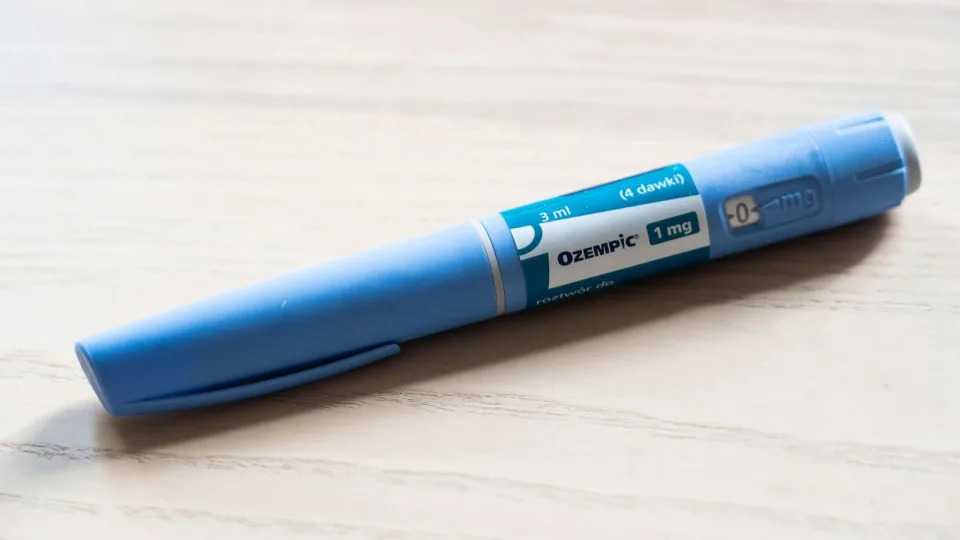
PHOTO: An Ozempic injection pen is seen on a kitchen table, Aug. 6, 2023, in Riga, Latvia. (Arriens/NurPhoto via Getty Images, FILE)
Wegovy, a medication that contains the same main ingredient as Ozempic, semaglutide, is FDA-approved for weight loss.
In November, the FDA approved Zepbound as a weight loss management treatment for people with obesity, or those who are overweight with at least one related underlying condition, such as high blood pressure — the same prescribing guidance as Wegovy. As a diabetes drug, Zepbound is sold under the brand name Mounjaro, as the two medications contain the same active ingredient, tirzepatide.
The medications work by slowing down movement of food through the stomach and curbing appetite, which can lead to weight loss.
Side effects of the drugs can include severe nausea and constipation.
When it comes to “oat-zempic” as a substitution for a medication like Ozempic, Maya Feller, a registered dietitian and nutritionist, said people should not be confused.
“It absolutely does not mimic what Ozempic gives you,” Feller said Monday on ‘GMA.” “This is a drink based in oats, water, a squeeze of lime juice and perhaps a dash of cinnamon. It is not a medication and it does not mimic Ozempic.”
Feller noted that oats have important nutritional benefits, but she said, as a whole, the ingredients in the “oat-zempic” drink do not have all the nutritional benefits of a meal.
Feller said that people should seek the advice of a healthcare provider before starting a meal replacement drink to lose weight.
“If you’re looking for a meal replacement, it needs to be done under clear medical supervision,” she said. “I would not use this because you’re not going to get all the nutrients that your body needs. You’re essentially starving your cells of what they want so they can function optimally. It’s simply not worth it.”
Feller also said she encourages people to think of their “why” when it comes to losing weight and avoid following a crash diet to quickly lose pounds.
“I understand that folks out there really want to engage in weight loss. I get it,” Feller said. “But we have to be thoughtful about how we do it and not go to the extreme.”
We took Ozempic thinking we’d lose weight — we didn’t, and here’s why
Alex Mitchell – April 1, 2024
Turns out drugs like Ozempic may not be the wonder cure many praised them to be for weight loss.
Here’s a sad jab of the truth.
More evidence is coming out that pricey semaglutides like Ozempic and Wegovy — diabetes medications lauded for secondary weight loss capabilities through appetite suppression — aren’t necessarily helping as many people shed pounds as previously thought.
“There was appetite suppression the first 1½ months but it’s kind of just fallen off after that,” Nashville, Tennessee, resident Melissa Traeger, 40, told the Wall Street Journal regarding her lack of success on the medication type, also known as GLP-1s.
At first, the 300-pound Traeger quickly dropped 10 pounds, but the next five came more stagnantly — and then she said no more weight was lost.
Another man, Anthony Esposito, 68, of Austin, Texas, saw no success on either Ozempic or Wegovy, just feelings of sickness while he took them.
“It did not budge the needle,” he said.
Traeger and Esposito are among many frustrated users, according to the Journal, which also cited a trial that showed only about 14% of patients cut more than 5% of bodyweight, while only one-third lost 10% of it.
Another report published on Epic Research saw that 17.7% of semaglutide users regained all of their weight — if not more — upon stopping.
Ozempic apparently isn’t helping as many people as typically thought. Wild Awake – stock.adobe.com
Doctors have also observed many “non-responders” — about 10% to 15% of people who lose 5% or less of their body weight.
“There’s going to be extreme variability in how people respond,” Dr. Eduardo Grunvald, an obesity-medicine physician at UC San Diego Health, told the Journal.
Grunvald added that issues of weight gain may go beyond something in hormones that the drugs imitate to regulate appetite. He also said that peoples’ other medical issues may play a factor, such as how those with Type 2 diabetes typically lose less than those without the disease.
The doctor added that prior exercise and eating habits before starting the drugs are also highly influential factors.
Those who have made healthy lifestyle changes and already lost weight likely don’t get that much added bonus from the medications.
People who have struggled with obesity for a lifetime may additionally have a genetic mutation that prevents the drugs’ potency, according to Dr. Steven Heymsfield of Louisiana State University’s Pennington Biomedical Research Center.
Some patients on drugs like Ozempic aren’t losing weight. myskin – stock.adobe.comDrugs like Ozempic reportedly aren’t showing be-all, end-all impacts on patients’ lives. Natalia – stock.adobe.com
He added that those who can metabolize drugs quickly also might not see much out of them in this case.
Taking other medications as well, especially antipsychotics or antidepressants, can be associated with weight gain as a side effect.
“You could have some other drug interactions that prevent the effect of the GLP-1 drugs from working,” Heymsfield told the Journal.
5 Sneaky Signs You Have Insulin Resistance, According to Dietitians
Allison Knott, MS, RDN, CSSD – April 1, 2024
Some of the symptoms on this list are easy to miss.
Getty Images
Reviewed by Dietitian Emily Lachtrupp, M.S., RD
Four out of 10 adults between the ages of 18 and 44 have an often-overlooked health condition that can lead to type 2 diabetes, according to research published in 2022 in The Journal of Clinical Endocrinology & Metabolism: Insulin resistance.
When you have insulin resistance, your body doesn’t respond effectively to insulin, a hormone that pushes blood glucose into your cells where it can be used for energy, says the National Institute of Diabetes and Digestive and Kidney Diseases (NIDDK). Because of this, the body demands more insulin to help the cells absorb glucose. “This leads to higher levels of both insulin and glucose in the bloodstream,” says Emily Cornelius, RD, a registered dietitian and insulin resistance expert. “Over time, this can lead to various health complications like prediabetes and type 2 diabetes,” she explains.
The catch? Insulin resistance often doesn’t have any signs or symptoms. This can make it difficult to identify before it progresses to prediabetes or type 2 diabetes. But the good news is that insulin resistance can be managed and even reversed when addressed early. That’s why paying attention to the signs of this condition—many of which are sneaky—is so important. Here’s what you need to know.
Changes to the skin are one of the lesser-known signs of insulin resistance. In some people, insulin resistance can lead to the development of skin tags or acanthosis nigricans (dark patches of skin on the neck or under the armpits), both of which are thought to be related to excess insulin production, according to the NIDDK. If you have questions about your skin, talk to a dermatologist.
2. You May Have Gained Weight
Weight gain may be a sign of insulin resistance, particularly if you have excess abdominal fat called visceral fat, according to the Journal of Clinical Medicine in 2019. Weight gain alone puts you at risk for developing insulin resistance, but insulin resistance itself can also lead to weight gain resulting in a cycle that can progress over time. That said, it doesn’t have to be a large amount of weight gain, either. Data in The Journal of Clinical Endocrinology & Metabolism in 2022 found that half of adults with insulin resistance did not have weights that were considered obese.
3. You Experience Brain Fog
Being insulin resistant means that glucose isn’t as readily available to provide energy for cells, including those in the brain. Because of this, you may feel what’s commonly referred to as “brain fog.” Research suggests that people who have insulin resistance may have worse cognitive performance compared to those who don’t have the condition, found a study in Diabetes Research and Clinical Practicein 2020. Insulin resistance may impair important brain processes that affect mental clarity.
4. You’re Always Hungry
Hunger is influenced by a combination of hormones, one being insulin. With insulin resistance, you may experience frequent hunger. Why? Insulin resistance causes high blood sugar, a symptom of which is increased hunger.
Because the cells don’t get the energy they need from glucose, you may also feel fatigued. It’s important to note that many other health conditions can affect energy levels. Be sure to talk to your doctor about persistent fatigue.
How Is Insulin Resistance Diagnosed?
Many of the tests to diagnose insulin resistance are time-consuming and expensive. For this reason, they’re often only used in research studies and not in medical offices, according to the NIDDK. Prediabetes is a condition that is diagnosed, which is done through blood testing like a fasting plasma glucose test or A1C test. The Centers for Disease Control and Prevention points out that having a combination of high blood sugar, high triglycerides, high “bad” LDL cholesterol and low “good” HDL cholesterol can alert you to the fact that you probably have insulin resistance.
Strategies to Improve and Prevent Insulin Resistance
Balance Meals
The foods you eat have a significant effect on blood glucose and can help to stabilize levels throughout the day. “When working on reversing insulin resistance, it’s critical to look at it from a holistic perspective, but the diet plays a foundational role,” says Cornelius. “Eating a balanced diet that includes protein, fat and fiber helps to lessen spikes during meals,” she says.
Focus on Minimally Processed Foods
Many processed foods—fast food, packaged desserts, snack mixes, sodas, chicken nuggets, hot dogs and more—are rich in saturated fat or sugar or both, and are calorically dense, making them easy to overeat, something that can lead to weight gain and the development of visceral fat.
“Prioritizing whole-nutrient dense foods such as fresh fruits, vegetables, whole grains and lean proteins along with controlling portion sizes and consistent and spaced meal timings can help improve insulin sensitivity,” says registered dietitian nutritionist Cari Riker. Eating this way can also help with weight management.
Don’t Fear Carbohydrates
Fiber-rich carbs are the way to go. “Carbohydrates often get a bad reputation when it comes to blood sugar discussions; however, fiber is a type of carb that doesn’t get fully digested and absorbed. So its impact on your blood sugar levels is significantly different than that of added sugars,” says registered dietitian Alyssa Pacheco. Choose high-fiber foods often as part of a balanced diet. Foods like whole grains, beans, vegetables and fruits, nuts and seeds can all contribute to the recommended 25 to 38 grams of daily fiber.
Eat Magnesium-Rich Foods
Foods that are a good source of fiber are also often a good source of magnesium, a nutrient that plays a critical role in glucose metabolism. “Magnesium is another nutrient to make sure you’re getting enough of, since a deficiency can worsen insulin resistance. Good food sources of magnesium include beans, spinach, almonds, pumpkin seeds, cashews and avocados,” says Pacheco.
Fit in Physical Activity
It’s time to get on the move. “Another important strategy is moving your body throughout the day, since it lowers blood sugar,” says Cornelius. Physical activity improves insulin sensitivity, according to the American Diabetes Association, helping to manage or reverse insulin resistance. Find an activity you enjoy and do it regularly to combat insulin resistance.
According to the CDC, no single test can determine if you have insulin resistance. Having health conditions like high blood sugar levels, high LDL (“bad”) cholesterol, low HDL (“good”) cholesterol and high triglycerides may indicate insulin resistance.
What is the main cause of insulin resistance?
A family history of type 2 diabetes, being overweight or having obesity and a sedentary lifestyle can all increase the risk of developing insulin resistance.
How do you fix insulin resistance?
Strategies like increasing activity, weight loss, a healthy diet, improving sleep quality and reducing stress can all help improve insulin resistance.
The Bottom Line
Maintaining a healthy blood sugar range is essential for longevity and the prevention of chronic disease. Regular physical activity and eating a balanced diet can help with preventing insulin resistance, but because many other factors are at play in the development of this condition, it’s equally as important to know the signs and symptoms for early detection. If you suspect you have insulin resistance, reach out to your doctor or registered dietitian to help you develop a plan to manage or reverse it over time.
Gastrointestinal (GI) symptoms affect most people from time to time. The gastrointestinal tract is the body’s digestive system. Common GI symptoms include bloating, indigestion, and heartburn. Other symptoms that may indicate a health problem may include sudden abdominal pain, constant diarrhea, and bloody stool.
This article discusses serious GI symptoms that should never be ignored, their possible causes, and what to do about them.
Kate Wieser / Getty Images
Stomach Cramps
Stomach cramps are a common GI symptom that often feels like a dull, aching pain. The discomfort may be constant or come and go. Common causes of stomach cramps include constipation, gas, diarrhea, a virus, hormonal medication, a menstrual period, pregnancy, and ovulation.
Kidney stones: hard deposits that may become lodged in the urinary tract or ureter
Diverticulitis: occurs when small sacs or pouches in the colon become inflamed and cause pain and cramping
Appendicitis: an inflammation of the appendix that causes significant abdominal pain and cramping
Pancreatitis: an inflammation of the pancreas that causes abdominal pain, cramping, and vomiting
Endometriosis: when endometrial tissue grows outside the uterus and causes significant pain and cramping during the menstrual cycle
Swollen Belly
If you notice a swollen belly, it is likely due to bloating. Common causes of bloating are gas, indigestion, premenstrual syndrome (PMS), IBS, or lactose intolerance, which causes bloating, gas, and diarrhea after ingesting lactose (dairy products).
Serious causes of a swollen belly include:
IBD
Ascites: a buildup of fluid in the abdomen caused by chronic liver disease
Gallstones
Pancreatitis
Ovarian cyst: a fluid-filled sac on or in the ovary that causes abdominal pain and swelling
Bloody vomit indicates bleeding somewhere in your digestive tract. Never ignore bloody vomit because the cause of the bleeding requires treatment. Possible causes of bloody vomit include:
Bleeding ulcer: a sore on the lining of the stomach or small intestine that may bleed and cause vomiting
Chronic pancreatitis: may lead to bleeding in the upper part of the GI tract
Tumor: a tumor in the GI tract may irritate the tissues and cause bleeding
Traumatic injury: an injury to the abdominal area that may lead to internal bleeding (see a healthcare provider immediately if this happens)
Blood in the stool or urine means you are bleeding somewhere in your lower GI or urinary tract. A small amount of bright red blood with straining may indicate hemorrhoids. Serious causes of bloody stool may include:
Anal fissure: a small tear in the lining of the rectum that causes drops of red blood when you wipe after using the bathroom
Diverticulitis: a condition that can lead to diverticular bleeding
Infectious colitis: an infection in the colon that causes inflammation and bleeding
Colon polyps: growths on the lining of the colon and rectum that may become irritated and start bleeding
Colorectal cancer: cancer of the colon or rectum in which cancerous growths may cause bleeding
A small amount of blood in the urine after a procedure on the bladder or urinary tract is common. For example, you may experience a small amount of bleeding after having a catheter. People who menstruate may notice blood in their urine caused by their menstrual period. Serious causes of bloody urine may include:
Sexually transmitted infections (STI): Blood in the urine is a possible sign of chlamydia or gonorrhea
Bladder or kidney cancer: the cancerous growth may cause irritation and bleeding
Sickle cell disease: an inherited red blood cell disorder that causes pain and bleeding
Pain in the Upper Stomach
Pain in the upper area of your stomach may indicate indigestion or heartburn. Sudden upper abdominal pain may indicate a problem with the organs located in that area. The stomach, pancreas, spleen, liver, gallbladder, and bile ducts are in the upper abdomen. Serious causes of upper stomach pain may include:
Splenomegaly: an enlarged spleen may cause upper abdominal pain
Gallstones
Cholecystitis: an inflammation of the gallbladder that often causes nausea and upper abdominal pain
Hepatitis: Inflammation of the liver is usually caused by an infection; one sign of hepatitis is upper abdominal pain
Cancer: cancer of the stomach, pancreas, liver, gallbladder, or bile ducts may cause pain
Lower Right Abdominal Pain
Pain in the lower abdominal area may indicate constipation, diarrhea, or menstrual cramps. If you notice pain localized in the right side of the lower abdomen, it may be your appendix. Lower right quadrant pain could mean inflammation in your appendix (appendicitis). Rarely, it could indicate appendix cancer.
Constantly Feeling Full
Feeling full without eating or after eating only a small amount is not normal. Temporary causes of feeling very full could be eating habits, indigestion, or constipation. More serious causes of constantly feeling full may include:
Gastroparesis: a disorder that causes the stomach to empty slowly
Gastritis: an inflammation of the stomach lining that may cause you to feel full
Pancreatitis
Black Stool
Black stool usually means that there is bleeding in the digestive tract. Certain foods and supplements, such as blueberries or iron supplements, can make stool appear darker. Black stool could mean esophagus, stomach, or small intestine bleeding. It may also mean that you have a bleeding ulcer.
Sudden Pulsing Pain
It is possible to feel a pulsing sensation in the abdomen because of a large blood vessel called the abdominal aorta. You may feel the abdominal aorta pulse when there is more blood flow due to pregnancy, eating, or positioning (lying down). An abdominal aortic aneurysm could cause sudden pulsing pain in the abdomen.
Strong Hunger Pangs
It is normal to feel hunger pangs when you have gone a long time without eating. Hunger is your body’s way of communicating that it is time to eat. Common causes of hunger pangs include hunger, dehydration, and constipation. Serious causes of intense hunger pangs may include:
IBS
Peptic ulcer
Anxiety: causes physical symptoms, including stomach discomfort and intestinal spasms that may feel like hunger pangs
Medications: including antidepressants, antipsychotics, diabetes medications, steroids, and anticonvulsants (seizure medications), which can cause hunger and weight gain
Constant Diarrhea
Most people experience diarrhea or loose stools from time to time. If you have been experiencing constant or chronic diarrhea, see a healthcare provider. The types of diarrhea that may indicate a health problem include:
Watery: may be caused by an infection, food poisoning, or IBS
Inflammatory: occurs when the colon is inflamed from infection, IBD, diverticulitis, or cancer
Bloody: indicates inflammation or colon cancer
Summary
Gastrointestinal symptoms are common and often include heartburn, indigestion, bloating, and cramping. Other GI symptoms are more serious and may indicate a health problem. If you ever experience bleeding with vomiting, urinating, or releasing stool, see a healthcare provider. Seek medical attention if you notice sudden abdominal pain that does not improve.