Are the annual climate summits working? These countries are going to the courts, instead

CNN

Are the annual climate summits working? These countries are going to the courts, instead

Ella Nilsen, CNN – November 29, 2023

Few leaders paint a picture of the climate crisis as vividly as United Nations chief António Guterres. He has accused world leaders of opening “the gates of hell” and said the planet is “heading into uncharted territories of destruction” after deadly heat waves and floods.

“The current fossil fuel free-for-all must end now,” Guterres said last year. “It is a recipe for permanent climate chaos and suffering.”

Yet the UN climate summit, known as COP, is tedious. It is full of jargon, snail-paced developments and painful consensus-building that can be broken by a single country’s veto.

Now some are asking: Is the process even working? Some small island nations — countries that are facing irrevocable change from rising seas — say no.

Over the decades, these painstaking negotiations have worked to prevent several catastrophic degrees of global warming. COP’s biggest win was the Paris Agreement, widely seen as one of the most effective environment treaties, which set a goal to limit global warming to well under 2 degrees Celsius, and preferably to 1.5 — a target that climate scientists, advocates and most countries have since rallied around.

Before those talks, the world was on track for roughly 4 degrees of warming. Countries’ pledges after Paris pushed that to 2.5 to 2.9 degrees, according to recent UN figures.

But the Paris Agreement was voluntary by design, in large part due to the influence of the US, and it relies on a system of collective shaming and competitive ambition in lieu of legal consequences. It contained “very few obligations” for major polluters, said Payam Akhavan, an attorney for the Commission of Small Island States on Climate Change and International Law.

Vanuatu, Tuvalu and Antigua and Barbuda are now asking international courts to issue “advisory opinions” that could fundamentally change future COPs by compelling countries to set legally binding targets to cut climate pollution, rather than voluntary ones.

“The turn toward international litigation is an attempt to put some teeth in the toothless Paris regime, by declaring the 1.5-degree target is a binding target and not discretionary,” Akhavan told CNN.

As world leaders head to Dubai for COP28 this week, this courtroom strategy is raising eyebrows among the United States’ current and former climate negotiators, who say that while diplomacy can be stubborn and slow, it yields progress.

Even fierce climate advocates who agree COP should be more ambitious still believe the summit is a powerful and worthwhile endeavor.

“There is a lot of questioning whether this process will deliver or not,” Ani Dasgupta, president and CEO of international climate nonprofit World Resources Institute, told CNN. “However, I believe COP, or some version of COP, will remain and absolutely is needed. This is the only forum that I know where poor countries actually have a place at the table that is equal, to negotiate with rich countries across a vastly important topic.”

‘Countries move farther when they move together’

COP’s detractors and advocates alike agree it is a crucial annual meeting, but also one that is plodding and technical. An errant word or piece of punctuation can derail negotiations, and it can — and often does — take years for incremental progress to happen.

“I would say it’s necessary, but maybe not sufficient,” said Sue Biniaz, the deputy for US climate envoy and former Secretary of State John Kerry.
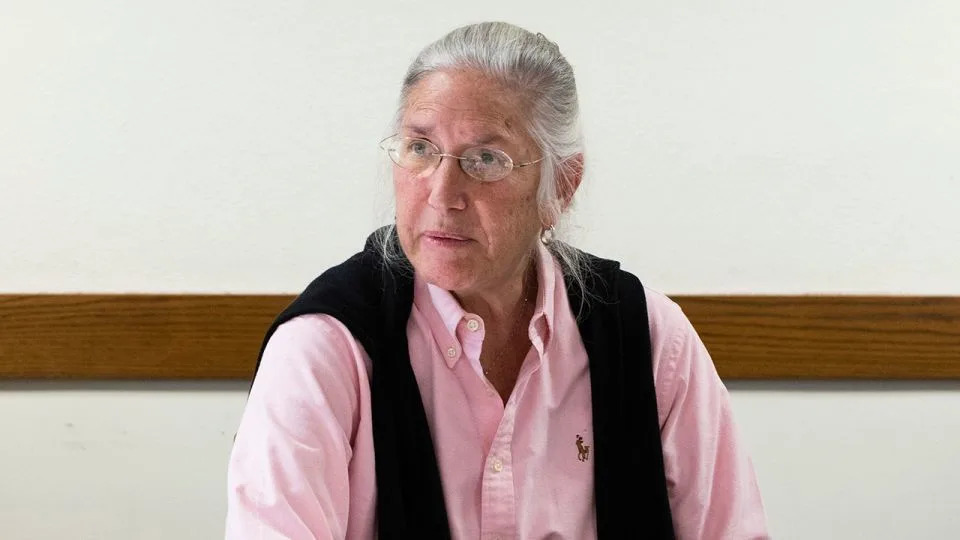
Sue Biniaz, the US deputy climate envoy, at Yale University in New Haven, Connecticut, on October 31, 2022. - Frances F. Denny/The New York Times/Redux
Sue Biniaz, the US deputy climate envoy, at Yale University in New Haven, Connecticut, on October 31, 2022. – Frances F. Denny/The New York Times/Redux

Biniaz has a lot of experience at COPs; she was the United States’ lead climate lawyer for more than two decades and was one of the key authors of the Paris Agreement.

Both Biniaz and other former top US climate negotiators told CNN that although each climate summit is often judged as a singular event, it is more important to look at the year leading up to it.

“It’s necessary because the fact that it meets annually and puts pressure on countries is a good thing, and we’re in a lot better position with the annual COPs and the Paris Agreement than we would have been without it,” Biniaz told CNN. “At the same time, it is really difficult and challenging to get agreement among everyone in the world, particularly when you have geopolitical issues, and some countries may be more motivated to reach agreement than others.”

International politics and the dynamics within countries matter to the success or failure of COP. There is no better recent example of than the shockwave that surged through the summit when former President Donald Trump pulled the US out of the Paris agreement in 2017 — a move President Joe Biden reversed upon taking office.

In this June 2017 photo, President Donald Trump after announcing his intention to abandon the Paris Agreement in the Rose Garden of the White House in Washington, DC. - Doug Mills/The New York Times/Redux
In this June 2017 photo, President Donald Trump after announcing his intention to abandon the Paris Agreement in the Rose Garden of the White House in Washington, DC. – Doug Mills/The New York Times/Redux

Still, former and current US negotiators say climate diplomacy has helped keep the world’s temperature from reaching truly alarming highs.

“If you look at those first assessments coming out of the scientific community back then, we were looking at an incremental temperature gain of about 7 degrees,” said Jonathan Pershing, a former Kerry deputy who now directs the William and Flora Hewlett Foundation’s environment program. “Seven degrees, today, is unimaginable.”

Pershing added that the fact the world’s governments are now racing to keep to below 2 degrees of warming is an “extraordinary transition.”

“The collective endeavor has fundamentally altered the trajectory of greenhouse gas emissions,” Pershing said. “I think countries move farther when they move together.”

The annual summit has also become the most visible rallying point for global climate action, former US climate envoy Todd Stern told CNN. The summits used to largely be a gathering of only government climate negotiators, but each year COP becomes much larger — drawing advocates, businesses (including fossil fuel companies) and think tanks from all corners of the globe.

In this 2009 photo, Todd Stern, US special envoy for climate change, listens to questions during a press conference in the Bella Center in Copenhagen. - Jens Astrup/AFP/Getty Images
In this 2009 photo, Todd Stern, US special envoy for climate change, listens to questions during a press conference in the Bella Center in Copenhagen. – Jens Astrup/AFP/Getty Images

Stern thinks the growing spectacle of COP is a positive force, impossible to ignore even for groups that used to deny climate change’s existence. Even US House Republicans have sent a delegation for the past two years.

“It’s a two-week moment in the course of the year when people around the world — or at least some meaningful subset of people around the world — are paying attention to it,” Stern said. “That needs to keep getting bigger and bigger and bigger because that puts pressure on governments.”

Too little, too slow

Attorneys for the small island nations who are rocking the boat at COP say the proof it isn’t working is in the extreme heat felt around the world this year, and the global records smashed.

The world’s governments are working to hold global temperature rise to 1.5 degrees Celsius — above which scientists say a hotter world with more severe droughts and intense storms will become difficult to adapt to.

But 1.5 degrees is no longer an abstract concept; the world briefly crossed that temperature threshold this summer, though scientists caution it will take several years above that limit to say with confidence it’s been officially exceeded. This summer was a taste of life at this threshold: Wildfires raged across Europe, mighty rivers like the Mississippi and the Amazon fell to new lows, and hot-tub-like ocean water killed coral reefs and rapidly intensified hurricanes and cyclones.

“It’s not as if 1.5 is safe in any way, but we are very much on track to cross it,” said Margaretha Wewerinke-Singh, an international lawyer representing the island nation Vanuatu in climate litigation at the International Court of Justice. “Clearly we need more mitigation ambition to make sure we don’t end up with an unlivable world.”

The potential for an unlivable world weighs heavily on young COP negotiators, who are urging swift action to cut climate pollution.
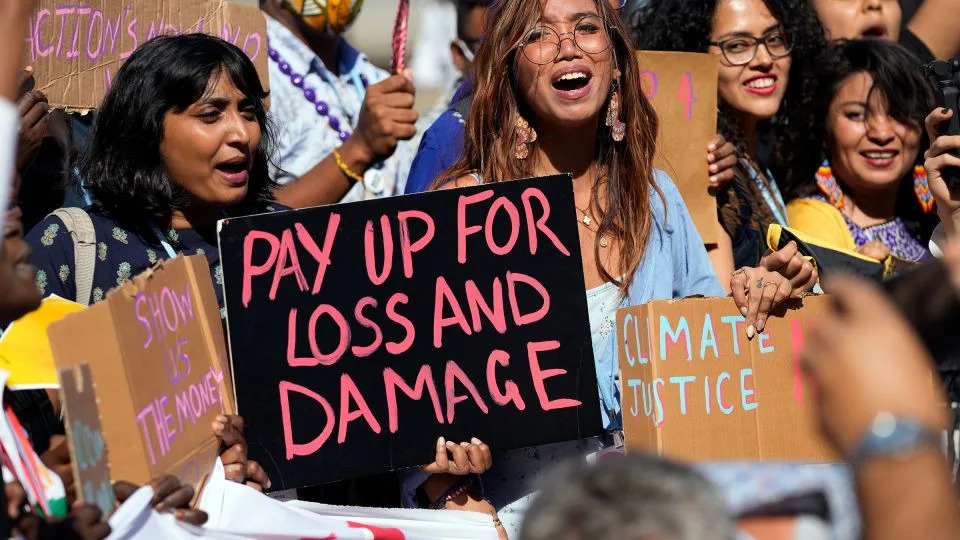
Mitzi Jonelle Tan, of the Philippines, center, participates in a Fridays for Future protest calling for money for climate action at the COP27 in Sharm el-Sheikh, Egypt, in 2022. - Peter Dejong/AP/File
Mitzi Jonelle Tan, of the Philippines, center, participates in a Fridays for Future protest calling for money for climate action at the COP27 in Sharm el-Sheikh, Egypt, in 2022. – Peter Dejong/AP/File

Hailey Campbell, a 25-year-old, Hawaii-based climate adaptation specialist who successfully lobbied for more official youth representation at COP, told CNN it is sometimes disconcerting to spend long hours and days at international summits debating the precise words on climate finance and ramping down fossil fuel use, then return to her Honolulu home and see climate impacts first-hand.

“You go back home and you’re like, ‘sea level rise is still here, [we] still need to do something about it,’” said Campbell, the co-executive director of advocacy group Care About Climate. “If I had to pick just one thing to come out of this year’s COP, it would be language to commit to an equitable phase-out of all fossil fuels.”

Two of the world’s highest courts are expected to weigh in on the small island nations’ cases as soon as next year. While the advisory opinions alone can’t force faster action from countries, it can “inject some urgency, some political will, some vision” into the annual climate talks and protect the “inalienable rights” — the very survival — of these disappearing nations, Wewerinke-Singh said.

“I think that the COP process has failed,” Akhavan said. “But we must make it work because we have no other choice.”

New report reveals 98% of world population experienced alarming trend this summer: ‘Virtually no one on Earth escaped’

The Cool Down

New report reveals 98% of world population experienced alarming trend this summer: ‘Virtually no one on Earth escaped’

Leo Collis – November 27, 2023

A new study by Climate Central has revealed the impact of rising temperatures on the planet in 2023 and the role of humans in exacerbating the problem.

The findings are eye-opening, and they remind us of the role we can all play in mitigating the causes of overheating the planet.

What did the study find?

According to research group Climate Central, a peer-reviewed study summarized by Euronews Green and Reuters found that 98% of the global population witnessed higher than usual temperatures between June and August this year — and these temperatures were twice as likely because of human-caused pollution.

The research examined global heat events and used modeling to remove the influence of pollution to determine the possible high temperatures without the influence of humans.

Data from 180 countries and 22 territories helped to estimate that 6.2 billion people experienced at least one day of high average temperatures that would have been difficult to achieve without the effects of carbon pollution. Those temperatures were five times more likely because of human impact.

“Virtually no one on Earth escaped the influence of global warming during the past three months,” Climate Central’s vice president for science Andrew Pershing told Euronews Green and Reuters.

The study found that July was the hottest month on Earth since records began, while August saw a 2.7 degrees Fahrenheit higher average temperature compared to the same month before the prevalence of industrial activity.

Why is this so concerning?

“In every country we could analyze, including the Southern Hemisphere, where this is the coolest time of year, we saw temperatures that would be difficult — and in some cases nearly impossible — without human-caused climate change,” Pershing said.

It’s a worrying statement, especially considering the devastating heat waves and wildfires in the United States and southern Europe in 2023.

When looking at isolated heat waves, climate scientist Friederike Otto from the Grantham Institute for Climate Change and the Environment noted that these events were made “infinitely more likely” by the overheating of the planet, reported Euronews Green.

What can we do to mitigate human climate impact?

The study consistently points to human-caused pollution as the driver of these worrying heat trends.

With that in mind, reducing the harmful gases we release into the atmosphere is crucial to prevent further shocking temperature rises.

Making lifestyle alterations such as walking, biking, or using public transport to travel instead of using dirty fuel–powered vehicles is a great start.

Cutting down on meat in your weekly diet can also benefit the planet, as agriculture relating to the beef, pork, and chicken supply chain significantly contributes to global pollution and deforestation, according to the Organisation for Economic Co-operation and Development.

Since 98% of the global population experienced increased temperatures in 2023, it’s beneficial to everyone to prevent the causes of this phenomenon.

Join our free newsletter for cool news and cool tips that make it easy to help yourself while helping the planet.

Arizona is building the first solar canal in the US. What are they and how do they work?

Euro News

Arizona is building the first solar canal in the US. What are they and how do they work?

Euronews Green – November 27, 2023

Arizona is building the first solar canal in the US. What are they and how do they work?

The first solar-covered canal in America is set to be completed within a couple of years.

Arizona is getting the pioneering renewable project after a historic agreement between leaders of the Gila River Indian Community and the US Army Corps of Engineers earlier this month.

The panels will supply clean energy while also helping to reduce water evaporation in the arid state, which is currently experiencing drought conditions.

“This is the type of creative thinking that can help move all of us toward a more sustainable future,” said Tom Buschatzke, director of the Arizona Department of Water Resources (ADWR).

“Leveraging existing infrastructure such as the Level Top Canal to help provide sustainable, dependable energy – and to do so as part of cooperative partnership like this one – constitutes a win all around.”

Is the Arizona solar canal project a US first?

The southwestern state of Arizona isn’t the only one eyeing up the solar technology.

A similar project has been in the works in California for years, but is reportedly still in the planning stages. This puts the Arizona project, with its budget of $6.74 million (€6,165 million), on the verge of being a US-first.

It takes inspiration from the Canal Solar Power Project in Gujarat, India, which launched in 2012. This was an early example of solar over canal success, though SunEdison, the company overseeing the project, filed for bankruptcy in 2016, their ambitions not fully realised.

If rolled out effectively, experts say there is huge potential for both energy and water saving.

Writing about the California plans in The Conversation, engineering Professor Roger Bales, estimated that, “Covering all 4,000 miles [6,437 kilometres] of California’s canals with solar panels would save more than 65 billion gallons of water annually by reducing evaporation.”

How will the Arizona solar canal technology work?

Solar photovoltaic shades will first be installed along a 305 metre stretch of the 1-10 Level Top canal.

Facing upwards, they catch the abundant sunlight in Arizona while acting as a barrier to limit the amount of water evaporating in the desert heat.

The water below the panels also helps to cool the panels down, and so keep them operating at a more efficient temperature.

Phase one of the project is expected to produce around 1 MW of renewable energy which will benefit the tribal farmers.

What does the US army and tribal deal involve?

Gila River Indian Community (GRIC) Governor Stephen Roe Lewis sat under the Arizona sun to sign the deal with the US Army Corps of Engineers on 9 November.

The ‘Project Partnership Agreement’ (PPA) he signed is a legally binding agreement between the federal government and a non-Federal sponsor – here a Native American Tribe. PPAs typically involve the construction of a water resources project, and they lay out the shared responsibilities of the parties regarding costs and workload.

An advocate for renewable and green technologies, Governor Lewis oversees the implementation of the Community’s Water Settlement of 2004 (at that time the largest water settlement of its kind in US history).

The GRIC people trace their history to circa 300 BC, when the Huhugam people constructed some 500 miles of large canals from the Gila River to water their farmland.

The #1 Whole Grain to Eat to Help Decrease Inflammation, According to a Dietitian

Eating Well

The #1 Whole Grain to Eat to Help Decrease Inflammation, According to a Dietitian

Deborah Murphy, M.S., RDN – November 25, 2023

It’s nutty, chewy and tasty for breakfast, lunch or dinner.

<p>PHOTOGRAPHER: GREG DUPREE, FOOD STYLIST: MARTGARET DICKEY PROP STYLIST: KAY CLARKE</p>
PHOTOGRAPHER: GREG DUPREE, FOOD STYLIST: MARTGARET DICKEY PROP STYLIST: KAY CLARKE

Reviewed by Dietitian Emily Lachtrupp, M.S., RD

Inflammation has long been Enemy No. 1 when it comes to your health. It’s not all bad, though. After all, inflammation promotes healing during injury or infection. After a few hours to several days, it subsides when you’re all better. However, an inflammatory response that lingers and becomes chronic can put you at increased risk for heart disease, type 2 diabetes and cancer, among other conditions.

Related: The Best Foods to Eat to Fight Inflammation

Luckily, lifestyle changes and healthy eating habits can often keep chronic inflammation in check. Adopting an anti-inflammatory diet can help. This style of eating is similar to the popular Mediterranean diet, since both emphasize anti-inflammatory foods like fruits, vegetables and whole grains.

And speaking of whole grains, these foods are top inflammation fighters. They’re all good to have on your plate, but one earns our top pick for a top anti-inflammatory grain.

How Whole Grains Help Fight Inflammation

Whole grains have a reputation as a healthy food—and for good reason. “Whole grains are part of a balanced diet and are known for their role in reducing the risk of chronic diseases like heart disease, diabetes and even some forms of cancer,” says Seattle-based registered dietitian nutritionist, Ginger Hultin, M.S., RDN, owner of Ginger Hultin Nutrition and author of Anti-Inflammatory Diet Meal Prep. “A lot of people don’t realize that whole grains can help lower chronic inflammation levels in the body,” she adds.

A 2022 study published in JAMA Network Open, analyzed data collected from over 4,000 adults and compared whether the source of dietary fiber (cereals, fruits, vegetables) made a difference on markers of inflammation. Cereal fiber from whole grains was linked to significantly lower markers of inflammation than fiber from either fruits or vegetables.

“The reason [whole grains] play a role in managing systemic inflammation is because they are rich in fiber, which aids both in detoxification and maintaining a healthy gut microbiome, a critical component for a robust immune system and controlling inflammation,” Hultin explains. When beneficial bacteria in the gut ferment whole-grain fiber, they produce compounds, such as short-chain fatty acids, that may help reduce inflammation, per a 2020 review in Nutrition Reviews.

The No. 1 Whole Grain for Decreasing Inflammation

Picking just one whole grain for decreasing inflammation was difficult since they all have so much to offer. In the end, farro (aka emmer) was our top whole-grain pick. Here’s why.

Packed with Fiber

As previously mentioned, the fiber in whole grains is part of the reason they have so many anti-inflammatory benefits. When choosing a whole grain to boost your fiber intake, farro is an excellent choice. Just 1/4 cup uncooked farro (about ½ cup cooked) provides 5 grams of fiber, according to the USDA. It’s recommended you aim for 28 to 34 grams of fiber per day, making farro a good source of the nutrient.

Rich in Antioxidants

Farro contains a variety of antioxidants. These are beneficial compounds in foods that can prevent damage caused by free radicals. Although free radicals are produced naturally in the body, if left unchecked they can contribute to chronic inflammation. Farro contains antioxidants like carotenoids, as well as tocotrienols. Carotenoids are yellow, orange and red pigments typically found in veggies like carrots and bell peppers, notes the Linus Pauling Institute at Oregon State University. Tocotrienols are compounds in the vitamin E family with antioxidant and anti-inflammatory properties, per a 2021 review from the Institute of Human Nutrition Sciences.

Contains Inflammation-Battling Betaine

Our body naturally produces the compound betaine when it metabolizes the nutrient choline, but betaine can also be found in certain foods like beets, spinach and whole grains, according to a 2023 study in BMC Endocrine Disorders. And, you guessed it—farro contains the compound betaine, according to a 2018 article in the Journal of Cereal Science. As noted in a 2023 article in Molecules, there is new interest in betaine as a possible ingredient with anti-inflammatory benefits.

A Versatile Grain

Unlike oats, which are generally reserved for breakfast, farro can be used in a variety of dishes from porridge to soups and salads. If oatmeal is your go-to breakfast, try this Slow-Cooker Overnight Farro Porridge. Add tons of fiber to soup by incorporating farro like we did in this Slow-Cooker Italian Vegetable & Farro Soup. Use farro as a stand-in for rice in risotto in this Farro Risotto with Mushrooms & Greens.

Bottom Line

Even though inflammation is a normal and important part of our body’s natural defense system, chronic inflammation puts you at risk for a bevy of health conditions. Luckily, incorporating anti-inflammatory foods like fruits, vegetables and whole grains into your diet can help tame chronic inflammation. Our top whole-grain pick for inflammation is farro, since it’s packed with fiber and antioxidants while also being a versatile pantry staple.

Sir David Attenborough makes bold statement about the future of humanity: ‘This needs to be shared as much as possible’

The Cool Down

Sir David Attenborough makes bold statement about the future of humanity: ‘This needs to be shared as much as possible’

Erin Feiger – November 15, 2023

The voice of “Planet Earth” has spoken, and it brings a dire warning and a plea.

Sir David Attenborough, British biologist, natural historian, and narrator of the beloved television series “Planet Earth,” among many other things, spoke about the state of the planet.

The video was shared to X, formerly known as Twitter, and is just over a minute long, yet carries a warning spanning millions of years.

“‘Please make no mistake. Climate change is the biggest threat to global security that modern humans have ever faced.’ Sir David Attenborough,” reads the caption above the video.

The Attenborough quote — which is spoken at the end of the video — is then followed by words from the poster: “No time to wait. #ActOnClimate.”

As for the video itself, Attenborough explains that due to increased warming, “Our atmosphere now contains concentrations of carbon dioxide that have not been equaled for millions of years.”

He continues to say that we are close to reaching tipping points that, once passed, will send global temperatures spiraling.

“If we continue on our current path,” he warns, “We will face the collapse of everything that gives us our security. Food production, access to fresh water, habitable ambient temperatures, and ocean food chains, and if the natural world can no longer support the most basic of our needs, then much of the rest of civilization will quickly break down.” 

His warning is not unfounded either, as there are more and more examples of ocean food chains at risk, dangerous extreme temperatures, decreasing water access, and loss of essential ecosystems like glaciers.

While the video and the warning came with the usual level of naysaying and denial, many viewers seemed to hear the message loud and clear.

“The feeling of shouting into a void,” lamented one viewer. “He’s absolutely correct, but no one is listening.”

“This needs to be shared as much as possible,” said another. “Humanity has to realize, we are all in trouble…earth is home to all of us.”

Paper: Invasive Asian Ticks Kill Cattle in Ohio

Field & Stream

Paper: Invasive Asian Ticks Kill Cattle in Ohio

Travis Hall – November 15, 2023

Ticks on a lent roller.
One of the cows reportedly suffered as many as 10,000 tick bites.

Asian longhorned ticks (ALTs) have been spreading across the Eastern and Midwestern U.S. since at least 2017, according to the Center for Disease Prevention (CDC), and the pests’ numbers are now on the rise in Ohio—a recent study from the Ohio State University reveals. According to the study’s authors, 9,287 invasive ticks were removed from a farm in eastern Ohio in the summer of 2021 after three cattle were reported dead from tick bites by the landowner.

During the study—lead-authored by Ohio State Assistant Professor of Veterinary Preventive Medicine Risa Pesapane—scientists continued to monitor the invasive tick population after most of the pests were killed off with pesticides. They found that the Asian longhorn ticks returned to the pasture and continued to spread in June 2022, despite the tick control efforts undertaken in 2021.

“You cannot spray your way out of an Asian longhorned tick infestation,” Pesapane said in a Nov. 3 news release. “They are going to spread to pretty much every part of Ohio and they are going to be a long-term management problem. There is no getting rid of them.”

Pesapane said that the cattle killed during the 2021 ALT infestation in eastern Ohio sustained thousands of tick bites. “One of those was a healthy male bull, about 5 years old,” she said in the press release. “Enormous. To have been taken down by exsanguination by ticks, you can imagine that was tens of thousands of ticks on one animal.” The term “exsanguination” refers to the action of draining a person, animal, or organ of the blood needed to sustain life.

On its website, the CDC says that ALTs, native to east Asia, have spread to 19 U.S. states since they were first reported in New Jersey in 2017. The list includes Arkansas, Connecticut, Delaware, Georgia, Indiana, Kentucky, Maryland, Massachusetts, Missouri, New Jersey, New York, North Carolina, Ohio, Pennsylvania, Rhode Island, South Carolina, Tennessee, Virginia, and West Virginia.

According to Pesapane, the invasive tick’s rapid spread lies in its ability to reproduce asexually, without mating. “There are no other ticks in North America that do that. So they can just march on, with exponential growth, without any limitation of having to find a mate,” Pesapane said. “Where the habitat is ideal, and anecdotally it seems that un-mowed pastures are an ideal location, there’s little stopping them from generating these huge numbers.”

Read Next: Is Whitetail Deer Blood the Key to Fighting Lyme Disease in Humans?

The CDC is urging anyone who finds an Asian longhorn tick on a person, pet, or on livestock, to remove the pest as quickly as possible. “Save the tick in rubbing alcohol in a jar or a ziplock bag,” the agency advises, “then contact your health department about steps you can take to prevent tick bites and tickborne diseases.

U.S. and China reach a deal on fighting climate change. Here’s what it means.

Yahoo! News

U.S. and China reach a deal on fighting climate change. Here’s what it means.

Ben Adler, Senior Editor – November 15, 2023

John Kerry shakes hands with Xie Zhenhua in front of U.S. and Chinese flags.
U.S. Special Presidential Envoy for Climate John Kerry shakes hands with his Chinese counterpart Xie Zhenhua before a meeting in Beijing, China, July 17. (Valerie Volcovici/Reuters) (REUTERS)

The United States and China may be at odds over everything from the Russia-Ukraine war to the status of Taiwan, but the world’s two largest economies just showed they can still work together on climate change.

The two superpowers jointly announced on Wednesday that they’ve agreed to a deal to rapidly increase the share of energy that comes from renewable sources and to reduce greenhouse gas emissions that cause global warming.

What’s in the deal

The key new components are:

  • Committing to helping the world triple renewable energy capacity by 2030.
  • Reducing power sector emissions by the end of the decade.
  • Reducing future emissions of methane, a powerful greenhouse gas.
  • Halting deforestation by 2030.
The timing
Rows of solar panels in a field against a cloudy sky.
Bifacial photovoltaic solar panels at the Roadrunner solar plant, owned and operated by Enel Green Power, near McCamey, Texas, Nov. 10. (Jordan Vonderhaar/Bloomberg via Getty Images) (Bloomberg via Getty Images)
  • The deal comes as scientists express growing alarm over the quickly escalating increases in warming and effects witnessed throughout the year, such as more extreme heat waves, wildfires and storms.
  • October was just the world’s fifth consecutive month of record-high global average temperatures.
  • The U.S. National Climate Assessment released Tuesday finds climate change is now affecting every region of the country, with growing health and economic costs.
  • The next round of U.N. climate negotiations, called COP28, is set to begin on Nov. 30 in Dubai. More than 60 countries, including the U.S., have recently called for the agreement produced there to include the tripling of renewable energy goals. The G20 also embraced that target in September.

Recommended reading

What it means for climate change
A full moon hovers near the horizon against a blue sky behind a wind farm with several dozen windmills visible in a mountainous area.
The full moon sets behind a wind farm in the Mojave Desert in California, Jan. 8, 2004. (Toby Melville/Reuters) (REUTERS)
  • Experts are hailing Wednesday’s announcement as a welcome sign.
  • “It’s very promising to see the U.S. and China diplomatically engaging on climate change again, after the broader challenges in the relationship sort of brought that to a halt,” Pete Ogden, vice president for climate and environment at the United Nations Foundation, told Yahoo News. “To see that re-energized going into the COP is encouraging and hopefully something they can build on.”
  • But while the potential impact is huge, other experts note that the actual emissions reductions from this agreement is unclear.
  • “Since China’s power sector emissions are so large, any decline this decade could avoid a lot of emissions,” Jake Schmidt, senior strategic director for international climate at the Natural Resources Defense Council, told Yahoo News.

‘Devastating toll’ of climate change now impacting ‘all regions’ of the U.S., Biden says

Yahoo! News

‘Devastating toll’ of climate change now impacting ‘all regions’ of the U.S., Biden says

The federal government’s fifth National Climate Assessment, released Tuesday, details how climate change is affecting every corner of the country.

Ben Adler, Senior Editor – November 14, 2023

Every region of the United States is now seeing rapid warming due to climate change, according to the federal government’s fifth National Climate Assessment, which was released Tuesday.

“I’ve seen firsthand what the report makes clear: the devastating toll of climate change. And its existential threat to all of us,” President Biden said from the White House Tuesday morning. “I’ve walked the streets of Louisiana, New Jersey, New York, Florida, Puerto Rico, where historic floods and hurricanes wiped out homes, hospitals, houses of worship.”

“This assessment shows us in clear scientific terms that climate change is impacting all regions, all sectors of the United States — not just some, all,” he added.

The report lays out in stark detail how climate change is already harming communities nationwide.

“Climate change is finally moving from an abstract future issue to a present, concrete, relevant issue. It’s happening right now,” the report’s lead author, Katharine Hayhoe, chief scientist at the Nature Conservancy and a professor at Texas Tech University, said in a statement.

Here are the key takeaways from the assessment.

Everyone is feeling the heat
National Park Service Rangers pose for a photo next to a sign showing a temperature of 132 degrees.
National Park Service Rangers Gia Ponce (left) and Christina Caparelli are photographed by Ranger Nicole Bernard next to a digital display of an unofficial heat reading at Furnace Creek Visitor Center in Death Valley National Park in Death Valley, Calif., on July 16. (Ronda Churchill / AFP via Getty Images) (AFP via Getty Images)

This year is on pace to be the warmest on record globally, and in the U.S., the heat is being felt nationwide, according to the report, which the federal government is required by law to produce every five years:

  • Every single region has higher average temperatures today than it did between 1951 and 1980.
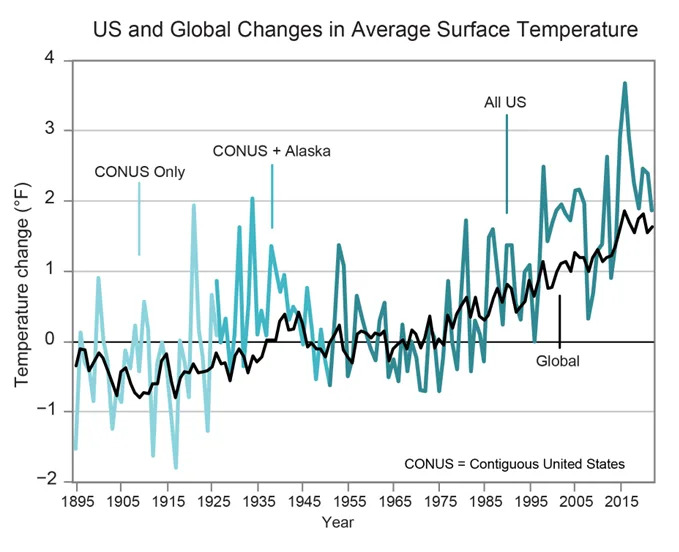
  • The U.S. is warming faster than most of the world. Since 1970, the Lower 48 states have warmed by 2.5 degrees Fahrenheit, and Alaska by 4.2 degrees Fahrenheit, compared with the global average temperature rise of 1.7 degrees Fahrenheit.
  • Phoenix set a record this year with 54 days of high temperatures of 110 degrees Fahrenheit or greater, including 31 straight days over 110.
  • In Alaska, melting glaciers, thawing permafrost and disappearing sea ice are destroying the hunting and fishing-dependent economy. Some Indigenous communities may need to be relocated to flee rising sea levels.
  • Since warming is happening faster at higher latitudes, the report projects that the U.S. will warm about 40% more than the global average in the future.

Recommended reading

CBS News: 2023 ‘virtually certain’ to be warmest year recorded, climate agency says

South Florida Sun-Sentinel: Hot nights in South Florida: Nighttime low temperature set record high this weekend

‘Heavy precipitation events are increasing’
Vehicles make their way through floodwater.
Vehicles make their way through floodwater in Brooklyn, N.Y., on Sept. 29. (Ed Jones / AFP via Getty Images) (AFP via Getty Images)

Warmer air holds more moisture, so climate change is throwing the water cycle out of whack, researchers say. Since 2000, the western half of the country has endured a two-decade megadrought that has threatened freshwater supplies for millions of people.

But while annual rainfall has decreased in much of that region, the entire country has seen an increase in heavy precipitation events. As a result, this year saw a series of sometimes deadly flash floods from California to Vermont.

Hurricanes, which draw power from warm ocean waters, are also increasingly powerful, thanks in part to hotter ocean temperatures. (In July, the all-time record-high ocean temperature was set at 101.1 degrees Fahrenheit off of Florida’s Gulf Coast.)

‘More severe wildfires’
Burned trees in a forest.
Burned trees from recent wildfires stand in a forest in Fort Chipewyan, Alberta, Canada, on Sept. 3. The United States has been inundated with wildfire smoke from Canada this year. (Victor R. Caivano/AP Photo) (ASSOCIATED PRESS)

Warmer temperatures and dried-out vegetation from drought lead to more frequent and severe wildfires. Wildfires and the smoke they create have been an increasingly prevalent and severe problem in the West in recent years, but this summer the Northeast and Midwest were also at times enveloped in thick smoke from Canada’s record-setting wildfire season.

An economic toll

The report notes a sharp rise in the number of billion-dollar disasters in the U.S., with one occurring every three weeks since 2018. In the 1980s, the country experienced a billion-dollar weather disaster once every four months, according to the assessment.

“Extreme events cost the U.S. close to $150 billion each year — a conservative estimate that does not account for loss of life, health care-related costs or damages to ecosystem services,” the report stated.

Growing threats

The report also identifies frequent flooding due to sea-level rise and more powerful storms as a threat to low-lying regions across the country. Health risks, such as food and water contamination, increased air pollution from smoke, dust and pollen are also expected to worsen.

“Climate change threatens vital infrastructure that moves people and goods, powers homes and businesses, and delivers public services,” the report states.

The U.S. has begun to combat climate change
President Joe Biden delivers remarks beneath signage that reads: Historic Climate Action.
President Joe Biden delivers remarks on his administration’s actions to address the climate crisis in the South Court Auditorium of the White House on Tuesday. (Saul Loeb/AFP via Getty Images) (AFP via Getty Images)

The report also notes that U.S. greenhouse gas emissions dropped 12% between 2005 and 2019 thanks to the adoption of renewable energy sources like wind and solar energy.

The Biden administration has attempted to build on this progress through regulatory measures, like stiff new fuel efficiency standards for cars and trucks. And Congress approved $369 billion for investments in clean energy and electric vehicles in the Inflation Reduction Act. But those measures are only projected to cut emissions by 40% by 2030, not the 50% Biden has pledged to the international community.

A need to adapt, and to act

States and cities across the country have begun retrofitting infrastructure to meet the challenges of climate change, and measures such as enhanced storm drain capacity and improved forest management have increased in every region since the last assessment in 2018, according to the assessment.

But the report finds that faster, more ambitious adaptation investments are needed to minimize the still-growing costs of climate change.

No place in the US is safe from the climate crisis, but a new report shows where it’s most severe

CNN

No place in the US is safe from the climate crisis, but a new report shows where it’s most severe

Ella Nilsen – November 14, 2023

The effects of a rapidly warming climate are being felt in every corner of the US and will worsen over the next 10 years with continued fossil fuel use , according to a stark new report from federal agencies.

The Fifth National Climate Assessment, a congressionally mandated report due roughly every five years, warned that even though planet-warming pollution in the US is slowly decreasing, it is not happening nearly fast enough to meet the nation’s targets, nor is it in line with the UN-sanctioned goal to limit global warming to 1.5 degrees Celsius – a threshold beyond which scientists warn life on Earth will struggle to cope.

This year’s assessment reflects the reality that Americans can increasingly see and feel climate impacts in their own communities, said Katharine Hayhoe, a distinguished climate scientist at Texas Tech University and contributor to the report.

“Climate change is affecting every aspect of our lives,” Hayhoe told CNN.

Some of the report’s sweeping conclusions remain painfully familiar: No part of the US is truly safe from climate disasters; slashing fossil fuel use is critical to limit the consequences, but we’re not doing it fast enough; and every fraction of a degree of warming leads to more intense impacts.

But there are some important new additions: Scientists can now say with more confidence when the climate crisis has made rainstorms, hurricanes and wildfires stronger or more frequent, long-term drought more severe and heat more deadly.

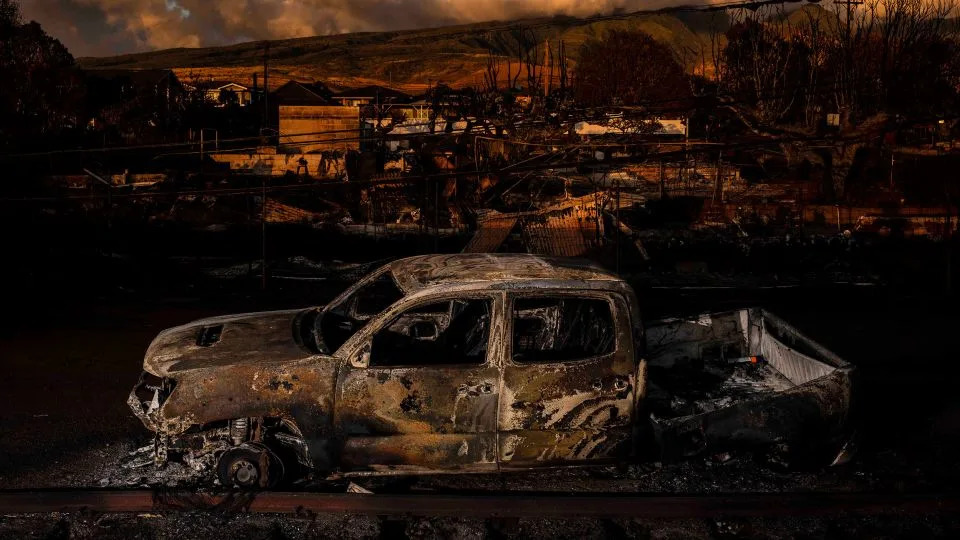
The remains of a vehicle in a burned neighborhood after wildfires in Lahaina in Maui, Hawaii, on August 18. - Bryan Anselm/New Jersey State Council for the Arts Fellowship/Redux
The remains of a vehicle in a burned neighborhood after wildfires in Lahaina in Maui, Hawaii, on August 18. – Bryan Anselm/New Jersey State Council for the Arts Fellowship/Redux

This summer alone, the Phoenix area baked through a record 31 consecutive days above 110 degrees, a shocking heatwave that was partly responsible for more than 500 heat-related deaths in Maricopa County in 2023 – its deadliest year for heat on record.

In July, a torrential rainstorm deluged parts of Vermont in deadly floodwaters. Then in August, Maui was devastated by a fast-moving wildfire and Florida’s Gulf Coast was slammed by its second major hurricane in two years.

President Joe Biden will deliver remarks on Tuesday and is expected to unveil more than $6 billion in funding to strengthen climate resilience “by bolstering America’s electric grid, investing in water infrastructure upgrades, reducing flood risk to communities, and advancing environmental justice for all,” an administration official said.

The US needs “a transformation of the global economy on a size and scale that’s never occurred in human history” to “create a livable future for ourselves and our children,” White House senior climate adviser John Podesta told reporters.

Here are five significant takeaways from the federal government’s sweeping climate report.

It’s easier to pinpoint which disasters were made worse by climate change

The latest report contains an important advancement in what’s called “attribution science” – scientists can more definitively show how climate change is affecting extreme events, like heatwaves, droughts to hurricanes and severe rainstorms.

Climate change doesn’t cause things like hurricanes or wildfires, but it can make them more intense or more frequent.

For instance, warmer oceans and air temperatures mean hurricanes are getting stronger faster and dumping more rainfall when they slam ashore. And hotter and drier conditions from climate change can help vegetation and trees become tinderboxes, turning wildfires into megafires that spin out of control.

“Now thanks to the field of attribution, we can make specific statements,” Hayhoe said, saying attribution can help pinpoint certain areas of a city that are now more likely to flood due to the effects of climate change. “The field of attribution has advanced significantly over the last five years, and that really helps people connect the dots.”

All regions are feeling climate change, but some more severely

There is no place immune from climate change, Biden administration officials and the report’s scientists emphasized, and this summer’s extreme weather was a deadly reminder.

Some states – including California, Florida, Louisiana and Texas – are facing more significant storms and extreme swings in precipitation.

Landlocked states won’t have to adapt to sea level rise, though some – including Appalachian states like Kentucky and West Virginia – have seen devastating flooding from rainstorms.

And states in the north are grappling with an increase in tick-borne diseases, less snow, and stronger rainstorms.

“There is no place that is not at risk, but there are some that are more or less at risk,” Hayhoe told CNN. “That is a factor of both the increasingly frequent and severe weather and climate extremes you’re exposed to, as well as how prepared (cities and states) are.”

Climate change is exacting a massive economic toll

Climate shocks on the economy are happening more frequently, the report said, evidenced by the new record this year for the number of extreme weather disasters costing at least $1 billion. And disaster experts have spent the last year warning the US is only beginning to see the economic fallout of the climate crisis.

Climate risks are hitting the housing market in the form of skyrocketing homeowners’ insurance rates. Some insurers have pulled out of high-risk states altogether.

Stronger storms wiping out certain crops or extreme heat killing livestock can send food prices soaring. And in the Southwest, the report’s researchers found that hotter temperatures in the future could lead to a 25% loss of physical work capacity for agricultural workers from July to September.

The US is cutting planet-warming pollution, but not nearly fast enough

Unlike the world’s other top polluters – China and India – planet-warming pollution in the US is declining. But it’s not happening nearly fast enough to stabilize the planet’s warming or meet the United States’ international climate commitments, the report explains.

The country’s annual greenhouse gas emissions fell 12% between 2005 and 2019, driven in large part by the electricity sector moving away from coal and toward renewable energy and methane gas, the latter of which is still a fossil fuel that has a significant global warming effect.

The decline is good news for the climate crisis, but look at the fine print and the picture is mixed.

The report finds US planet-warming emissions “remain substantial” and would have to sharply decline by 6% annually on average to be in line with the international 1.5-degree goal. To put that cut into perspective, US emissions decreased by less than 1% per year between 2005 and 2019 – a tiny annual drop.

Water – too much and not enough – is a huge problem for the US

One of the report’s biggest takeaways centers on the precarious future of water in the US, and how parts of the country are facing a future with either extreme drought and water insecurity, or more flooding and sea level rise.

Drought and less snowpack are huge threats to Southwest communities in particular. The report’s Southwest chapter, led by Arizona State University climate scientist Dave White, found the region was significantly drier from 1991 to 2020 than the three decades before.

White said that’s an ominous sign as the planet continues to warm, with significant threats to snowpack in California’s Sierra Nevada mountains and the Rockies – both of which provide crucial freshwater in the West.

White added that a lack of freshwater in the region also has significant economic and agricultural impacts, as it supports cities, farms, and Native American tribes.

“Mountains are our natural reservoirs in the region,” White told CNN. “Climate impacts on that mountain snowpack have really significant negative effects for the way our infrastructure operates. It’s just critical for us to protect those resources.”

CNN’s Donald Judd contributed to this report.

Who’s to blame for climate change? Scientists don’t hold back in new federal report.

USA Today

Who’s to blame for climate change? Scientists don’t hold back in new federal report.

Dinah Voyles Pulver and Doyle Rice – November 14, 2023 President Joe Biden slams 'MAGA Republican leaders,' claims they deny climate change

Climate change is here and prompting unprecedented actions in every state to curb the greenhouse gas emissions fueling warming temperatures, but a new federal report out Tuesday says bigger, bolder steps are needed.

After several years of work by more than 500 authors from every state, Puerto Rico, the Virgin Islands, and Guam, the White House released the massive Fifth National Climate Assessment.

In remarks Tuesday morning, President Joe Biden announced more than $6 billion to bolster the electric grid, update water infrastructure, reduce flooding, and advance environmental justice.

“This assessment shows us in clear scientific terms, that climate change is impacting all regions, all sectors of the United States,” Biden said. “We’ve come to the point where it’s foolish for anyone to deny the impacts of climate change anymore.”

The assessment includes more evidence than ever before to demonstrate the cause and effects of the changing climate, said L. Ruby Leung, one of its authors. It also breaks from previous reports by saying unequivocally that humans are responsible for changes to Earth’s climate.

“It’s important for us to recognize that how much climate change we will be experiencing in the future depends on the choices that we make now,” said Leung, a climate scientist at the Pacific Northwest National Laboratory and lead author on the earth sciences chapter.

All of the impacts people are feeling, like sea level rise and extreme weather events, she said “are tied to the global warming level, to how warm the earth becomes,” Leung said. “And that depends very much on the level of CO2 concentration in the atmosphere.”

In other news, the United Nations released its latest analysis of national climate plans on Tuesday morning and found them “strikingly misaligned” with science. “The chasm between need and action is more menacing than ever,” said Secretary-General António Guterres. “It’s time for a climate ambition supernova in every country, city and sector.”

The impacts of climate change are felt in every corner of the country, the latest National Climate Assessment finds
What is the 2023 National Climate Assessment?

The massive assessment describes the climate and economic impacts Americans will see if further action is not taken to address climate change. The report, issued roughly every four years, was mandated by Congress in the late 1980s and is meant as a reference for the president, Congress, and the public.

“Too many people still think of climate change as an issue that’s distanced from us in space or time or relevance,” said Katharine Hayhoe, an author of the report and chief scientist at The Nature Conservancy.

The assessment “clearly explains how climate change is affecting us here in the places where we live, both now and in the future and across every sector of human and natural society,” Hayhoe said. It also shows that “the risks matter and so do our choices.”

Climate Nexus, a nonprofit communications organization, said the new report is “essential reading,” because it highlights the seriousness of current impacts and shows the existing pace of adaptation isn’t enough to keep pace with future climate changes.

“Without deeper cuts in global net greenhouse gas emissions and accelerated adaptation efforts, severe climate risks to the United States will continue to grow,” the report states. “Each additional increment of warming is expected to lead to more damage and greater economic losses.”

However, greater reductions in carbon emissions could reduce the risks and impacts, and have immediate health and economic benefits, the report states.

Another heat record? Earth is historically and alarmingly hot. Now what?

What are the effects of climate change?

Millions are experiencing more extreme heat waves, with warmer temperatures and longer-lasting heat waves, the report states. It adds climate changes are apparent in every region of the country.

Among the noted effects:

◾ The number of nights with minimum low temperatures at or above 70 degrees has increased compared to 1901-1960 in every corner of the country except the northern Great Plains and Alaska.

◾ Average annual precipitation is increasing in most regions, except the Northwest, Southwest, and Hawaii.

◾ Heavier precipitation events are increasing everywhere except Hawaii and the Caribbean.

◾ Relative sea levels are increasing along much of the coast, except for Oregon, Washington, and Alaska.

◾ In the 1980s, the country experienced on average a $1 billion disaster every four months but now experiences one every three weeks. This year, the country has set a new record with 25 billion-dollar disasters.

Fishers and the warming climate Climb aboard four fishing boats with us to see how America’s warming waters are changing

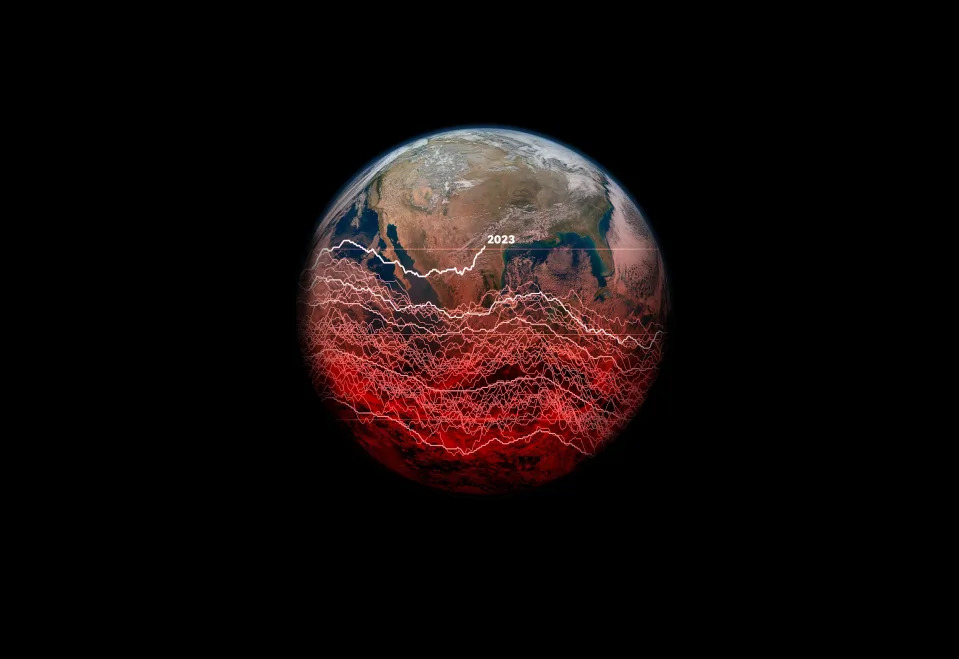
Climate scientists around the world say 2023 is almost certain to be the globe’s warmest year in recorded human history. The global mean temperature through October was 1.4 Celsius (more than 2.5 degrees Fahrenheit) above the preindustrial average.

So far this year, the nation is experiencing its 11th warmest year on record through October, according to the National Oceanic and Atmospheric Administration. However, 12 states are experiencing their warmest or second warmest year on record.

Growing evidence that humans are changing the climate

This assessment is most notable for the certainty scientists have gained about warming and its impacts, said Leung, who served as the lead author for the report’s Earth Systems Processes chapter, which lays the scientific groundwork and is used to illustrate points throughout the report.

The chapter, a collaboration among more than a dozen authors, was intended to answer such questions as whether humans are causing global warming, whether warming is changing extreme weather and climate events and how much warming the planet might expect to see.

In prior reports, scientists often hedged their statements, for example saying they were 90% sure humans were responsible for the changes being seen,” Leung said. “In this NCA 5 report, we are now saying that we are totally sure.”

Starting from the 1900s, the observed warming has been caused by human activities, she said. “It’s definitive.”

Another key difference is scientists reduced by 50% the uncertainty in how much temperatures would warm if the concentration of carbon dioxide in the atmosphere doubles, she said. In previous assessments that number had hovered around a range from 2.7 degrees to 8 degrees. “It was a pretty big range,” she said. “Our goal has always been to narrow this down.”

Thanks to the increase in instrumental observations, satellite data, the study of the paleoclimate, and higher resolution computer modeling, scientists now have amassed more evidence than ever before, giving them more certainty, she said. “Now we can say that the global warming that is caused by a doubling of the CO2 in the atmosphere should be between 4.5 degrees Fahrenheit and 7.2 degrees Fahrenheit.”

The Fifth National Climate Assessment shows the U.S. has warmed rapidly since the 1970s.
Reducing greenhouse gas emissions

Efforts to adapt to climate change, reduce net greenhouse gas emissions, and be more energy efficient are underway in every U.S. region and have expanded since 2018, the report concludes.

Greenhouse gas emissions in the U.S. fell 12% between 2005 and 2019, mostly driven by changes in the way electricity is produced, the assessment concluded. The nation burns less coal, but more natural gas, which is cleaner. Because of the electrical industry’s 40% reduction in emissions, the transportation sector took the lead as the industry with the most emissions.

Growth in the capacity of wind, solar, and battery storage is supported by the falling costs of those technologies, and that ultimately means even more emissions reductions, the report states. For example, wind and solar energy costs have dropped 70% and 90%, respectively.

While the options for cleaner technologies and lower energy use have expanded, the authors found they aren’t happening fast enough for the nation to meet the goal of achieving a carbon-neutral energy system.

Without deeper cuts in global net greenhouse gas emissions and accelerated adaptation efforts, the scientists found severe climate risks to the United States will continue to grow. Each additional increment of warming is expected to lead to more damage and greater economic losses compared to previous increments of warming, and the risks of catastrophic consequences also increase.

But the report also finds that reducing greenhouse gas emissions and removing carbon dioxide from the atmosphere can limit future warming and associated increases in many risks, and bring immediate health and economic benefits.

What others are saying about the report:

The scientific assessment is “the latest in a series of alarm bells and illustrates that the changes we’re living through are unprecedented in human history,” said Kristina Dahl, a principal climate scientist at the Union of Concerned Scientists and a contributor to the report. “The science is irrefutable: we must swiftly reduce heat-trapping emissions and enact transformational climate adaptation policies in every region of the country to limit the stampede of devastating events and the toll each one takes on our lives and the economy.”

The report illustrates three things, said Arati Prabhakar, director of the White House Office of Science and Technology Policy.

◾ The events Americans have already experienced firsthand are “unfolding as predicted.”

◾ Communities in every state and territory have taken action.

◾ People across the nation can use the assessment to take future actions.

For example, Prabhakar said the report could be used by a water utility manager in Chicago trying to understand extreme rainfall, an urban planner deciding where to locate cooling centers in Texas, or a manager of a Southeastern hospital trying to get ahead of the diseases ticks and mosquitoes are bringing into their region as a result of the changing climate.

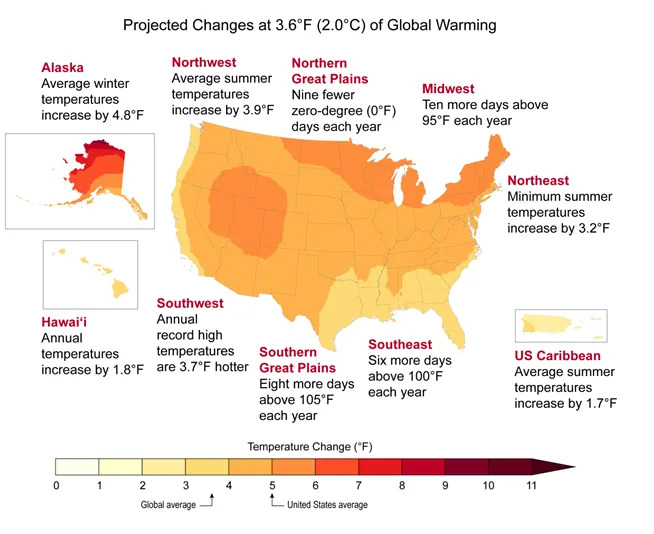
What an increase of 3.6 degrees Fahrenheit over pre-industrial temperatures would feel like in the United States.